Recognizing shapes 2D Shapes Worksheets for Ages 8-9
4 filtered results
-
From - To
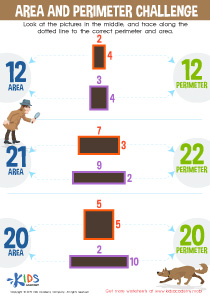
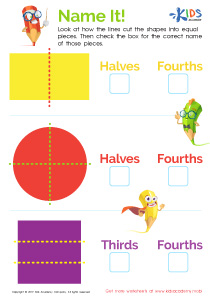
Discover our engaging "Recognizing 2D Shapes Worksheets" specially designed for children aged 8-9. These vibrant worksheets provide a fun and interactive way for kids to enhance their geometry skills while identifying and classifying various 2D shapes. Each activity helps reinforce essential concepts, including shape recognition, properties, and categorization, ensuring a solid mathematical foundation. Ideal for both classroom and home learning, our worksheets foster critical thinking and creativity. Encourage your child to explore the world of shapes through enjoyable exercises that promote learning and retention. Perfect for enhancing their math journey, our resources prepare them for future challenges with confidence!
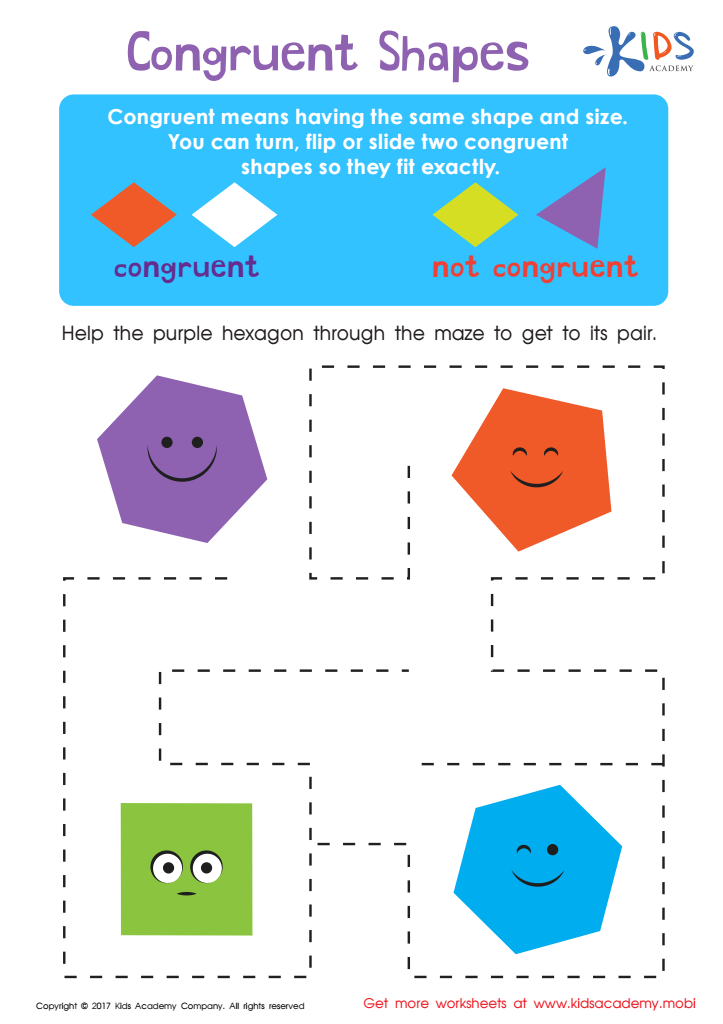
Congruent Shapes Worksheet
 Assign to My Students











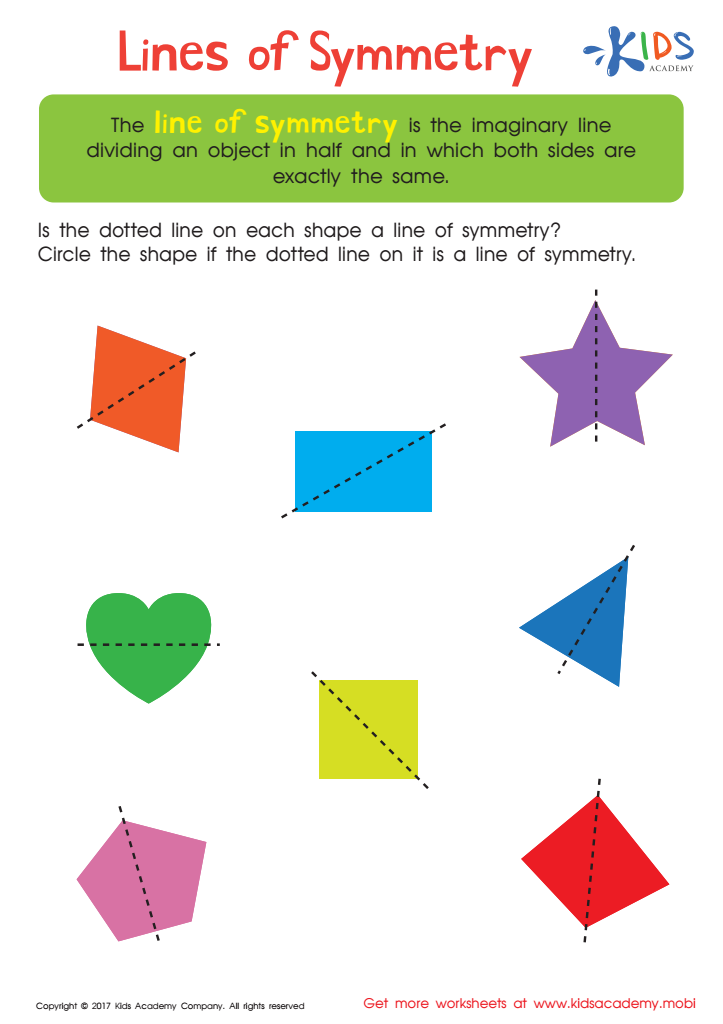
Lines of Symmetry Printable
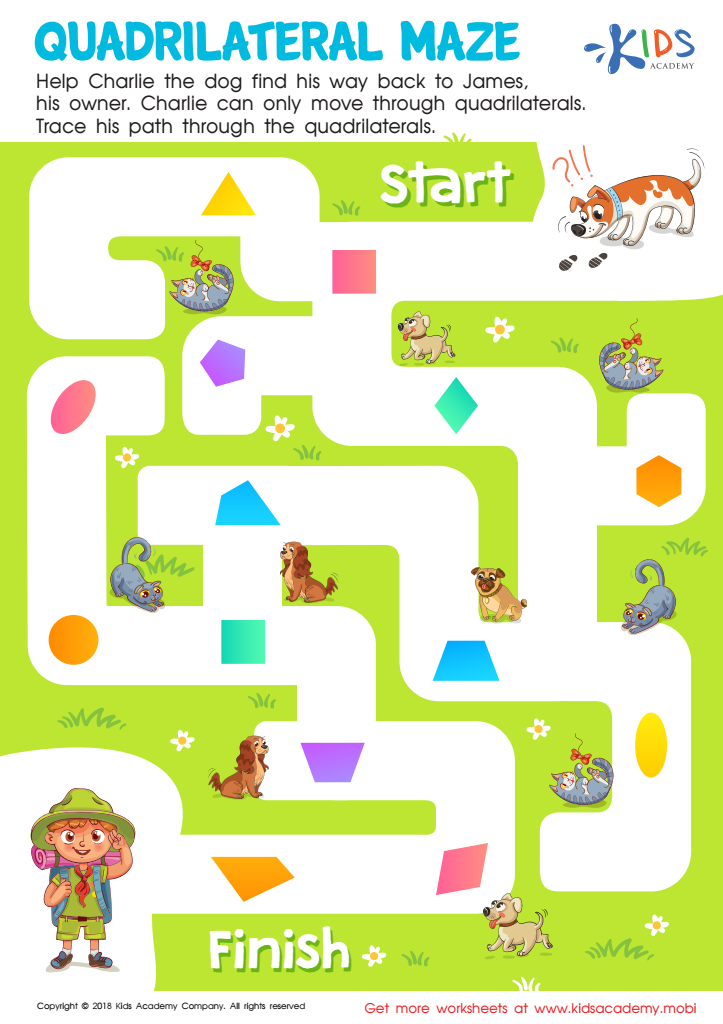
Quadrilateral Maze Worksheet
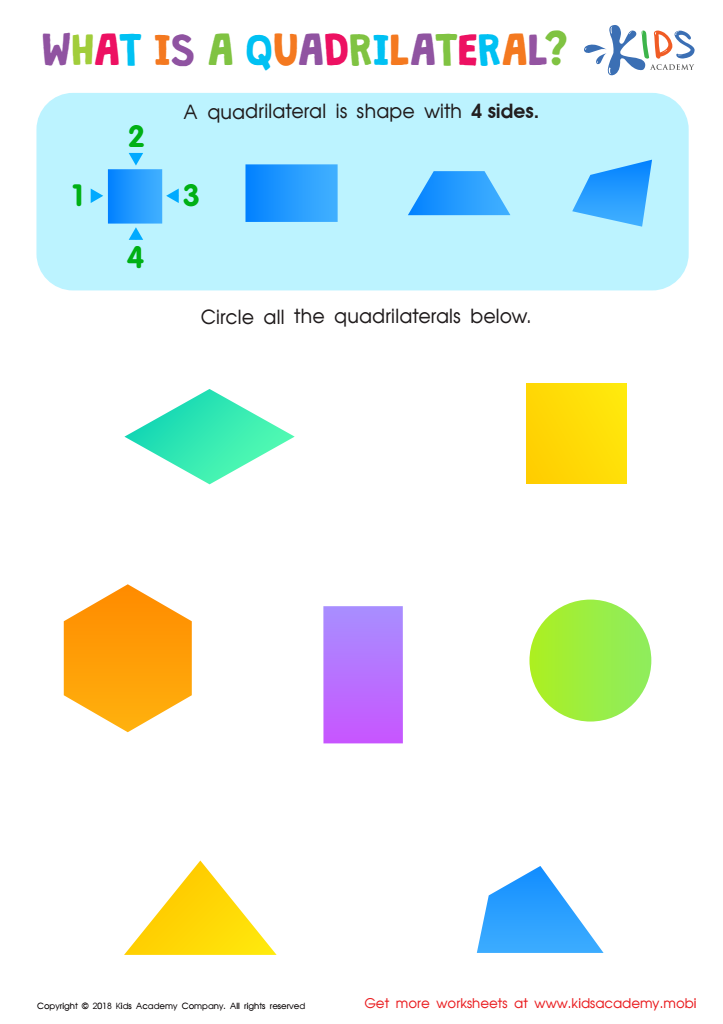
What Is a Quadrilateral? Worksheet








Recognizing 2D shapes is foundational for children aged 8-9 years, and it holds significant importance for parents and teachers. At this age, children are not only learning to identify various shapes such as circles, squares, triangles, and rectangles, but they are also beginning to understand their properties, such as sides and angles. Mastering shape recognition enhances spatial awareness, which is crucial for skills in geometry and mathematics.
Furthermore, understanding 2D shapes enables children to make connections across different subjects. For example, when they recognize shapes, it aids in their appreciation of art, architecture, and even nature. This skill plays a key role in problem-solving as well, as children apply their knowledge to real-world situations, like navigating directions or creating designs.
Additionally, shape recognition fosters critical thinking. Parents and teachers can incorporate hands-on activities and interactive games, making learning dynamic and engaging. This encourages children to enjoy learning and builds a solid foundation for advanced math and analytical skills in the future. Ultimately, fostering shape recognition equips children with essential cognitive tools, enhancing their overall academic performance and confidence. It is crucial that parents and teachers nurture this important aspect of early education.