Improve reading comprehension Adding up to 50 Worksheets for Ages 8-9
4 filtered results
-
From - To
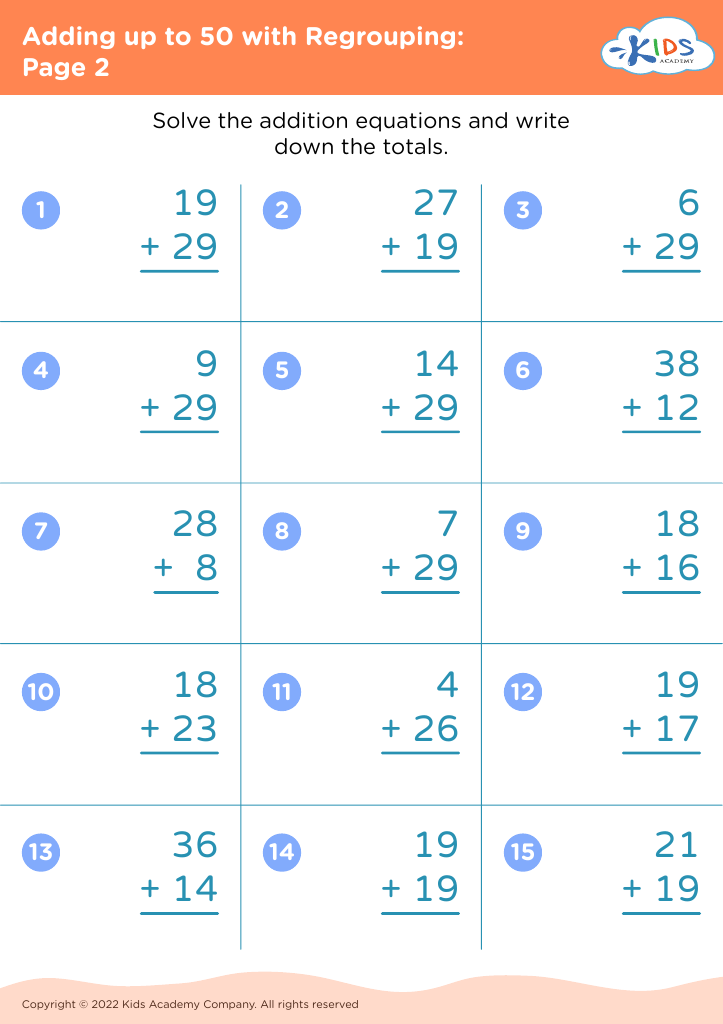
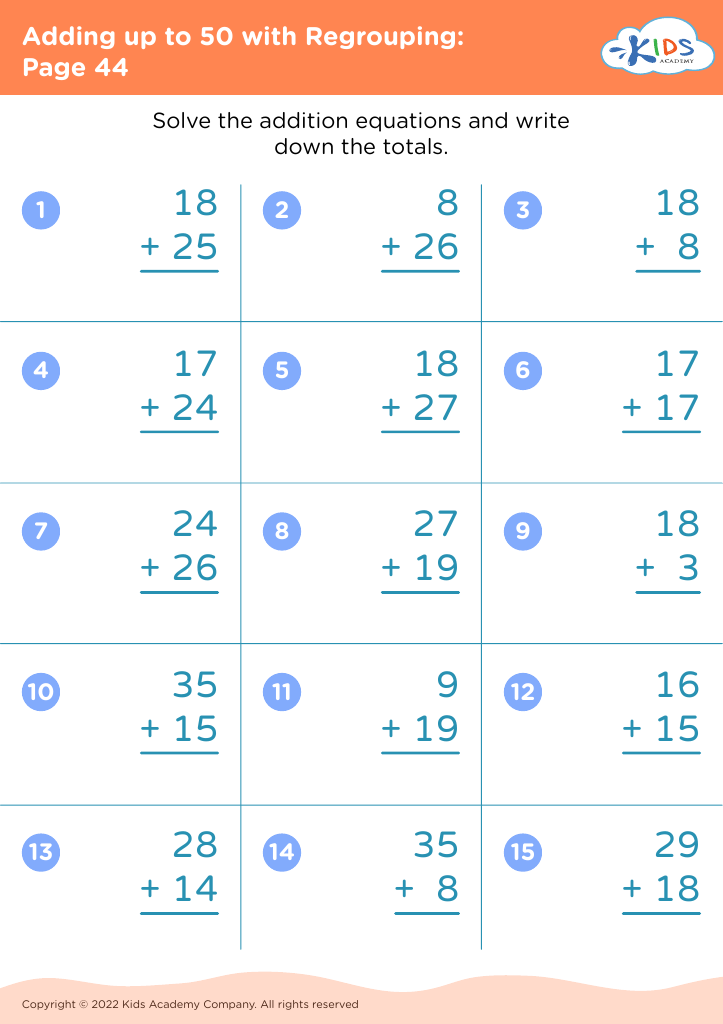
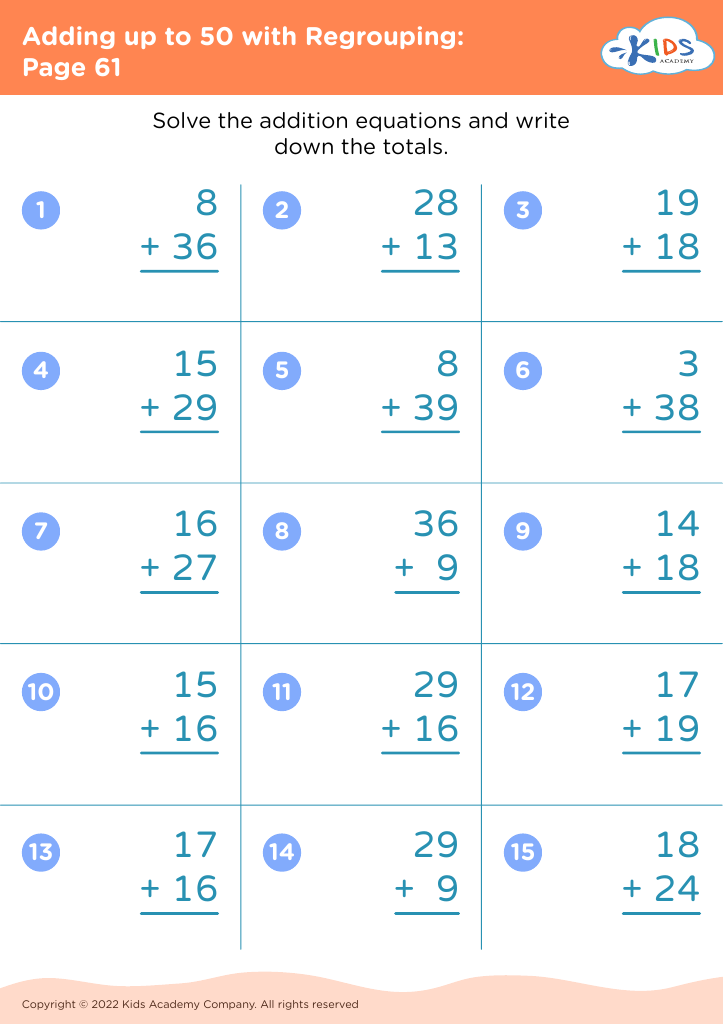
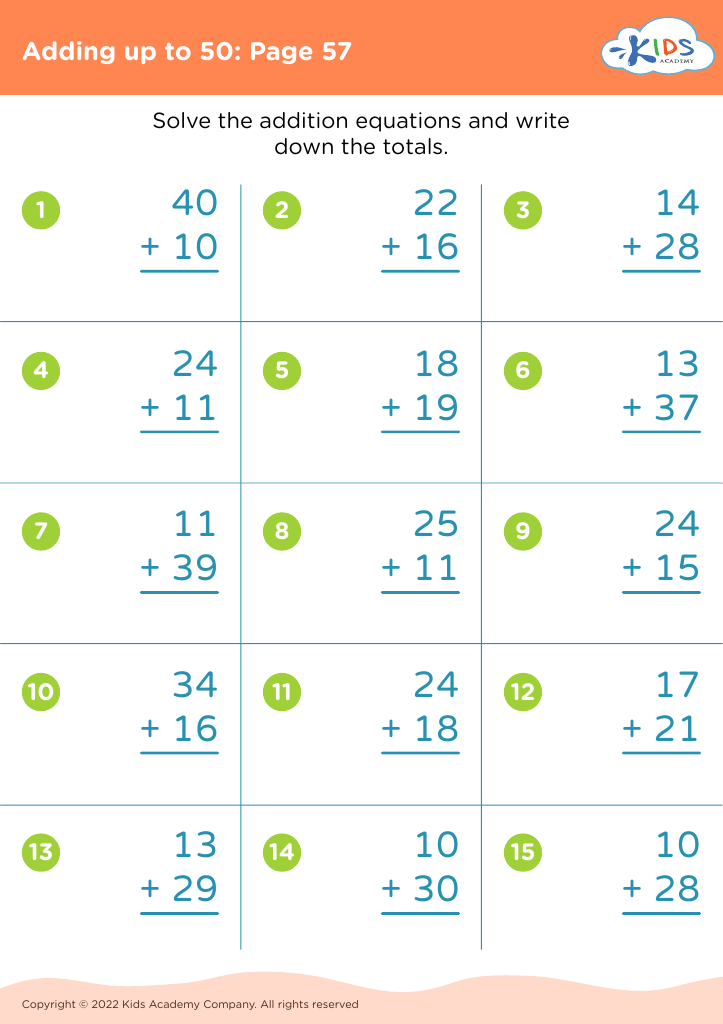
Elevate your child’s reading comprehension with our engaging collection of 50 worksheets, tailored for ages 8-9! Each worksheet is designed to enhance understanding and retention of reading material, utilizing age-appropriate texts and interactive questions. These resources not only reinforce reading skills but also encourage critical thinking and analytical abilities. By incorporating relatable stories and fun themes, children will stay motivated and excited about reading. Perfect for classrooms or home learning, our worksheets provide a structured approach to mastering comprehension skills. Discover the joy of learning as your child’s confidence and comprehension thrive with our thoughtful materials!




Improving reading comprehension for children aged 8-9 is crucial for their academic success and lifelong learning. At this age, students transition from learning to read to reading to learn, meaning they encounter more complex texts across subjects. Strong reading comprehension skills enable them to grasp concepts in science, social studies, and mathematics, which helps build a solid knowledge base.
Moreover, effective comprehension fosters critical thinking. By understanding what they read, children can analyze information, make connections, and form their own opinions. This skill becomes invaluable not only in school but also in everyday life as they navigate a world overwhelmed with information.
Additionally, the ability to comprehend reading material contributes to a child's confidence and motivation. When students can understand stories and texts, they're more likely to enjoy reading and participate actively in discussions, which reinforces learning.
Lastly, parents and teachers must work together to provide support and resources that promote reading comprehension. Engaging children in discussions about their reading, using questioning strategies, and providing diverse reading materials can make a significant difference in their development. By prioritizing reading comprehension, they empower children to thrive academically and socially, paving the way for future success.








