Identifying Animals Addition & Subtraction Worksheets for Ages 8-9
3 filtered results
-
From - To
Welcome to our "Identifying Animals Addition & Subtraction Worksheets" tailored for children aged 8-9. These engaging worksheets intertwine math skills with the joy of learning about animals. Designed to enhance both addition and subtraction abilities, each activity features adorable animal illustrations that capture young learners’ attention. As children solve problems, they will not only improve their math skills but also discover fascinating facts about various animals. Perfect for classroom use or at-home learning, these worksheets provide a fun and educational experience that promotes critical thinking and encourages a love for both numbers and nature. Dive in and watch their skills flourish!
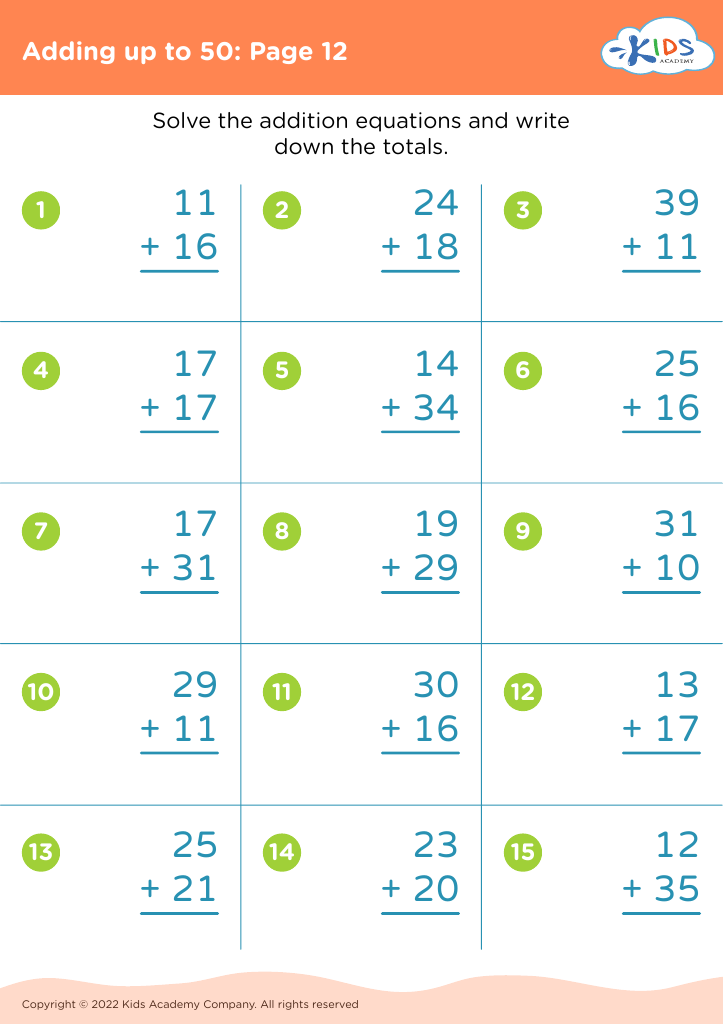
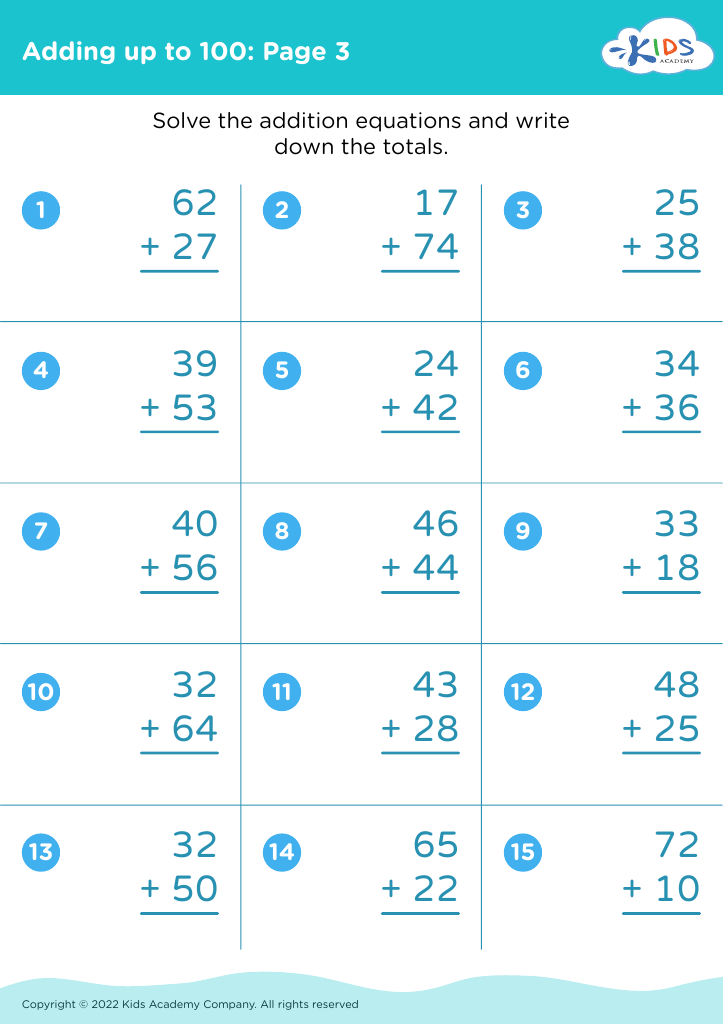
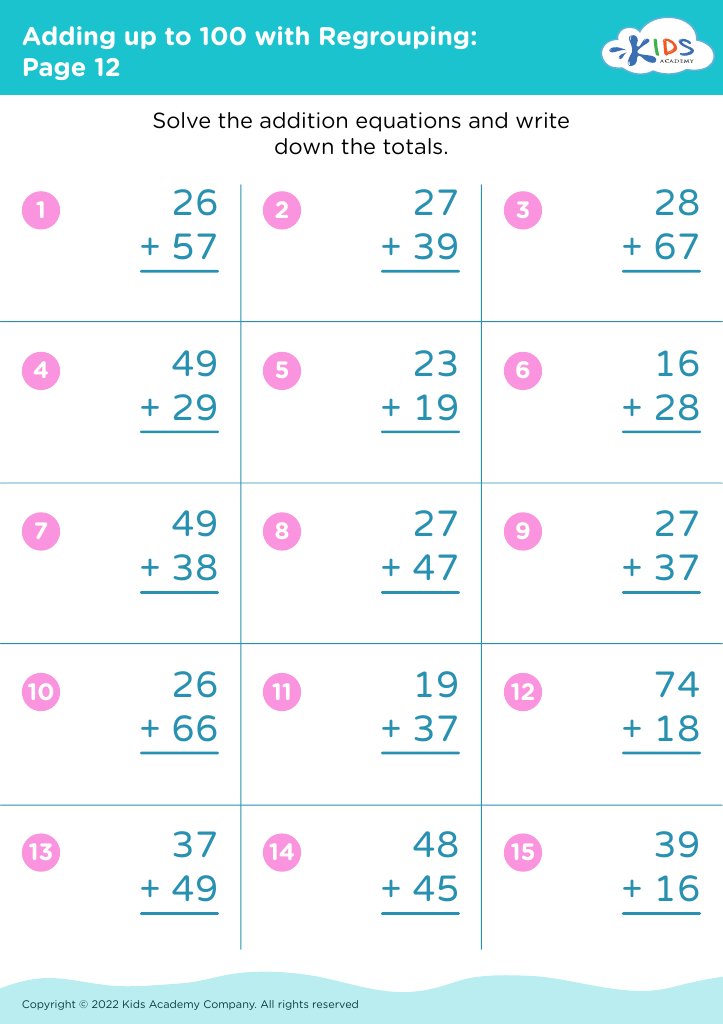








Identifying Animals Addition & Subtraction activities for ages 8-9 engage children with both math and meaningful, relatable contexts. At this developmental stage, children are building on their foundational math skills, making it essential to employ techniques that capture their interest. By integrating animals into addition and subtraction exercises, educators create an inviting learning environment that encourages focus and participation.
Using animals comes with multiple benefits. First, it facilitates deeper reasoning, as students can visualize and relate mathematical problems to the real world, enhancing comprehension. Second, integrating familiar animals can increase motivation, making math feel less like a chore and more like a game. At this age, children’s attention spans can be short; involving vibrant imagery of animals can hold their attention better than traditional math problems.
Additionally, such activities support critical thinking. Children learn not just to compute but also to categorize and compare animals, embracing concepts of sortation and quantities in fun, creative ways. Ultimately, parents and teachers should care about these activities as they promote essential skills in math while fostering an enjoyable learning experience, which is crucial for lifelong learning and positive attitudes towards education.








