Shape identification Addition & Subtraction Worksheets for Ages 8-9
13 filtered results
-
From - To
Explore our engaging Shape Identification Addition & Subtraction Worksheets designed specifically for children ages 8-9! These worksheets seamlessly blend math and geometry, helping young learners enhance their addition and subtraction skills while recognizing different shapes. By employing colorful illustrations and interactive exercises, we make learning fun and effective. Each worksheet promotes critical thinking and problem-solving abilities as students identify shapes and solve math problems simultaneously. Perfect for at-home learning or classroom activities, our resources support educational growth and boost confidence in math. Encourage your child's cognitive development with these dynamic worksheets that foster a love for shapes and numbers alike!
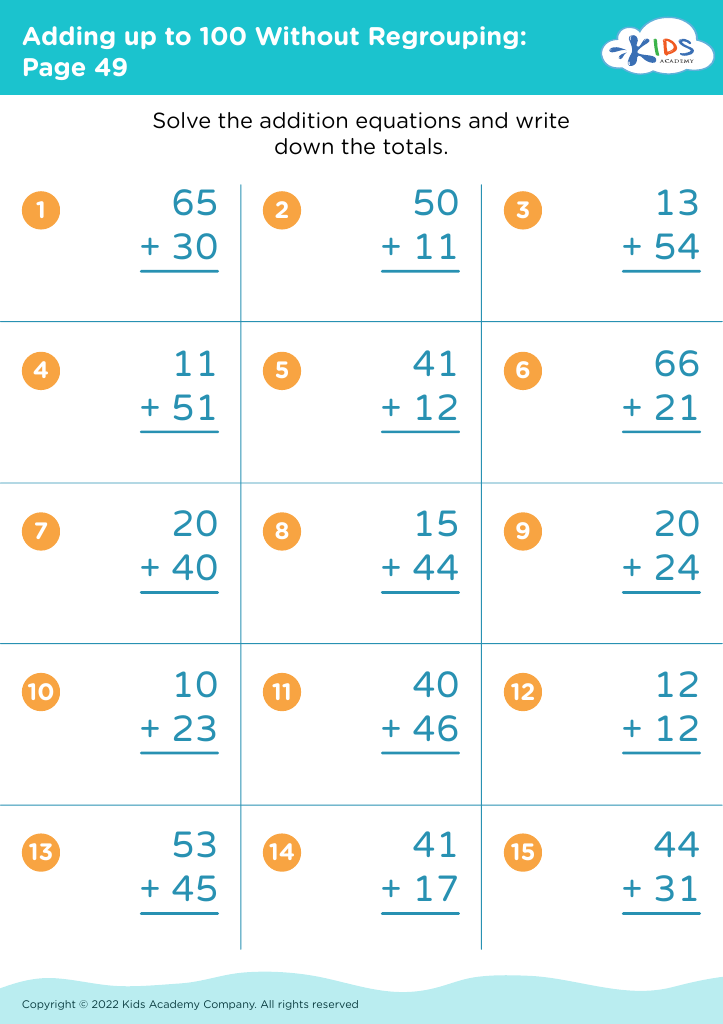
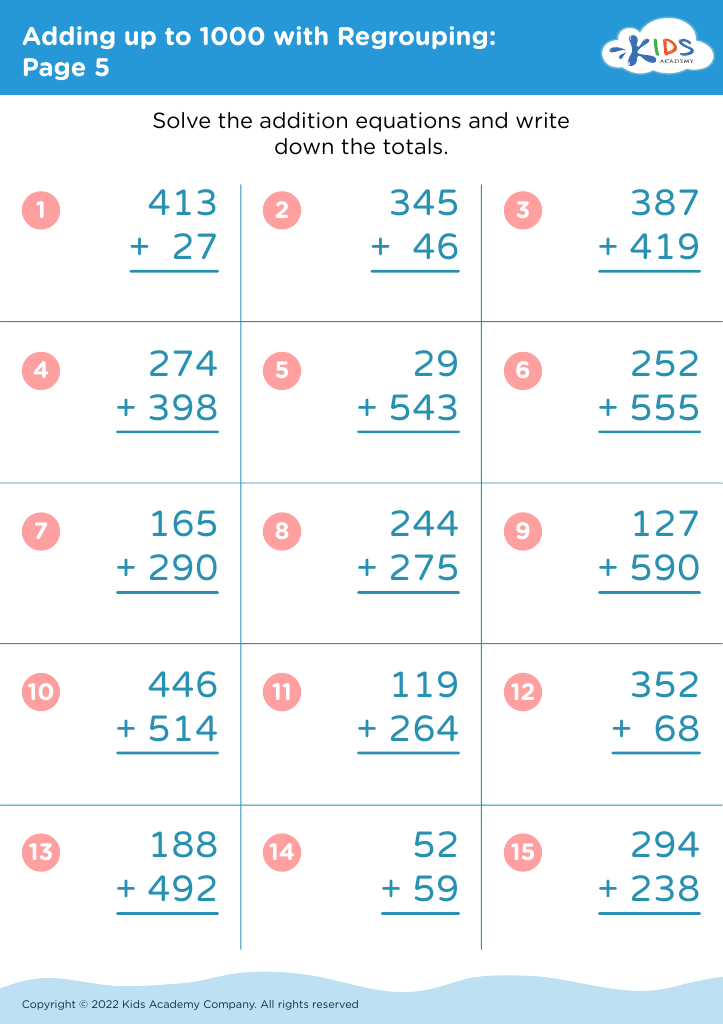
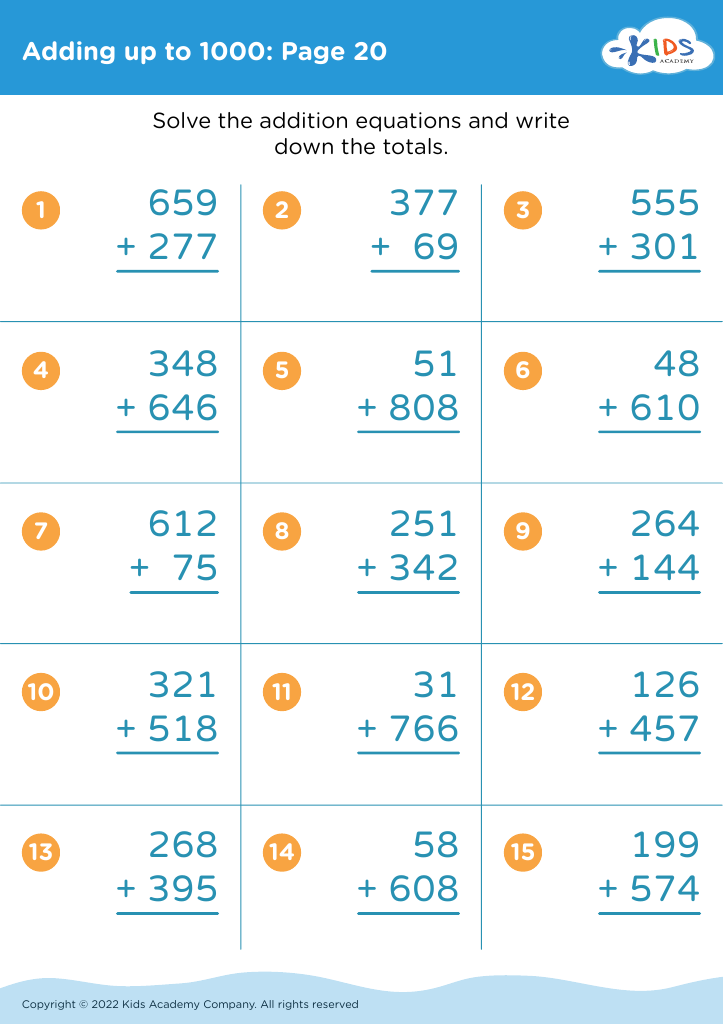
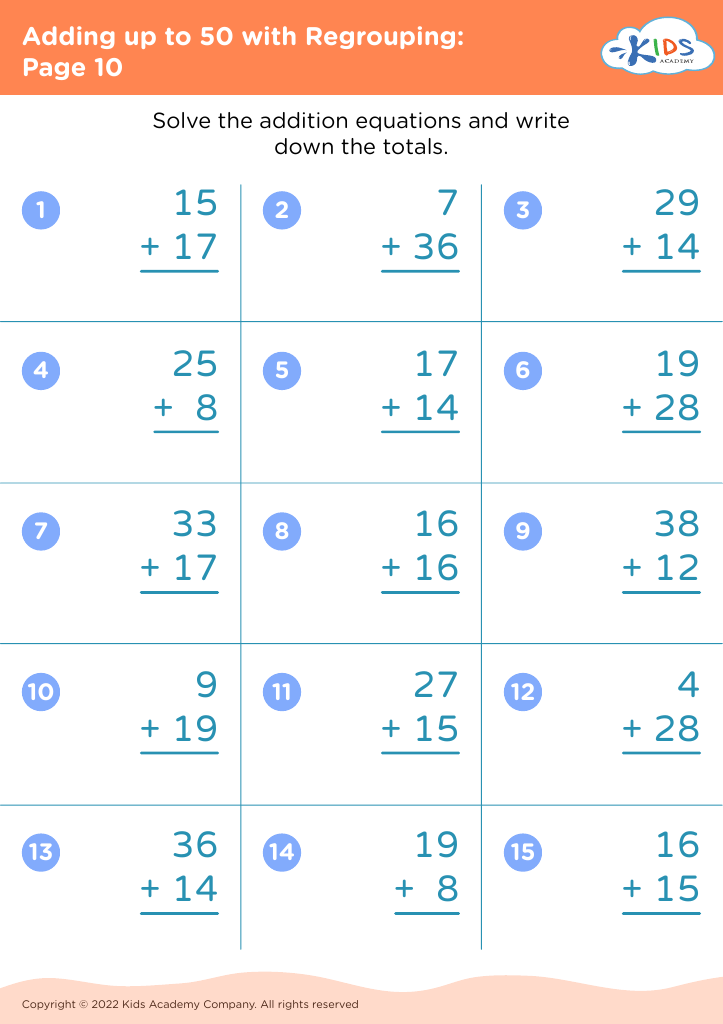
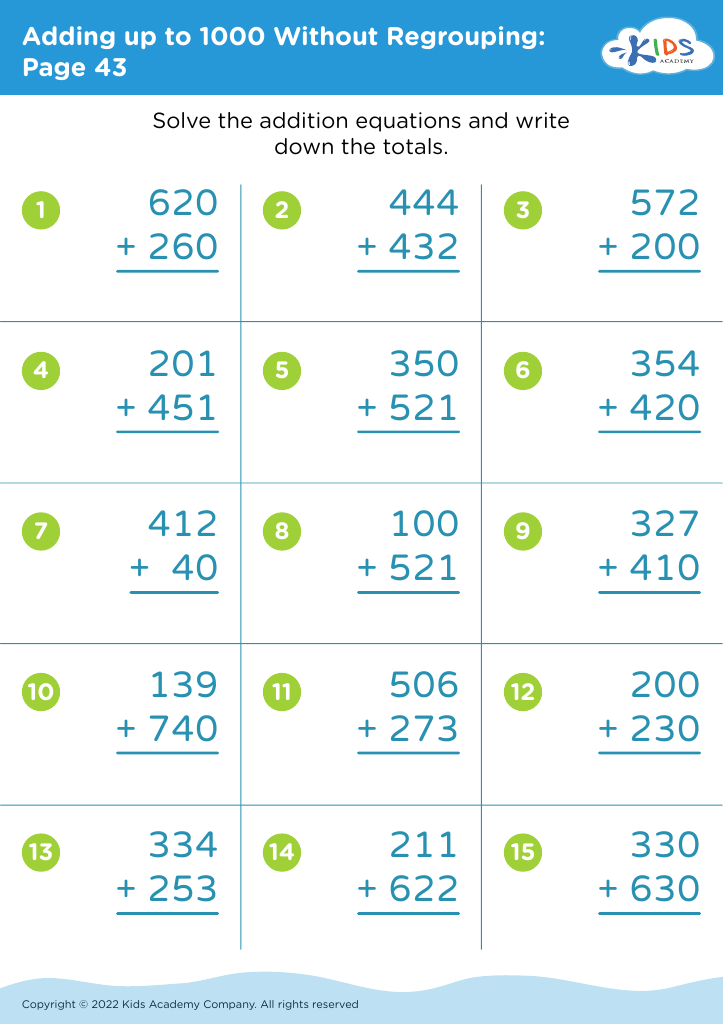








Shape identification, alongside addition and subtraction, plays a crucial role in the development of foundational mathematical skills for children aged 8-9. At this stage, students are not only solidifying their understanding of basic arithmetic but also beginning to connect mathematical concepts with real-world applications. By exploring shapes, children enhance their visual-spatial awareness, which is pivotal for tackling geometry later in their academic journey.
Shape identification fosters critical thinking as children learn to recognize, categorize, and describe different forms. This cognitive exercise directly supports their mathematical reasoning skills and promotes problem-solving abilities. Additionally, integrating shape identification with addition and subtraction can make learning fun and interactive. For example, using blocks or drawings to visually represent problems solidifies their understanding of numbers in context and enriches their learning experience.
Furthermore, these skills are interconnected; for instance, students might need to calculate area or perimeter, merging their knowledge of shapes with arithmetic operations. By prioritizing these concepts, parents and teachers can ensure students build confidence and competence in mathematics, paving the way for future academic success. Engaging children in these fundamental areas prepares them for more complex topics in higher levels of education, establishing a strong mathematical foundation.








