
Understand multiplication Addition & Subtraction Worksheets for Ages 8-9
6 filtered results
Difficulty Level
Grade
Age
-
From - To
Subject
Activity
Standards
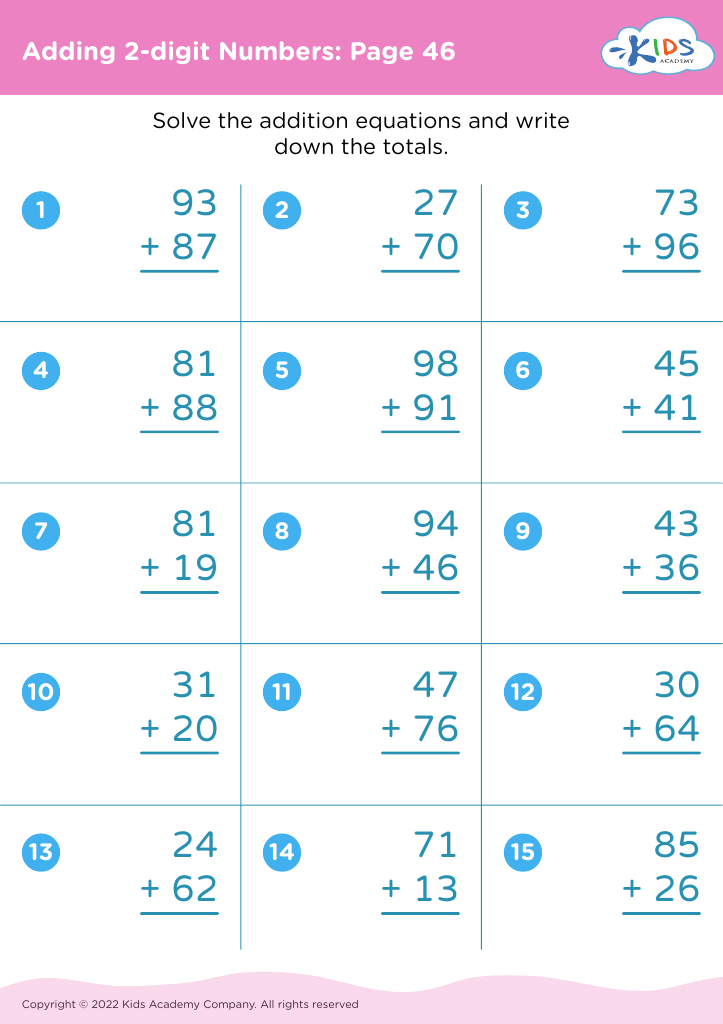
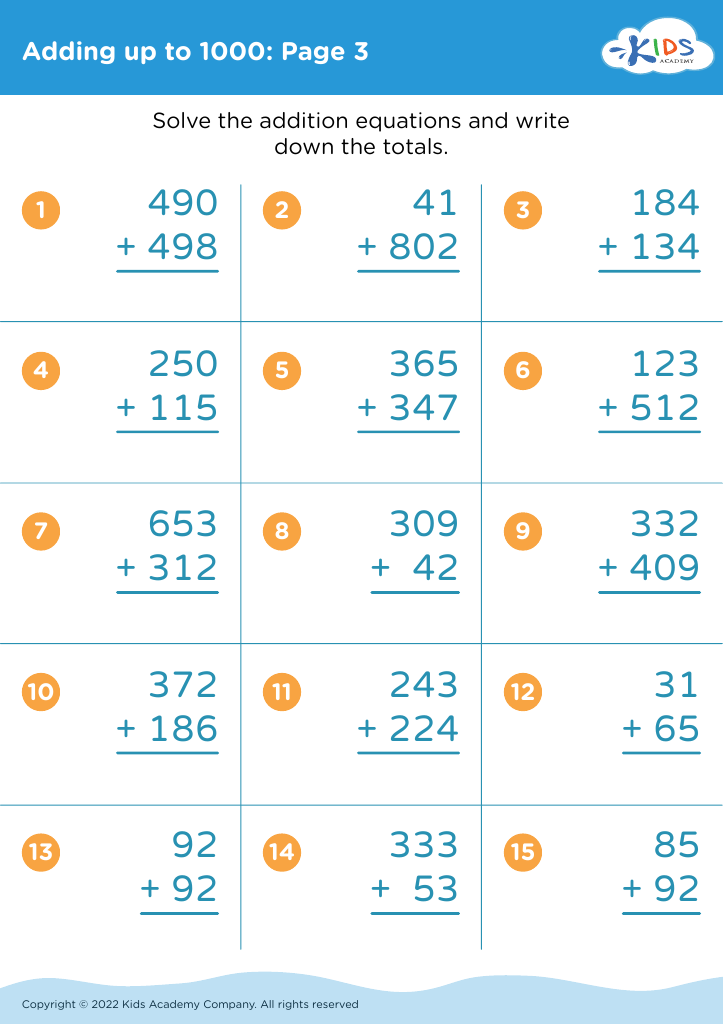
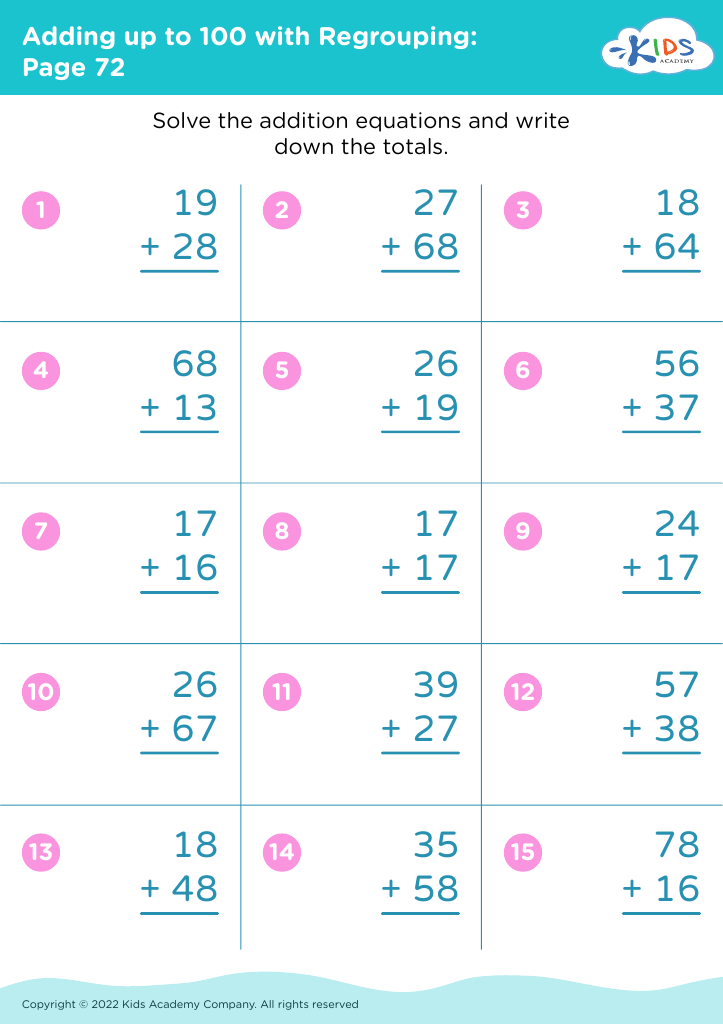
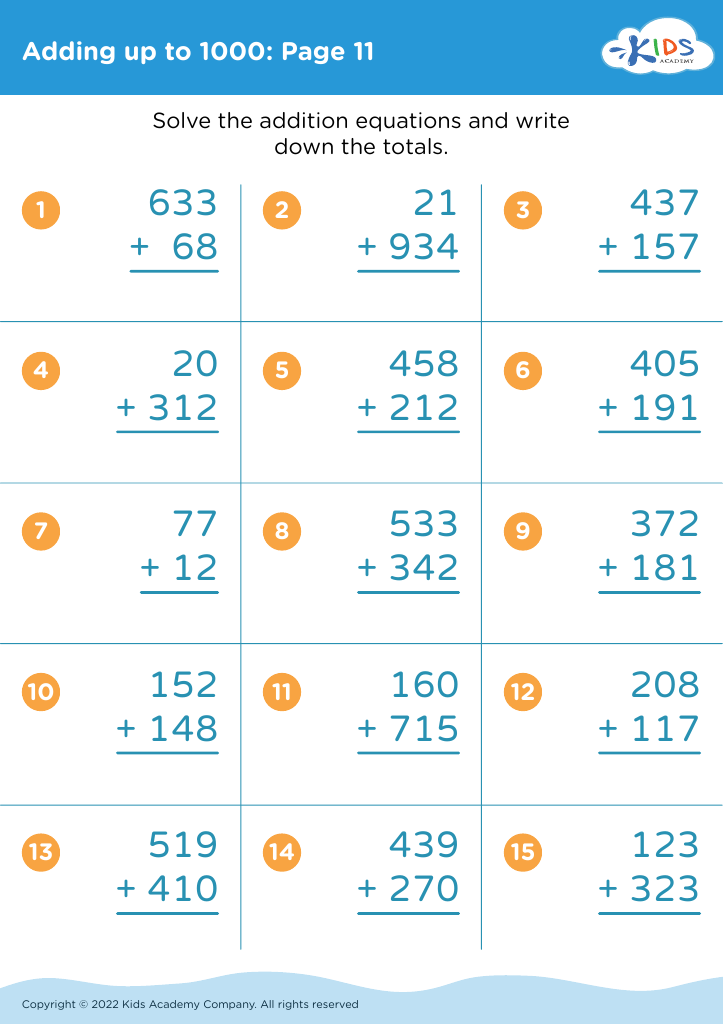
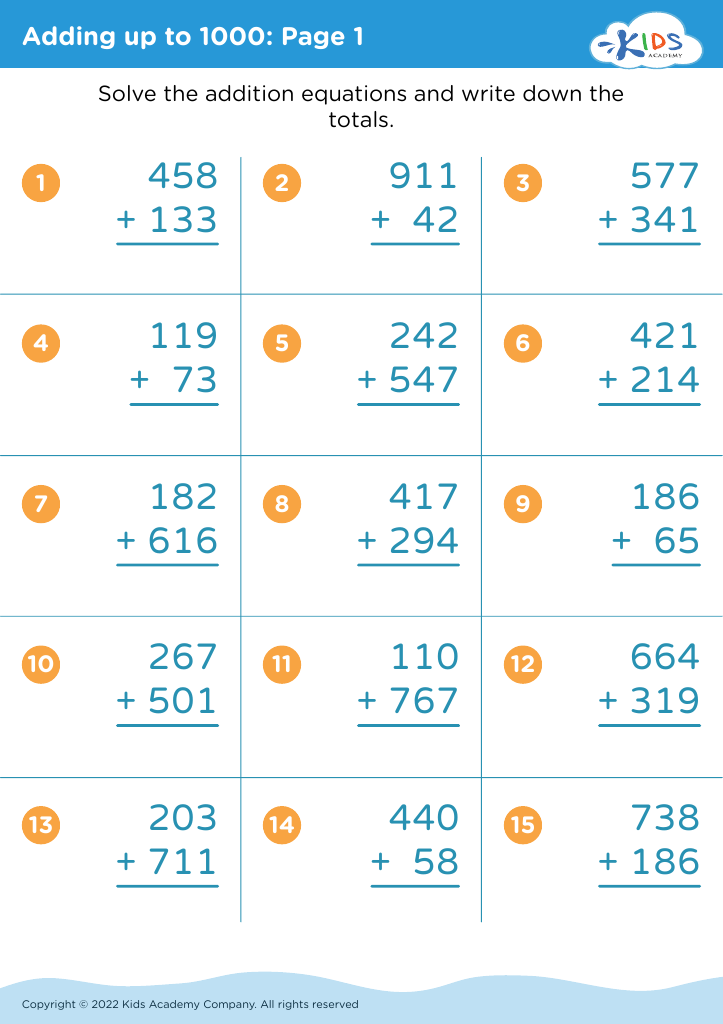
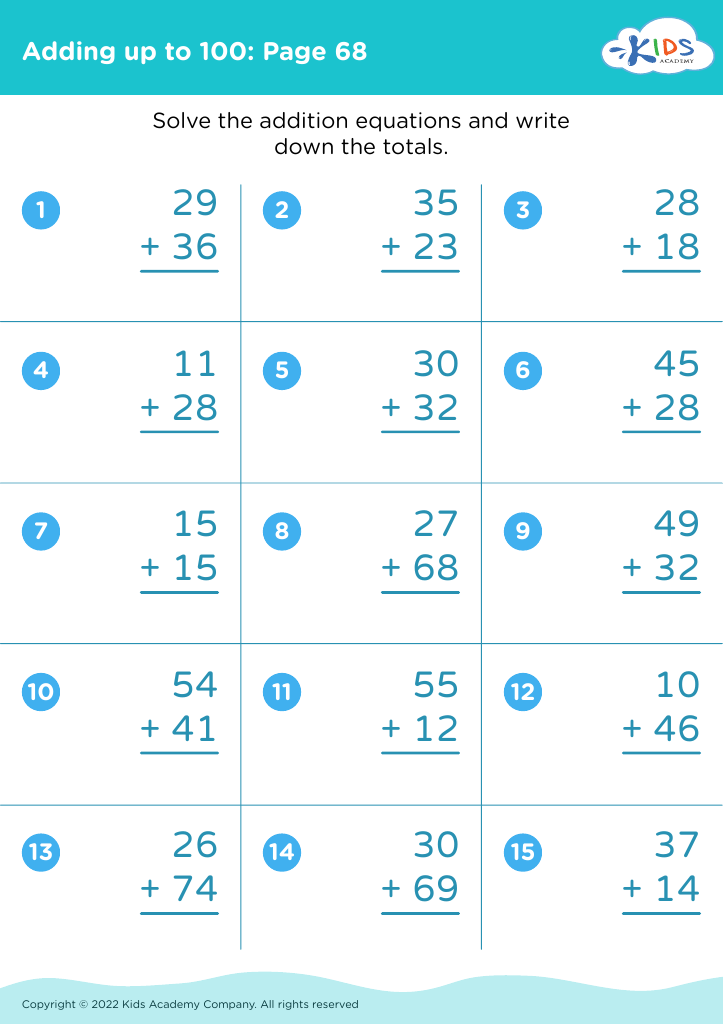
Welcome to our "Understand Multiplication, Addition & Subtraction Worksheets for Ages 8-9" page! Designed for young learners, these engaging worksheets help solidify essential math skills by linking addition and subtraction concepts to multiplication. Our carefully crafted activities encourage critical thinking and help students visualize relationships between operations. As kids practice, they'll gain confidence in their math abilities! Ideal for classroom use or at-home learning, these worksheets support the development of logical reasoning and problem-solving skills. Dive into the world of math with our fun, interactive resources, crafted to inspire a love of learning while mastering key concepts essential for academic success.
Favorites
With answer key
Interactive
Join Kids Academy for Free
Who is primarily going to use this learning content?








Understanding multiplication, addition, and subtraction is crucial for children aged 8-9 as it lays the foundation for their mathematical development and critical thinking skills. At this age, children transition from basic arithmetic to more complex problem-solving and reasoning. Mastering these operations enhances their ability to perform in future math topics, including fractions, decimals, and geometry.
Parents and teachers should care because strong mathematical skills correlate with better academic performance and greater confidence in learning. Encouraging children to practice these fundamental operations not only helps them grasp mathematical concepts but also fosters analytical skills that are applicable in everyday life, from budgeting allowances to solving real-world problems.
Additionally, a strong grasp of addition and subtraction supports multiplication as repeated addition is a foundational concept in multiplication. Excelling in these areas can ignite a passion for mathematics, making children more enthusiastic and engaged in their studies. Providing appropriate resources and constructive feedback can empower students, helping them navigate challenges and misconceptions with ease. Ultimately, fostering a solid understanding of these principles will promote lifelong skills critical for academic success and everyday decision-making.








