
Develop inference skills Addition Worksheets for Ages 8-9
3 filtered results
Difficulty Level
Grade
Age
-
From - To
Subject
Activity
Standards
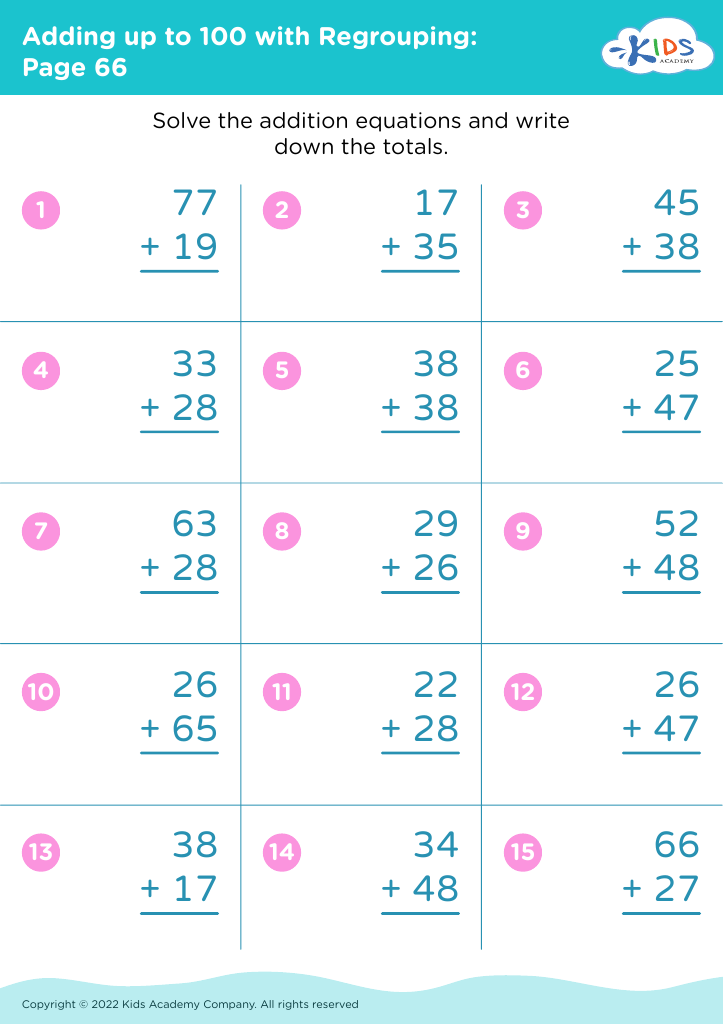
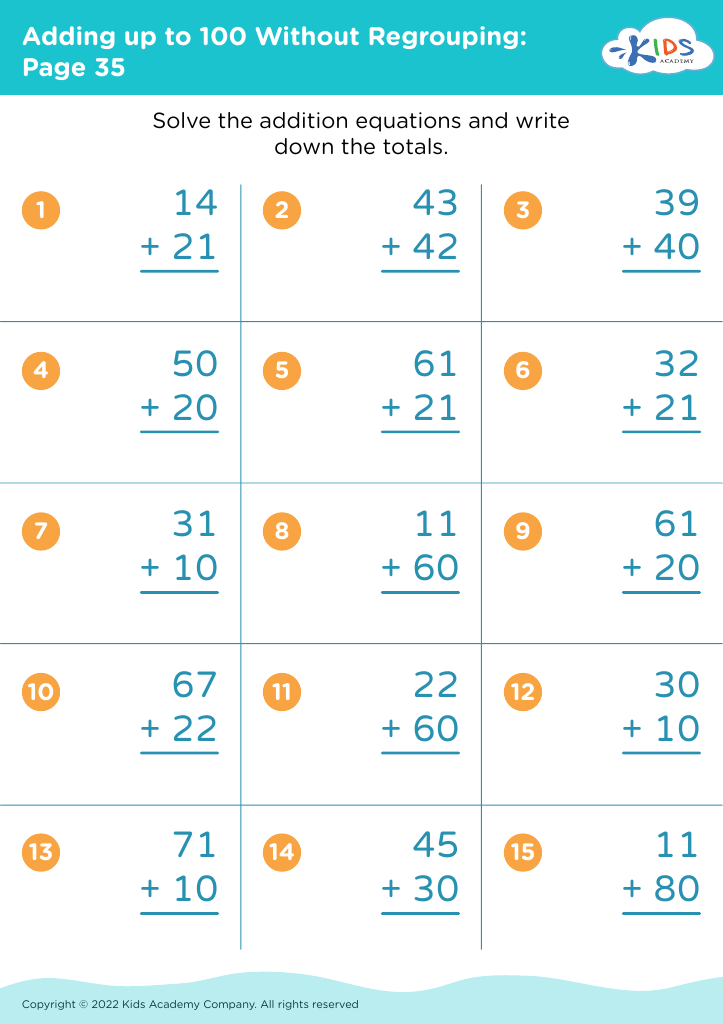
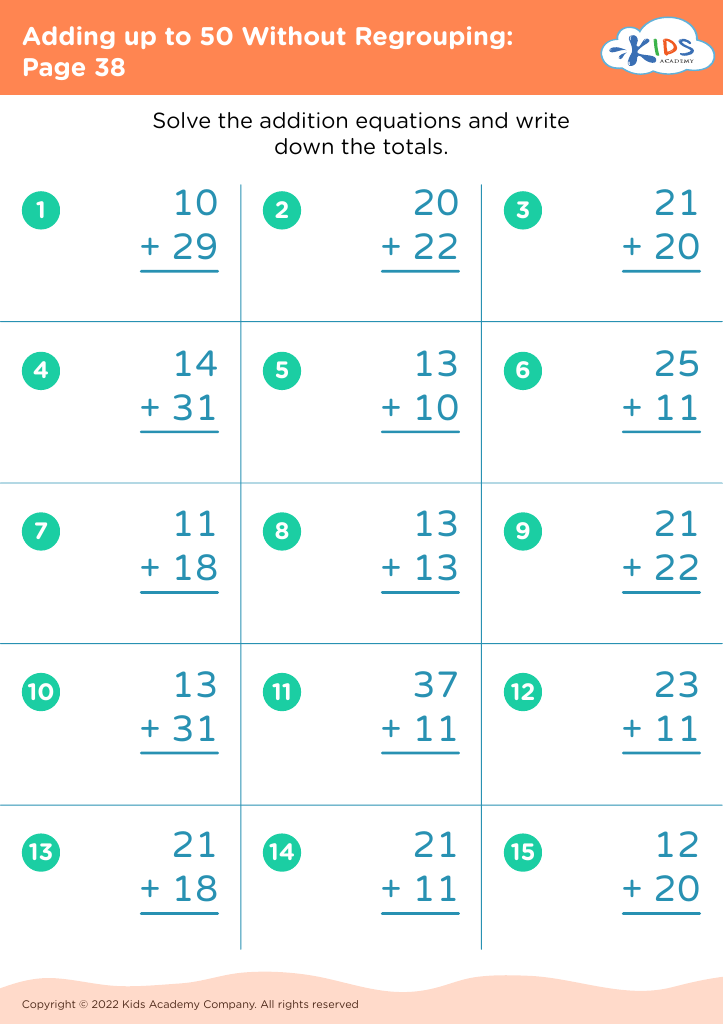
Enhance your child's math abilities with our "Develop Inference Skills Addition Worksheets" designed specifically for ages 8-9. These engaging worksheets combine addition practice with inference skills, enabling kids to interpret information and draw conclusions while solving problems. Perfect for reinforcing critical thinking, our activities challenge students to analyze various scenarios and apply their math knowledge to real-life situations. The worksheets are visually appealing and cater to different learning styles, making math both enjoyable and educational. Foster your child's confidence in addition while encouraging them to think deeply and critically with our specially crafted resources. Start their journey to mastery today!
Favorites
With answer key
Interactive
Join Kids Academy for Free
Who is primarily going to use this learning content?






.jpg)

Developing inference skills in children, especially in the context of addition for ages 8-9, is crucial for their overall cognitive development. Inference skills enable children to draw conclusions based on given information, which is essential for problem-solving and critical thinking—skills that are important not only in mathematics but across all subjects.
When children learn to infer through addition, they begin to recognize patterns, relationships, and context, which deepens their understanding of numbers and mathematical concepts. For example, instead of merely calculating 8 + 5, children can make inferences about the problem context, asking questions like, "If I have 8 apples and I buy 5 more, how many do I have now?" This enhances their ability to apply mathematical concepts to real-life situations.
Moreover, strong inference skills support reading comprehension and analytical abilities. As they progress in their education, children will encounter increasingly complex texts and problems, making their ability to infer from information vital. For parents and teachers, fostering these skills ensures that children are not just memorizing operations but developing a holistic understanding of mathematics that will serve them well in their future academic endeavors and daily lives.








