
Fraction conversion Addition Worksheets for Ages 8-9
3 filtered results
Difficulty Level
Grade
Age
-
From - To
Subject
Activity
Standards
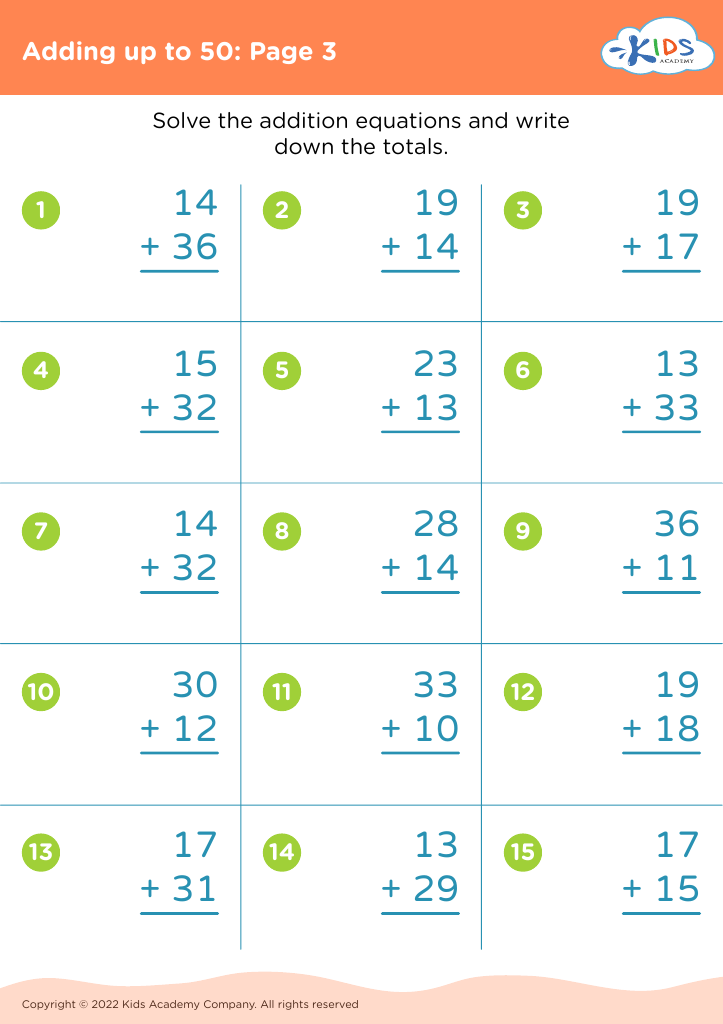
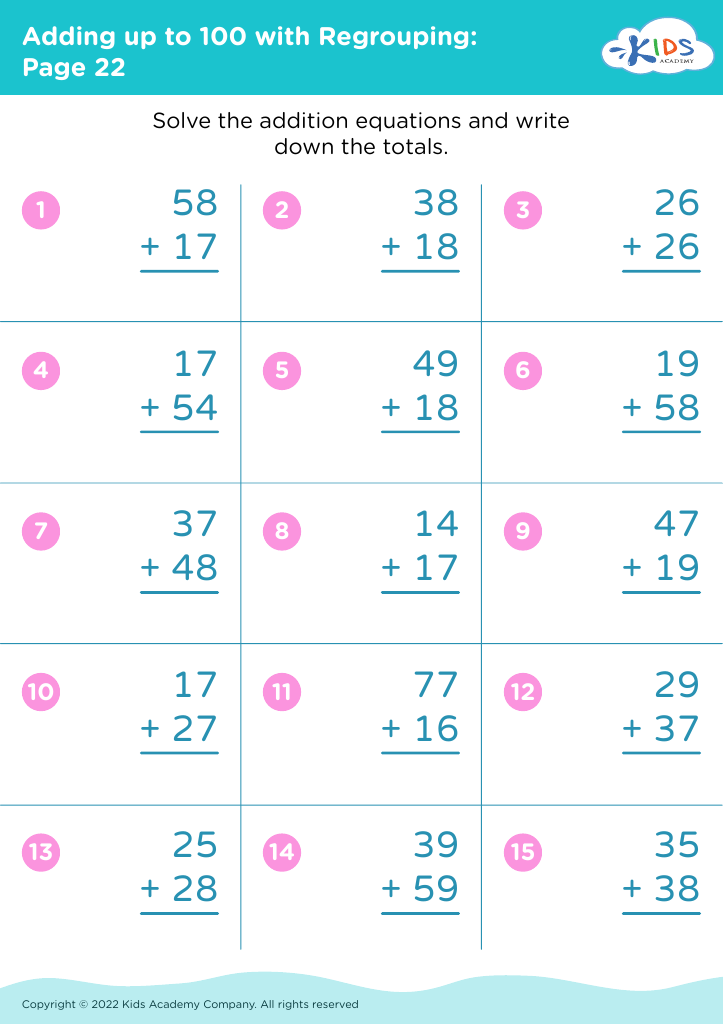
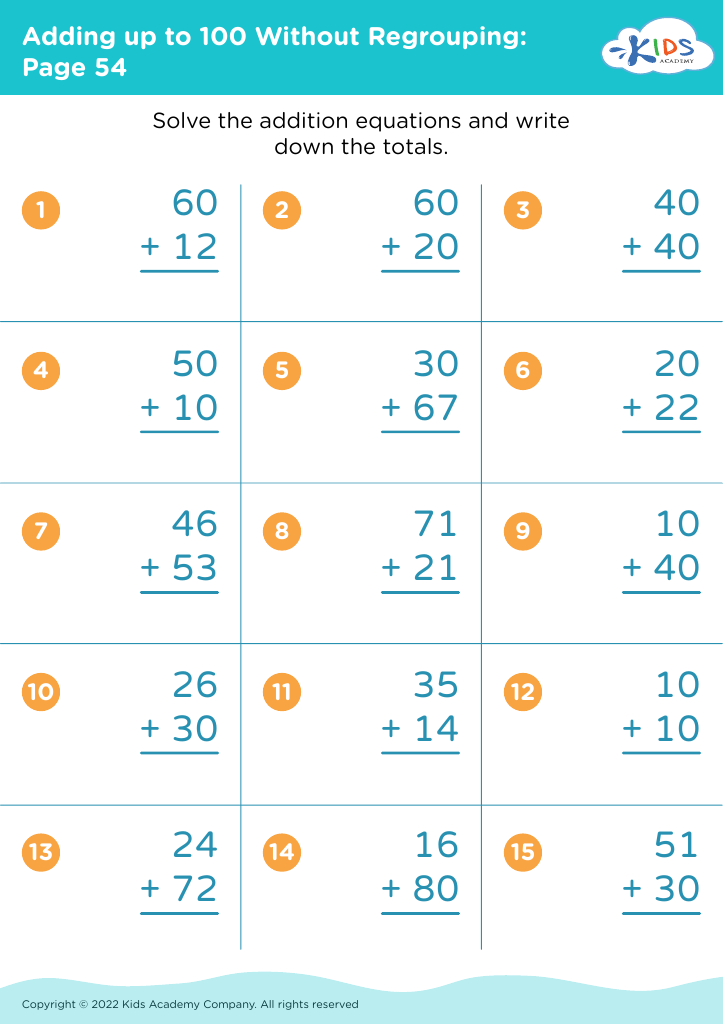
Unlock your child’s mathematical potential with our Fraction Conversion Addition Worksheets, designed specifically for kids aged 8-9! These engaging worksheets help young learners practice converting fractions while mastering addition skills. Tailored to align with grade-level expectations, the activities promote interactive learning and foster a deeper understanding of fractions. Each worksheet includes a variety of fun exercises that challenge students to apply their knowledge, making math exciting and accessible. Parents and teachers alike will appreciate the easy-to-use format, which encourages independent practice. Enhance your child's confidence in math with these valuable educational resources today! Download the worksheets for a fun learning experience!
Favorites
With answer key
Interactive
Join Kids Academy for Free
Who is primarily going to use this learning content?








Fraction conversion addition is a crucial skill for children aged 8-9 as it lays the foundation for their mathematical development and future academic success. At this age, students are typically introduced to more complex mathematical concepts, and understanding how to add fractions is essential for mastering these topics.
First, mastering fraction addition enhances critical thinking and problem-solving skills. Learning to convert fractions to a common denominator before adding helps children recognize patterns and employ strategic approaches in mathematics. This process promotes a deeper understanding of the properties of numbers and the relationships between them, essential for advancing in mathematics.
Second, fraction skills are not used in isolation; they apply to real-world scenarios, be it cooking, crafting, or budgeting. Parents and teachers who prioritize this skill help children connect math to everyday life, making the subject more engaging and relevant.
Additionally, proficiency in fractions contributes to success in higher-grade concepts, including ratios, percentages, and algebra. By reinforcing the importance of fraction addition and conversion now, parents and teachers equip children with the tools they need to build confidence and competence in mathematics, fostering a lifelong appreciation for the subject.








