Fraction identification Addition Worksheets for Ages 8-9
5 filtered results
-
From - To
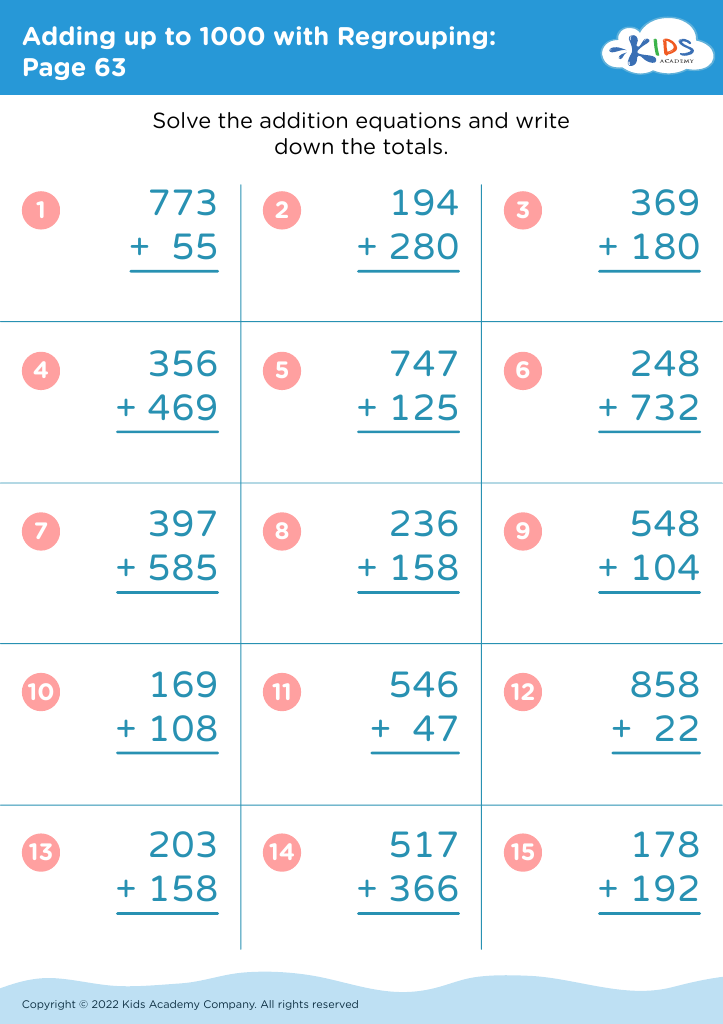
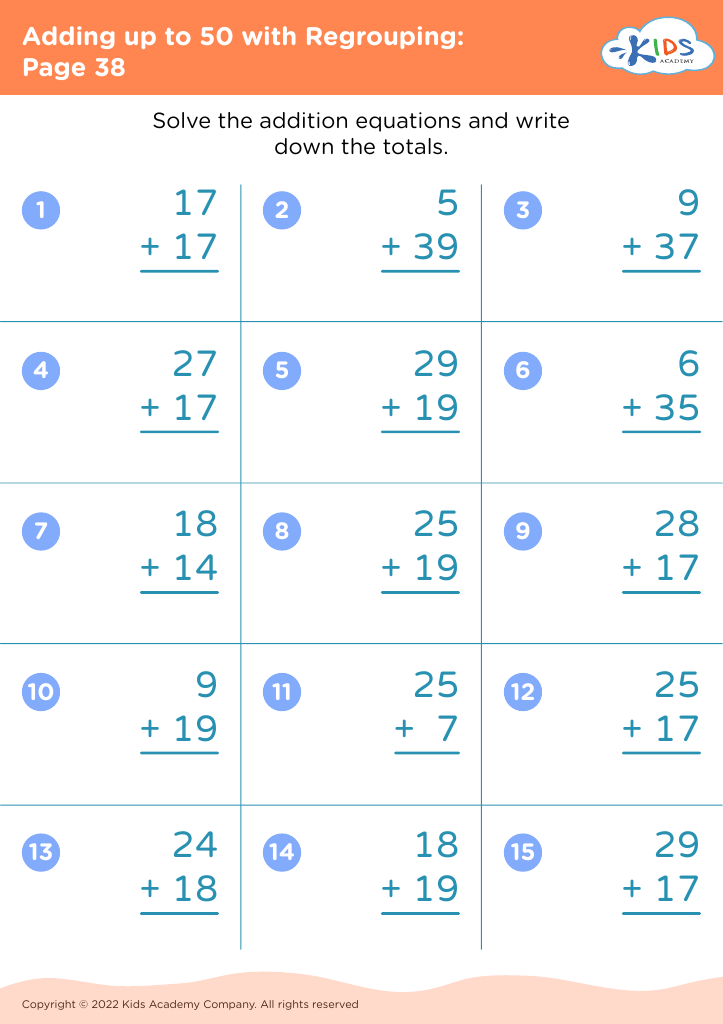
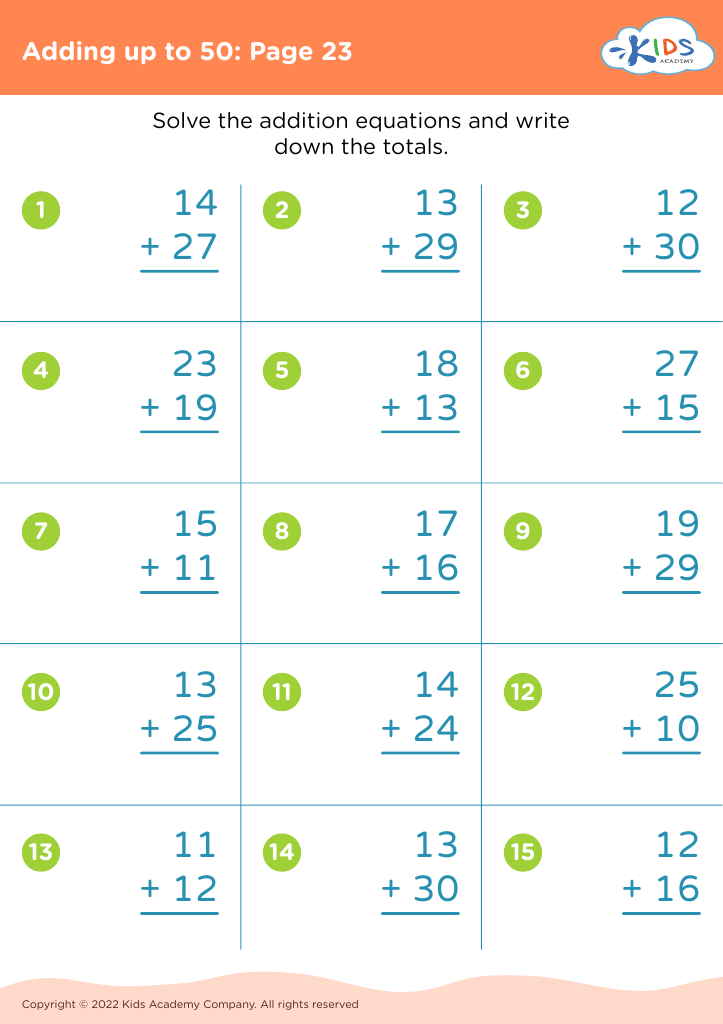
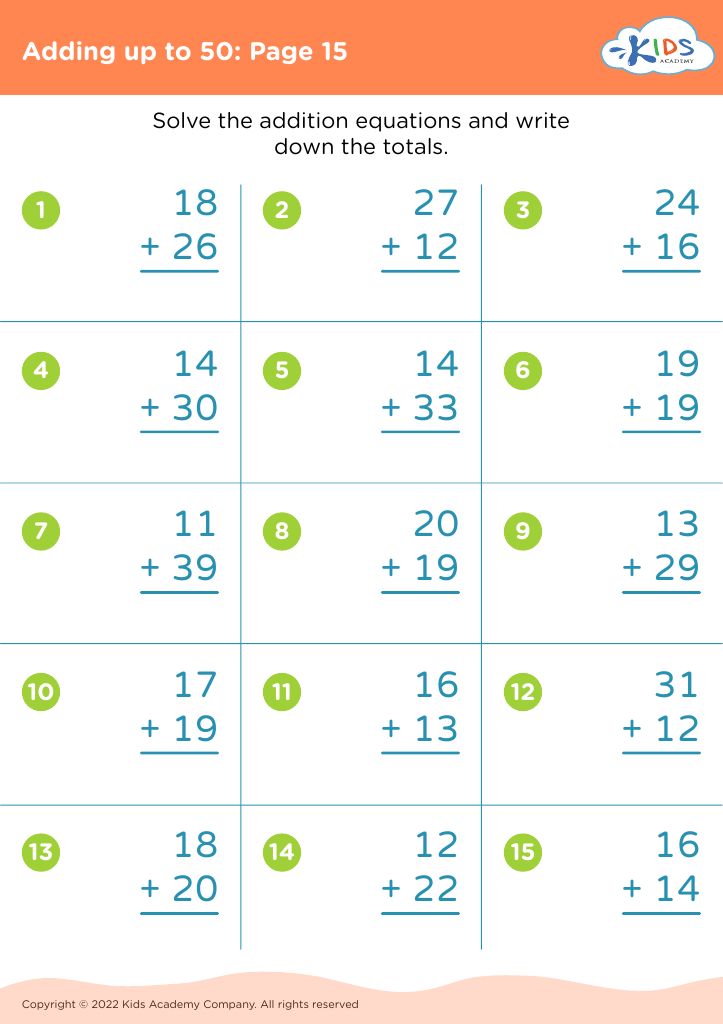
Explore our engaging Fraction Identification Addition Worksheets designed specifically for children ages 8-9! These worksheets provide a fun and interactive way for kids to understand and identify fractions while improving their addition skills. Each worksheet is carefully crafted to reinforce fundamental concepts, helping students master fraction identification through vibrant visuals and engaging exercises. Perfect for classroom use or at-home learning, these resources are essential for building mathematical confidence and proficiency. Help your child excel in math with our comprehensive, easy-to-use worksheets that make learning about fractions enjoyable! Visit our website and dive into a world of mathematical discovery today.
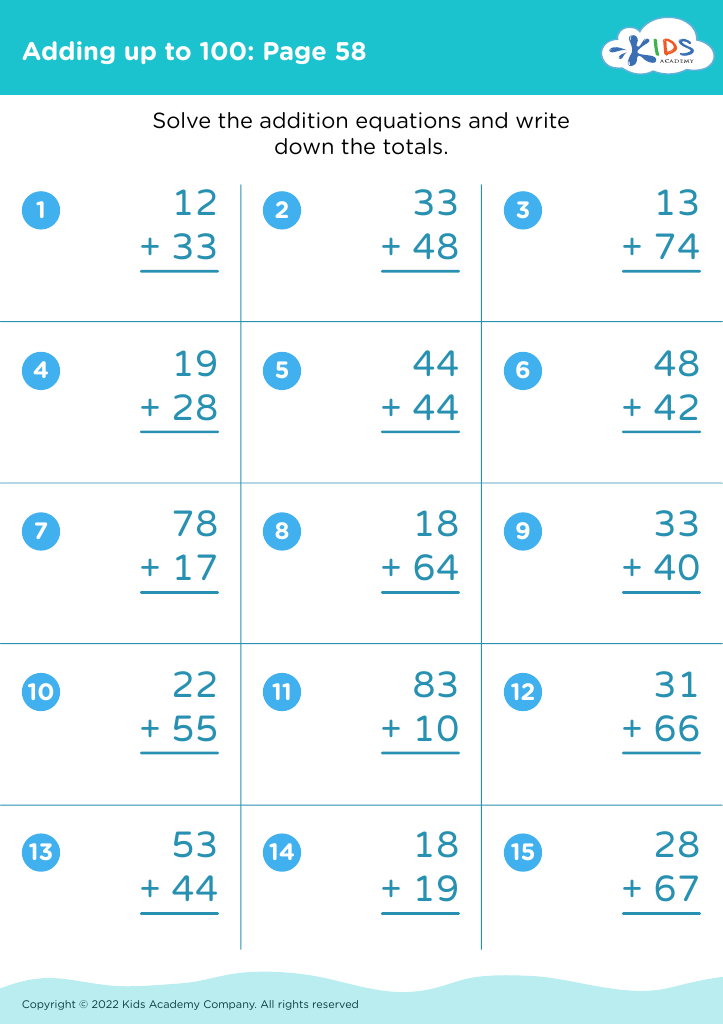



.jpg)

.jpg)


Parents and teachers should care about fraction identification and addition for children ages 8-9 because these foundational math skills are essential for their academic development and everyday problem-solving. At this age, children are beginning to build a deeper understanding of numbers and their relationships. Mastering fractions helps them comprehend larger mathematical concepts, such as ratios, percentages, and decimals, which are crucial in higher grades.
Understanding fractions teaches children how to represent parts of a whole, enhancing their ability to visualize and manipulate numbers. It also fosters critical thinking, as they learn to compare, identify equivalent fractions, and perform operations with them. Addition of fractions introduces them to the idea that numbers can represent more than just whole amounts, promoting flexibility in their thinking.
Moreover, fractions frequently appear in real-life situations, such as cooking, measuring, and budgeting. By grasping these concepts early, children become more confident in their abilities, paving the way for success in future math courses and improving their analytical skills. Encouraging an interest in fractions can also lead to enthusiasm for math, thus fostering a lifelong love for learning. Ultimately, ensuring children understand fraction identification and addition equips them with essential tools for academic and personal success.








