
Understand multiplication Addition Worksheets for Ages 8-9
6 filtered results
Difficulty Level
Grade
Age
-
From - To
Subject
Activity
Standards
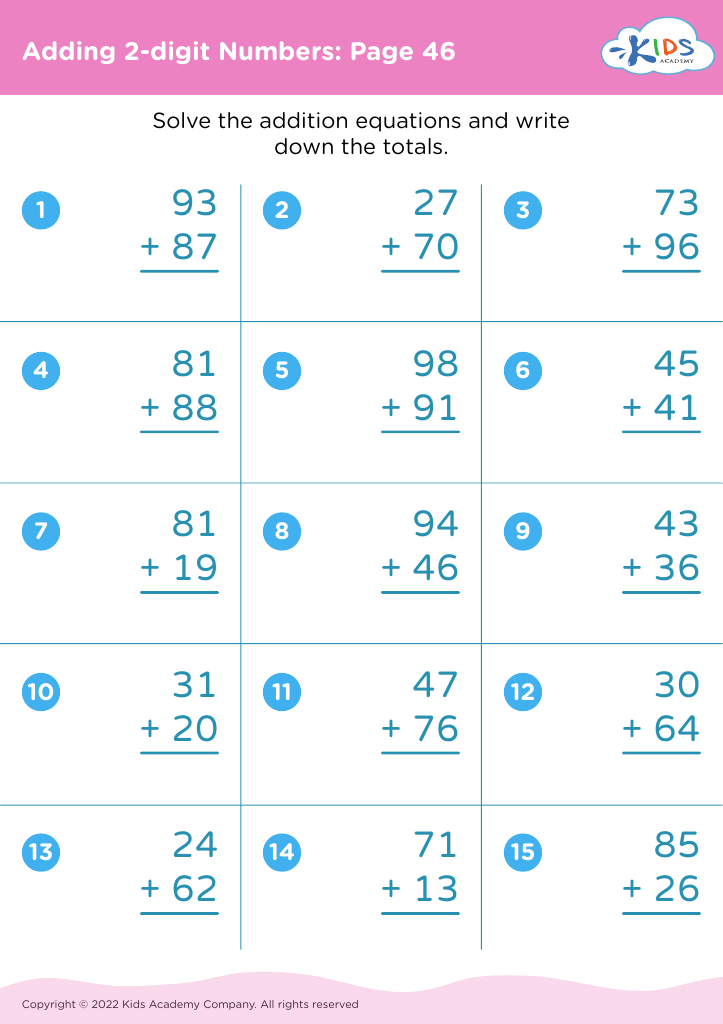
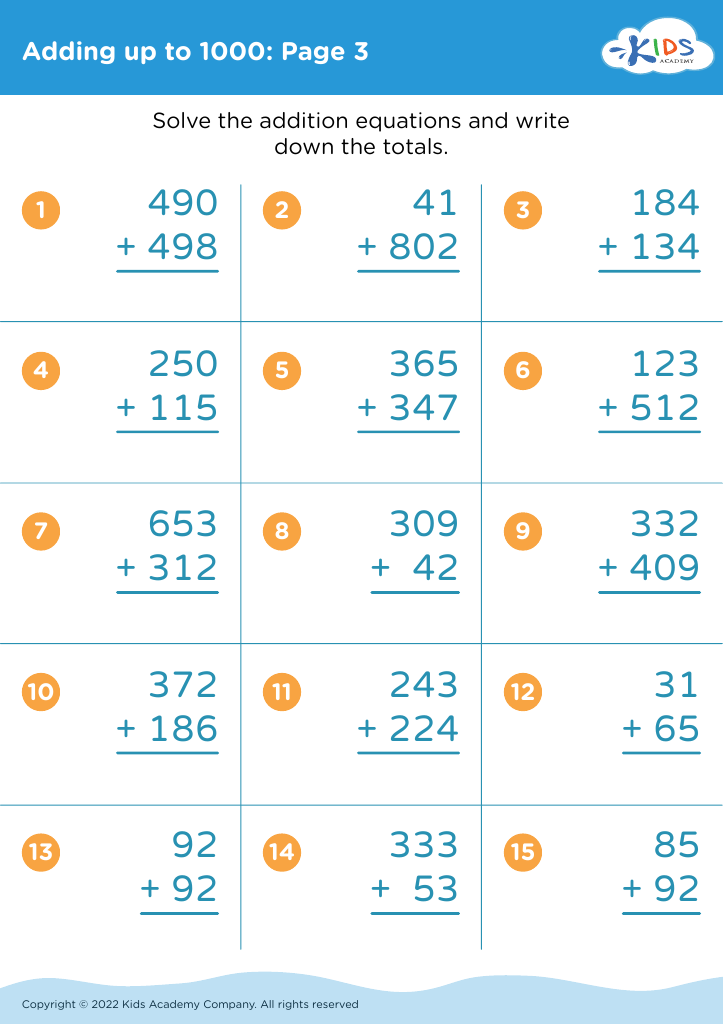
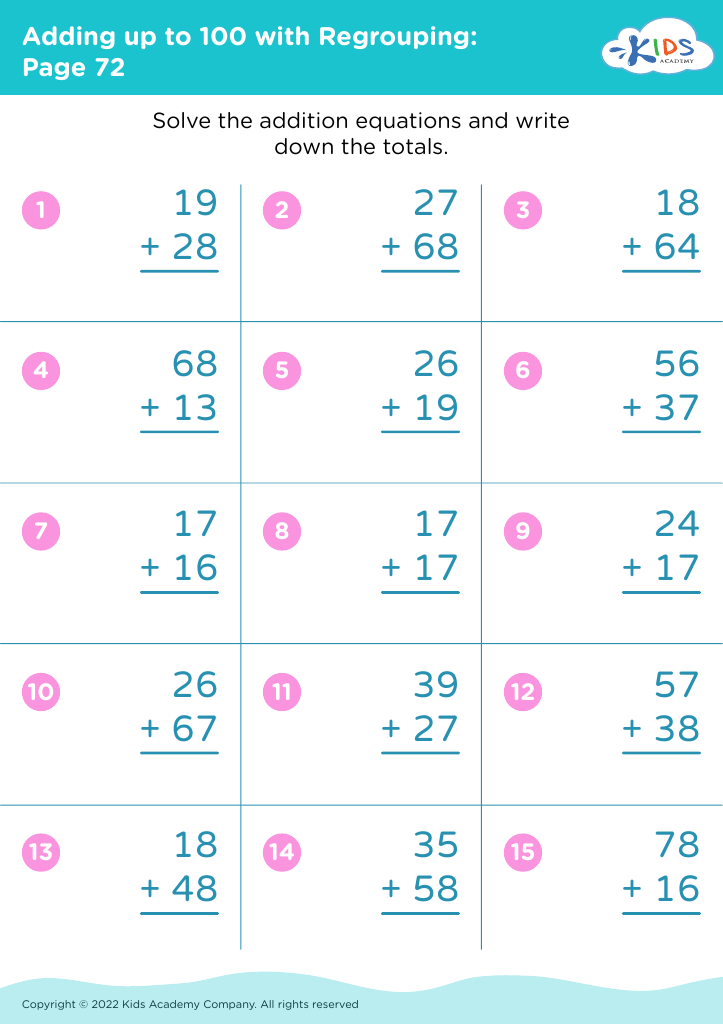
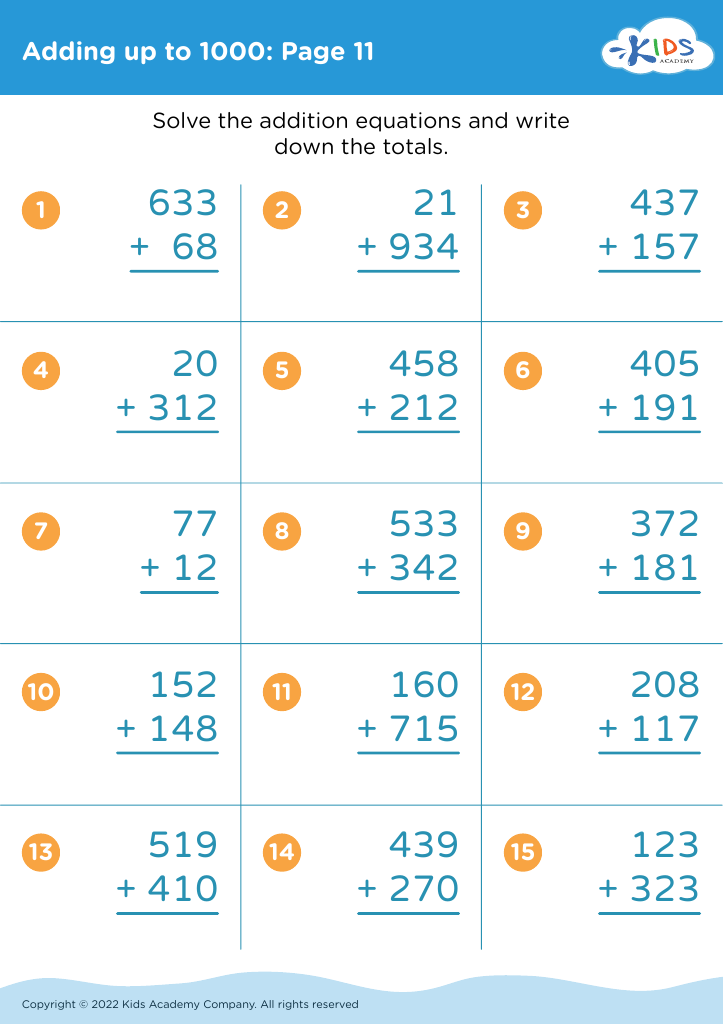
Discover our “Understand Multiplication Addition Worksheets” tailored specifically for children aged 8-9. These engaging worksheets provide an exciting way for young learners to grasp the foundational concepts of multiplication while reinforcing their addition skills. Designed with vibrant visuals and interactive exercises, these resources cater to different learning styles, making math both fun and accessible. Through hands-on activities and thought-provoking problems, children will enhance their problem-solving abilities and numerical comprehension. Perfect for classroom use or at-home practice, our worksheets ensure a solid understanding of multiplication and addition, setting the stage for advanced math skills in the future. Download and start the learning journey today!
Favorites
With answer key
Interactive
Join Kids Academy for Free
Who is primarily going to use this learning content?







Understanding multiplication and addition is crucial for children aged 8-9 as it lays the foundation for their future mathematical skills. During this developmental stage, children begin to grasp more complex mathematical concepts, and a strong grasp of these fundamental operations is essential.
Multiplication serves as a shortcut for repeated addition, and mastering it helps children develop their number sense and promote confidence in problem-solving. This not only aids in their academic performance but also fosters a positive attitude toward math in general. In practical terms, proficiency in multiplication and addition is invaluable in everyday situations such as budgeting, measuring, and planning, reinforcing the relevance of math beyond the classroom.
Moreover, strong mathematical skills at this age can lead to better academic outcomes in later years, as mathematics builds upon itself. The more confident children are in these early stages, the more likely they are to enjoy and excel in math-related subjects.
Additionally, engaging parents and teachers in this learning process ensures that children receive support both at home and in school. This collaborative approach establishes a consistent learning environment conducive to their mathematical development, setting them up for continued success in their education journey.








