
Word Recognition Addition Worksheets for Ages 8-9
4 filtered results
Difficulty Level
Grade
Age
-
From - To
Subject
Activity
Standards
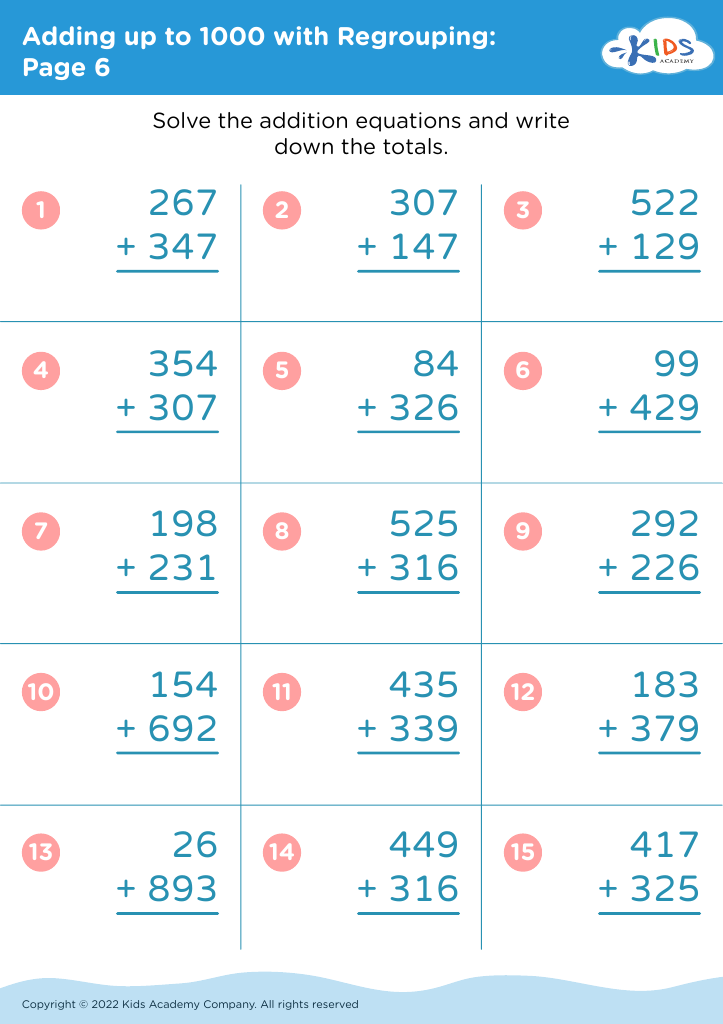
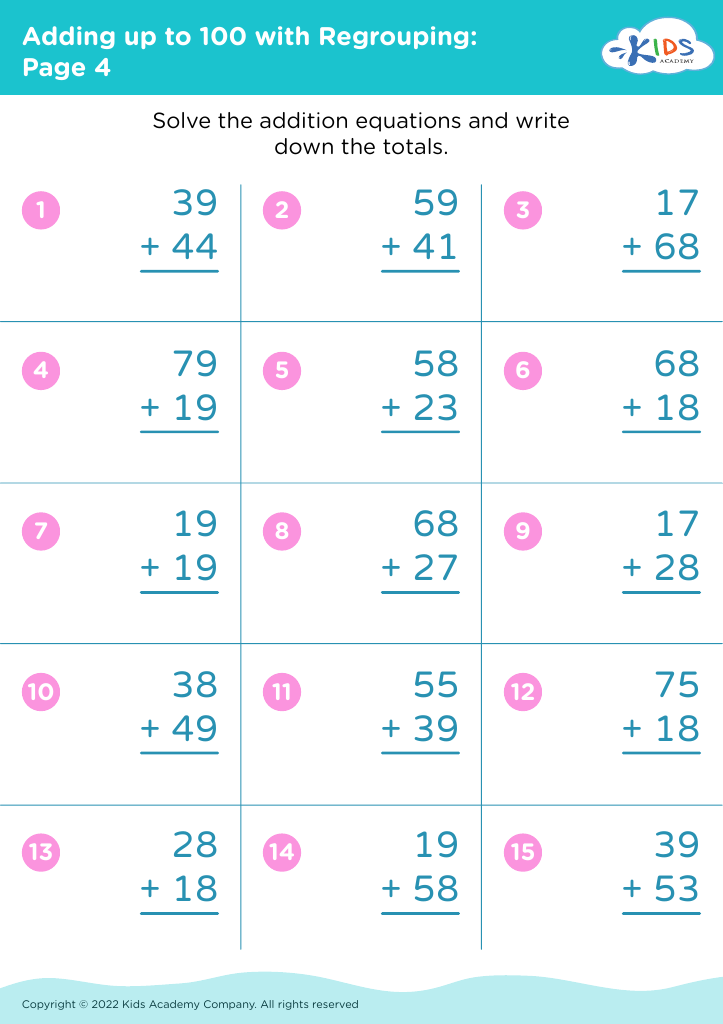
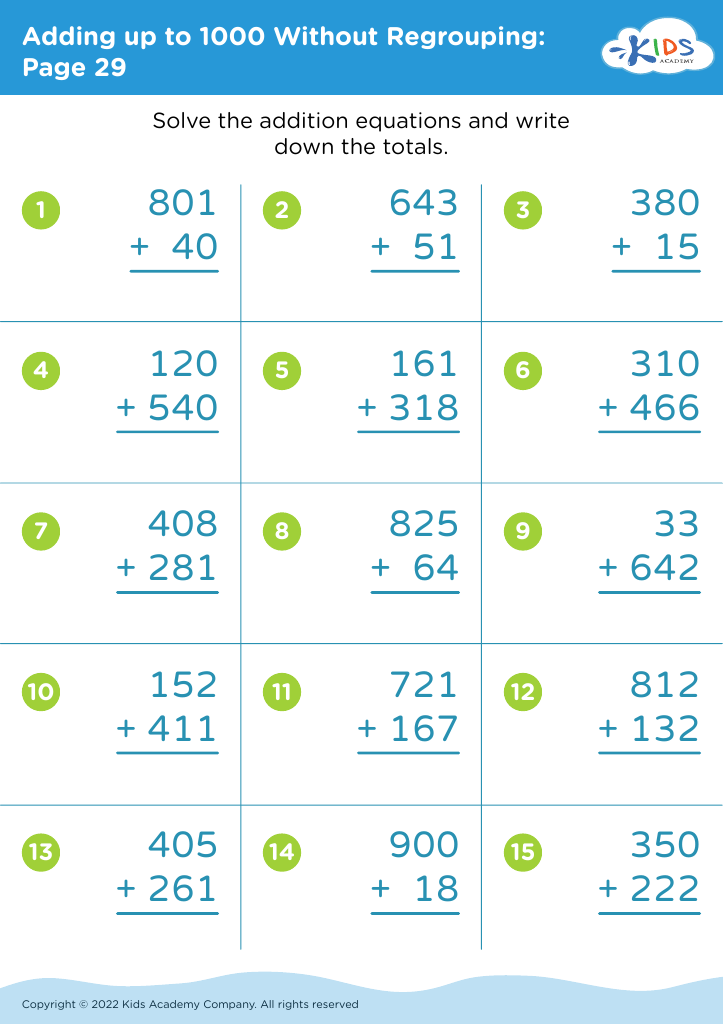
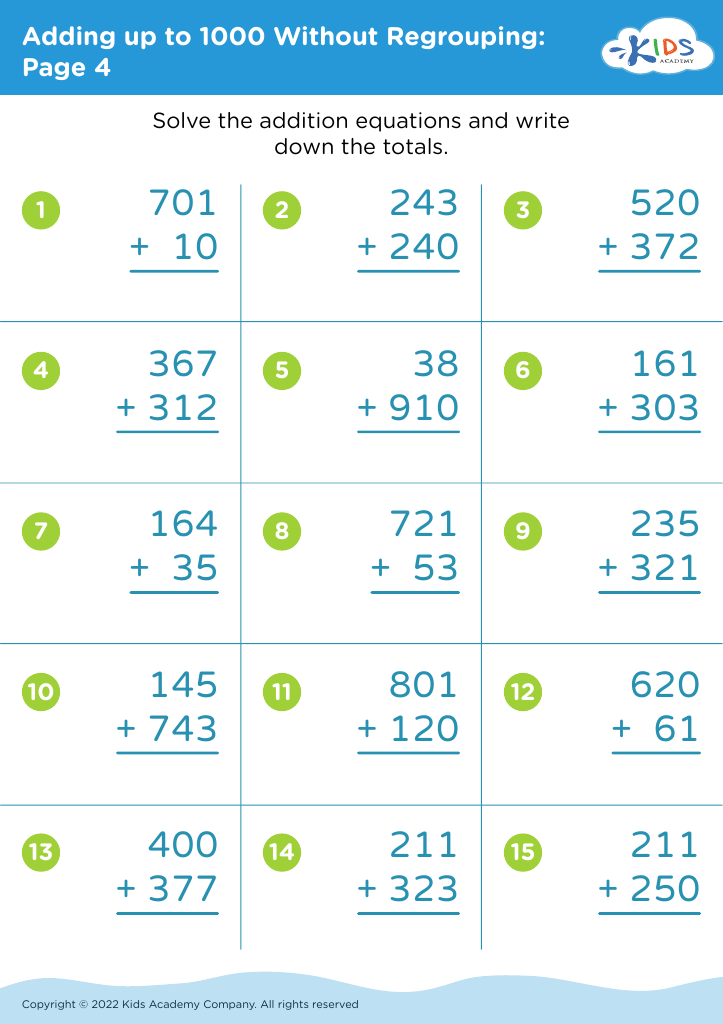
Enhance your child's math and language skills with our expertly designed Word Recognition Addition Worksheets for Ages 8-9. These worksheets uniquely blend math practice with word recognition, helping children improve both their arithmetic abilities and vocabulary. Perfect for 3rd graders, each worksheet reinforces key addition concepts while challenging them to identify and comprehend various words. Developed by educational experts, these engaging activities ensure that learning remains fun and effective. Ideal for classroom use or extra practice at home, our worksheets support your child's academic growth, fostering confidence in both math and literacy skills.
Explore our diverse collection today!
Favorites
With answer key
Interactive
Join Kids Academy for Free
Who is primarily going to use this learning content?








Word recognition at ages 8-9 is a crucial milestone that parents and teachers should prioritize. At this stage, children typically transition from learning to read to reading to learn, which means their ability to recognize words swiftly and accurately directly impacts their comprehension skills. When children can recognize words effortlessly, they free up cognitive resources to focus on understanding the text’s meaning, enriching their vocabulary and deepening their knowledge across subjects.
Moreover, strong word recognition skills bolster a child’s confidence and motivation to read, fostering a positive. mindset towards literacy early on. Consistent practice in word recognition also lays a foundational skill necessary for more complex literacy tasks later, such as writing and critical analysis. Without adequate word recognition skills, students may struggle, leading to frustration and potential setbacks in both academic and personal development.
Teachers should incorporate activities like games, flashcards, and daily reading sessions to reinforce these skills. Parents can support by providing a print-rich environment, reading together, and engaging in discussions about words and stories. Attentive cooperation between educators and parents ensures a robust support system that encourages children to develop and flourish in their reading capabilities. Enhancing word recognition at this critical age builds lifelong learners proficient in understanding and enjoying the written word.








