
Develop analytical thinking Math Worksheets for Ages 8-9
3 filtered results
Difficulty Level
Grade
Age
-
From - To
Subject
Activity
Standards
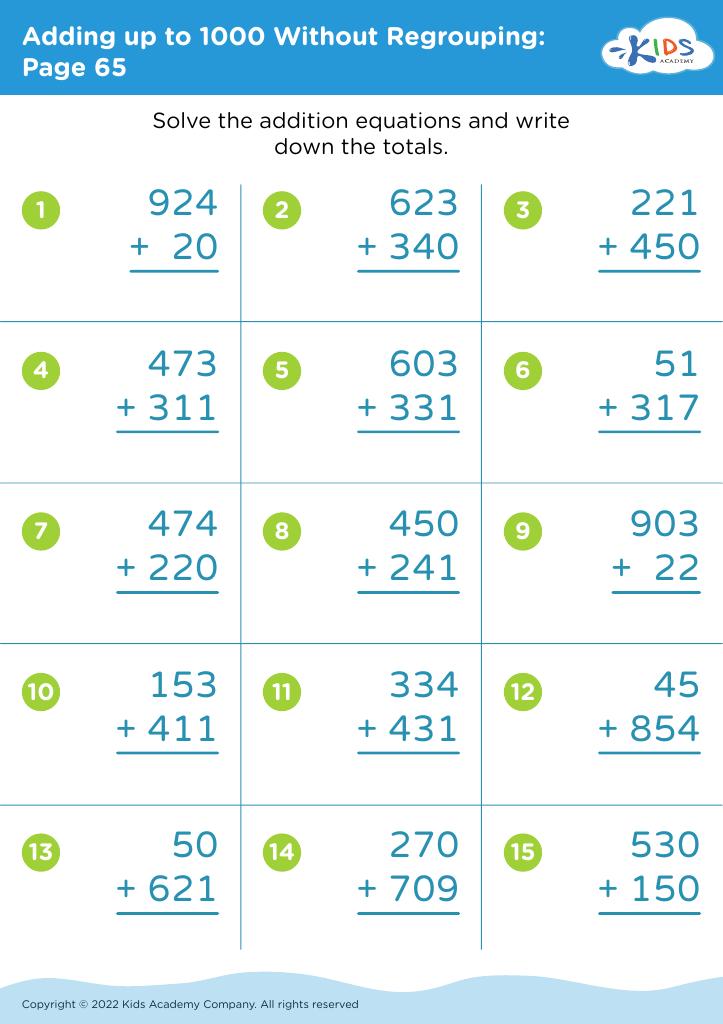
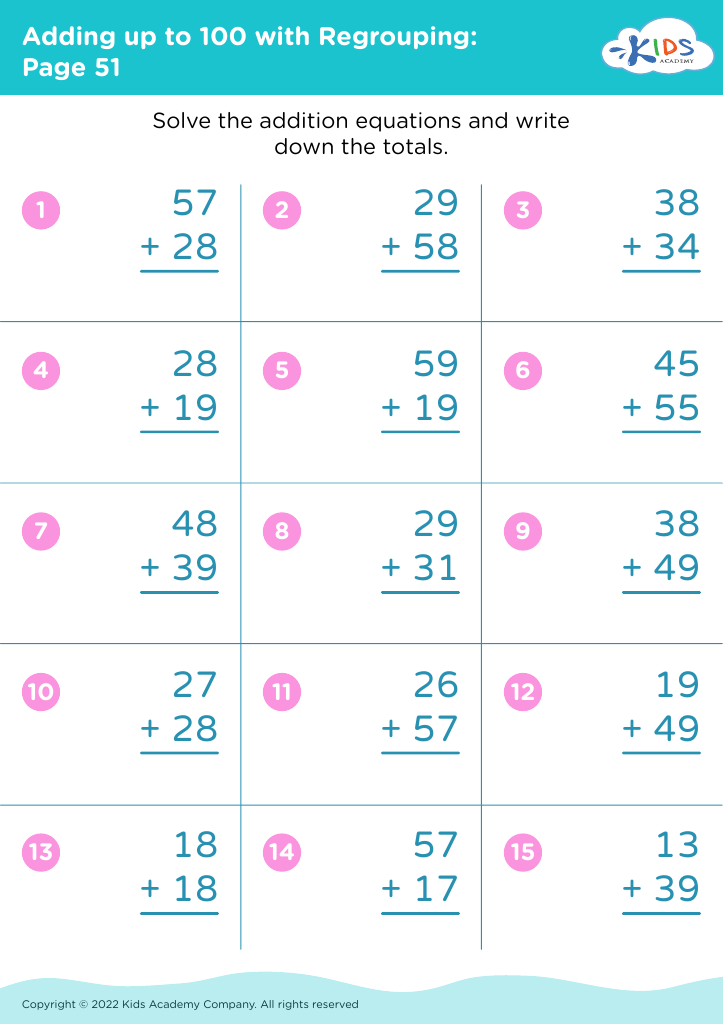
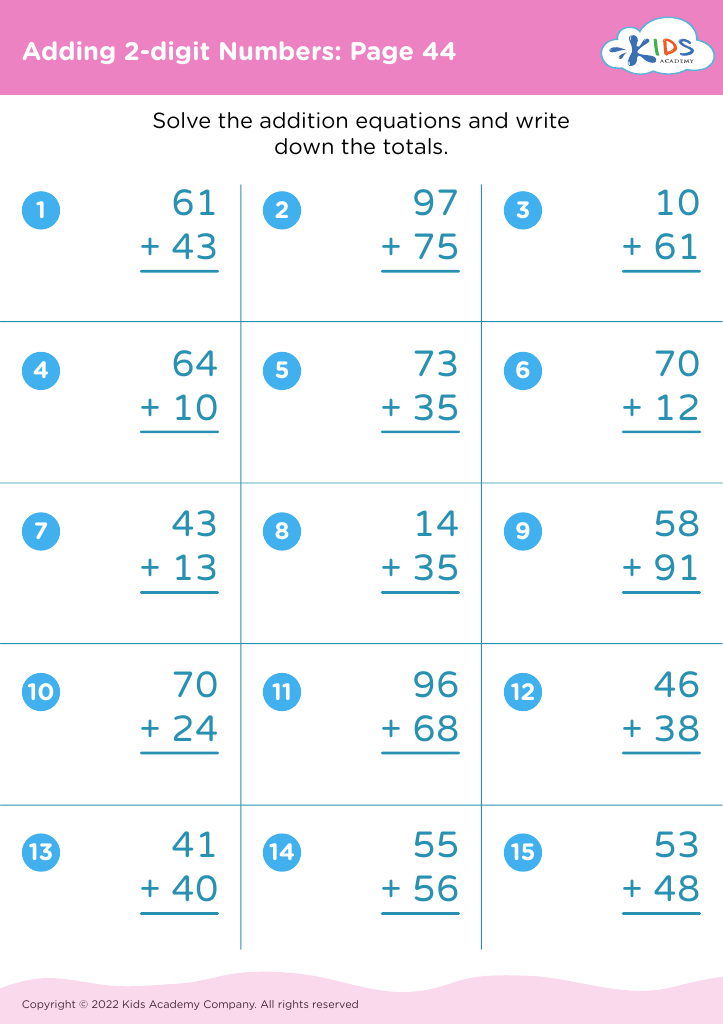
Unlock your child’s potential with our engaging analytical thinking math worksheets designed for ages 8-9. These thoughtfully crafted activities encourage critical thinking, problem-solving, and logical reasoning skills through fun, interactive challenges. Each worksheet includes a variety of problems that stimulate analytical skills, making math an exciting learning experience. Ideal for classroom reinforcement or at-home practice, our resources are aligned with educational standards to support your child's academic growth. Dive into the world of problem-solving and help your child thrive in mathematics! Explore our collection today to enhance their analytical abilities and set the foundation for future success.
Favorites
With answer key
Interactive
Join Kids Academy for Free
Who is primarily going to use this learning content?



.jpg)



Developing analytical thinking in math for ages 8-9 is crucial for fostering strong problem-solving skills that children will carry into their future academic and life endeavors. At this age, children are transitioning from concrete to more abstract thinking; they begin to learn not only how to solve problems but also to understand the 'why' behind various mathematical concepts. Teachers and parents should care because critical analytical thinking enhances a child's ability to approach challenges systematically.
This stage is pivotal for developing patterns, relationships, and the foundations of more complex math concepts that children will encounter later, such as algebra and geometry. Through engaging in activities that encourage analytical thinking, like puzzles, real-life math applications, and collaborative problem-solving, children learn to think critically and independently. These skills go beyond math; they encourage children to become resilient and resourceful learners.
Furthermore, strong analytical abilities lead to better academic performance overall, making it vital for parents and teachers to provide supportive environments and learning opportunities. When children develop these skills early on, they cultivate a lifelong love of learning and the confidence to tackle challenges in mathematics and beyond.








