Developing logical thinking Math Worksheets for Ages 8-9
6 filtered results
-
From - To
Enhance your child's problem-solving abilities with our expertly crafted Developing Logical Thinking Math Worksheets tailored for ages 8-9. These engaging activities promote critical thinking and analytical skills, preparing young learners for more advanced math concepts. Each worksheet poses intriguing challenges, from puzzles to complex word problems, designed to stimulate young minds and bolster their confidence. Empower your child with the tools they need to navigate math with ease and enjoyment. Perfect for reinforcing classroom learning or extra practice at home, our worksheets make mastering logical thinking fun and achievable. Encourage your child's success in math today!
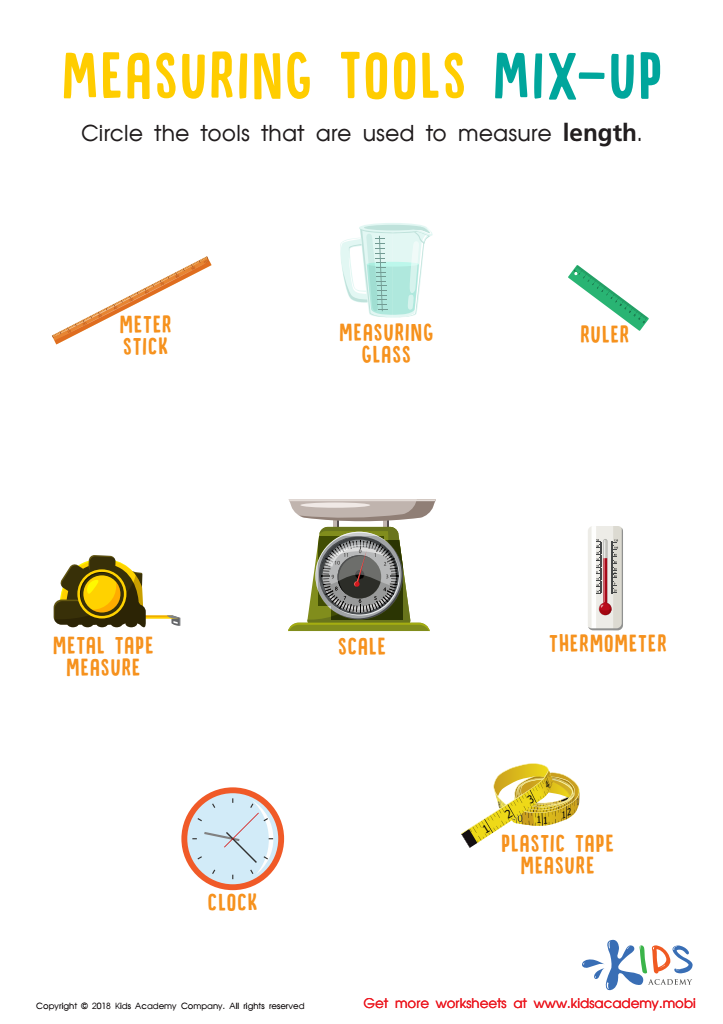
Measuring Tools Mix–up Worksheet
 Assign to My Students
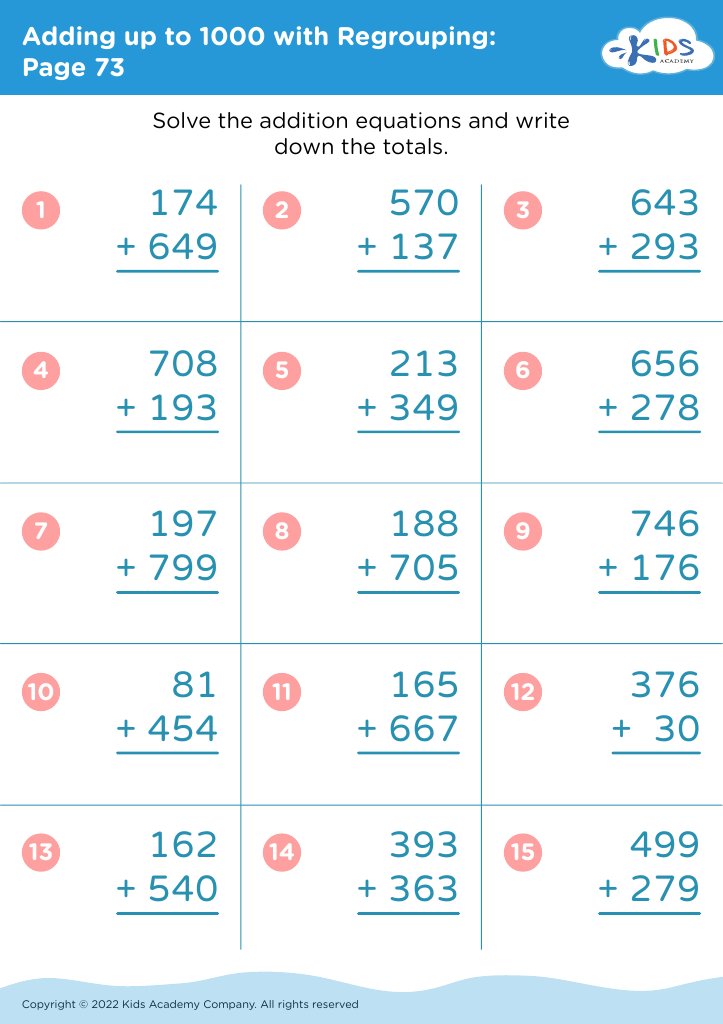
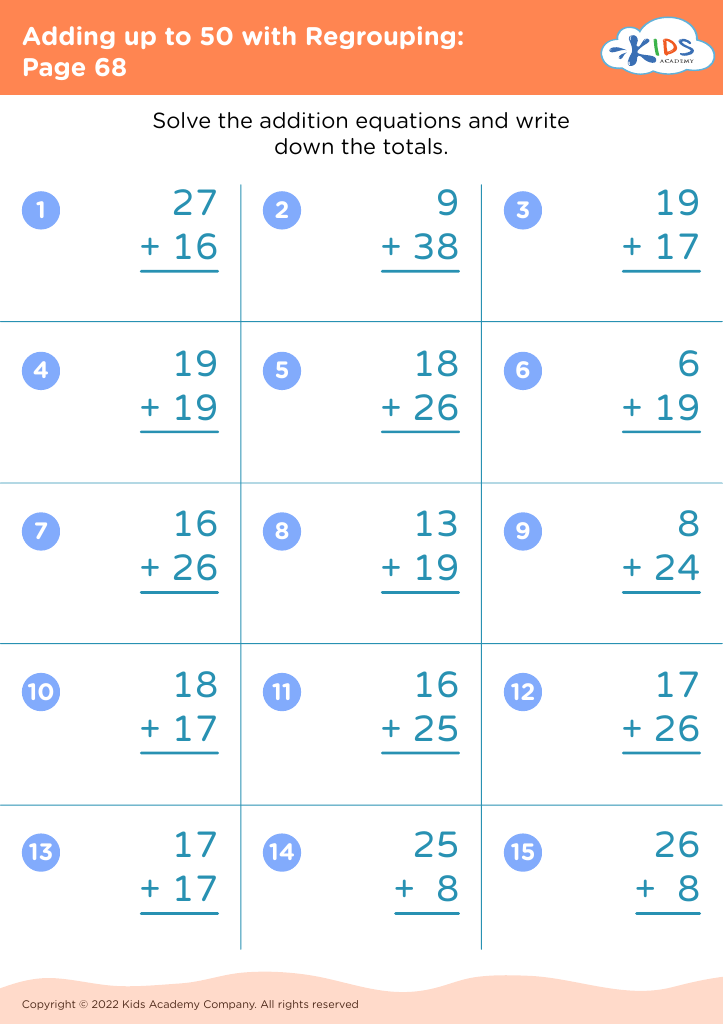
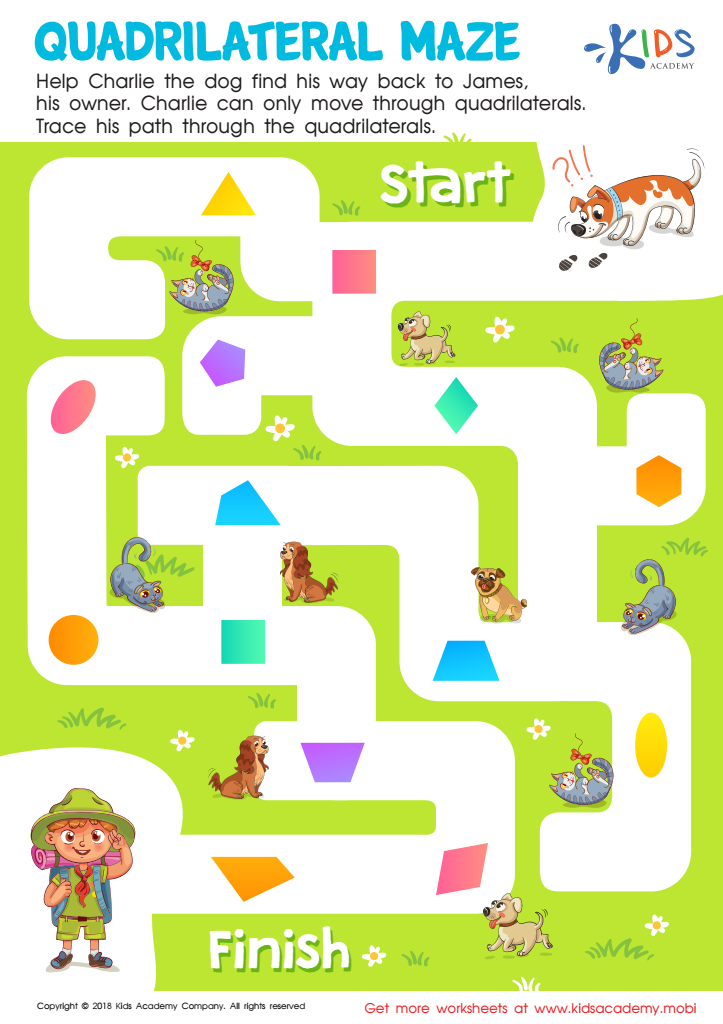
Quadrilateral Maze Worksheet
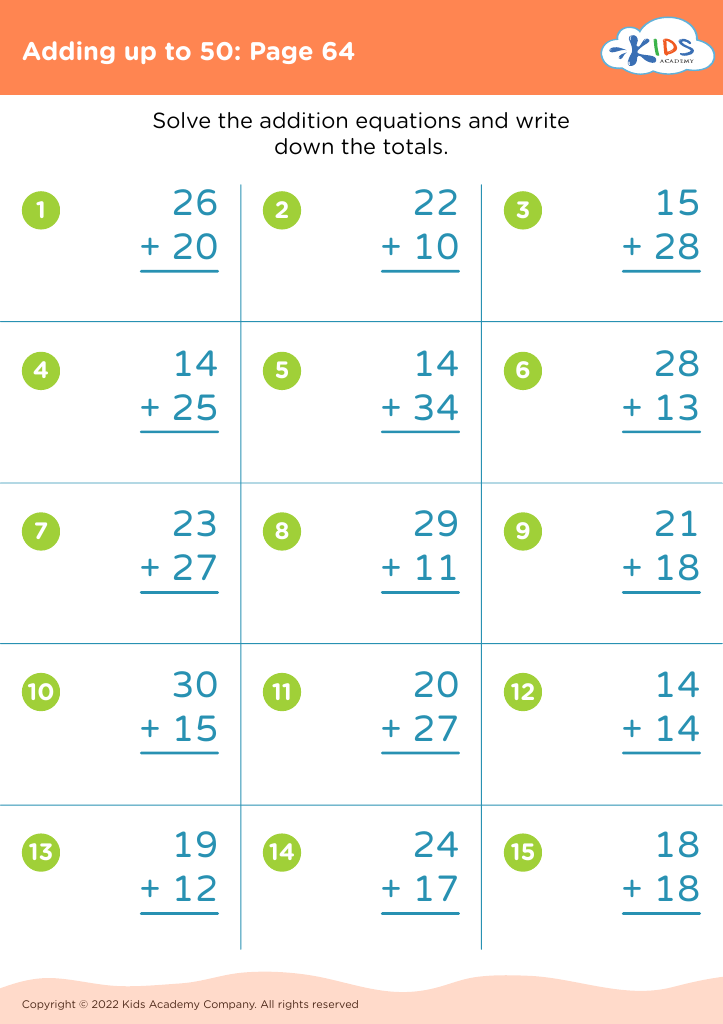
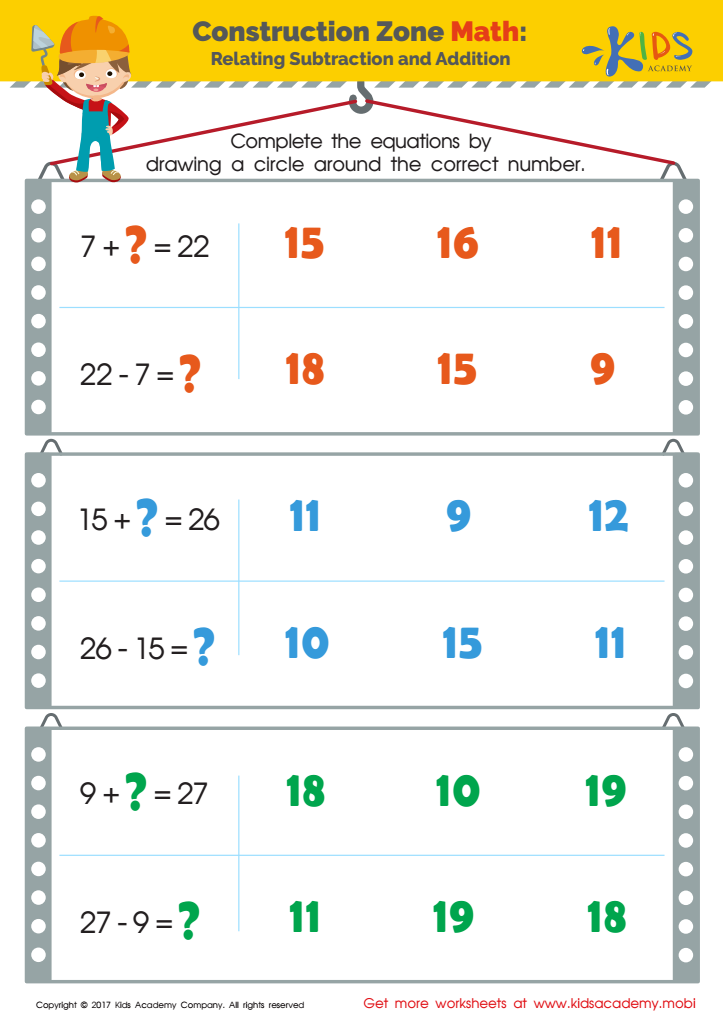
Related Addition and Subtraction Facts Worksheet








Developing logical thinking in math for ages 8-9 is crucial as it lays a solid foundation for lifelong learning and problem-solving skills. At this stage, children are transitioning from concrete to more abstract thinking. By nurturing logical thinking in math, parents and teachers equip children with essential cognitive skills that extend beyond the subject itself.
Logical reasoning helps children better understand mathematical concepts and apply them more effectively. It encourages them to ask 'why' and 'how,' fostering a mindset that seeks to understand the principles behind problems rather than memorize solutions. This approach not only builds confidence but also makes learning math a more enjoyable and meaningful experience.
Moreover, strong logical thinking skills are transferable. They enhance children's ability to sequence events, classify objects, and organize information, all of which are critical in subjects such as science, reading, and even in day-to-day activities. As children learn to approach problems systematically and consider multiple solutions, they become more resilient learners, capable of tackling complex challenges.
In a rapidly changing world, the ability to think logically and solve problems creatively is invaluable. Early development in logical thinking sets the stage for academic success, nurtures curiosity, and equips children with skills that will be essential throughout their education and beyond.








