Drawing skills Math Worksheets for Ages 8-9
6 filtered results
-
From - To
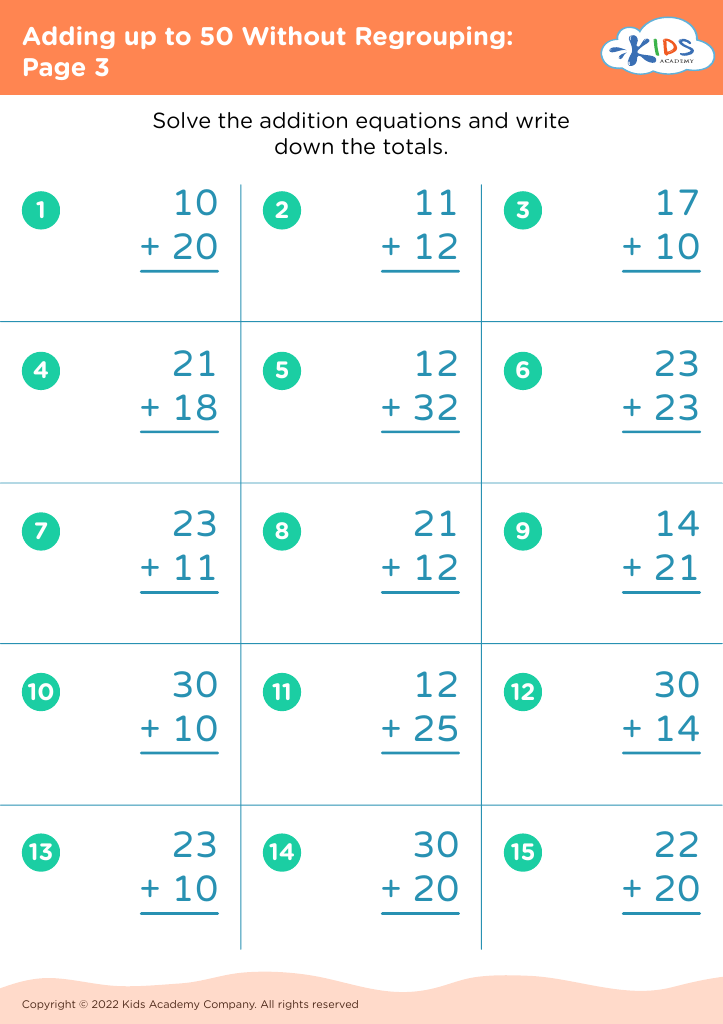
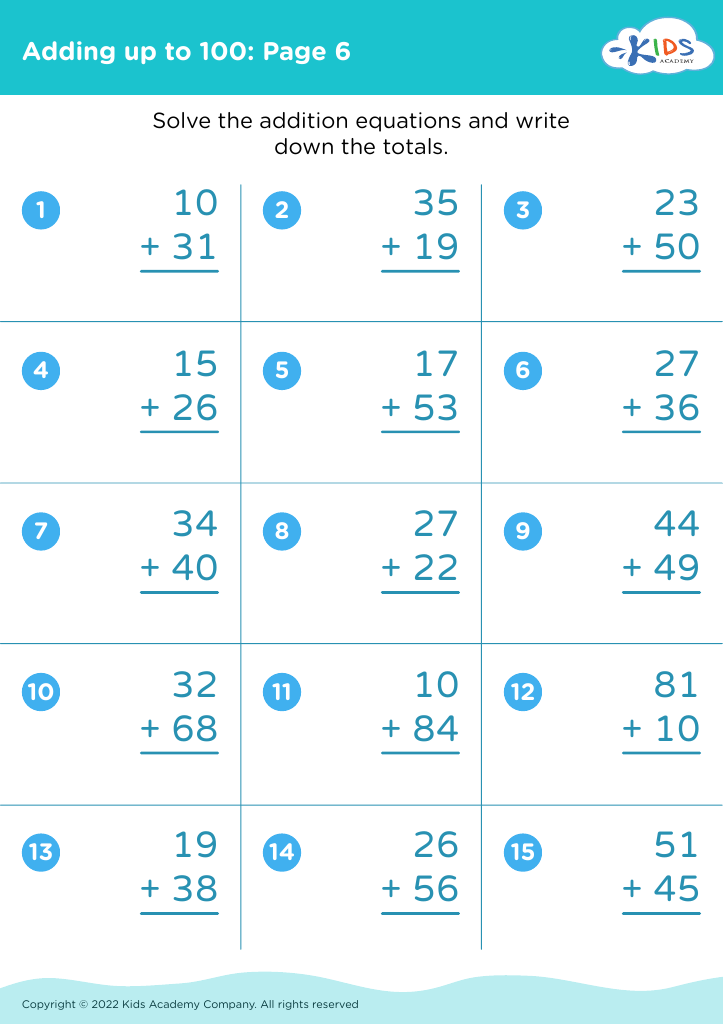
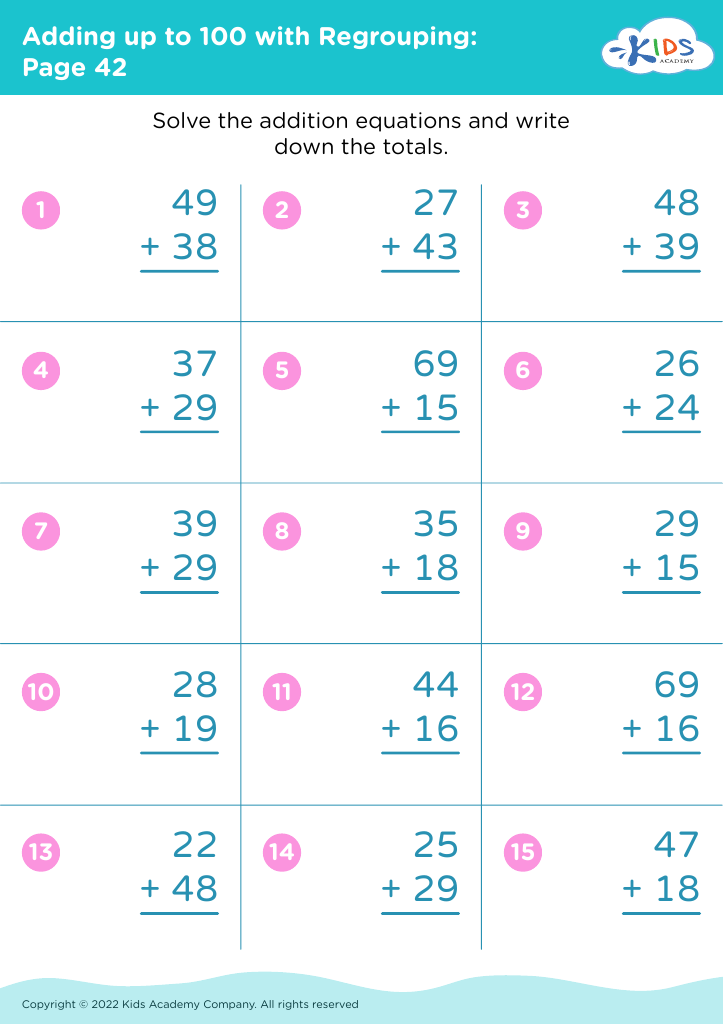
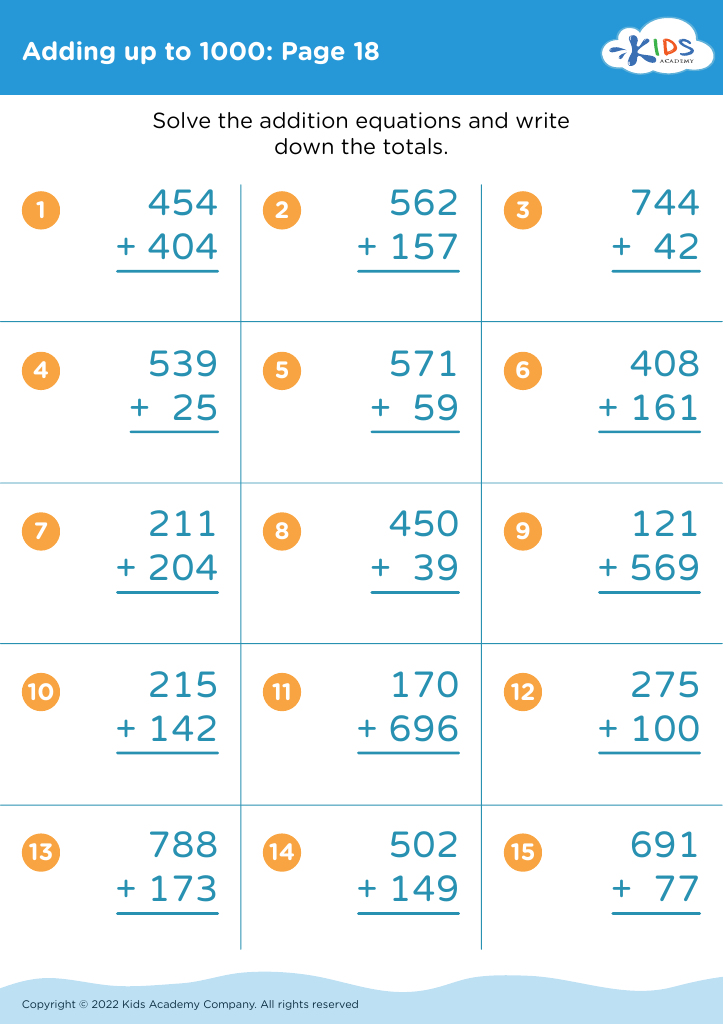
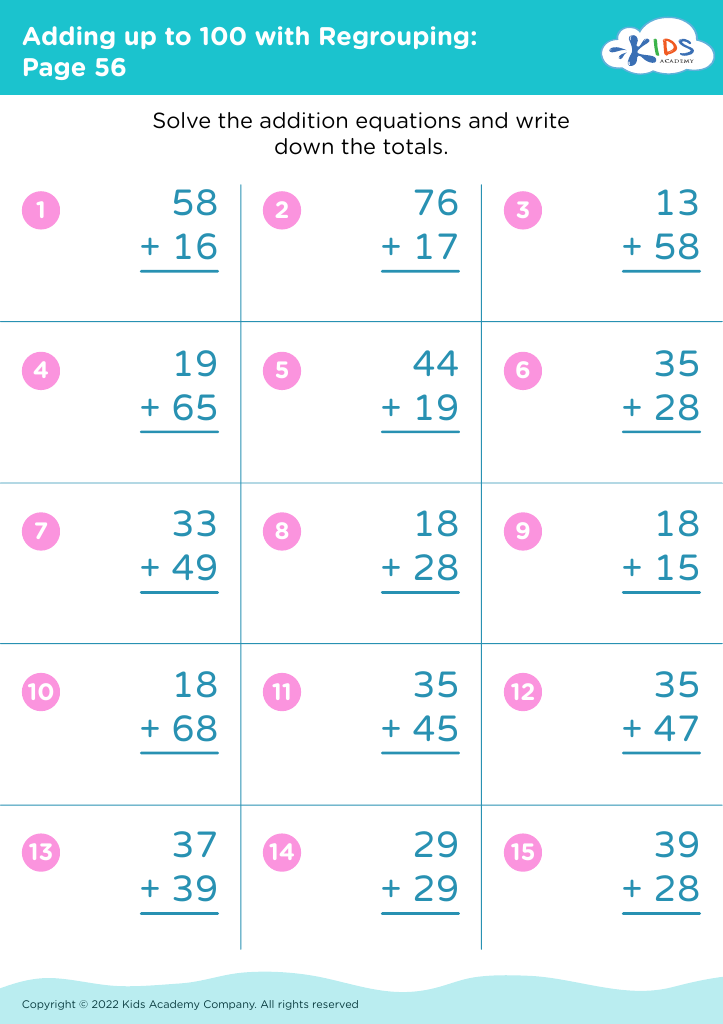
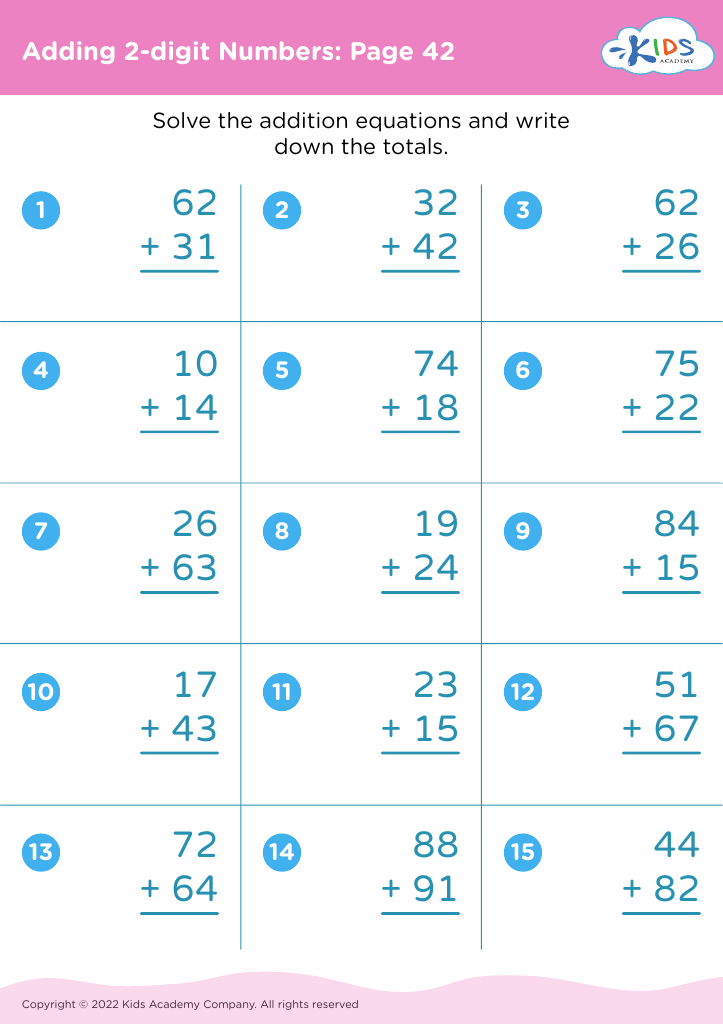
Enhance your child's creativity and math skills with our Drawing Skills Math Worksheets, tailored for ages 8-9. These engaging worksheets blend artistic expression with essential mathematical concepts, helping young learners visualize and apply their knowledge in fun, interactive ways. From shape recognition to simple additions and subtractions, each activity guides children through drawing and connecting math to real-life scenarios. Perfect for classroom or home use, our resources promote critical thinking and improve coordination while fostering a love for learning. Empower your child to explore math through art and watch their confidence grow! Download now and inspire creativity in every math lesson.








Drawing skills play a crucial role in enhancing mathematical understanding for children aged 8-9. At this developmental stage, children begin to transition from concrete to abstract thinking, making it essential to provide them with multifaceted ways to comprehend mathematical concepts. Drawing allows students to visualize complex ideas, such as shapes, patterns, and spatial relationships, fostering a deeper grasp of these essential mathematical principles.
Moreover, drawing serves as a means of self-expression, encouraging creativity that can lead to increased engagement and enthusiasm for learning. When children illustrate mathematical problems, they strengthen their problem-solving skills as they depict scenarios or break down complex tasks into manageable parts. This hands-on approach engages multiple learning styles, catering to visual learners who may struggle with traditional abstract methods.
Additionally, combining drawing and math nurtures fine motor skills, boosting hand-eye coordination and concentration. Parents and teachers should prioritize these skills as they aid not only in mathematics but contribute to overall cognitive and motor development. Encouraging children to draw as a way of exploring mathematics empowers them to express their understanding and fosters a richer, more enjoyable learning experience. By integrating drawing into math education, we can cultivate a love for learning that lasts a lifetime.








