Enhancing observation skills Math Worksheets for Ages 8-9
5 filtered results
-
From - To
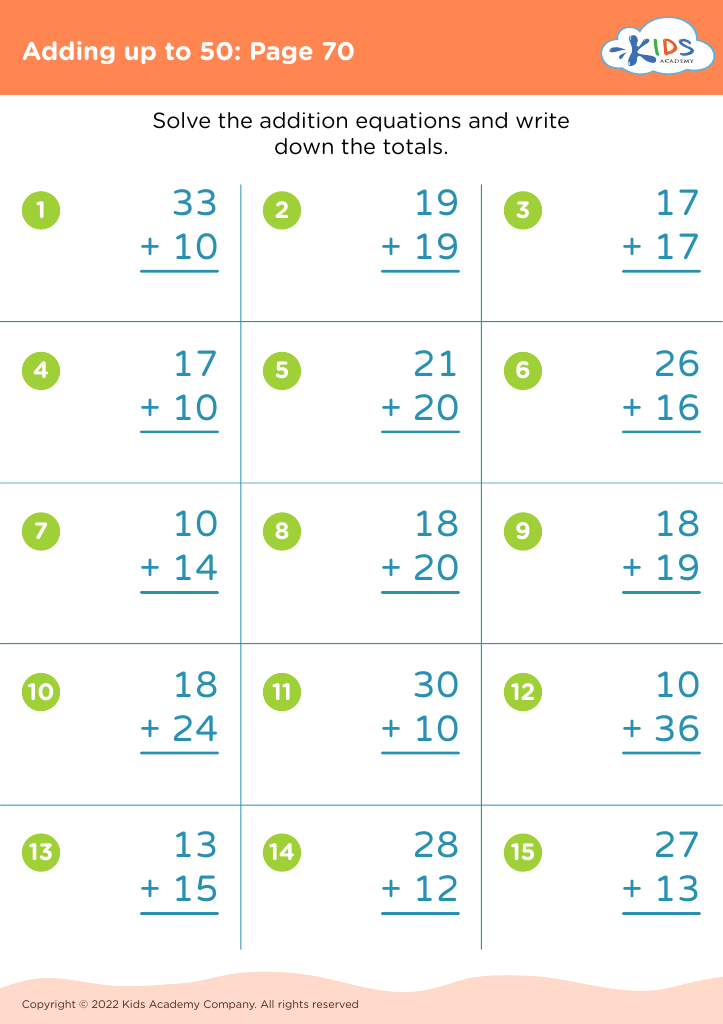
Discover our engaging "Enhancing Observation Skills Math Worksheets" designed for children aged 8-9. These worksheets focus on developing crucial observation skills through a variety of math-related activities. By encouraging students to closely examine patterns, relationships, and details in numbers and shapes, our resources cultivate analytical thinking and attention to detail. Each worksheet is crafted to be fun and challenging, providing an interactive way for young learners to improve their math proficiency while sharpening their observational abilities. Perfect for classroom assignments or at-home practice, these worksheets ensure that observation skills are seamlessly integrated into the learning of essential math concepts.
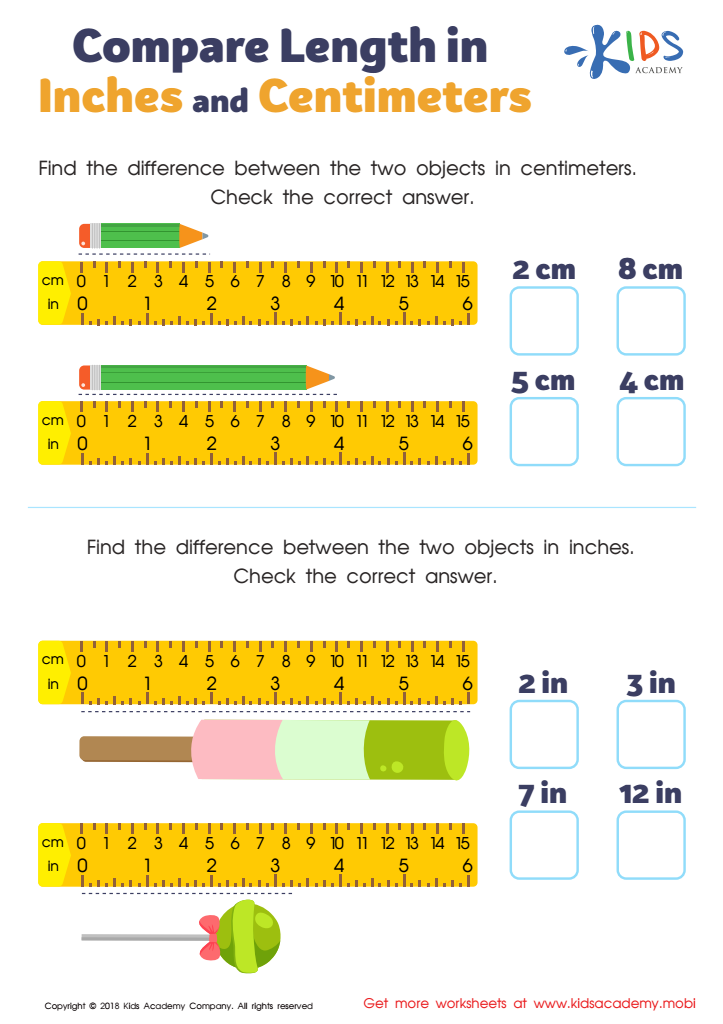
Compare Length in Inches and Centimeters Worksheet
 Assign to My Students
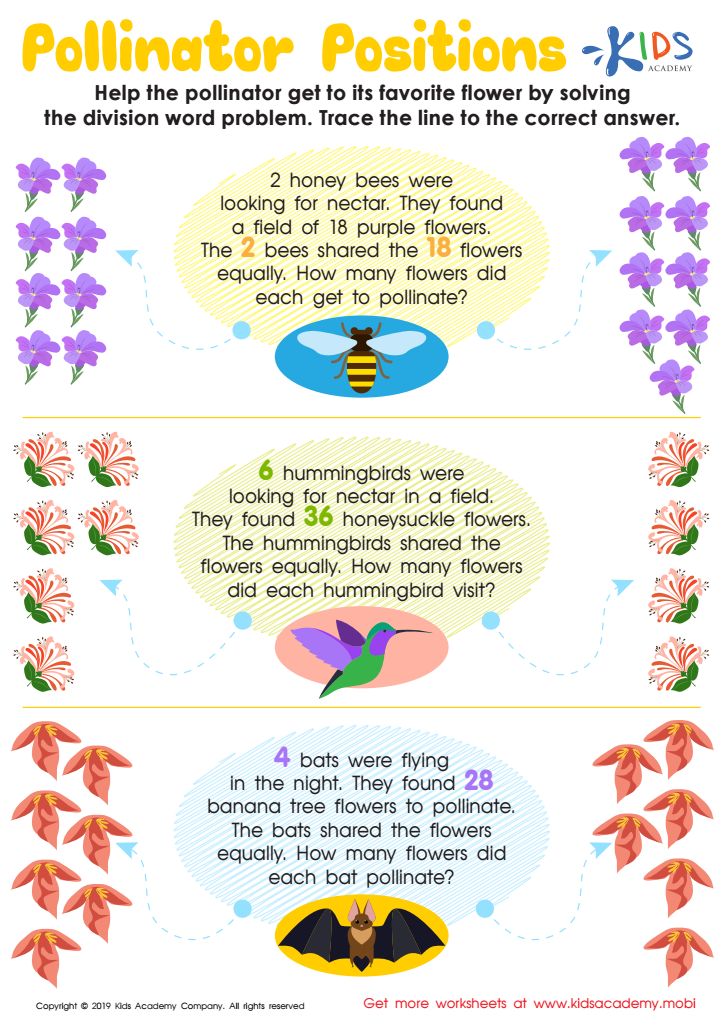
Pollinator Positions Worksheet
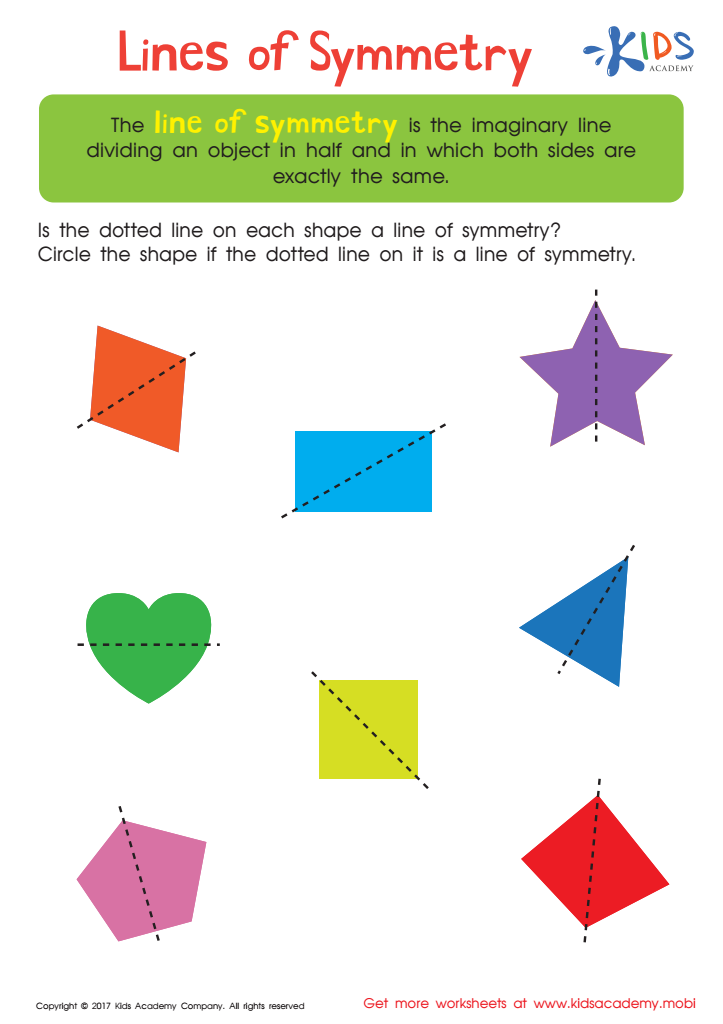
Lines of Symmetry Printable
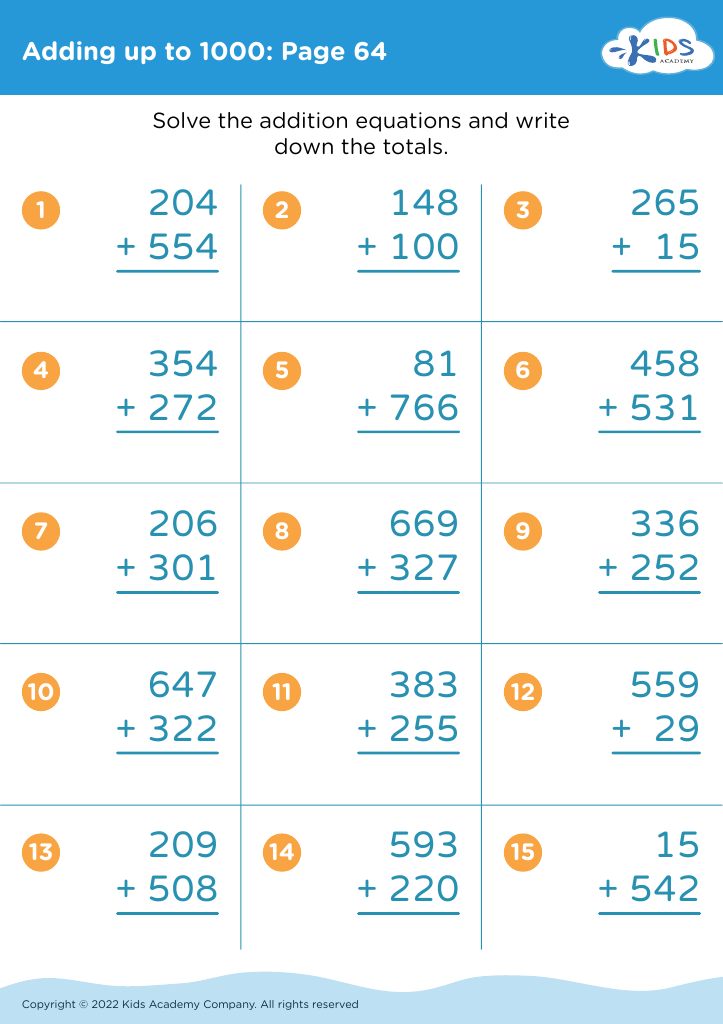







Enhancing observation skills in math for children ages 8-9 is crucial for several reasons. At this developmental stage, children transition from concrete to more abstract mathematical concepts, making keen observation essential. Improved observation skills allow them to notice patterns, relationships, and trends in numbers, which are foundational for problem-solving and critical thinking.
Parents and teachers should care about fostering these skills because observation lays the groundwork for a deeper understanding of mathematical principles. Engaging children in activities that require careful observation— such as measuring, sorting, or identifying shapes—builds their ability to analyze data, draw conclusions, and make predictions. Furthermore, these skills bolster overall learning, as children learn to see the relevance of math in everyday life, fostering a positive attitude towards the subject.
Additionally, observation skills promote collaboration and communication among peers during group activities. This cooperative learning environment not only enhances individual understanding but also encourages social development. Supporting children in honing their observation skills in math is a valuable investment in their academic journey, equipping them with tools they will use throughout their education and daily lives. Ultimately, fostering these skills cultivates confident, independent learners ready to tackle more complex mathematical challenges.








