Enhancing problem-solving abilities Math Worksheets for Ages 8-9
11 filtered results
-
From - To
Discover our engaging "Enhancing Problem-Solving Abilities" math worksheets designed specifically for ages 8-9! These worksheets provide a rich array of challenging problems that encourage critical thinking and strategic reasoning. Students will tackle real-world scenarios, develop their ingenuity in math, and enhance their independent problem-solving skills. With clear instructions and colorful illustrations, these worksheets make math fun and accessible. Ideal for classroom activities or home learning, they support vital cognitive development and foster confidence in young learners. Elevate your child's math experience with our thoughtfully crafted resources and watch them thrive as they conquer challenges with ease!
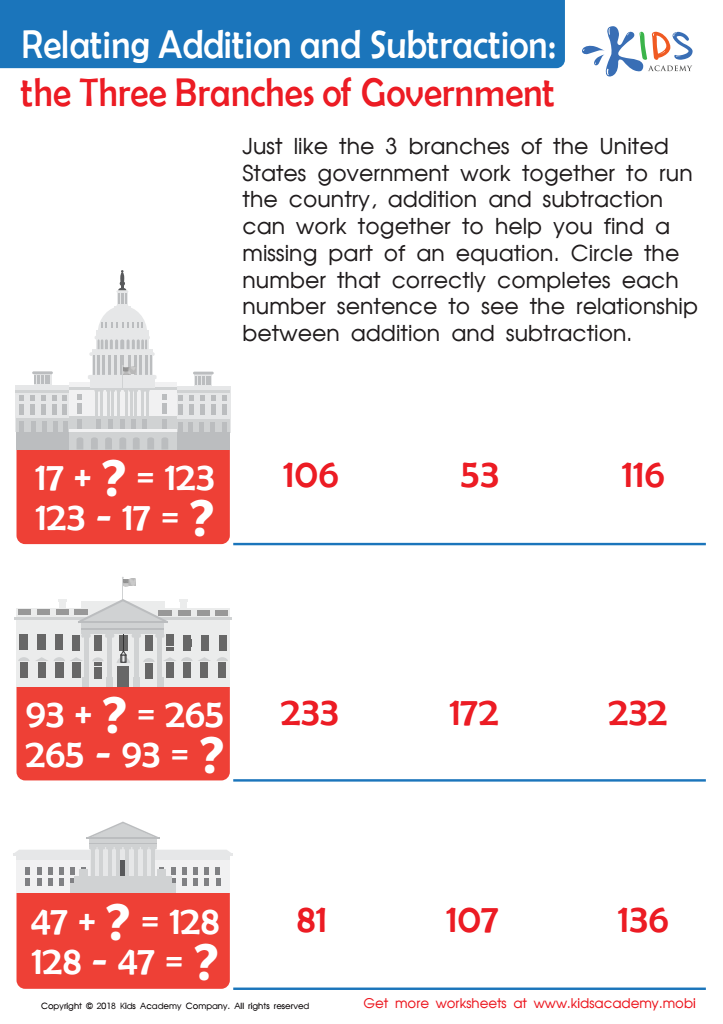
The Three Branches of Government Worksheet
 Assign to My Students
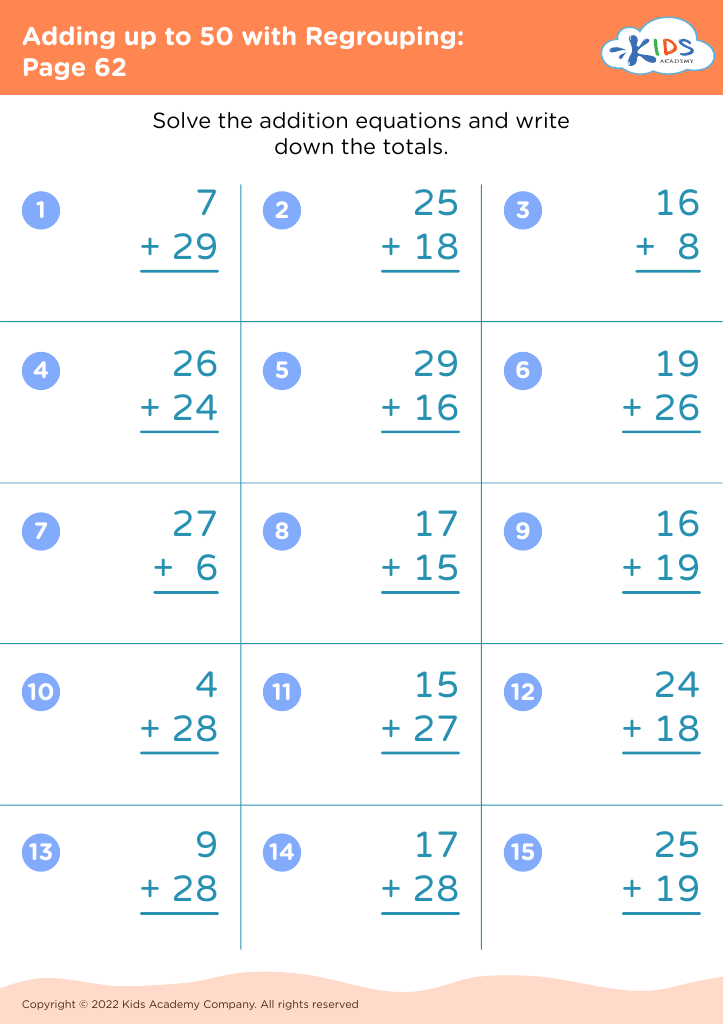
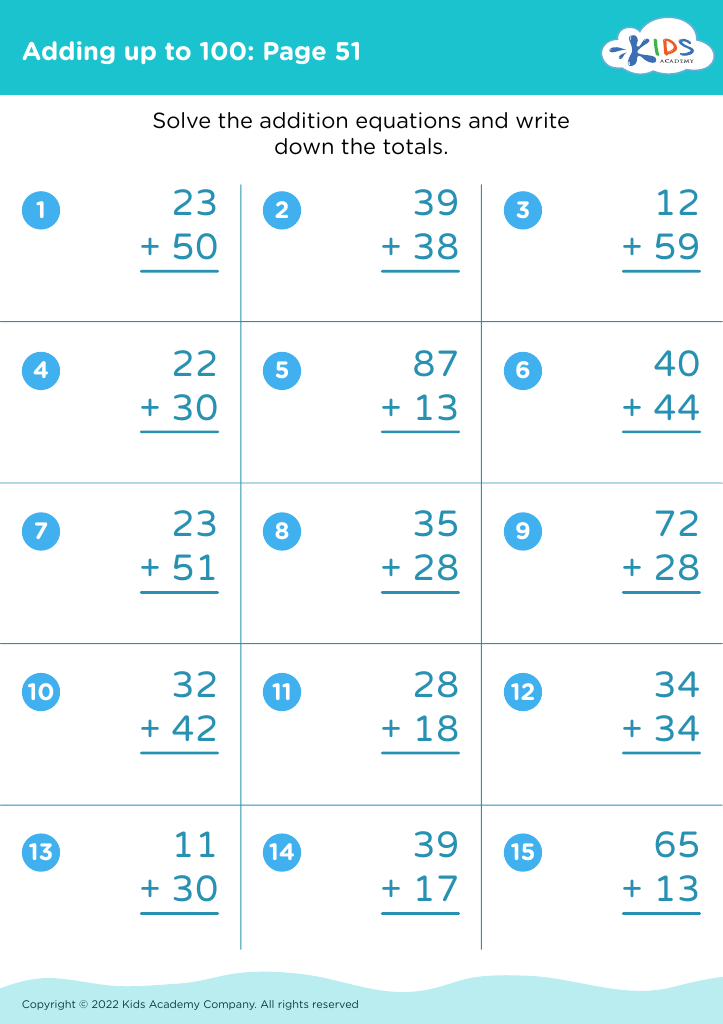
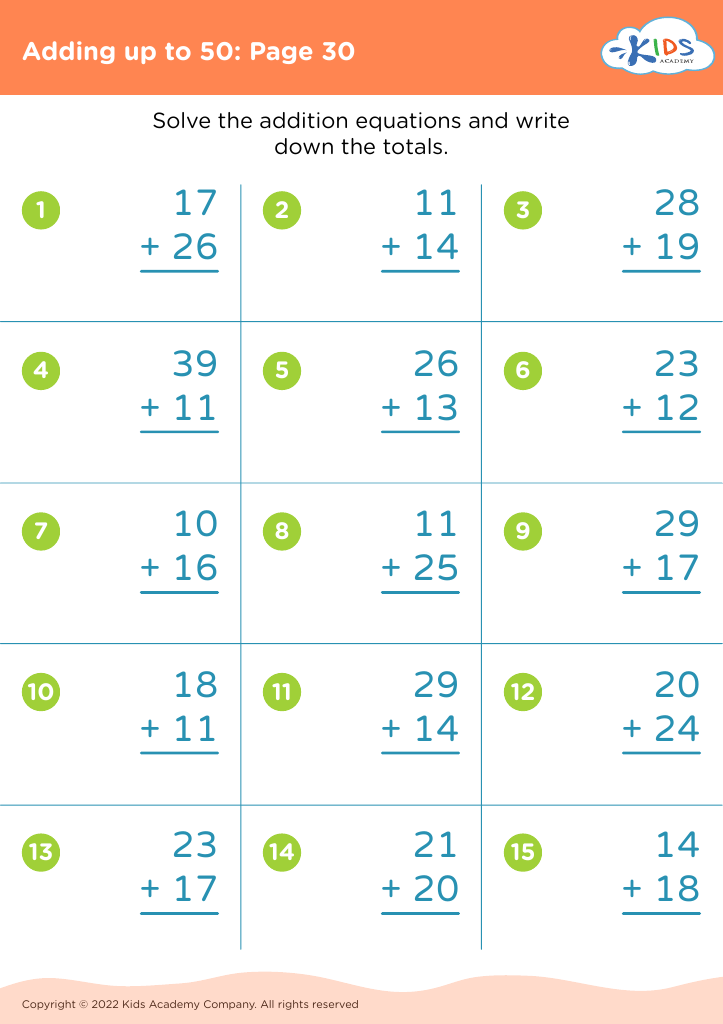
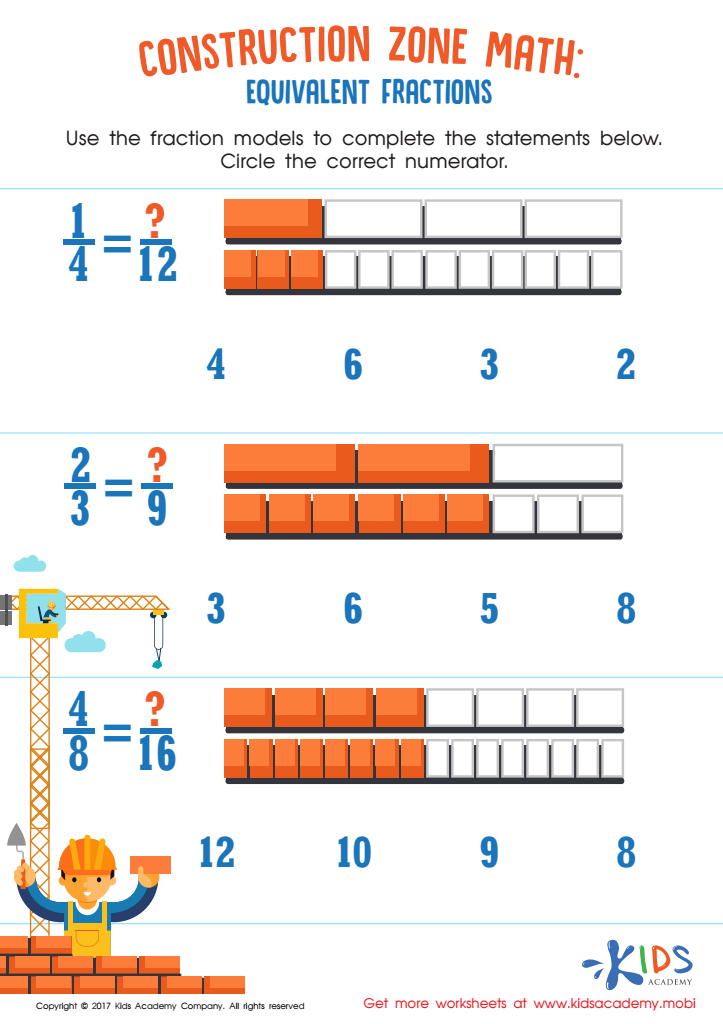
Equivalent Fractions Worksheet
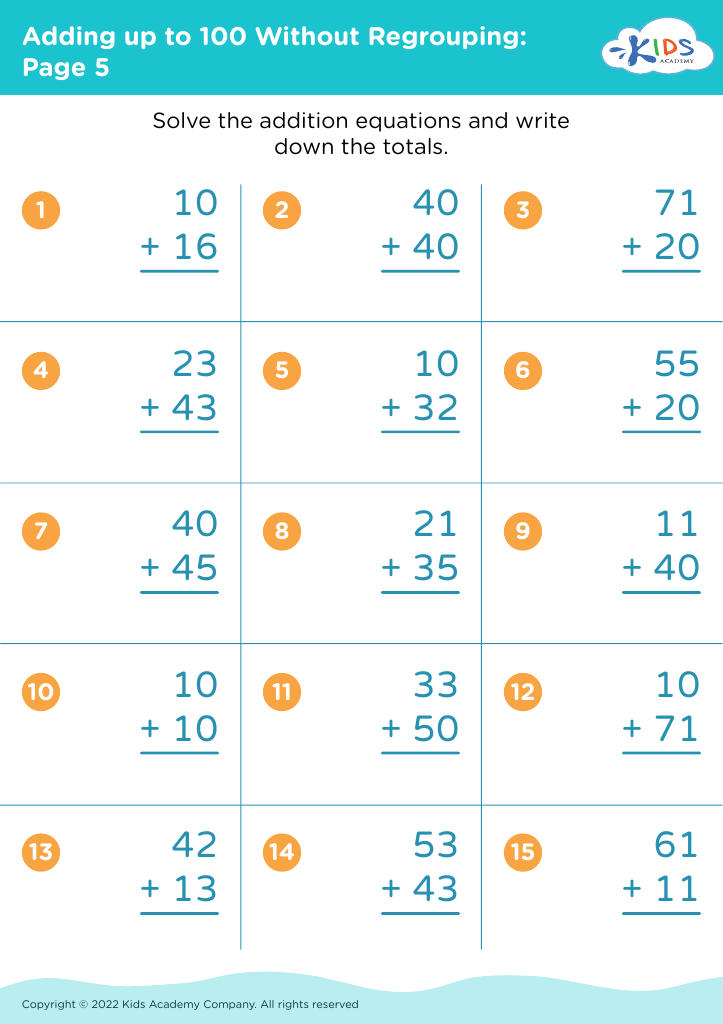
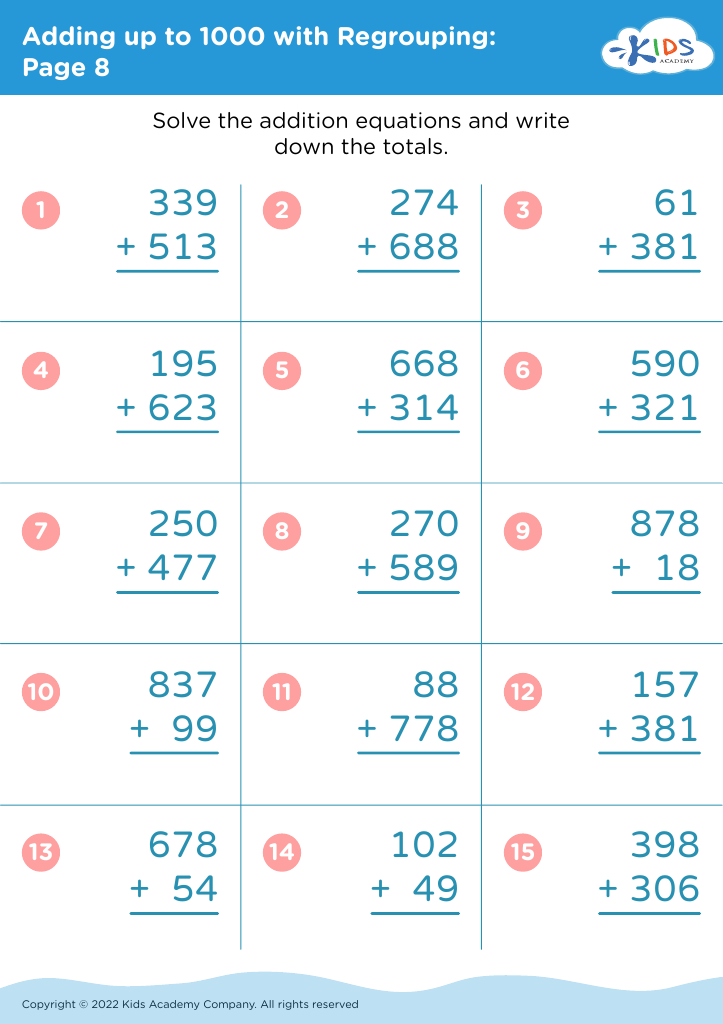
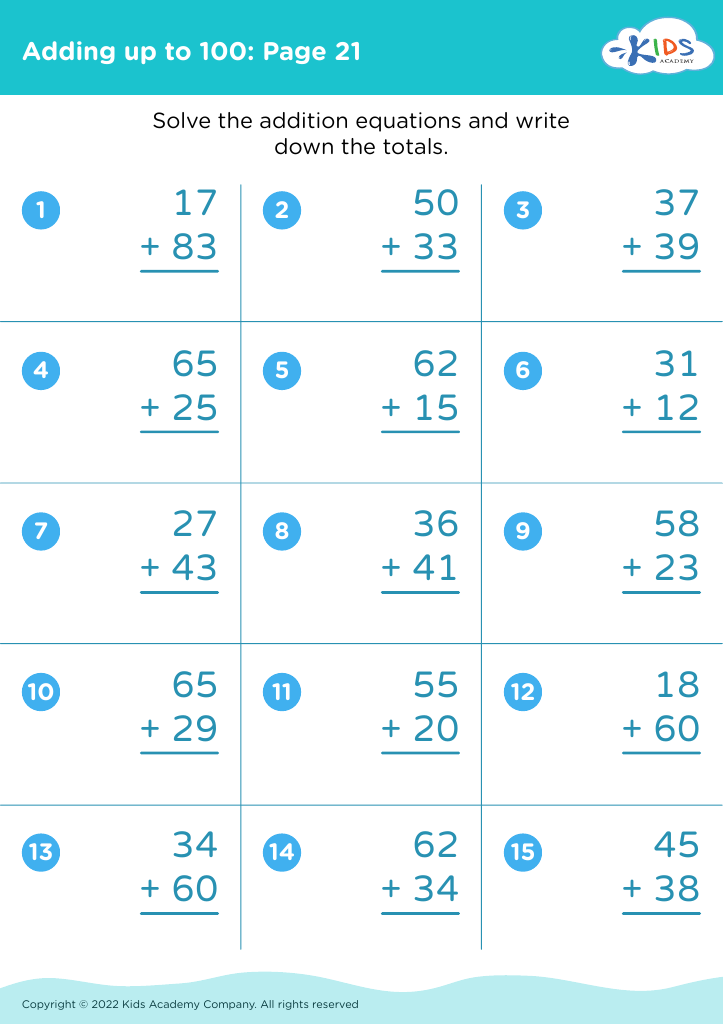
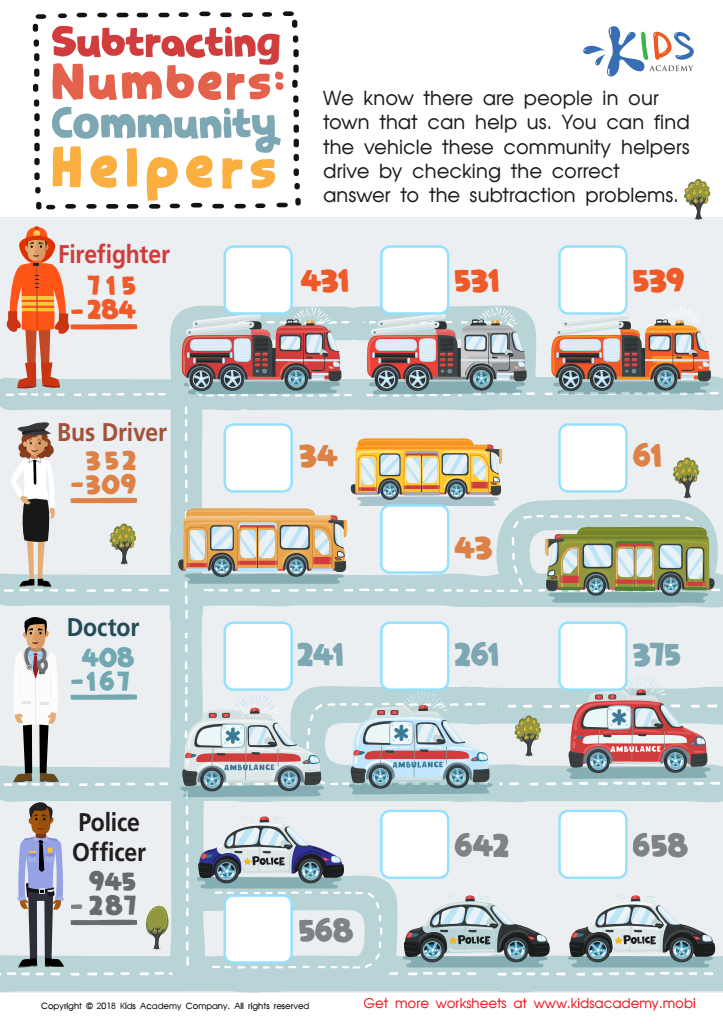
Subtracting Numbers: Community Helpers Worksheet








Enhancing problem-solving abilities in mathematics for children aged 8-9 is crucial for their overall cognitive development and future success. During this developmental stage, children begin to experience more complex math concepts, transitioning from basic arithmetic to the foundational skills needed for higher-level reasoning. Strong problem-solving skills empower students to tackle mathematical challenges with confidence and creativity, fostering a love for learning rather than fear of failure.
Teachers and parents play a pivotal role in nurturing these abilities by creating an engaging and supportive learning environment. Encouraging perseverance and critical thinking in math promotes independence and resilience, essential qualities for academic achievement and real-world problem-solving. Furthermore, effective problem-solving skills transcend the boundaries of mathematics, applying to various life situations, from everyday decisions to interpersonal conflicts.
Additionally, equipping children with robust math problem-solving skills prepares them for advanced academic pursuits and helps them engage more deeply with subjects such as science and technology. As society increasingly relies on analytical thinking, encouraging children in this age group to approach math with curiosity and determination will better prepare them for future opportunities and challenges in an ever-evolving world. Ultimately, fostering these skills shapes well-rounded individuals equipped for both personal and professional success.








