
Fraction conversion Math Worksheets for Ages 8-9
3 filtered results
Difficulty Level
Grade
Age
-
From - To
Subject
Activity
Standards
Unlock the world of fractions with our engaging "Fraction Conversion Math Worksheets" designed specifically for children aged 8-9. These worksheets make learning fun and interactive, helping young learners master the essential skills of converting fractions, including proper fractions, improper fractions, and mixed numbers. With a variety of exercises tailored to different learning styles, students will build confidence and improve their math abilities. Bright, colorful illustrations and relatable real-world examples make these sheets captivating and easy to understand. Perfect for classroom use or homeschooling, our worksheets provide a strong foundation in fraction concepts while encouraging independent learning. Download now and watch your child's math skills soar!
Favorites
With answer key
Interactive
Join Kids Academy for Free
Who is primarily going to use this learning content?





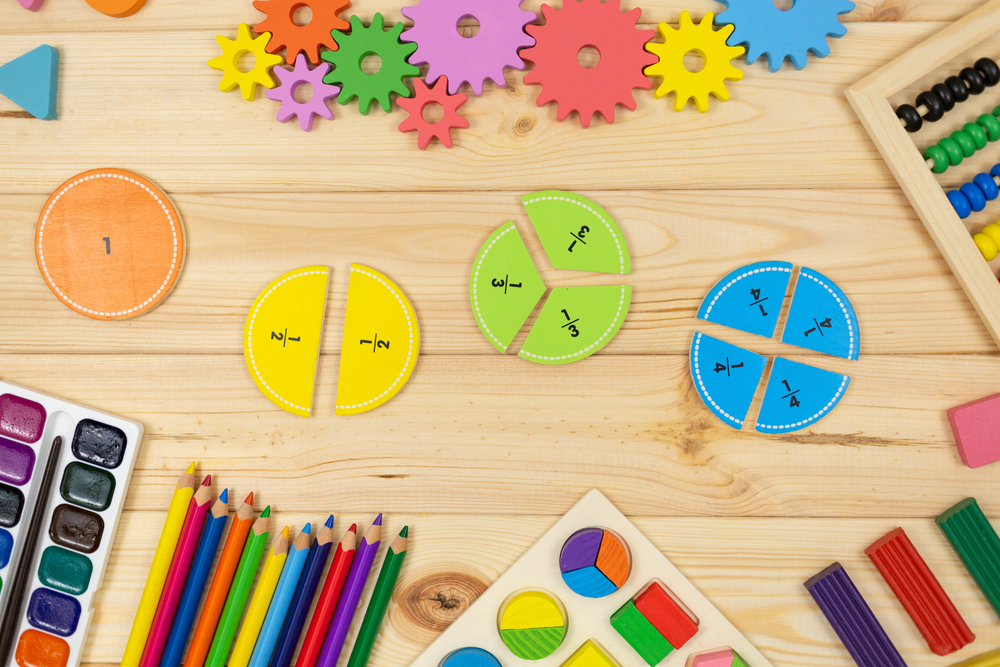
Understanding fraction conversion is crucial for students aged 8-9, as it serves as a foundation for their future math skills. At this developmental stage, children are beginning to grasp larger concepts and mathematical relationships, making it essential for them to learn how different fractions relate to one another.
First, fraction conversion enhances critical thinking and problem-solving abilities. By transforming fractions into equivalent forms, children learn to approach problems from multiple angles, fostering adaptable reasoning skills. This is vital as they encounter more complex math concepts in later grades.
Moreover, a solid grasp of fraction conversion directly impacts students' confidence in math. Mastering this skill helps them tackle topics like addition, subtraction, multiplication, and division of fractions, which come up frequently in higher grade levels. Children who struggle with fraction conversion may experience frustration, impacting their overall math performance.
Finally, understanding fractions is not just confined to textbooks—it applies in real-life situations, such as cooking and budgeting. Teaching kids how to convert fractions empowers them with practical skills, enhancing their everyday experiences. Thus, parents and teachers should prioritize fraction conversion education to ensure students build a strong mathematical foundation that will benefit them throughout their academic and personal lives.








