Letter recognition Math Worksheets for Ages 8-9
4 filtered results
-
From - To
Unlock your child's potential with our engaging Letter Recognition Math Worksheets designed for ages 8-9! These carefully crafted worksheets blend essential letter recognition skills with fundamental math concepts, making learning both fun and effective. Children will practice identifying letters while solving math problems, enhancing their literacy and numeracy simultaneously. Ideal for classroom activities or at-home learning, our resources encourage interactive participation and promote critical thinking. Explore our diverse array of exercises that cater to different learning styles, ensuring every child thrives. Perfect for teachers and parents, these worksheets will make a meaningful impact on your child's educational journey! Get started today!
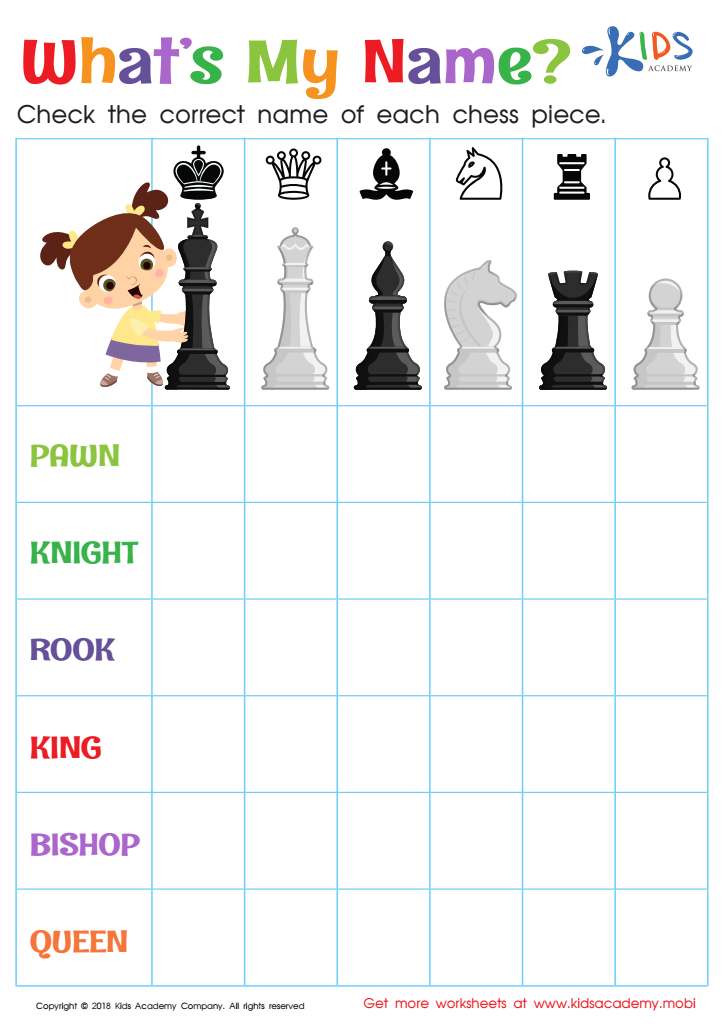
What's My Name? Worksheet
 Assign to My Students


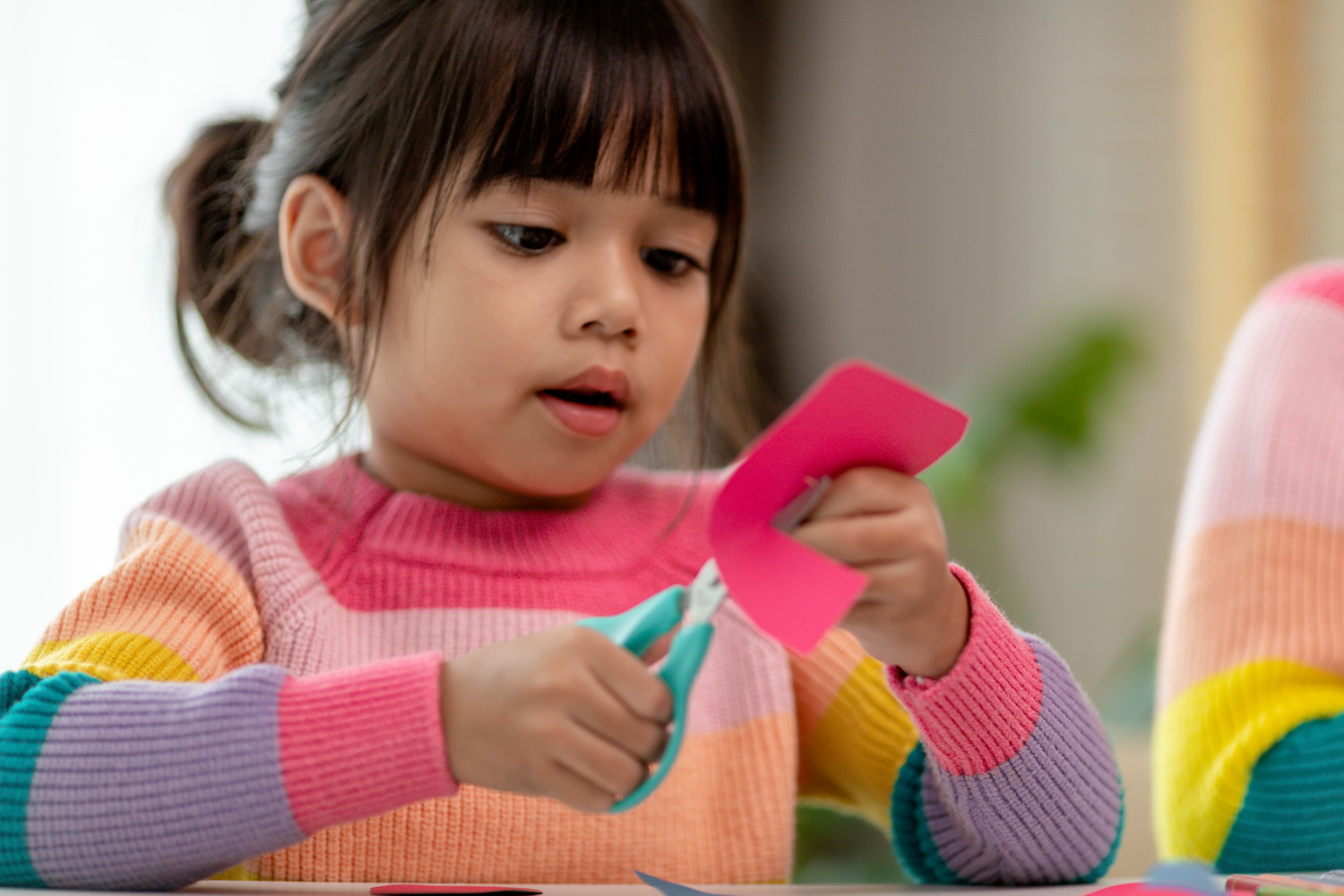





At the ages of 8-9, children are transitioning from learning to read to reading to learn. Letter recognition, although seemingly basic, plays a crucial role in their educational foundation, particularly in their comprehension and communication skills. For parents and teachers, nurturing letter recognition is vital as it directly affects a child's ability to decode words, comprehend sentences, and, ultimately, engage with complex texts across subjects, including math.
In mathematics, recognizing letters is essential for understanding key concepts such as variables in algebra or units of measurement. When children are familiar with letters, they can better grasp mathematical vocabulary, enhancing their problem-solving abilities and facilitating critical thinking. Furthermore, a strong foundation in letter recognition can boost a child's confidence in mathematical discussions, as they become adept at articulating their thoughts clearly.
Moreover, promoting letter recognition fosters overall cognitive development. Games and activities that focus on letters can also strengthen fine motor skills and memory retention. By prioritizing this skill, parents and teachers create a more enriching learning environment that empowers children to thrive academically, socially, and emotionally in their future learning endeavors. Thus, investing in letter recognition is an investment in a child's holistic education.








