Number identification Math Worksheets for Ages 8-9
6 filtered results
-
From - To
Discover our engaging Number Identification Math Worksheets designed specifically for children aged 8-9! These worksheets provide an interactive way to enhance your child’s understanding of numbers through fun activities and exercises. Focusing on identifying and working with numbers, your young learners will practice skills like reading, writing, and comparing numerical values. Our diverse range of worksheets encourages critical thinking and boosts confidence as students tackle number-related challenges. Perfect for both classroom and home use, these resources cater to various learning styles and ensure a solid foundation in number recognition. Start your child's math journey today with our comprehensive selection!
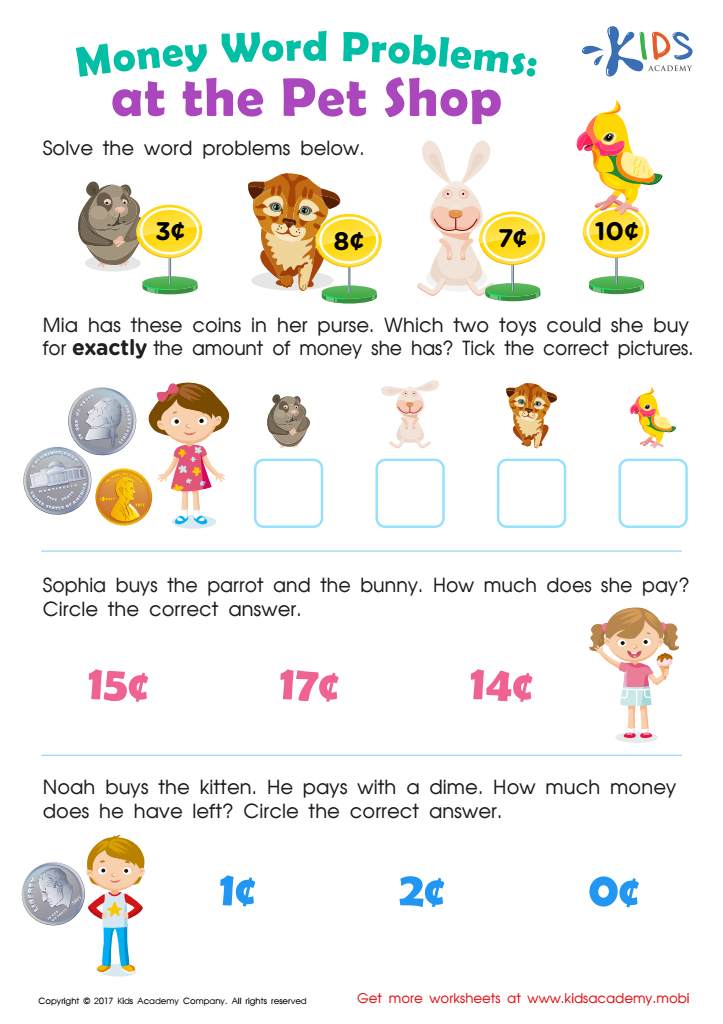
Pet Shop Worksheet
 Assign to My Students
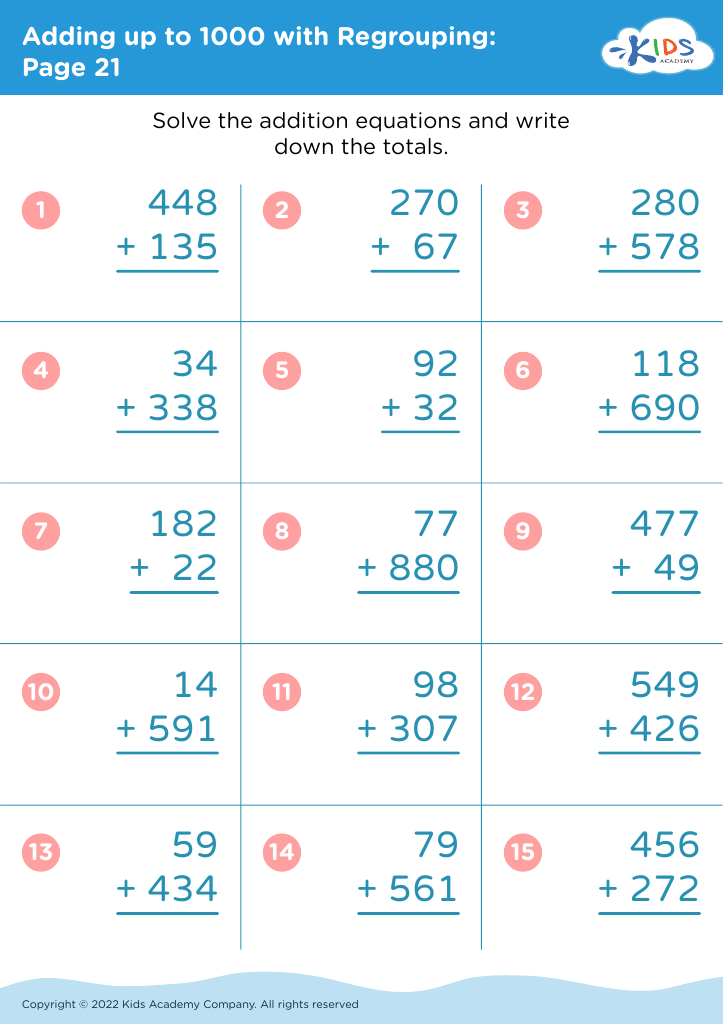
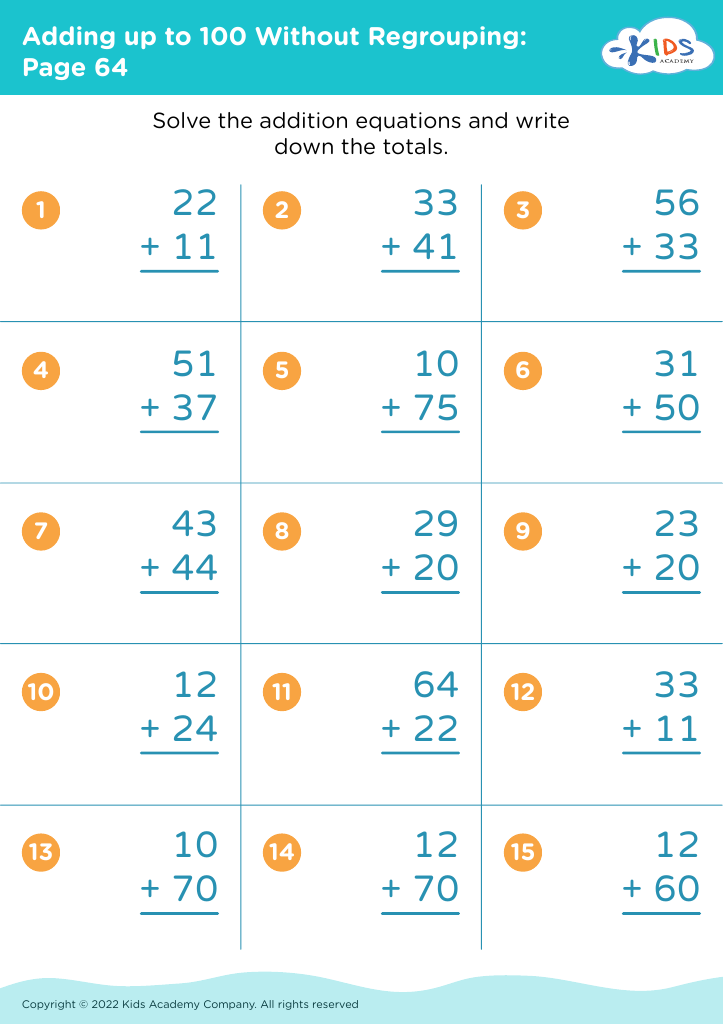
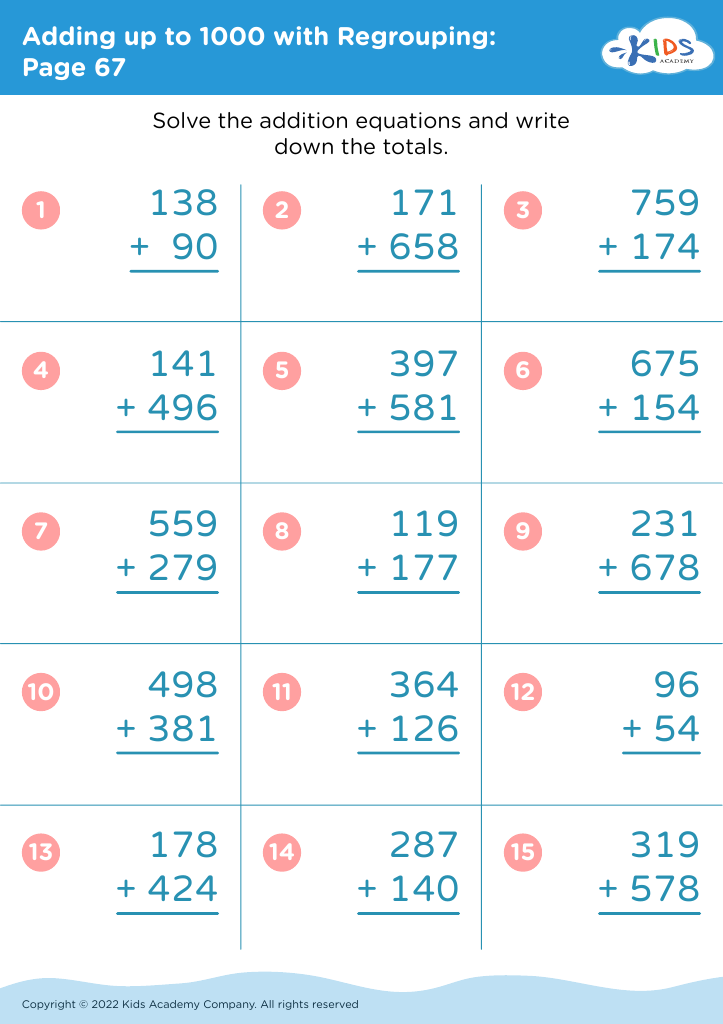
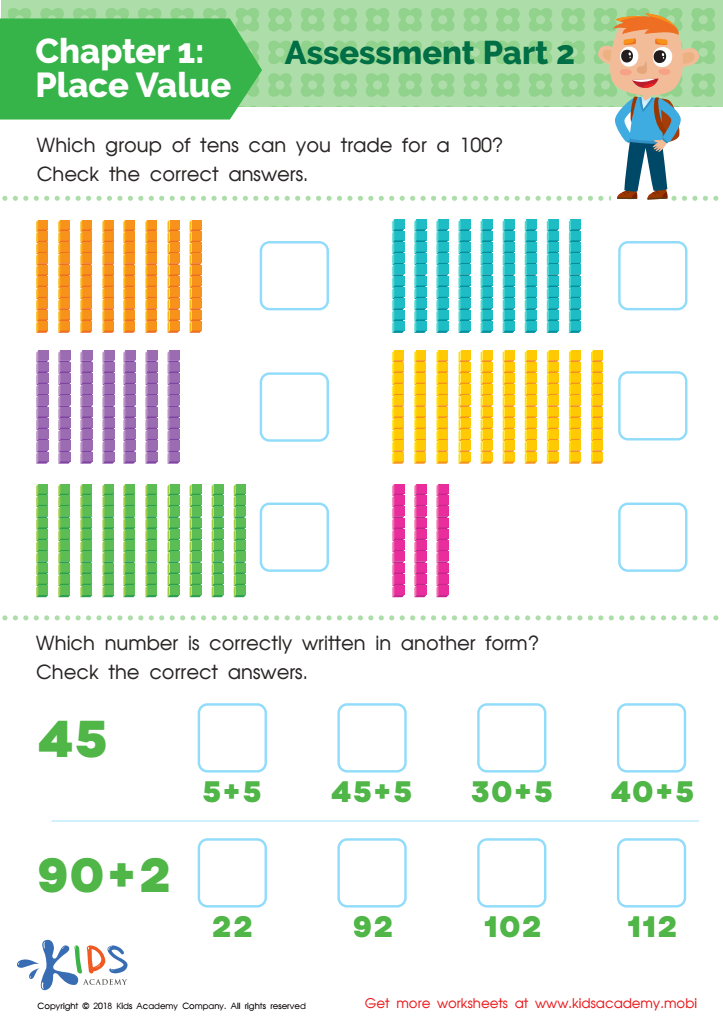
Place Value: Chapter 2 Worksheet
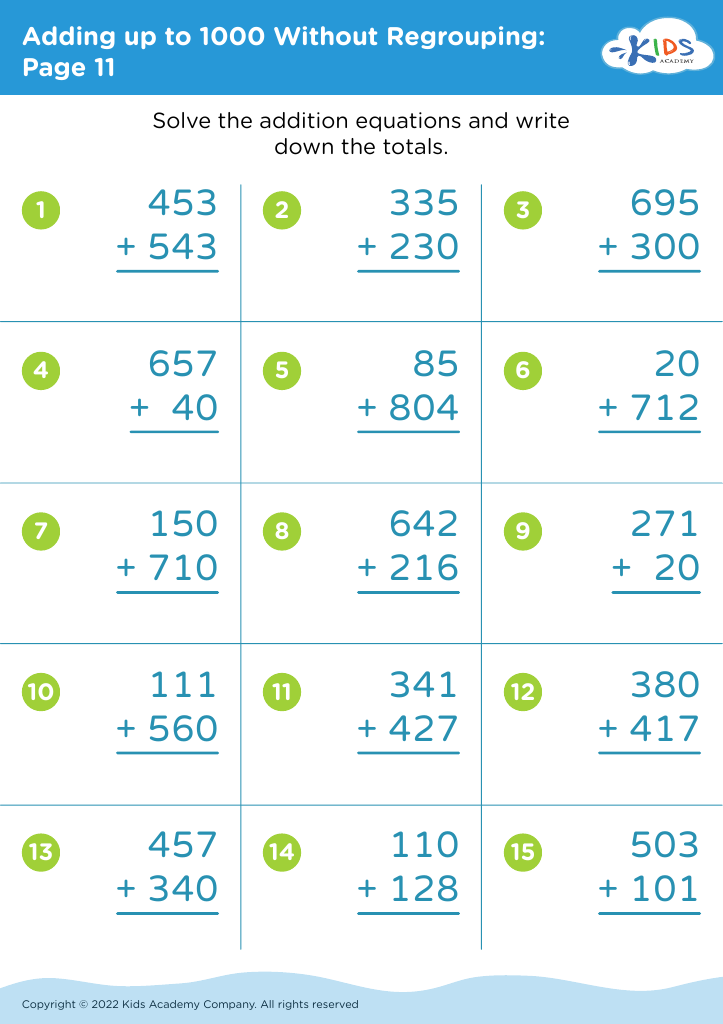







Parents and teachers should prioritize number identification for children aged 8 to 9 because it lays the foundation for essential mathematical skills. At this age, children transition from understanding basic numbers to utilizing them in more complex operations, such as addition, subtraction, multiplication, and fraction concepts. Mastering number identification fosters number sense, enabling students to recognize patterns, sequences, and relationships between numbers, which are crucial for advanced problem-solving.
Furthermore, strong number identification skills contribute to confidence in math, reducing anxiety and promoting a positive attitude towards the subject. Engaging with numbers at this developmental stage enhances cognitive abilities, critical thinking, and fosters the perseverance needed for tackling challenging mathematical concepts in the future.
Additionally, children who struggle with number identification may encounter difficulties in more advanced mathematics, reinforcing a cycle of frustration and decreased interest. Parents and teachers play a vital role in supporting this foundational skill by using diverse strategies, such as games, visual aids, and real-life applications. A collaborative effort ensures children not only recognize numbers but also appreciate their significance, ultimately promoting a lifelong positive relationship with mathematics and learning in general.








