Filters

64 filtered results

Clear all filters
Favorites
With answer key
Interactive

64 filtered results

Difficulty Level

Grade


Check out this FREE Trial Lesson on Multiplication for age 8-9!

Short and Long Vowel Sort

Favorites
With answer key
Interactive
  • 8-9
  • Multiplication practice
  • Multiplication
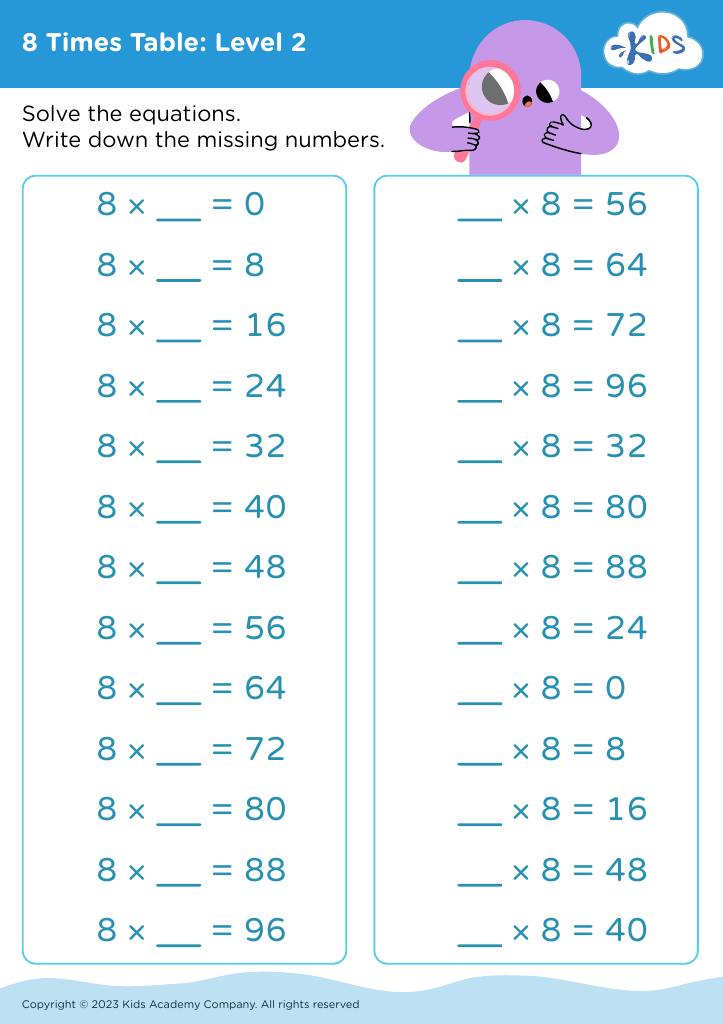
8 Times Table: Level 2

8 Times Table: Level 2

8 Times Table: Level 2
Worksheet
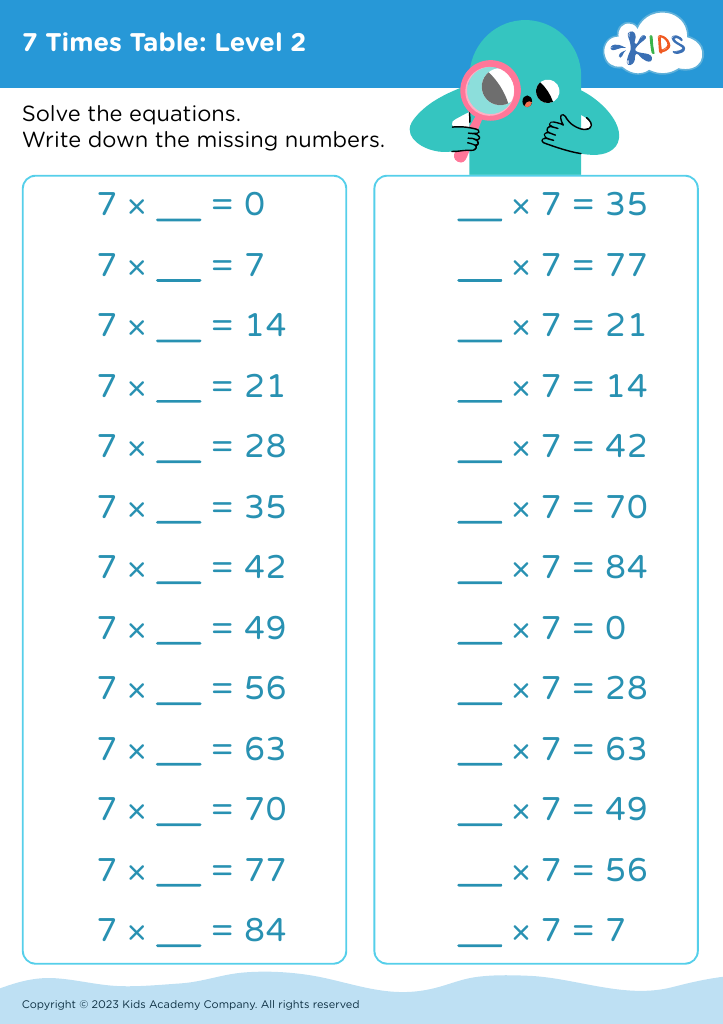
7 Times Table: Level 2

7 Times Table: Level 2

7 Times Table: Level 2
Worksheet
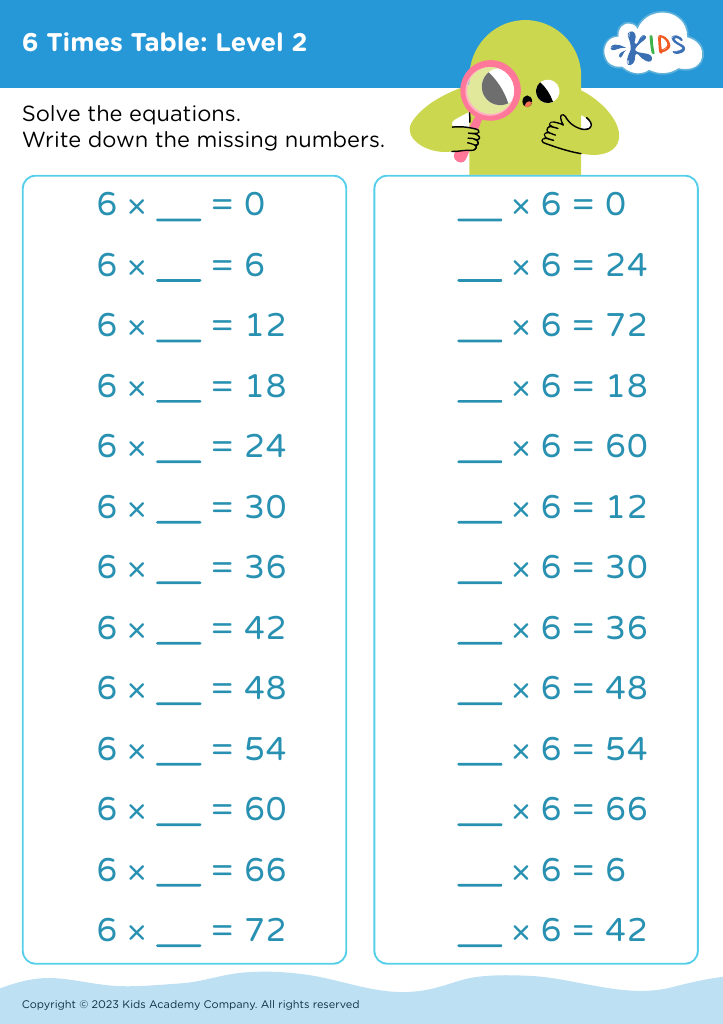
6 Times Table: Level 2

6 Times Table: Level 2

6 Times Table: Level 2
Worksheet
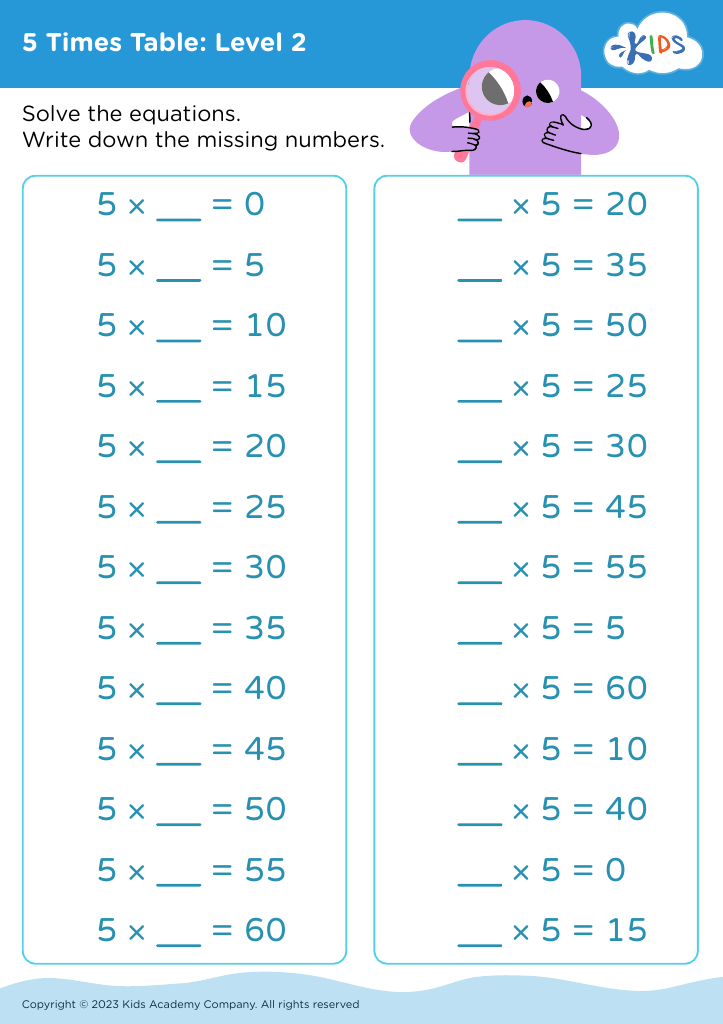
5 Times Table: Level 2

5 Times Table: Level 2

5 Times Table: Level 2
Worksheet
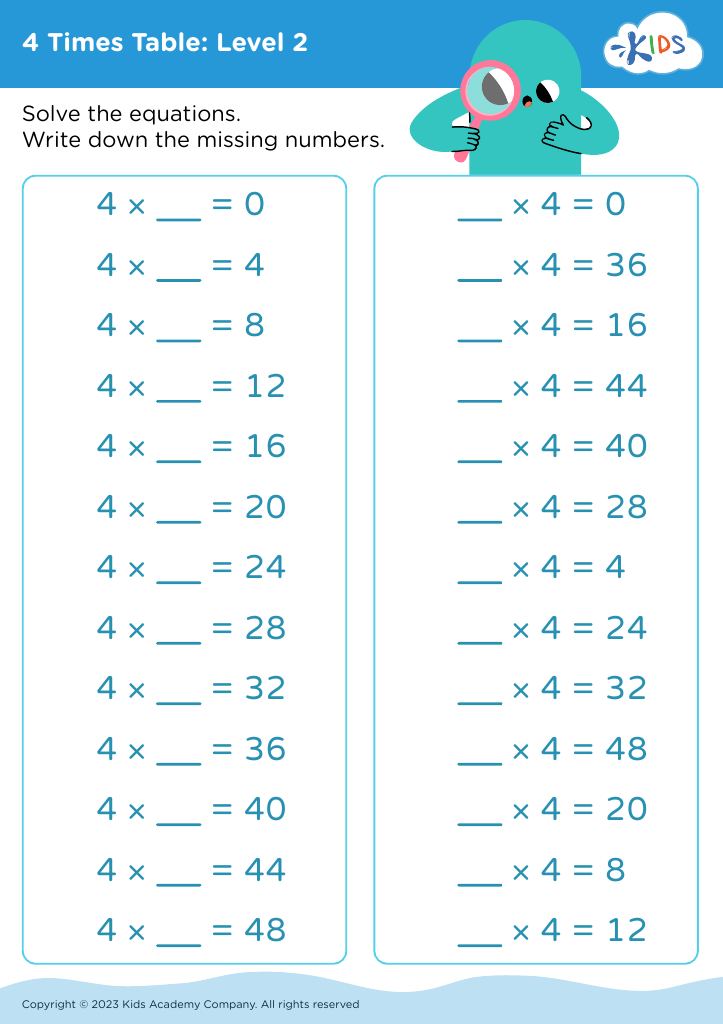
4 Times Table: Level 2

4 Times Table: Level 2

4 Times Table: Level 2
Worksheet
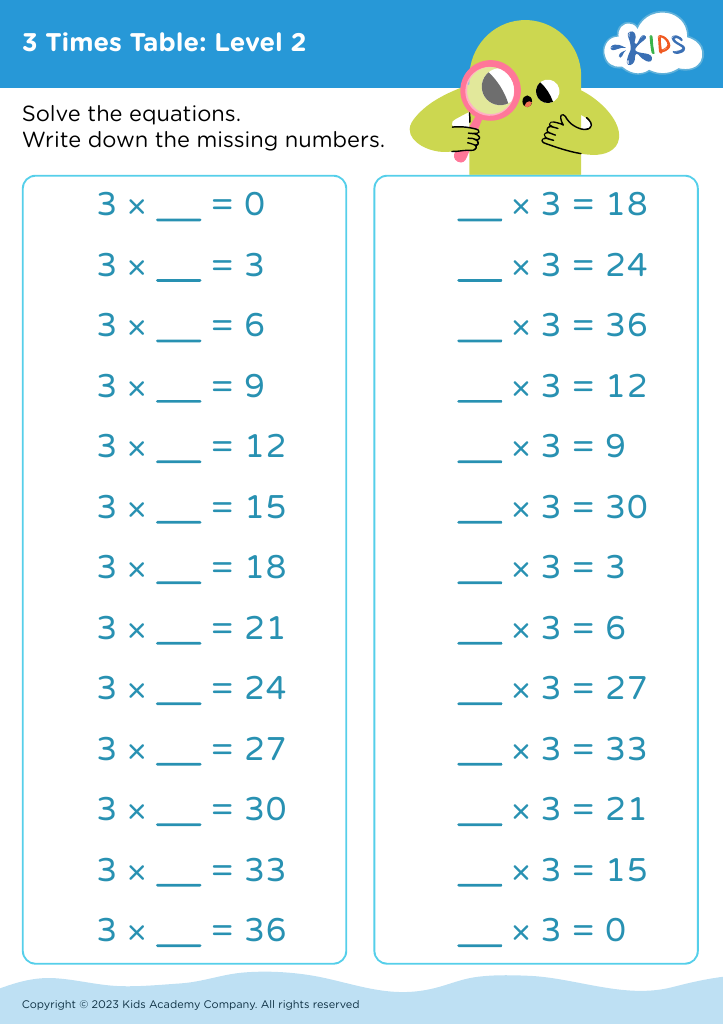
3 Times Table: Level 2

3 Times Table: Level 2

3 Times Table: Level 2
Worksheet
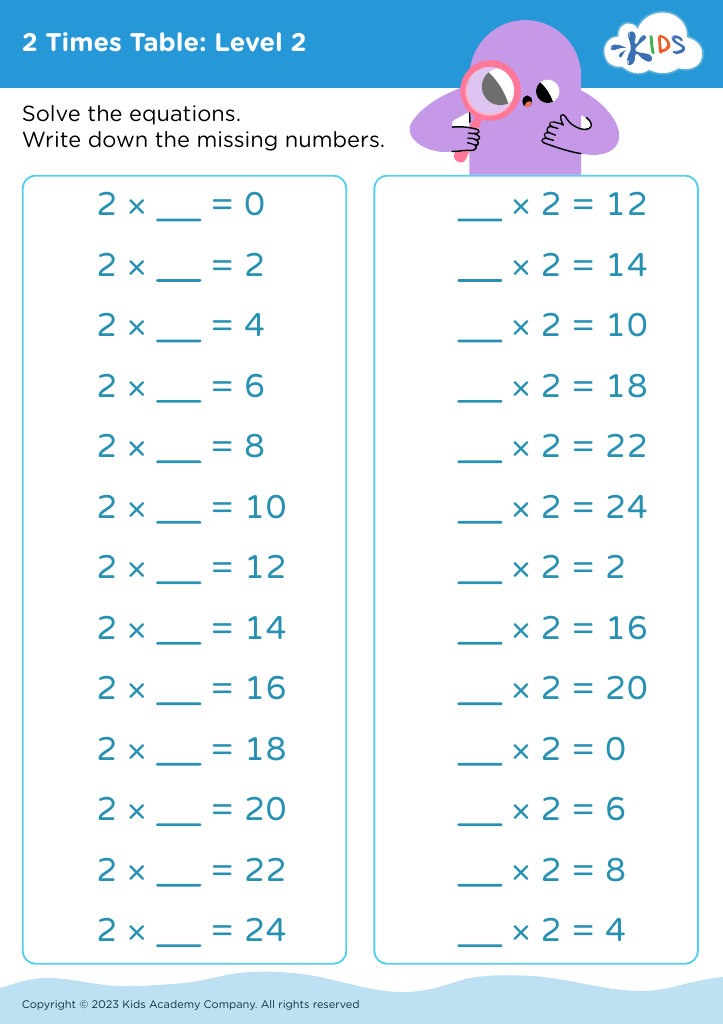
2 Times Table: Level 2

2 Times Table: Level 2

2 Times Table: Level 2
Worksheet
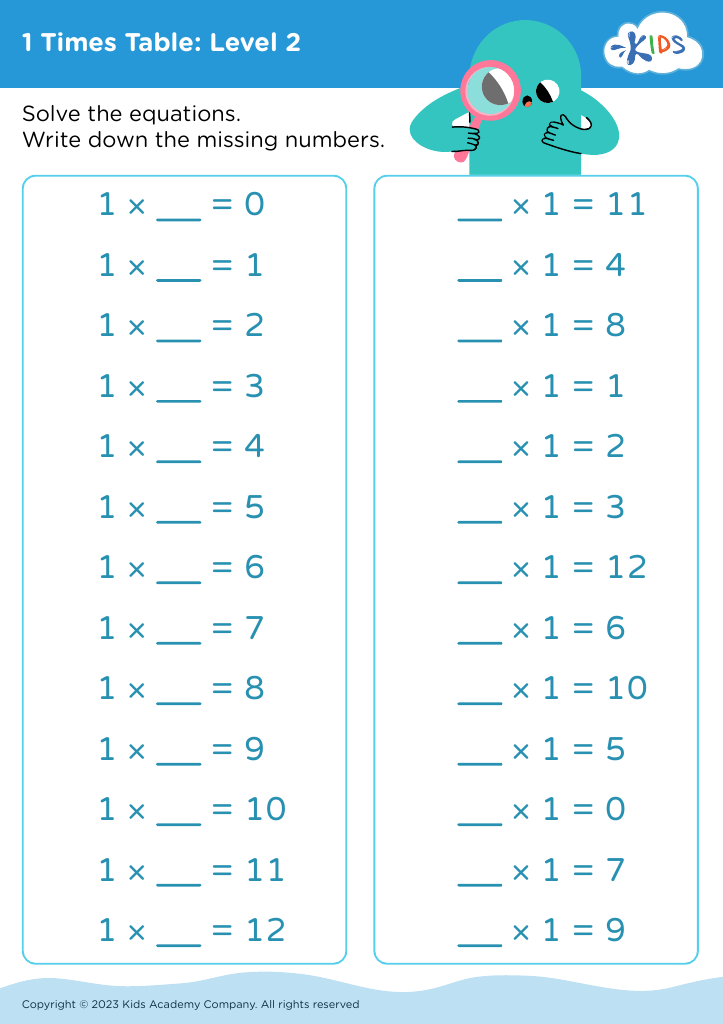
1 Times Table: Level 2

1 Times Table: Level 2

1 Times Table: Level 2
Worksheet
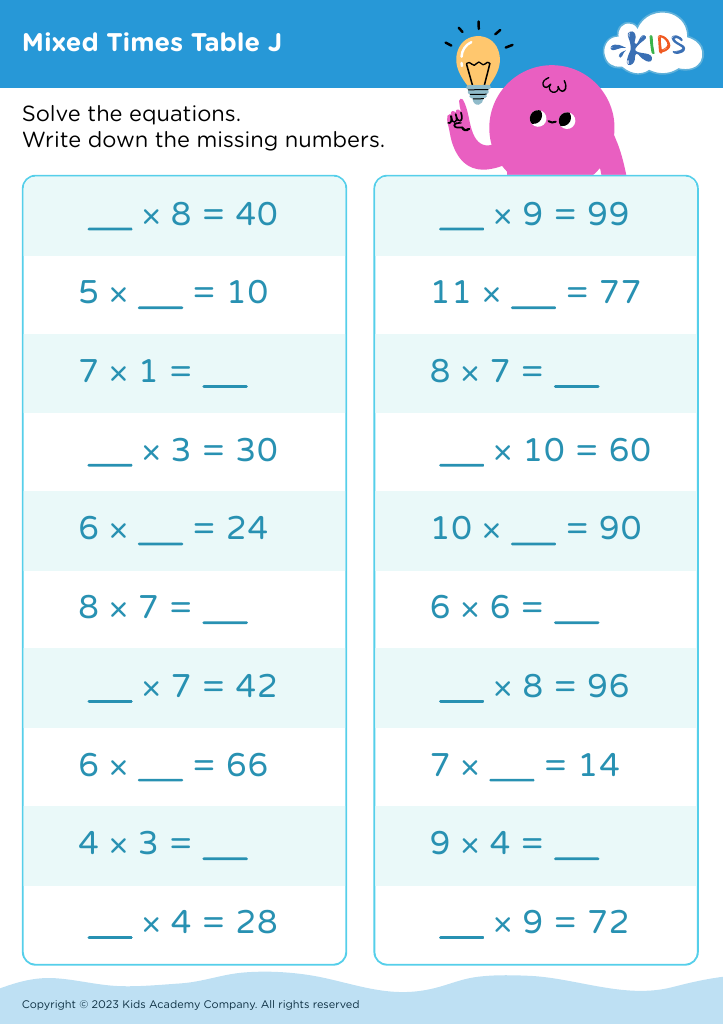
Mixed Times Table J
Mixed Times Table J

Mixed Times Table J

Mixed Times Table J
Worksheet
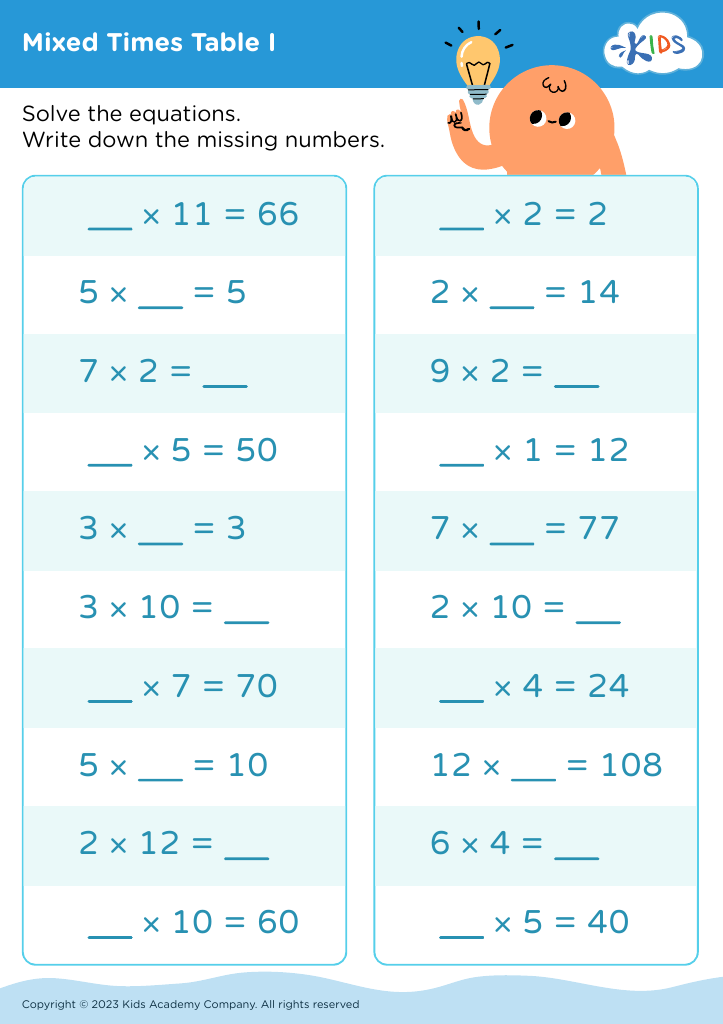
Mixed Times Table I
Mixed Times Table I

Mixed Times Table I

Mixed Times Table I
Worksheet
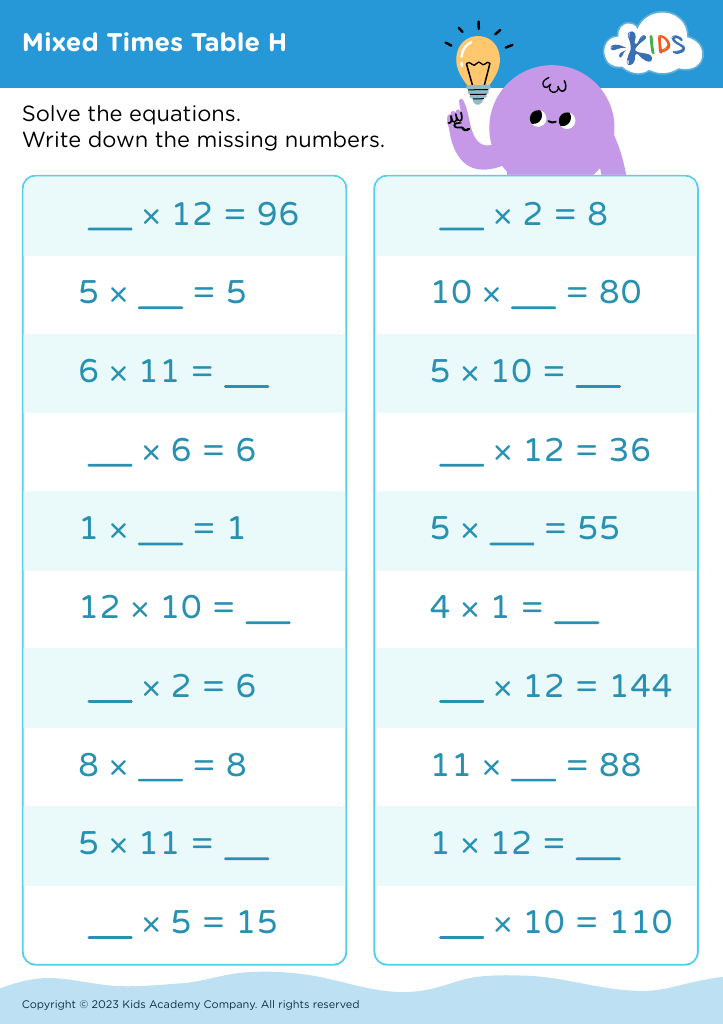
Mixed Times Table H
Mixed Times Table H

Mixed Times Table H

Mixed Times Table H
Worksheet
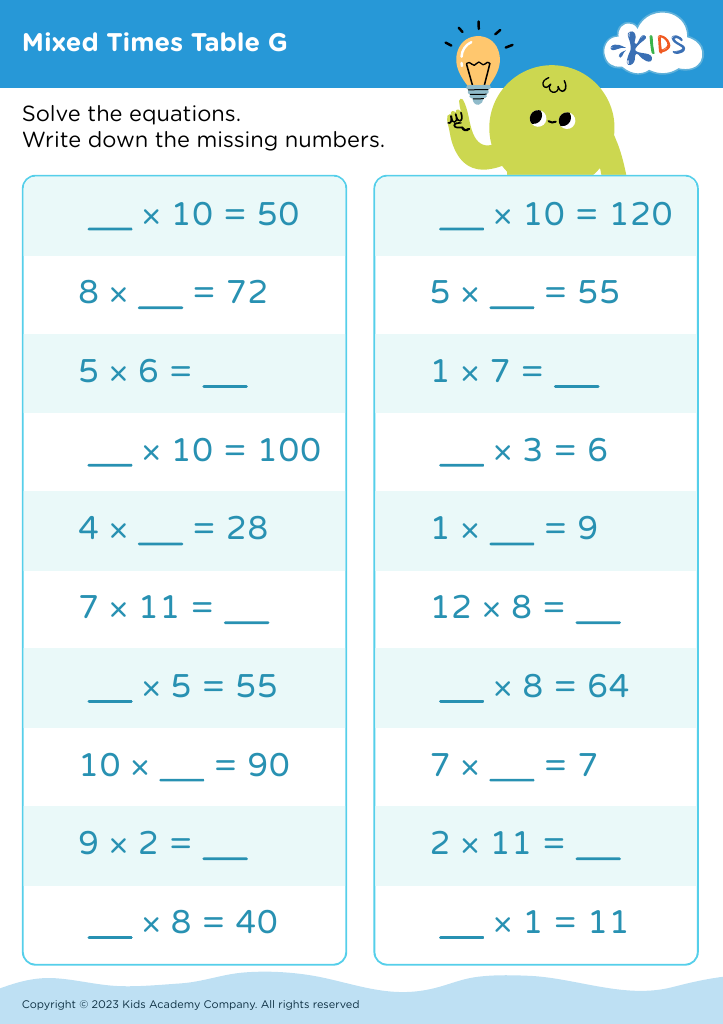
Mixed Times Table G
Mixed Times Table G

Mixed Times Table G

Mixed Times Table G
Worksheet
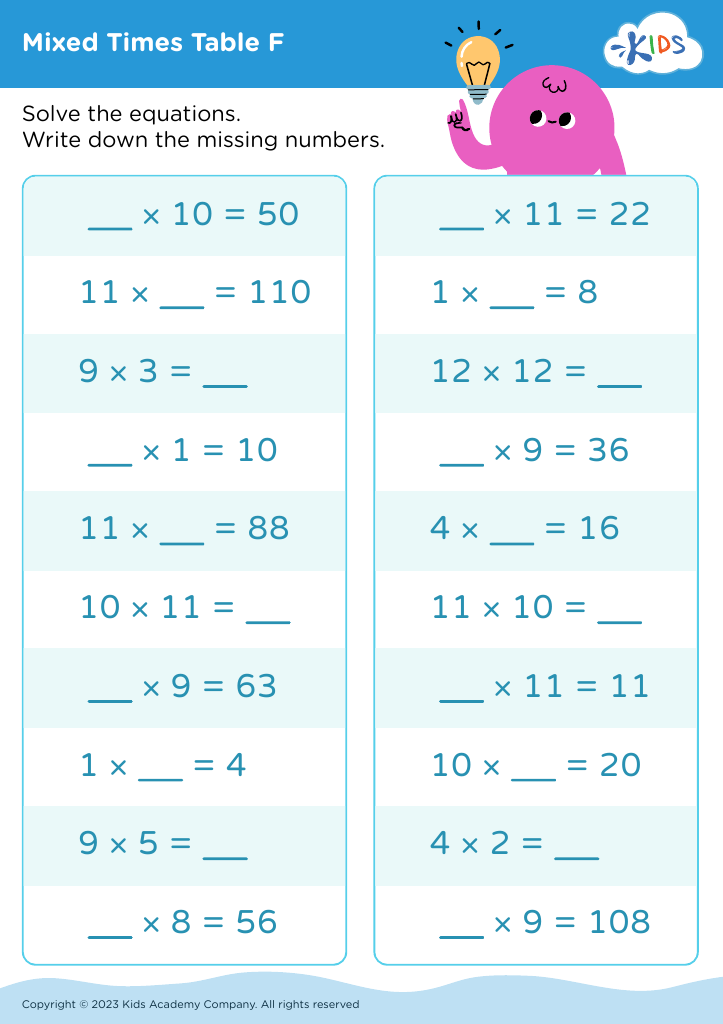
Mixed Times Table F
Mixed Times Table F

Mixed Times Table F

Mixed Times Table F
Worksheet
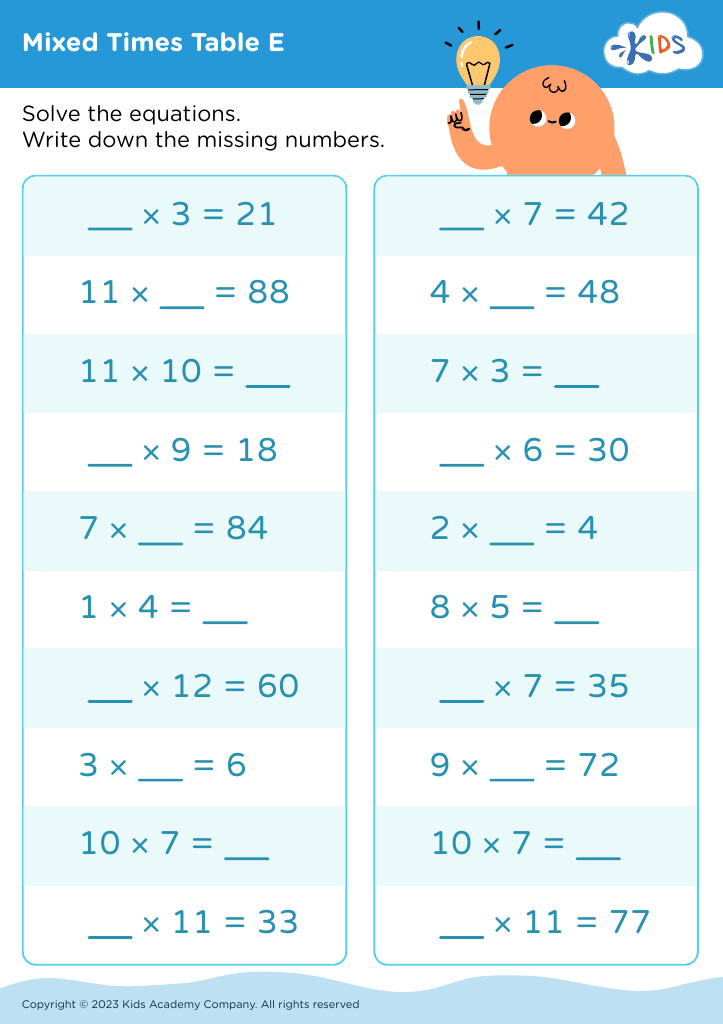
Mixed Times Table E
Mixed Times Table E

Mixed Times Table E

Mixed Times Table E
Worksheet
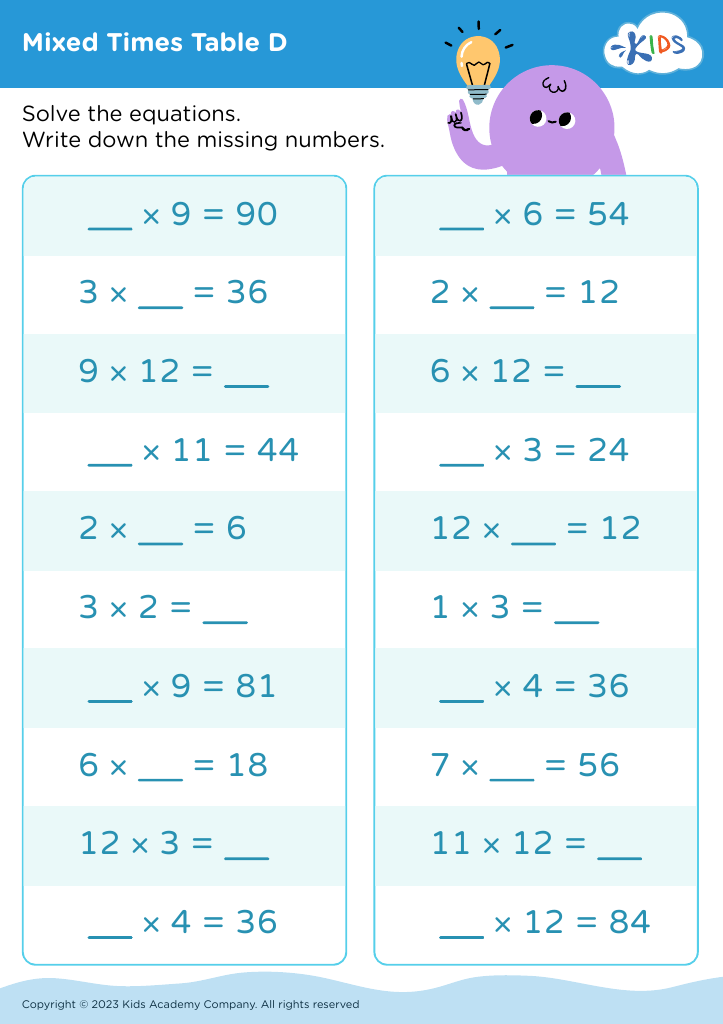
Mixed Times Table D
Mixed Times Table D

Mixed Times Table D

Mixed Times Table D
Worksheet
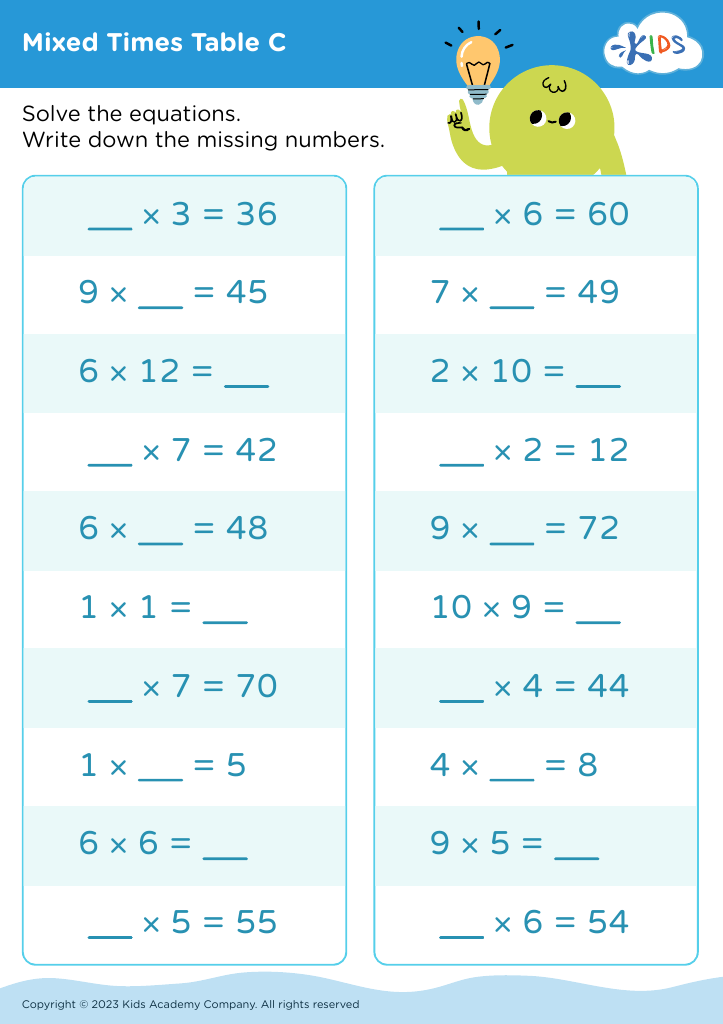
Mixed Times Table C
Mixed Times Table C

Mixed Times Table C

Mixed Times Table C
Worksheet


... 2 3

Parents and teachers should prioritize multiplication practice for children aged 8-9 because it lays the critical foundation for their future success in mathematics and everyday life skills. At this developmental stage, children transition from concrete arithmetic to more abstract mathematical thinking. Mastering multiplication enhances their ability to tackle more complex operations, such as division, fractions, and later algebra.

Early competence in multiplication fosters confidence and enthusiasm in learning, which are key motivators for sustained academic achievement. Regular practice helps children internalize times tables, leading to quicker and more accurate problem-solving. This fluency is crucial not just in math classes but in real-world applications, such as understanding measurements, managing money, and interpreting data.

Moreover, consistent practice promotes a growth mindset. When children see improvement through effort, they are more likely to tackle challenges with perseverance and resilience. Parental involvement in multiplication exercises also provides an opportunity for bonding and to instill a positive attitude towards education.

In essence, multiplication practice is an investment in a child's long-term cognitive and academic development. It supports a seamless transition to more advanced mathematical concepts and nurtures skills that are valuable throughout their educational journey and everyday life.