Number Recognition Place Value Worksheets for Ages 8-9
5 filtered results
-
From - To
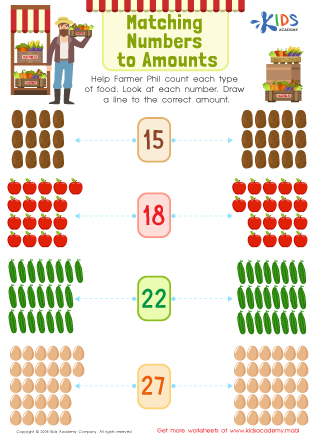
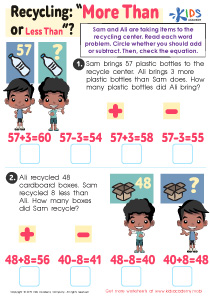
Our "Number Recognition Place Value Worksheets for Ages 8-9" are designed to enhance your child’s understanding of numbers and their respective values. These engaging activities simplify complex concepts such as tens, hundreds, and thousands, laying a solid mathematical foundation. Through fun exercises, children will improve their number recognition, boost their comprehension of place value, and develop critical thinking skills. Perfect for classroom or homeschool settings, our worksheets offer a variety of problems to keep young learners motivated and confident in math. Give your child the tools they need for success with our expertly crafted number recognition and place value worksheets.
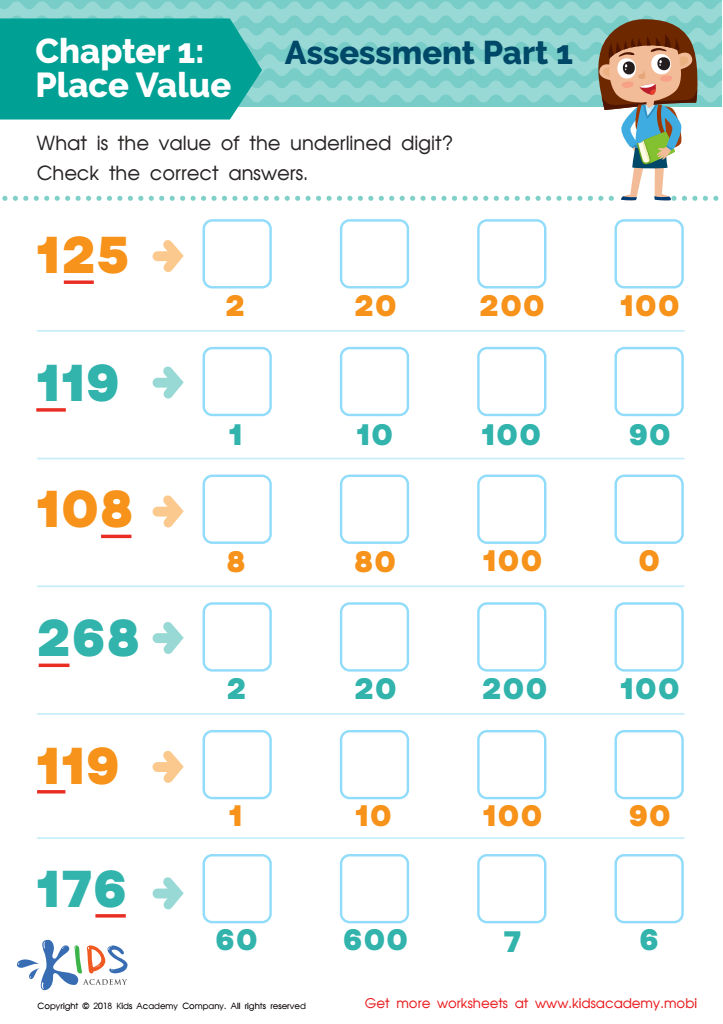
Place Value: Chapter 1 Worksheet
 Assign to My Students
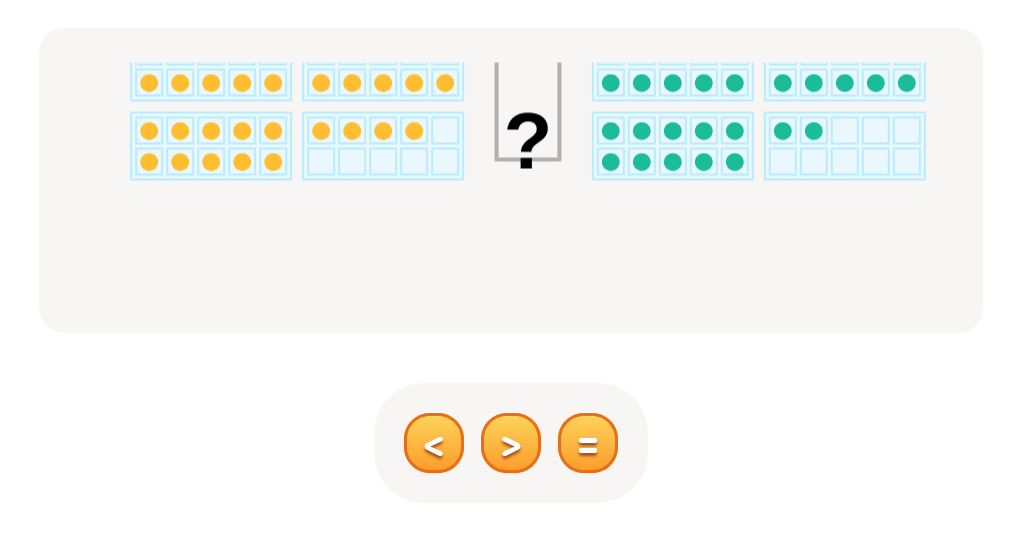

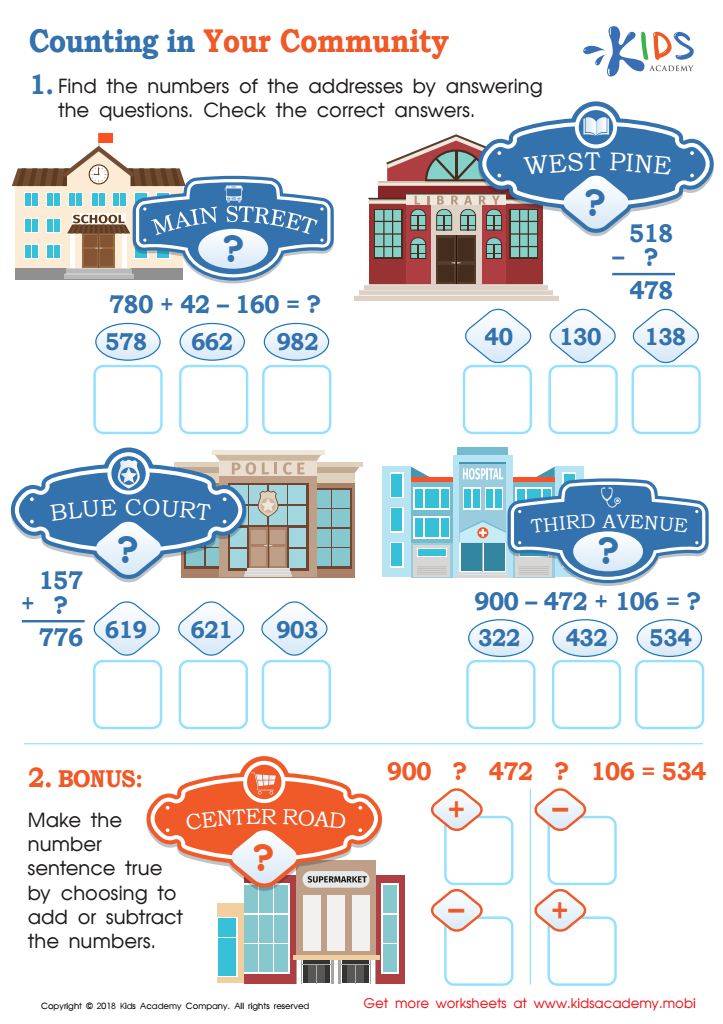
Counting in Your Community Worksheet
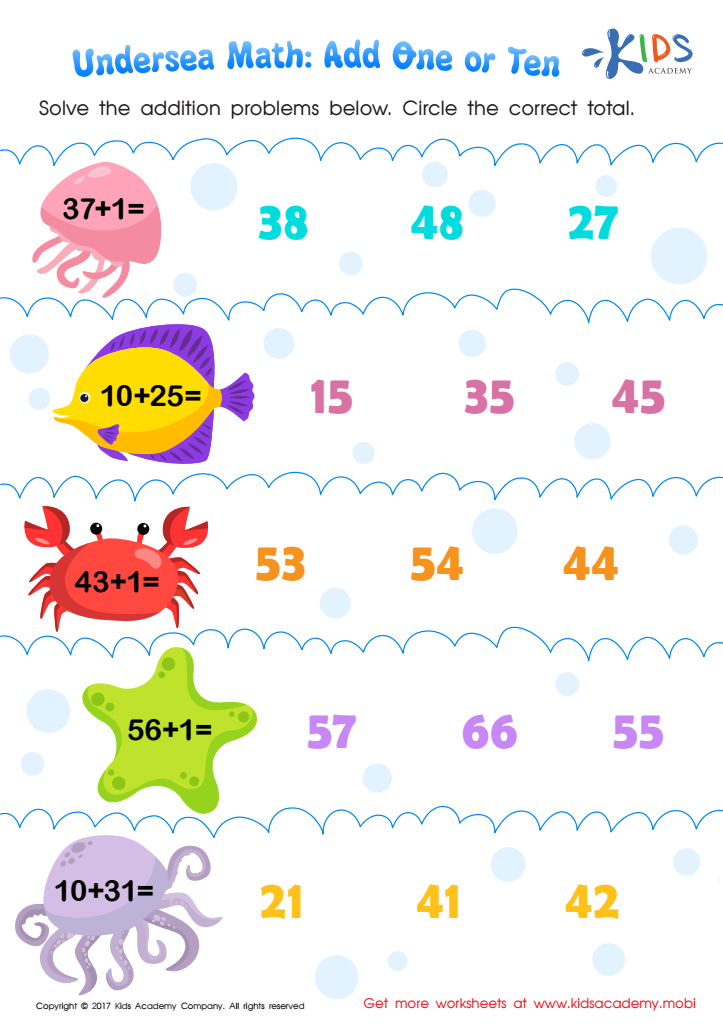
Undersea Math Worksheet
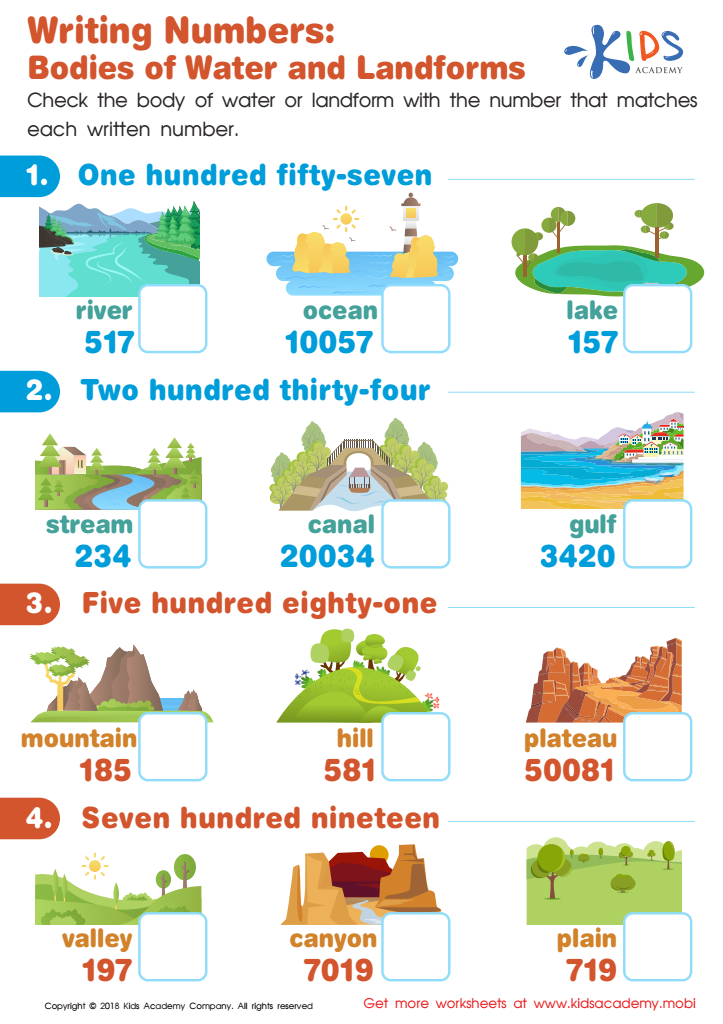
Bodies of Water and Landforms Writing Numbers Worksheet
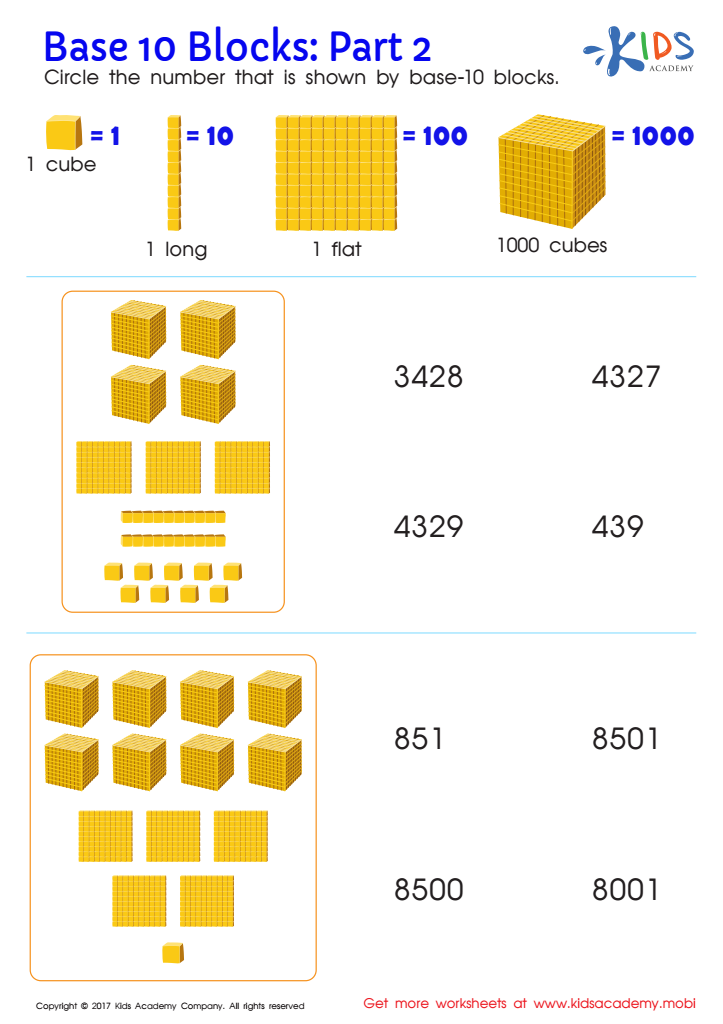
Place Value Worksheet: Thousands








Understanding number recognition and place value is crucial for children aged 8-9, as it forms the foundation of their mathematical education and critical thinking skills. At this stage, children transition from simple counting to more complex mathematical concepts. Recognizing numbers and understanding place value allows them to comprehend the magnitude of numbers and their relationships. This foundational knowledge aids in performing addition, subtraction, multiplication, and division more effectively.
Place value is significant because it helps children grasp the meaning of each digit in a number based on its position. For instance, in the number 543, the digit ‘5’ represents five hundred, ‘4’ represents forty, and ‘3’ represents three units. This understanding is indispensable when moving on to larger numbers and more ado intricate operations, such as carrying over in addition or borrowing in subtraction.
Moreover, a solid grasp of number recognition and place value enhances problem-solving abilities. When children can break down and manipulate numbers, they cultivate logical reasoning and develop strategies for tackling real-world problems. Additionally, confidence in their math skills encourages a positive attitude towards the subject, fostering a lifelong interest in learning.
Therefore, parents and teachers play a crucial role in reinforcing these concepts, ensuring that children develop a sound mathematical foundation that will support their future academic and personal growth.