Logical Reasoning Two-step Word Problems Worksheets for Ages 8-9
3 filtered results
-
From - To
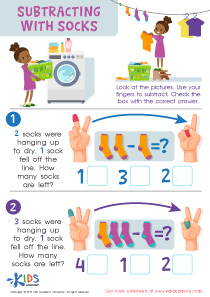
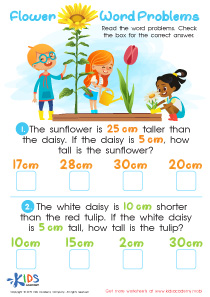
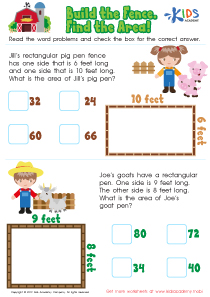
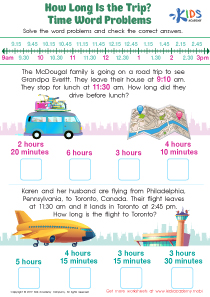
Enhance your child's critical thinking with our engaging Logical Reasoning Two-step Word Problems Worksheets designed for ages 8-9. These worksheets encourage young learners to tackle multi-step challenges that improve their problem-solving skills. Each problem requires children to analyze information, make connections, and apply logical reasoning to arrive at the correct answer. Our diverse range of question scenarios helps children build confidence and deepen their understanding of mathematical concepts. Perfect for classroom use or home practice, these worksheets provide a fun and interactive way to elevate your child's mathematics abilities while nurturing essential logical thinking skills for their academic success.
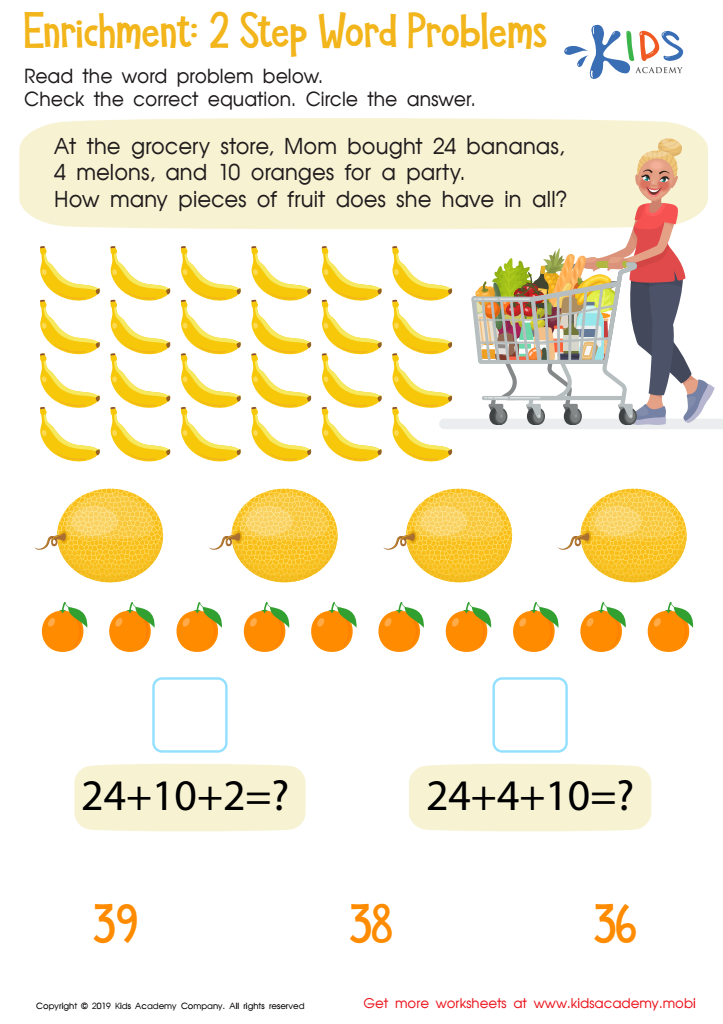
Enrichment -2 Step Word Problems Worksheet
 Assign to My Students
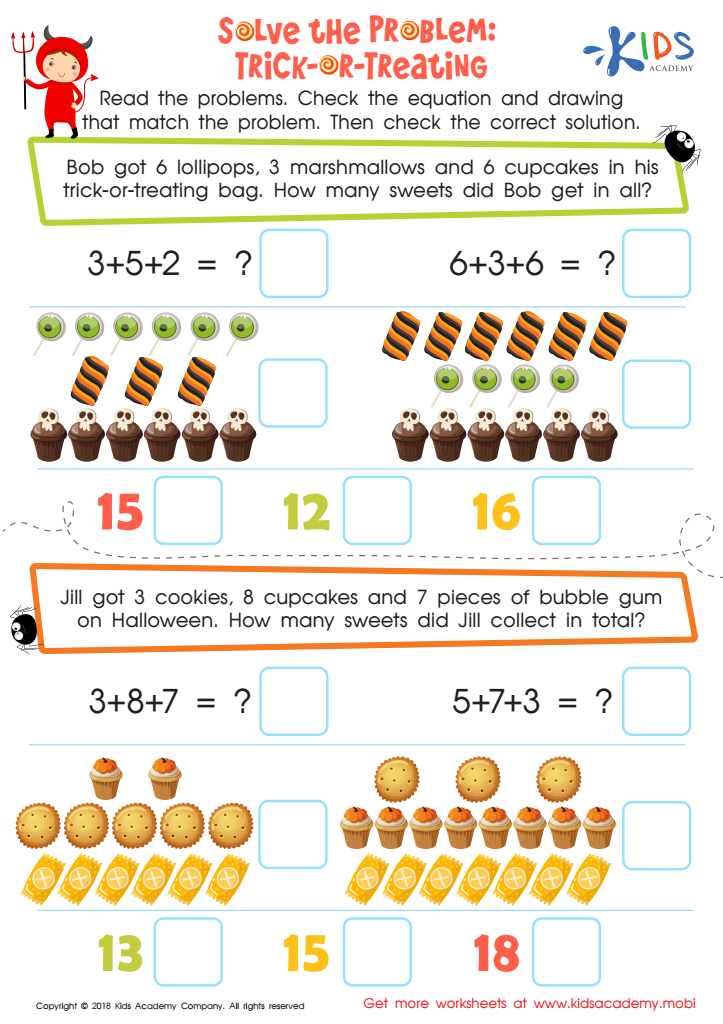
Solve the Problem: Trick–or–treating Worksheet
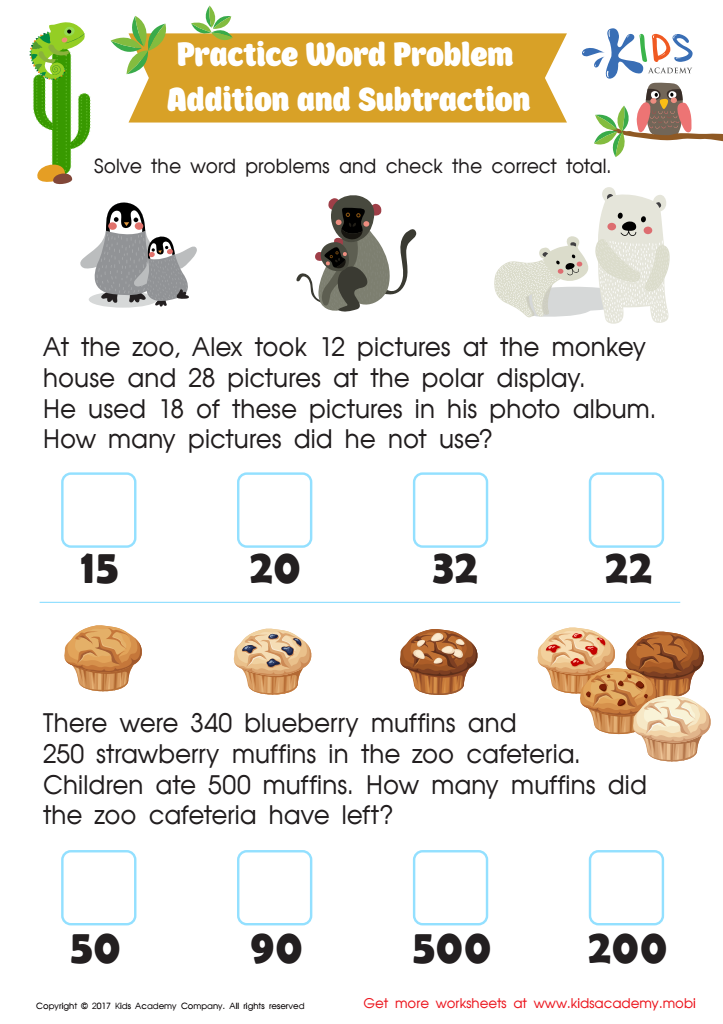
Addition and Subtraction: Word Problems Worksheet



Logical reasoning two-step word problems are essential for children aged 8-9 as they lay the foundation for critical thinking and problem-solving skills. At this stage, children are transitioning from concrete mathematical operations to more abstract reasoning, and tackling these problems engages their cognitive development at multiple levels.
Firstly, these problems enhance comprehension skills by requiring students to read, understand, and analyze a scenario before determining the necessary mathematical operations. This promotes active reading and boosts overall literacy, as children must decode language and context to solve the problem.
Secondly, they foster logical reasoning, helping children learn to break down complex problems into manageable steps. This sequential thinking is invaluable not only in mathematics but also in real-life situations where multi-step processes are common. It teaches them to identify the relationships between numbers and operations, aiding in future mathematical concepts.
Finally, solving two-step problems builds perseverance and resilience, as children often face frustration with challenging tasks. By guiding them through these challenges, parents and teachers can instill confidence and a sense of achievement, setting a positive outlook toward math and learning in general. Supporting children in this area ultimately equips them with problem-solving skills crucial for academic success and everyday life.