Number Recognition Word Problems Worksheets for Ages 8-9
18 filtered results
-
From - To
Our "Number Recognition Word Problems Worksheets for Ages 8-9" are expertly designed to enhance both math and reading skills. Targeting essential number recognition, these engaging exercises challenge students with real-world scenarios, fostering critical thinking and problem-solving abilities. Each worksheet is crafted to build confidence and proficiency by blending colorful illustrations with age-appropriate questions. Ideal for both classrooms and homeschooling, these resources align with educational standards, ensuring your child stays ahead academically. Explore our extensive collection to support your child's math journey and turn learning into an exciting adventure with interactive and effective worksheets.
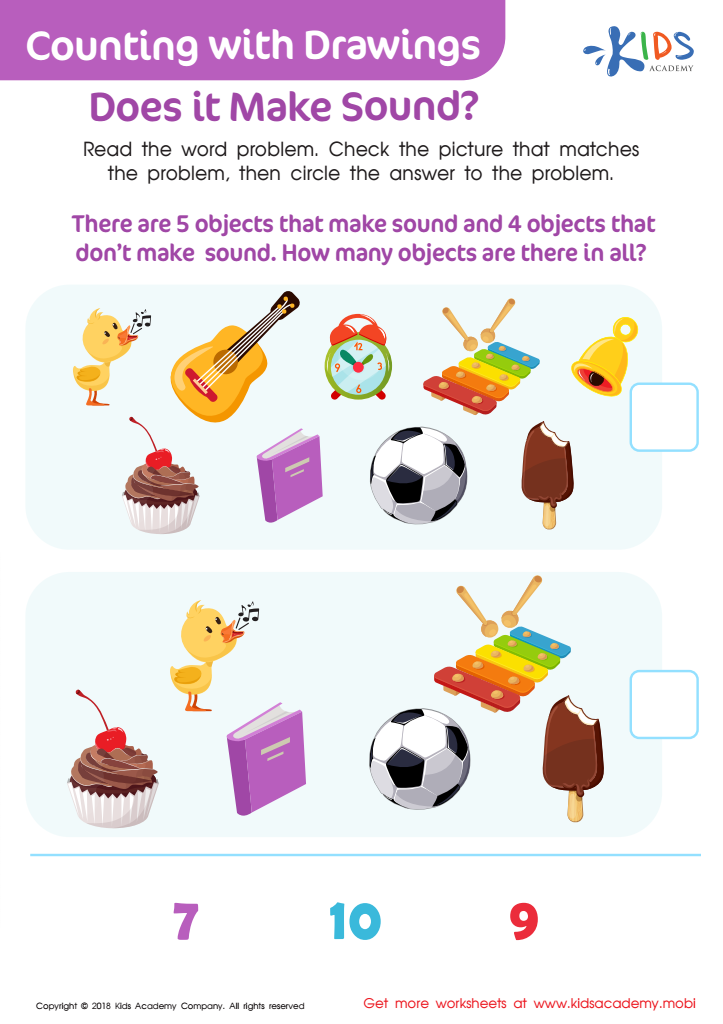
Counting With Drawings. Does It Make Sound? Worksheet
 Assign to My Students
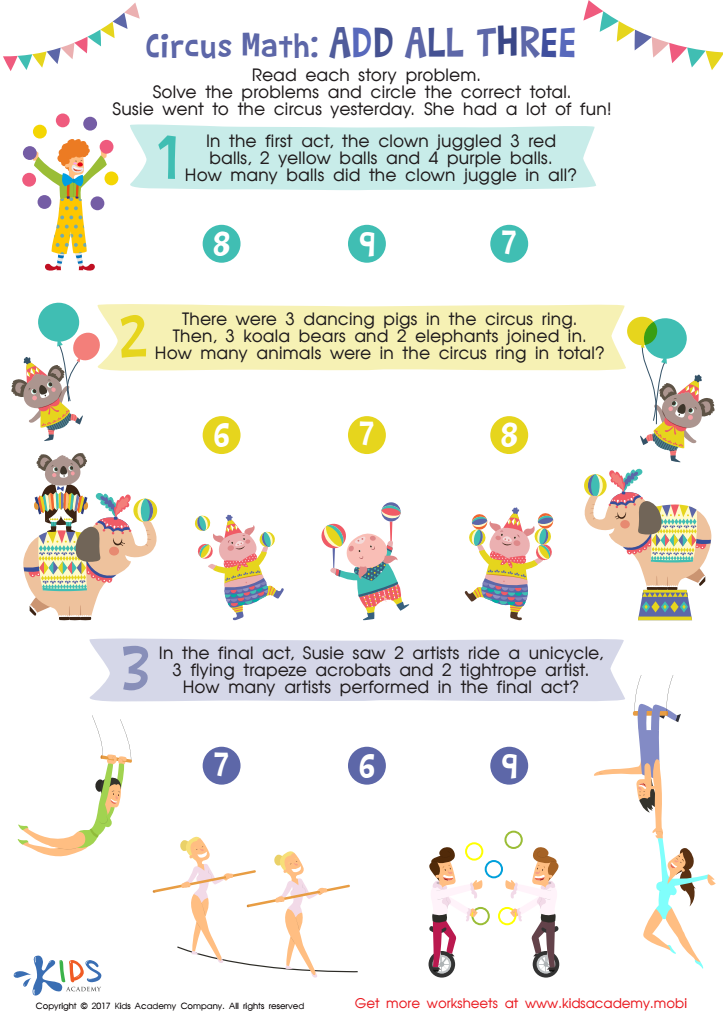
Circus Math Printable
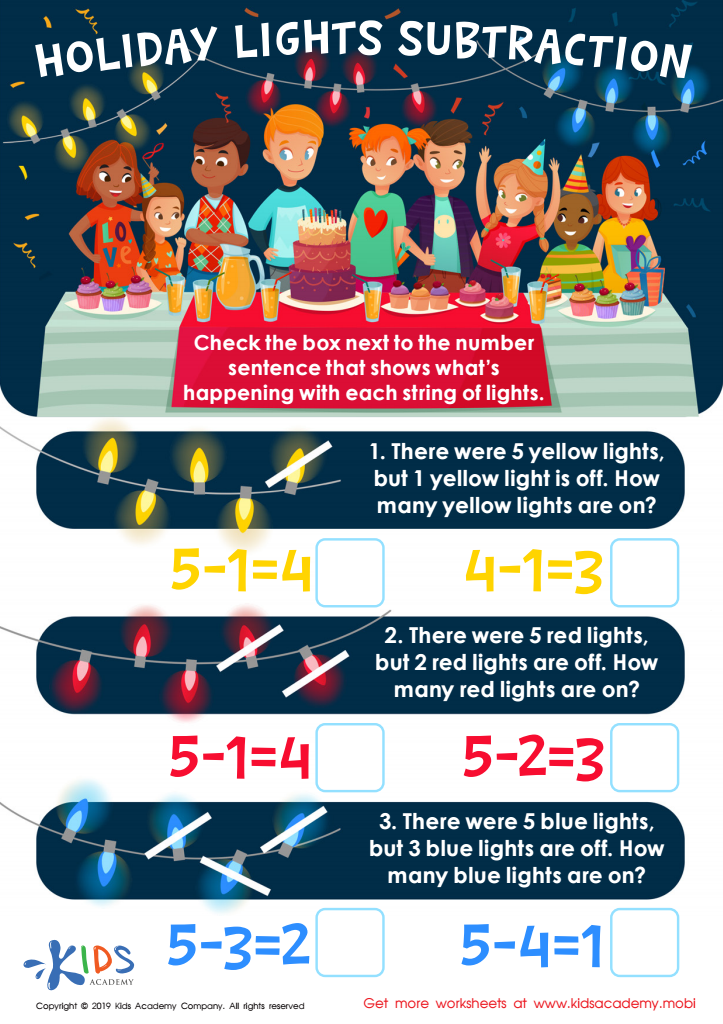
Holiday Lights Subtraction Worksheet
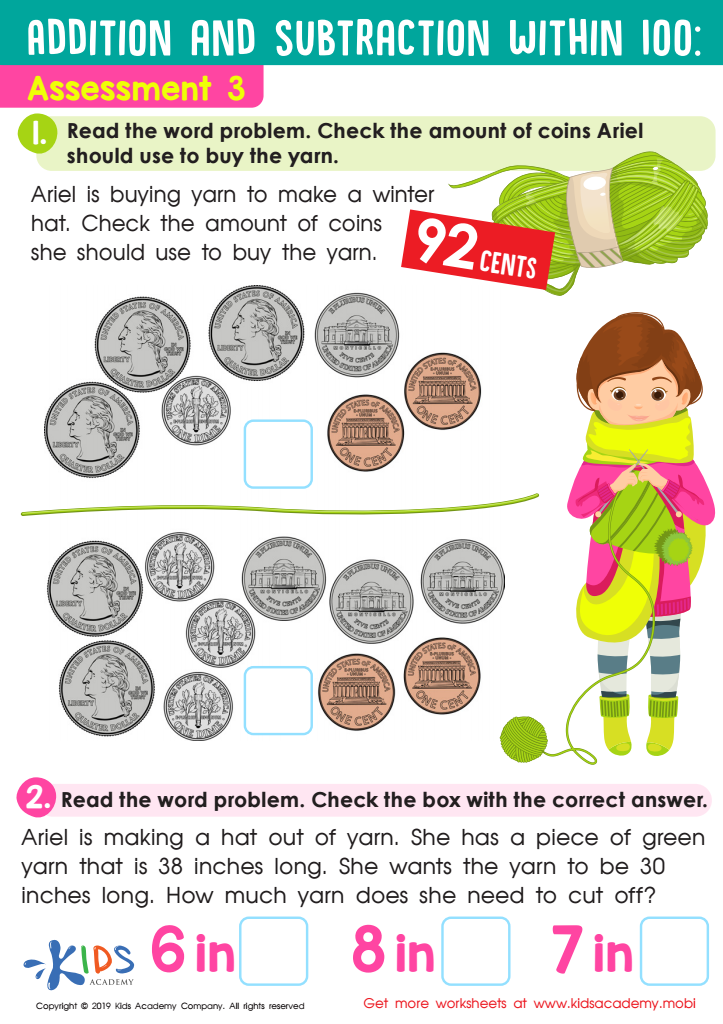
Assessment 3 Math Worksheet
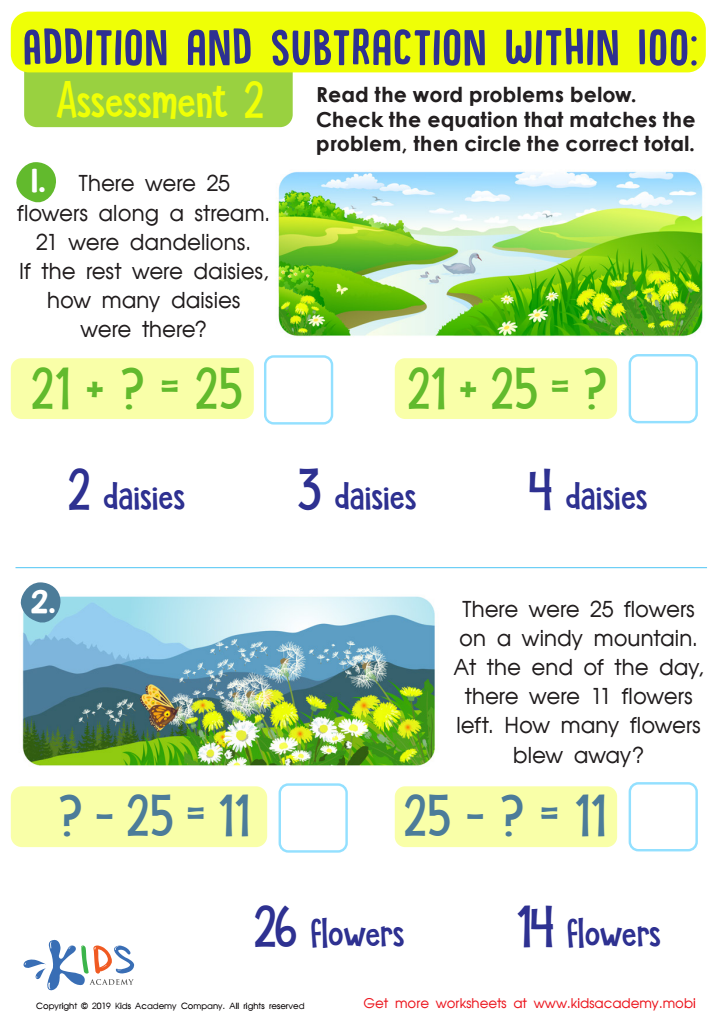
Assessment 2 Math Worksheet
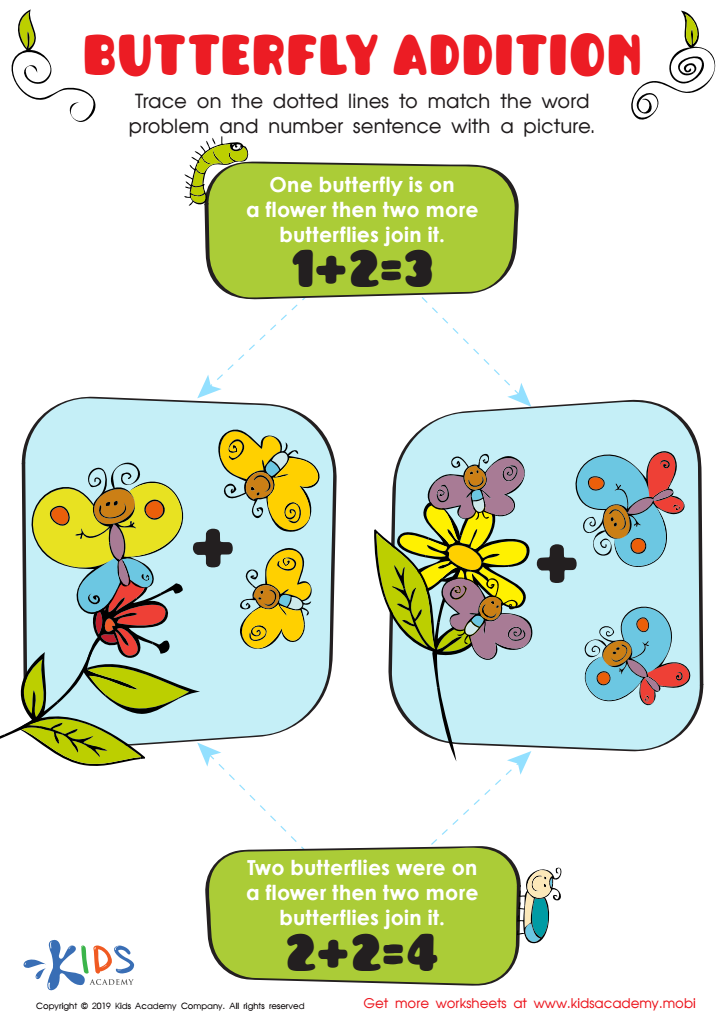
Butterfly Addition Worksheet
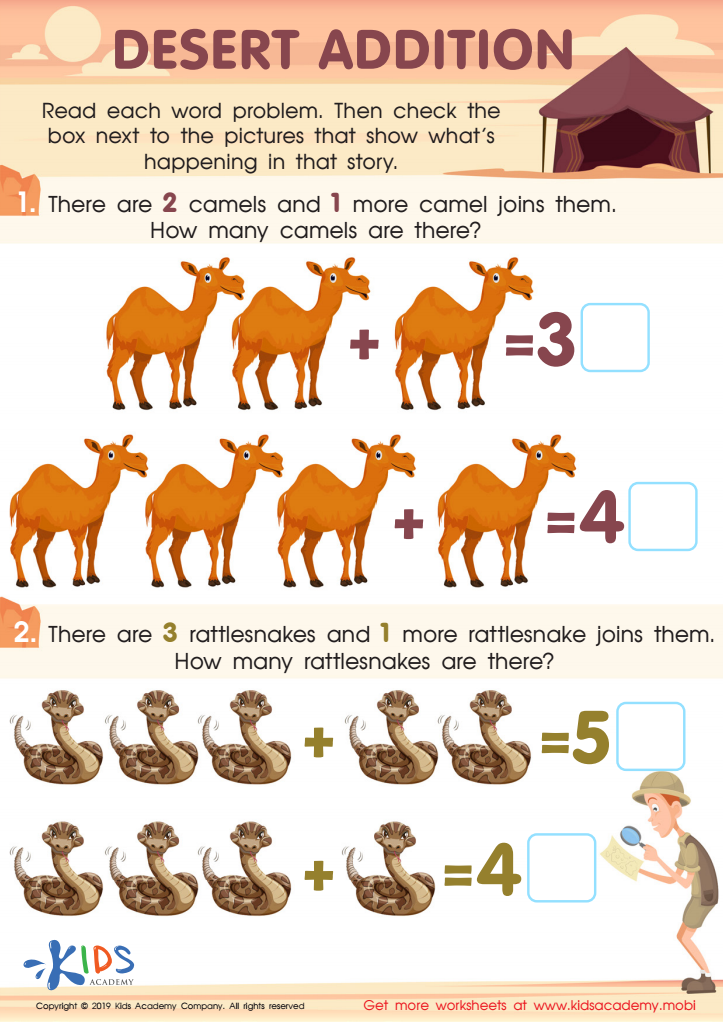
Desert Addition Worksheet
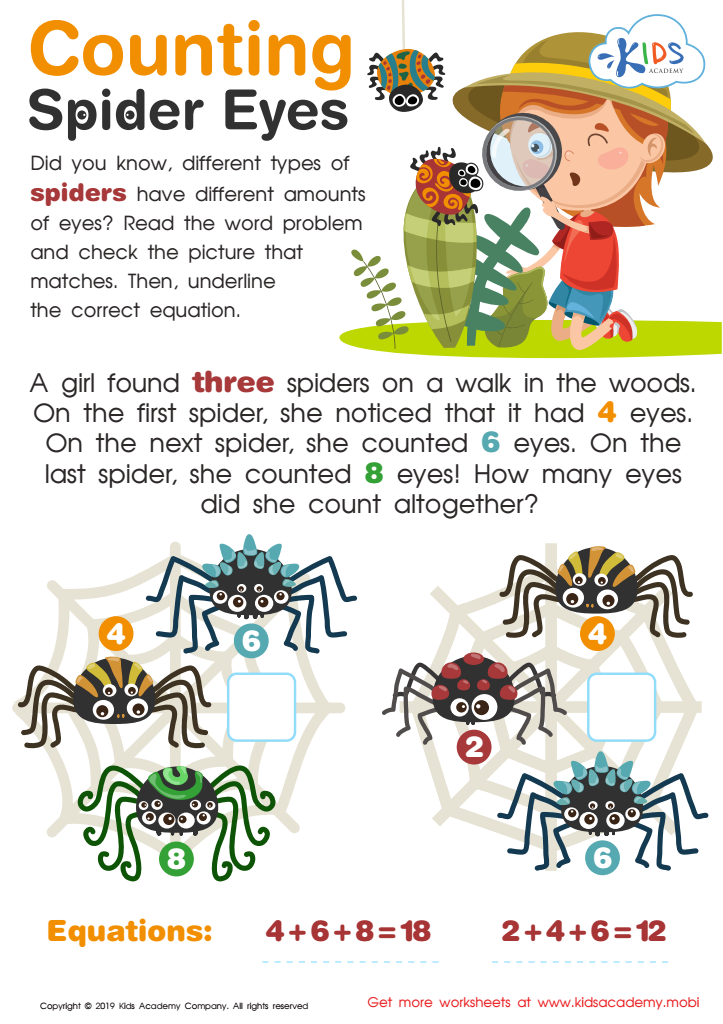
Counting Spider Eyes Worksheet
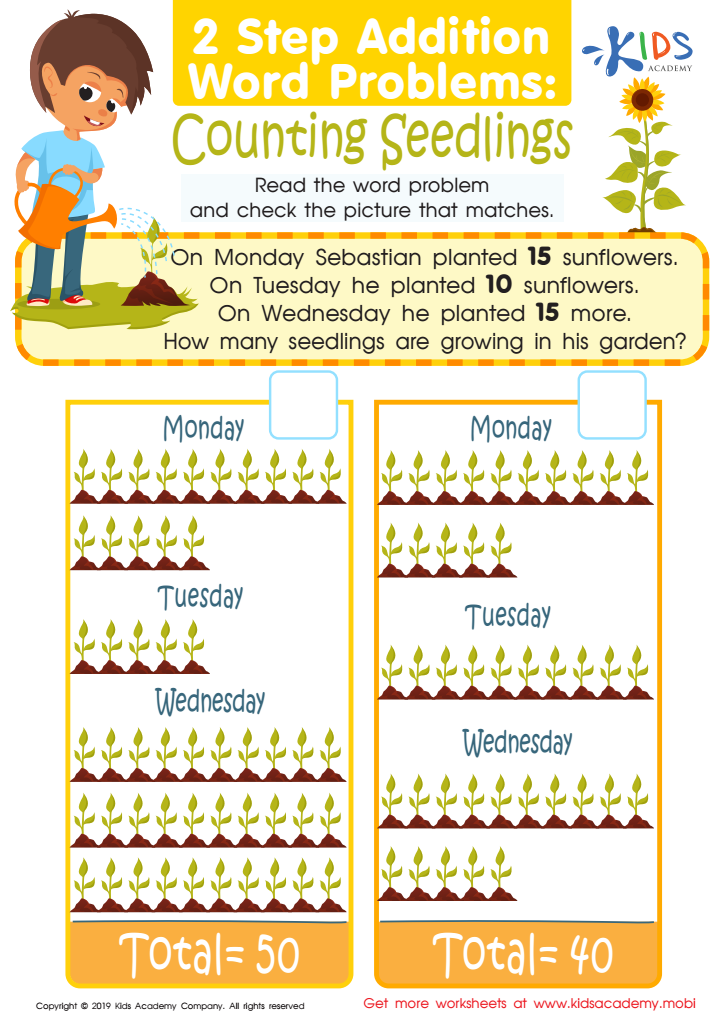
Counting Seedlings Worksheet
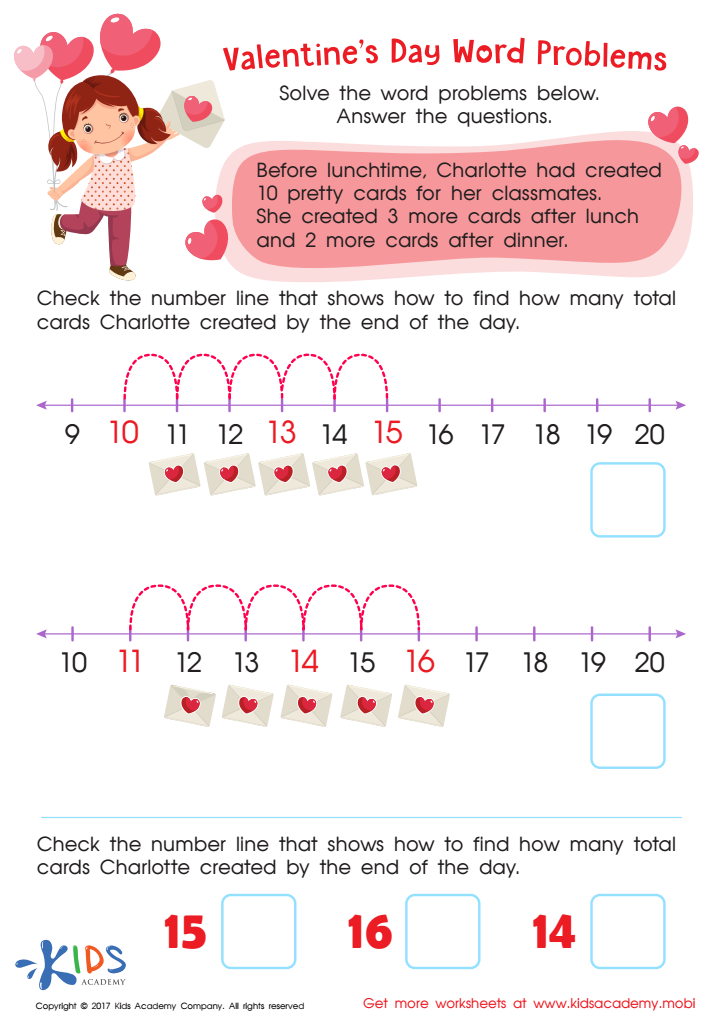
Valentines Day Word Problem Worksheet
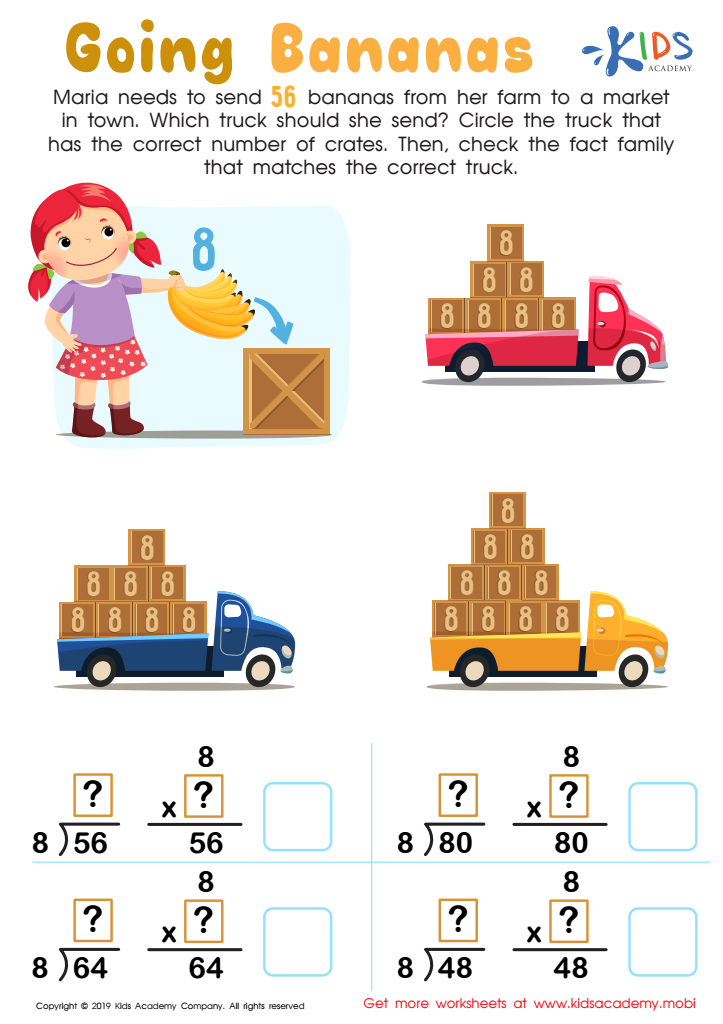
Going Bananas Worksheet
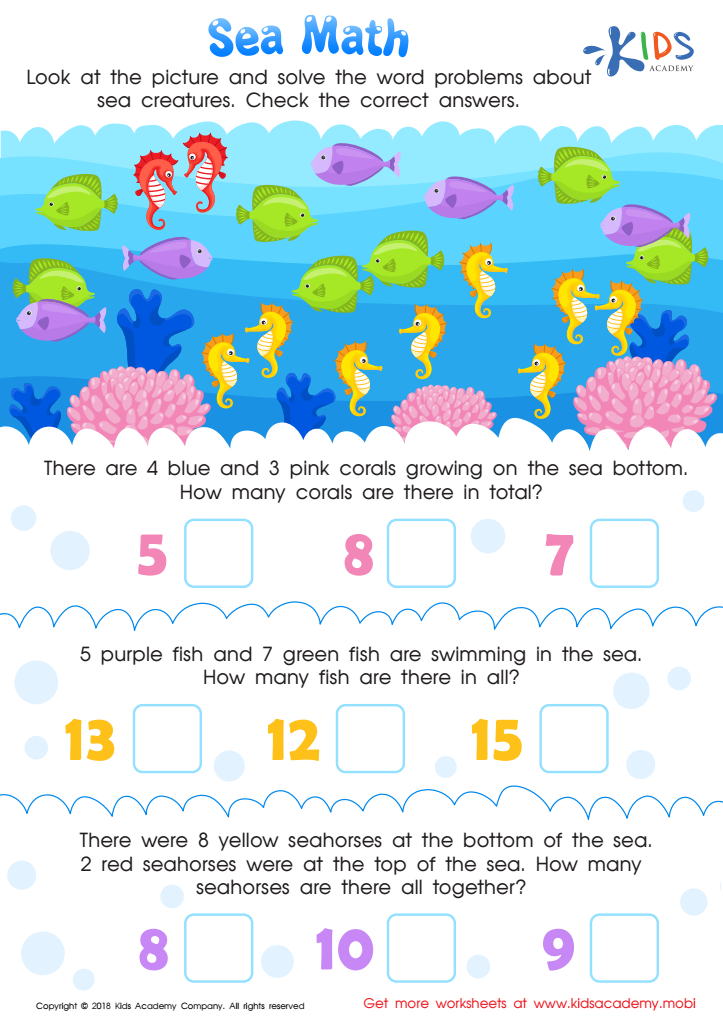
Sea Math Worksheet
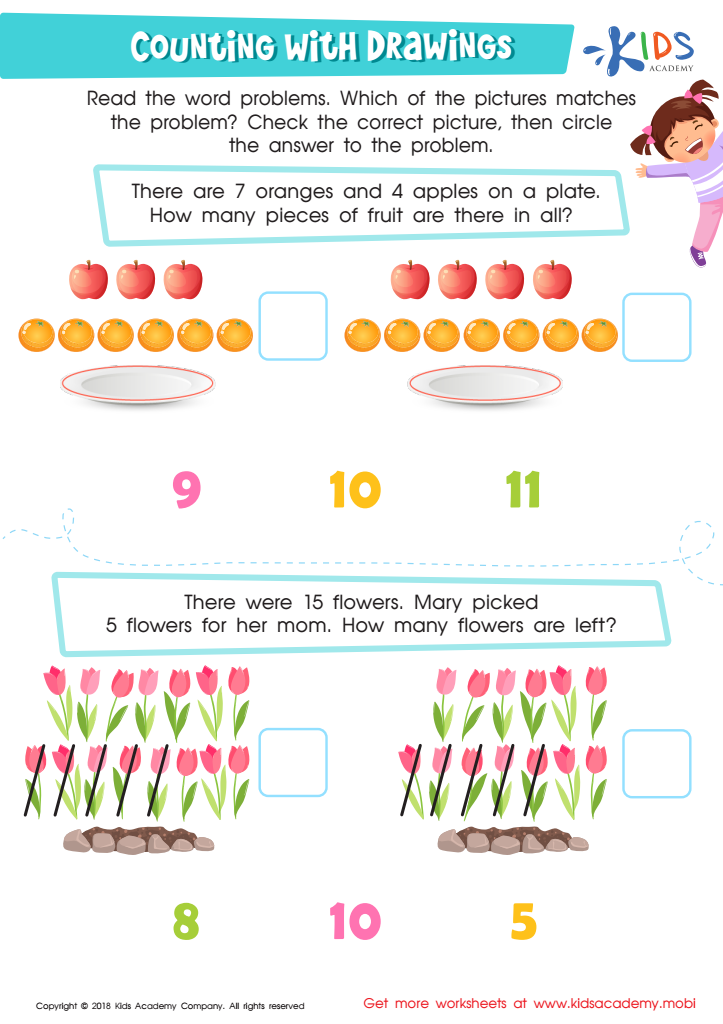
Counting with Drawings: Fruits & Chocolates Worksheet
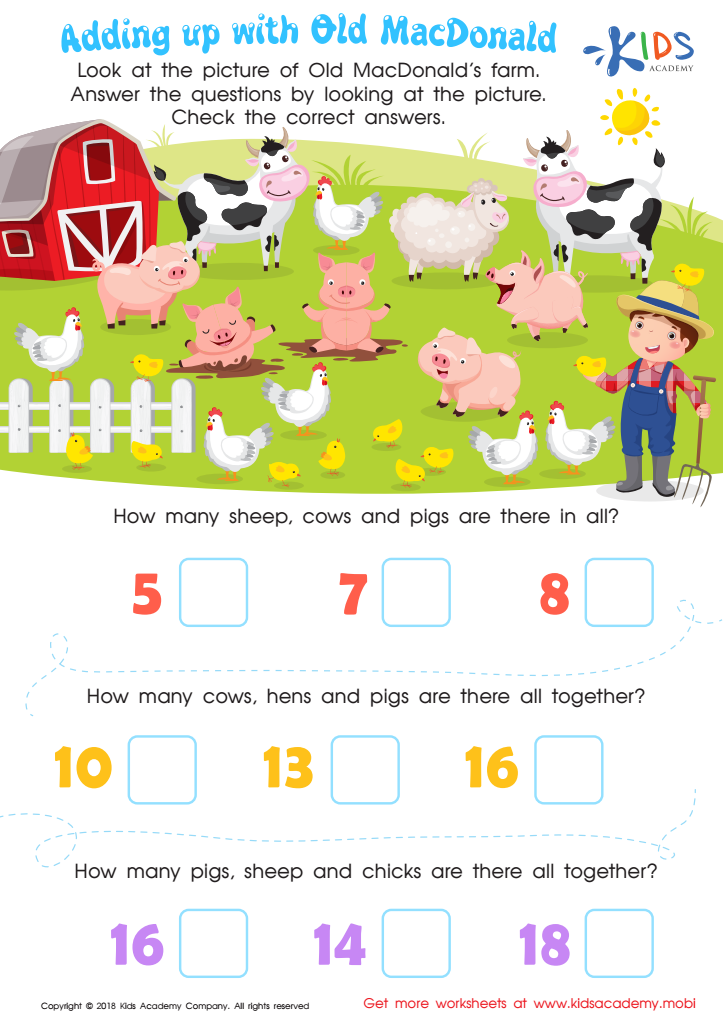
Adding Up with Old MacDonald Worksheet
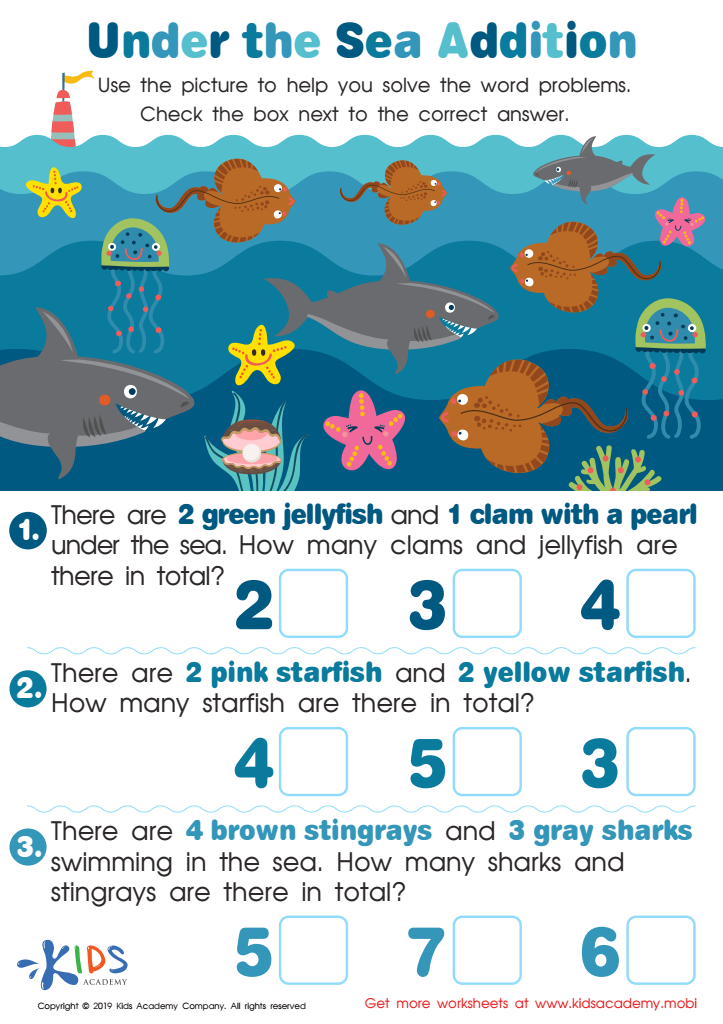
Under the Sea Addition Worksheet
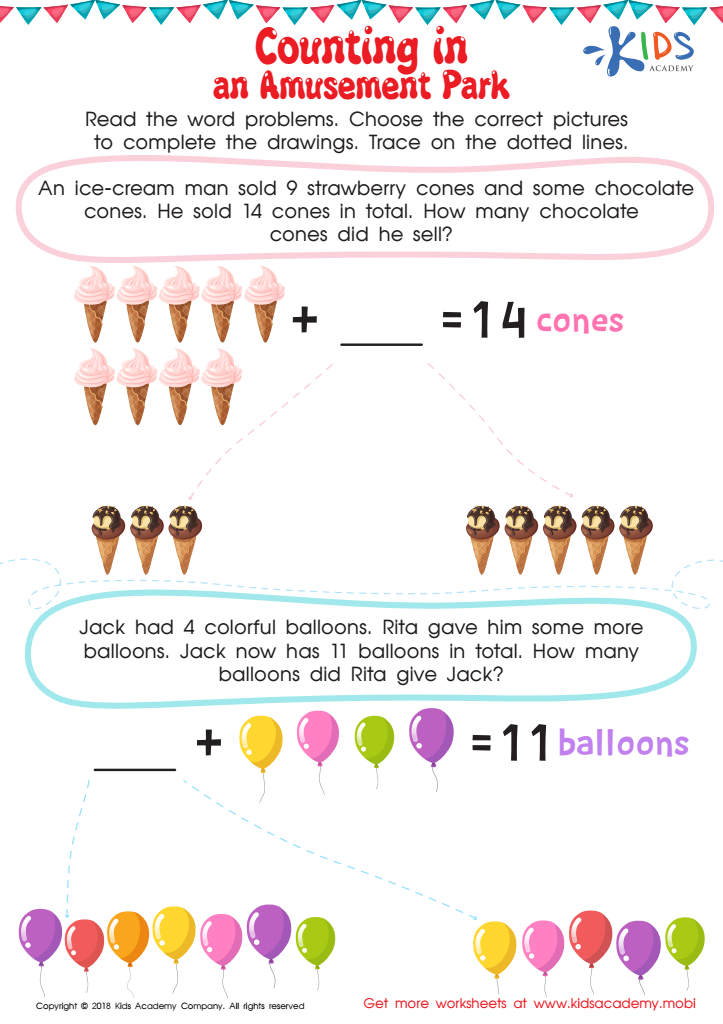
Counting in an Amusement Park Worksheet
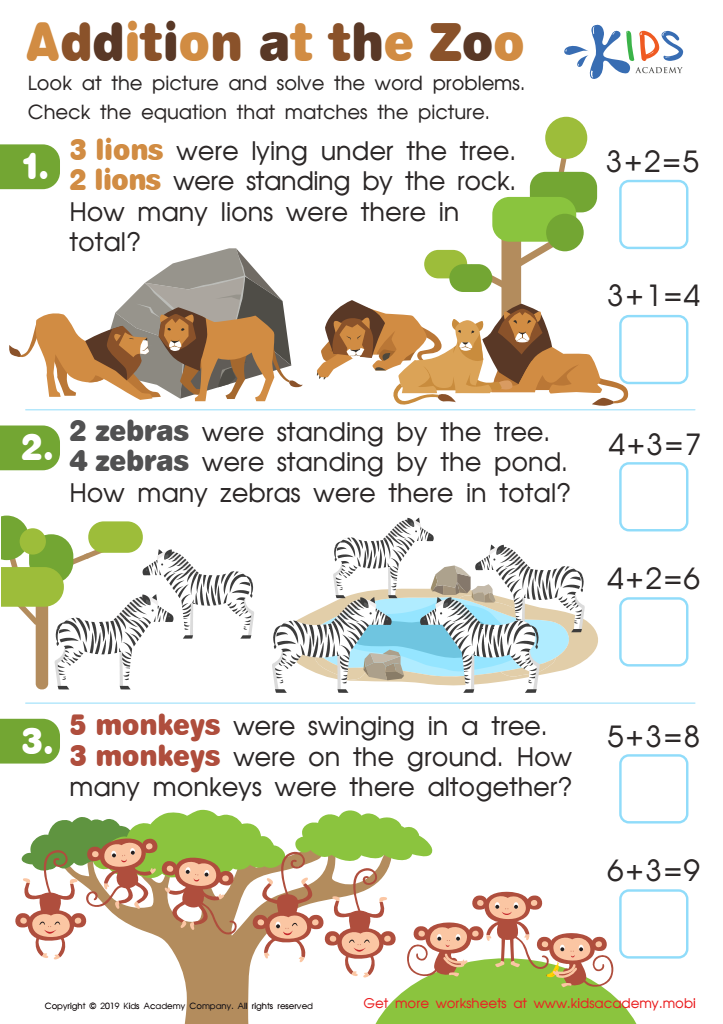
Addition at the Zoo Worksheet
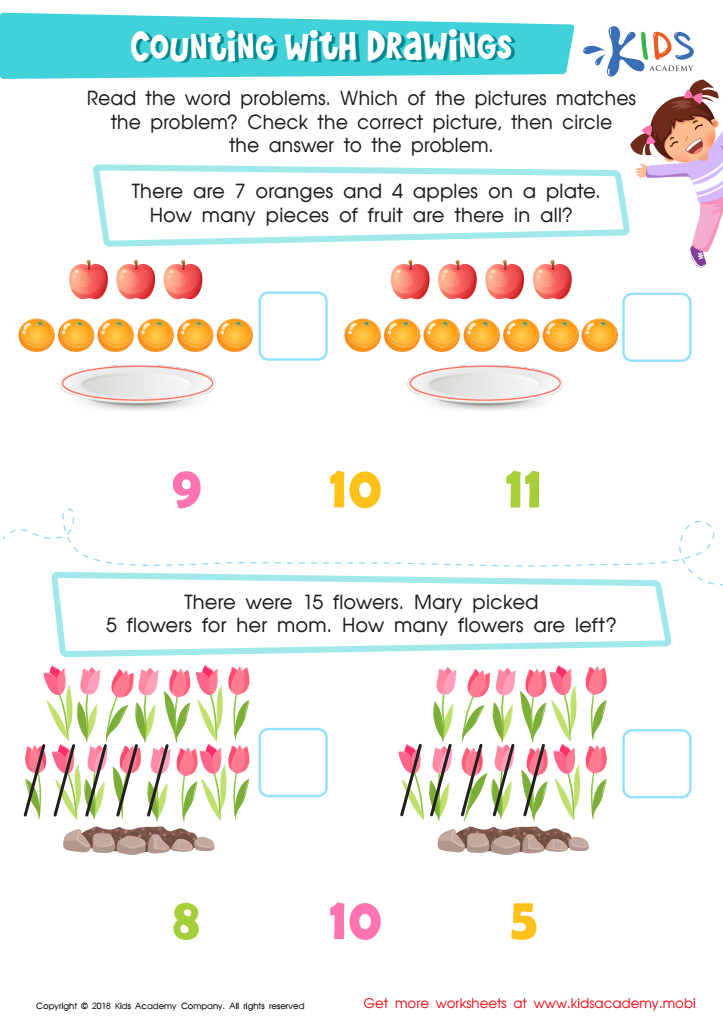
Counting with Drawings:Fruits & Flowers Worksheet







Number recognition word problems are crucial for children ages 8-9 for several reasons. At this developmental stage, kids are transitioning from basic arithmetic to more complex mathematical concepts. Word problems help bridge this gap by contextualizing math in real-life scenarios, which makes learning more engaging and relatable.
Firstly, these problems enhance a child's number sense, which is the ability to understand, relate, and connect numbers. Improved number sense fosters better mathematical reasoning and problem-solving skills. Kids learn not just to perform calculations but also to understand why and when to use specific operations.
Secondly, word problems boost reading comprehension and vocabulary. Children need to read the problem carefully, identify relevant information, and decode complex instructions. This dual exposure to math and language arts accelerates their cognitive and analytical skills, thereby promoting interdisciplinary learning.
Moreover, solving word problems builds persistence and critical thinking. These tasks often require multiple steps and a good deal of patience, teaching children perseverance and the joy of tackling a challenging puzzle.
Finally, success in number recognition word problems prepares students for standardized tests and everyday situations demanding numerical literacy. As our world increasingly relies on STEM skills, these foundational abilities are essential for future academic and career success.
By investing in this aspect of early education, parents and teachers set the stage for a lifetime of confident problem-solvers.








