Analytical thinking Building Vocabulary Worksheets for Ages 8-9
3 filtered results
-
From - To
Unlock the power of analytical thinking with our Building Vocabulary Worksheets designed specifically for ages 8-9. These engaging resources encourage young learners to dissect words, explore meanings, and enhance comprehension skills in a fun and interactive way. By connecting vocabulary with critical thinking exercises, children will develop the ability to analyze and understand language nuances. Our worksheets promote not only vocabulary expansion but also the essential skills of deduction and reasoning. Perfect for both classroom and at-home learning, these worksheets empower kids to become confident readers and thinkers. Discover the joy of learning through language with our carefully crafted worksheets!
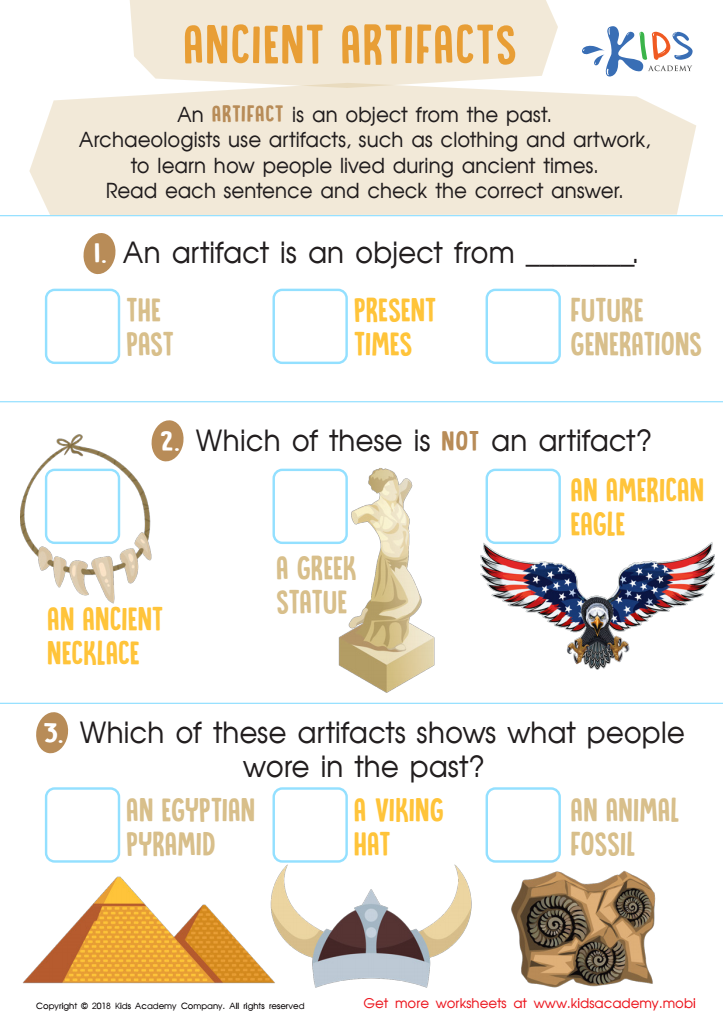
Ancient Artifacts Worksheet
 Assign to My Students











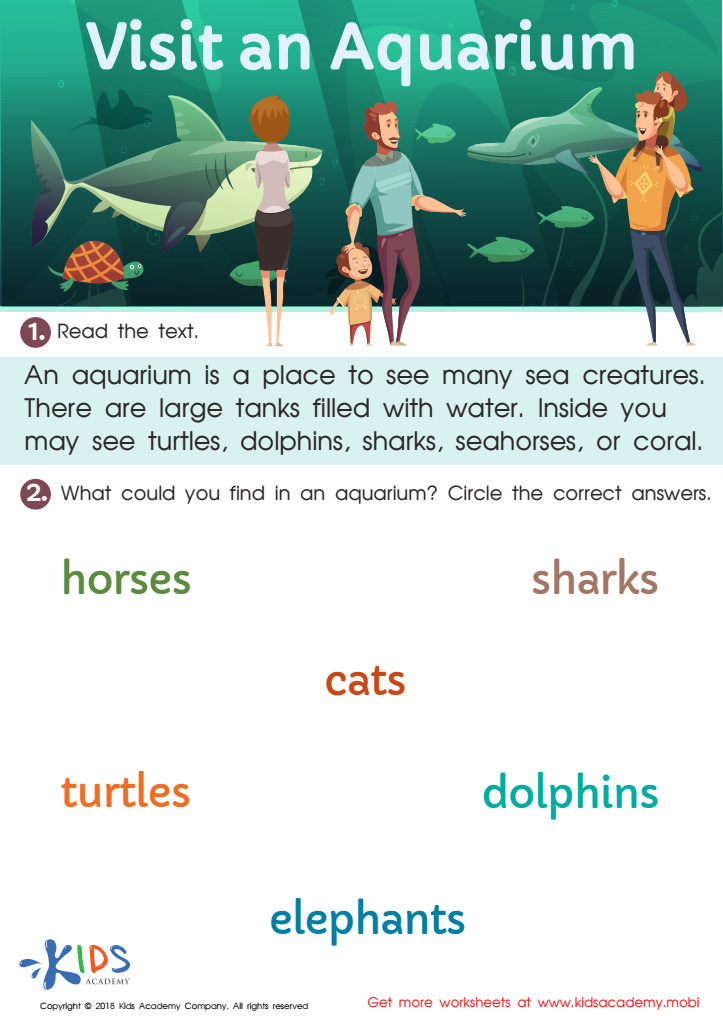
Visit an Aquarium Worksheet
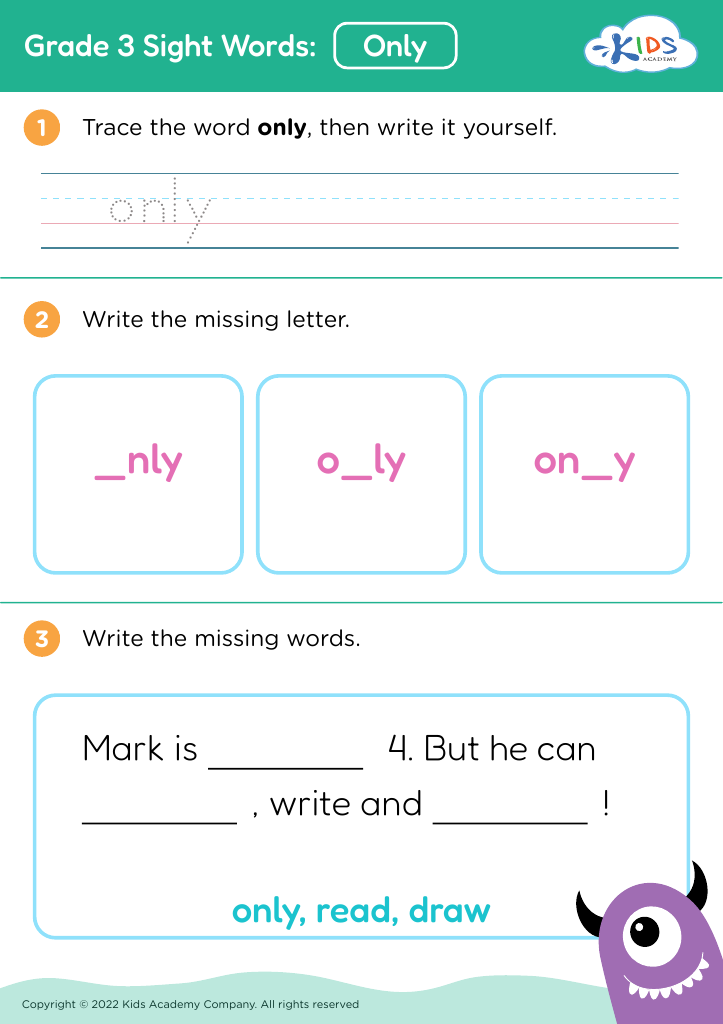








Parents and teachers should prioritize fostering analytical thinking and vocabulary building for children aged 8-9, as both skills are foundational to their academic success and personal growth. At this age, children are transitioning from learning to read to reading to learn; a robust vocabulary expands their ability to understand complex texts and express ideas clearly.
Analytical thinking helps children develop problem-solving skills, as they learn to assess situations, evaluate information, and draw conclusions. This cognitive ability is crucial not only in academics—where critical thinking is required across subjects—but also in everyday life, helping children make informed decisions as they grow.
Building vocabulary enhances communication, allowing children to articulate thoughts more effectively. A rich vocabulary empowers them to engage more meaningfully in conversations, ask questions, and participate in discussions, fostering confidence and social skills.
Moreover, these skills promote a love for learning. As children explore new words and engage in critical thinking activities, they become more curious about the world, encouraging lifelong learning. By investing in analytical thinking and vocabulary at this critical stage, parents and teachers equip children with the tools they need for future academic challenges and personal development.








