Identifying shapes Building Vocabulary Worksheets for Ages 8-9
3 filtered results
-
From - To
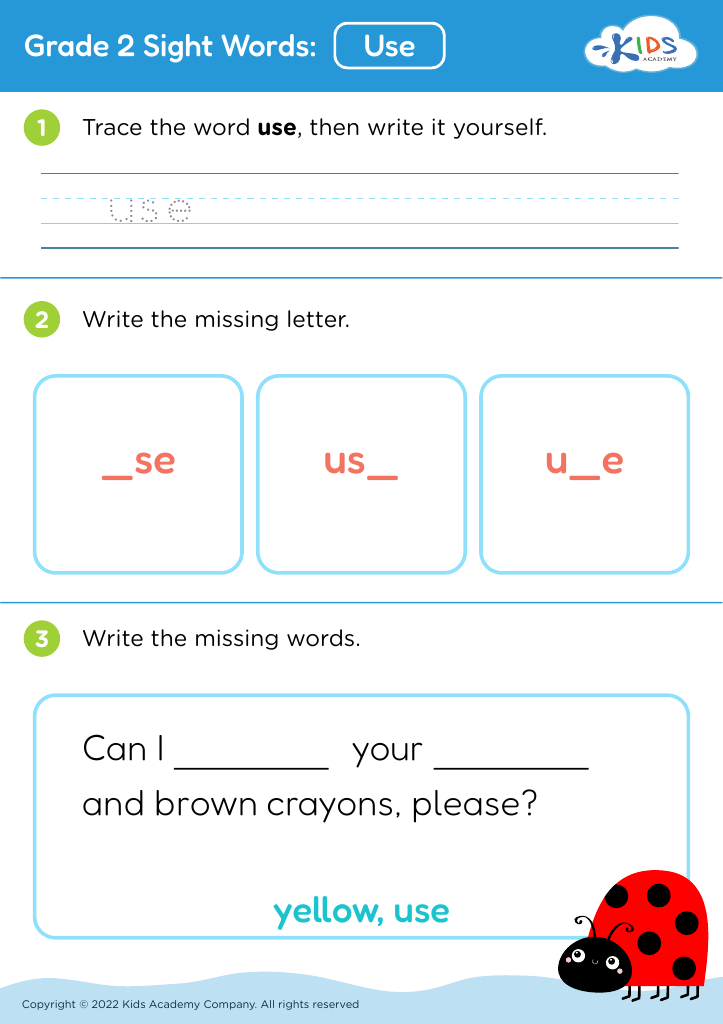
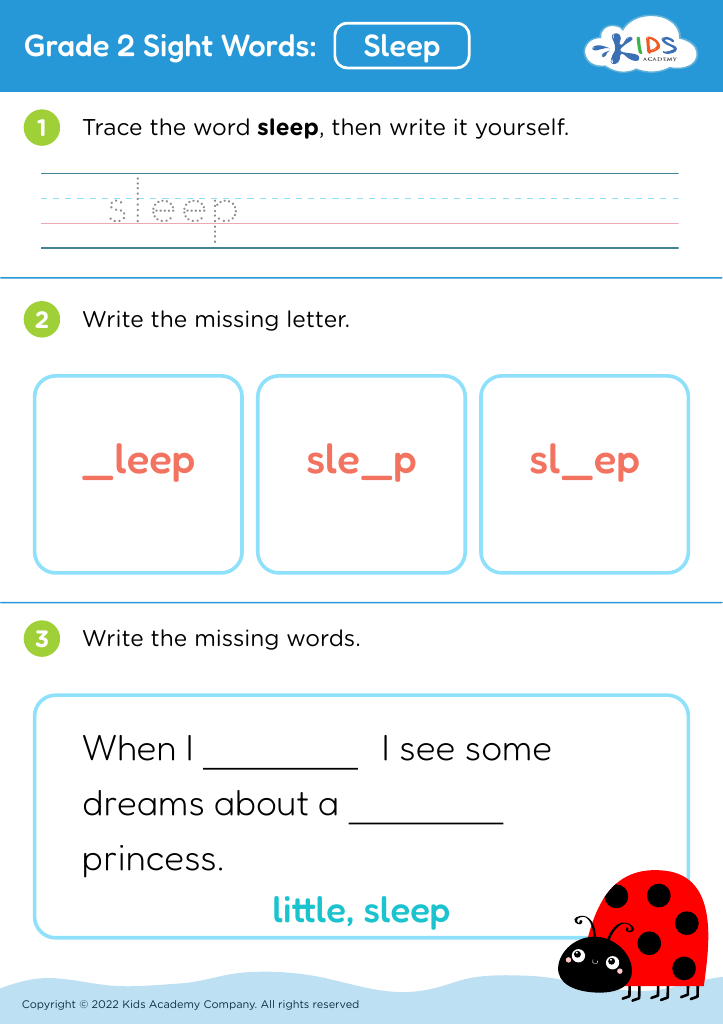
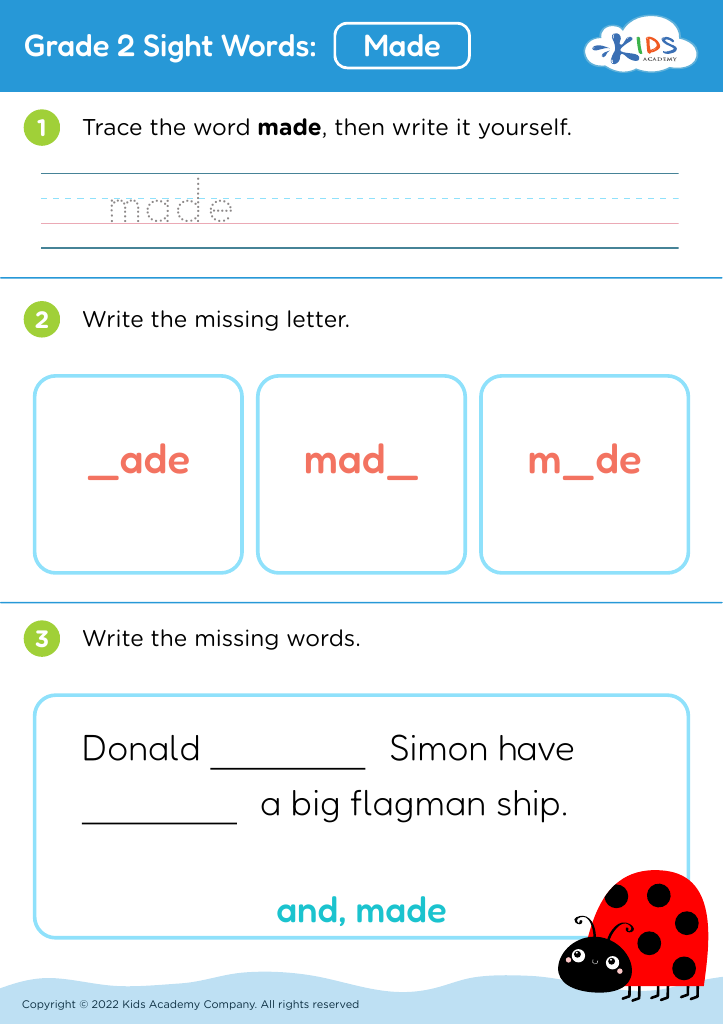
Discover our engaging "Identifying Shapes Building Vocabulary Worksheets" designed specifically for children aged 8-9! These worksheets are perfect for enhancing your child's understanding of geometric shapes while simultaneously building their vocabulary skills. Through fun activities and exercises, students will learn to recognize and describe various shapes, promoting both critical thinking and language development. Our printable resources ensure easy access, making learning enjoyable and interactive. Ideal for classroom use or homework, these worksheets provide a solid foundation in geometry, helping kids connect shapes to their real-world applications. Foster a love for learning in your child with our creative worksheets today!















.jpg)



Identifying shapes and building vocabulary are crucial developmental milestones for children aged 8-9. At this stage, students begin to enhance their cognitive skills, which are essential for their overall academic growth. Recognizing and categorizing shapes helps children develop critical thinking abilities, as they learn to compare, contrast, and analyze different geometric figures. This foundation in spatial awareness not only aids mathematics comprehension but also supports disciplines like art and technical subjects.
Additionally, vocabulary development at this age is vital as it enhances communication skills and cognitive understanding. A rich vocabulary empowers children to express their thoughts and ideas more clearly and effectively, fostering confidence and social interaction. Understanding terms related to shapes promotes precise communication about geometry in math lessons and applies to real-world contexts.
Furthermore, a strong vocabulary aids in reading comprehension, enabling children to engage more fully with texts in various subjects. When parents and teachers emphasize the significance of identifying shapes and building vocabulary, they are equipping children with tools for analytical thinking, problem-solving, and effective expression. This dual focus can facilitate improved academic performance and better prepare them for future educational challenges, making it an essential concern for both parents and educators.








