Simplifying Fractions Building Vocabulary Worksheets for Ages 8-9
3 filtered results
-
From - To
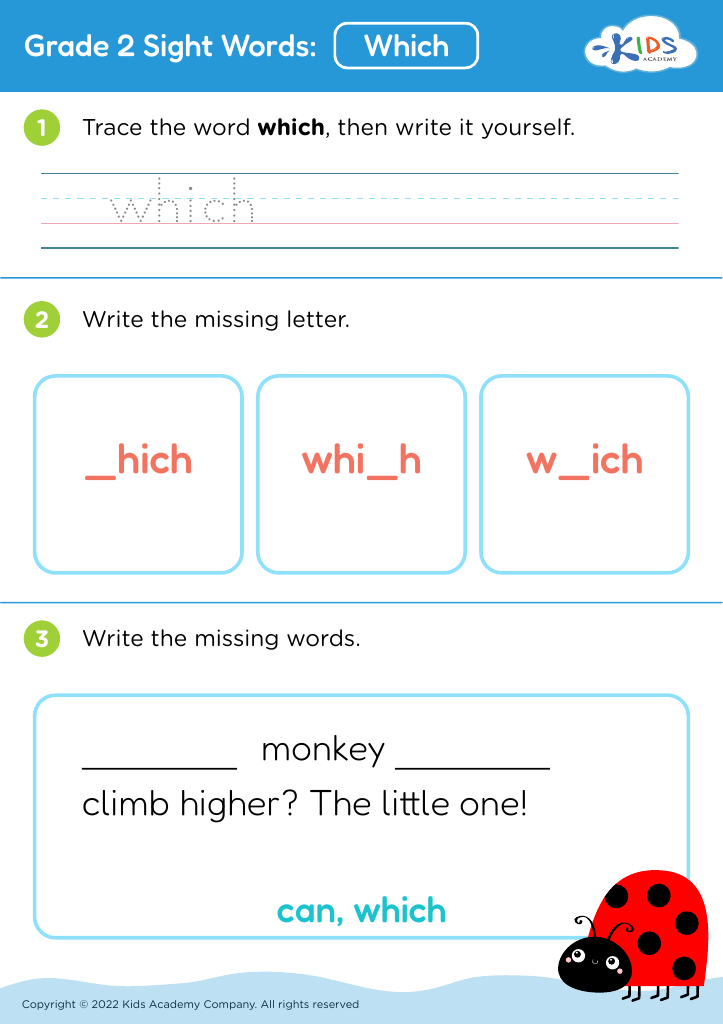
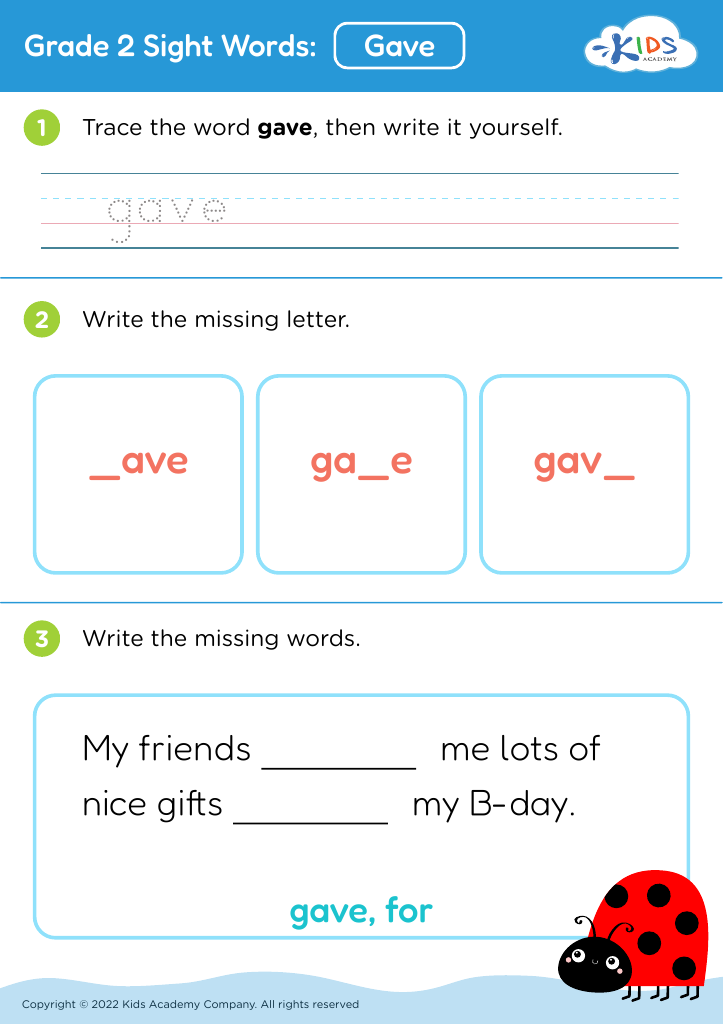
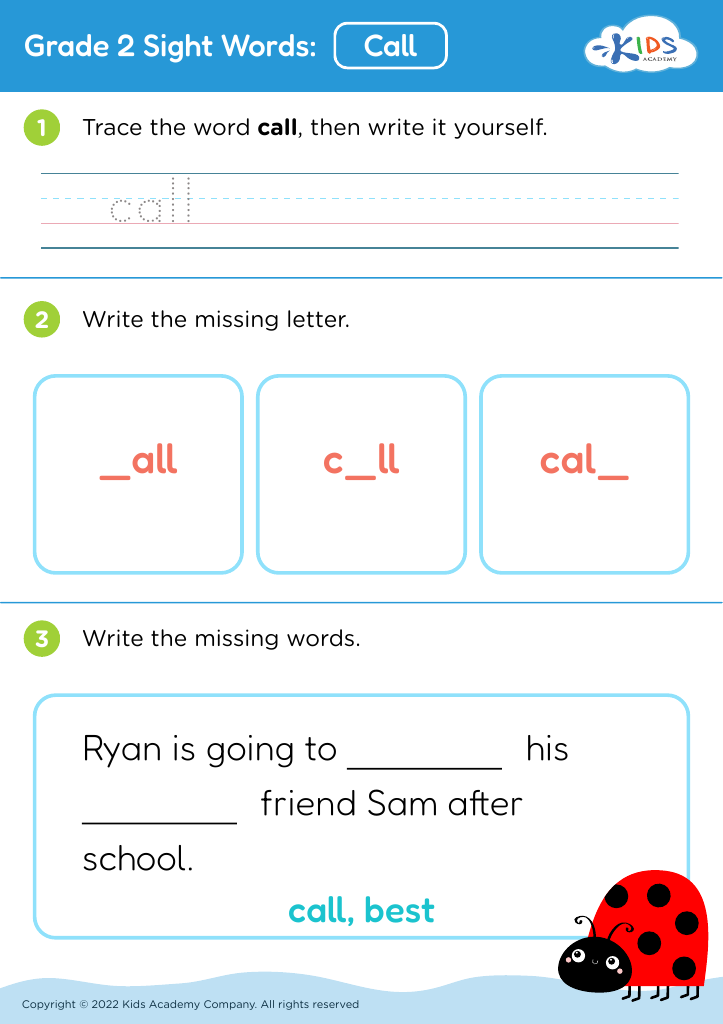
Boost your child's math and vocabulary skills with our Simplifying Fractions Building Vocabulary Worksheets for Ages 8-9. These engaging, printable worksheets help students master fraction simplification while enhancing their math-related vocabulary. Each sheet presents fun and challenging problems, aiding in their understanding of key concepts and terms. Specifically designed for third and fourth graders, our resources align with educational standards to support classroom learning. Perfect for homeschool or supplementary practice, these worksheets nurture confidence in young learners by combining fundamental math skills with essential language development. Help your child excel in fractions and vocabulary with Kids Academy today!



















Simplifying fractions is a foundational skill essential for developing strong math proficiency. For children aged 8-9, mastering this concept enhances their numerical literacy and prepares them for more complex mathematical operations. When parents and teachers focus on simplifying fractions, they help students grasp the relationship between numerators and denominators, laying the groundwork for advanced topics like algebra, ratio, and proportion.
Building a relevant vocabulary around this concept from an early age is immensely beneficial. By familiarizing students with terms such as "numerator," "denominator," "common factor," and "greatest common divisor," educators make math less intimidating and more accessible. A strong vocabulary aids in better comprehension and retention, which translates to higher confidence and improved performance in the subject.
Moreover, teaching vocabulary in the context of action (e.g., simplifying fractions) brings theory and practice together, making learning engaging and meaningful. As children develop an intuitive understanding and the verbal tools to discuss fractions, they become more capable of tackling word problems and real-life situations involving fractions.
In summary, investing in simplifying fractions and building associated vocabulary is crucial. It boosts math skills, opens doors to future learning, and sets children on a path to academic success in mathematics and beyond.








