Understanding fractions Building Vocabulary Worksheets for Ages 8-9
23 filtered results
-
From - To
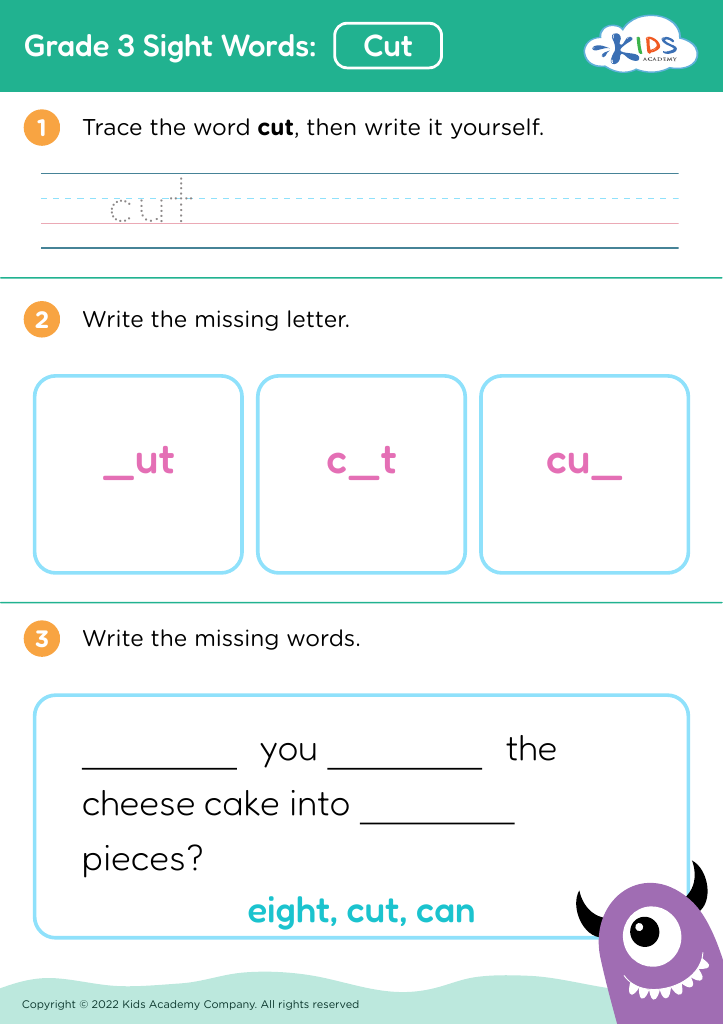
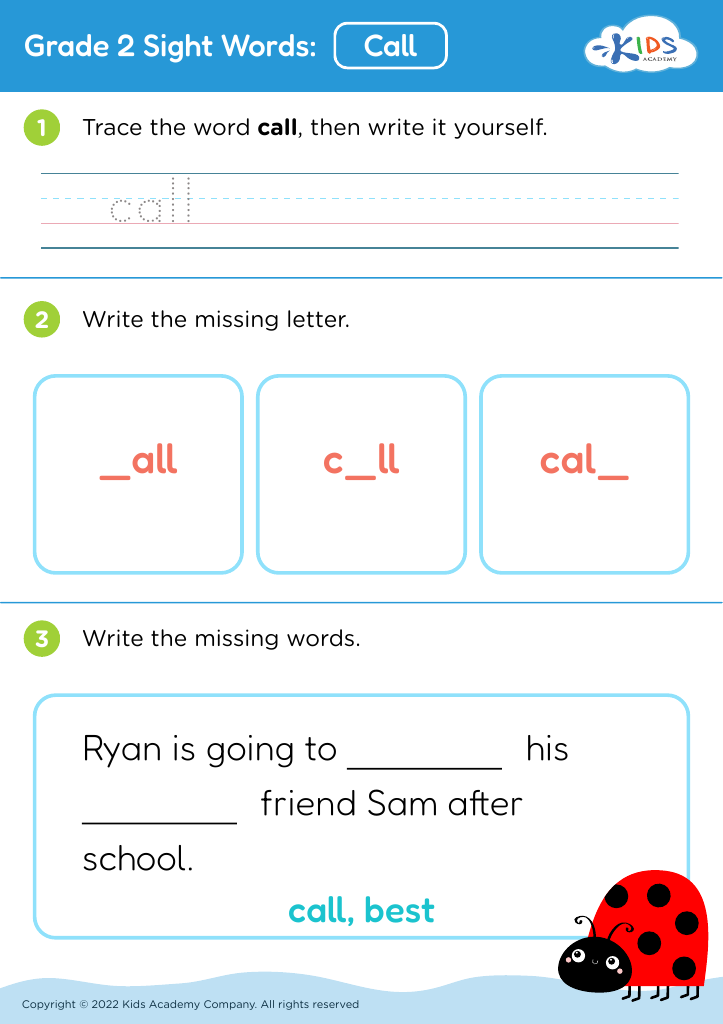
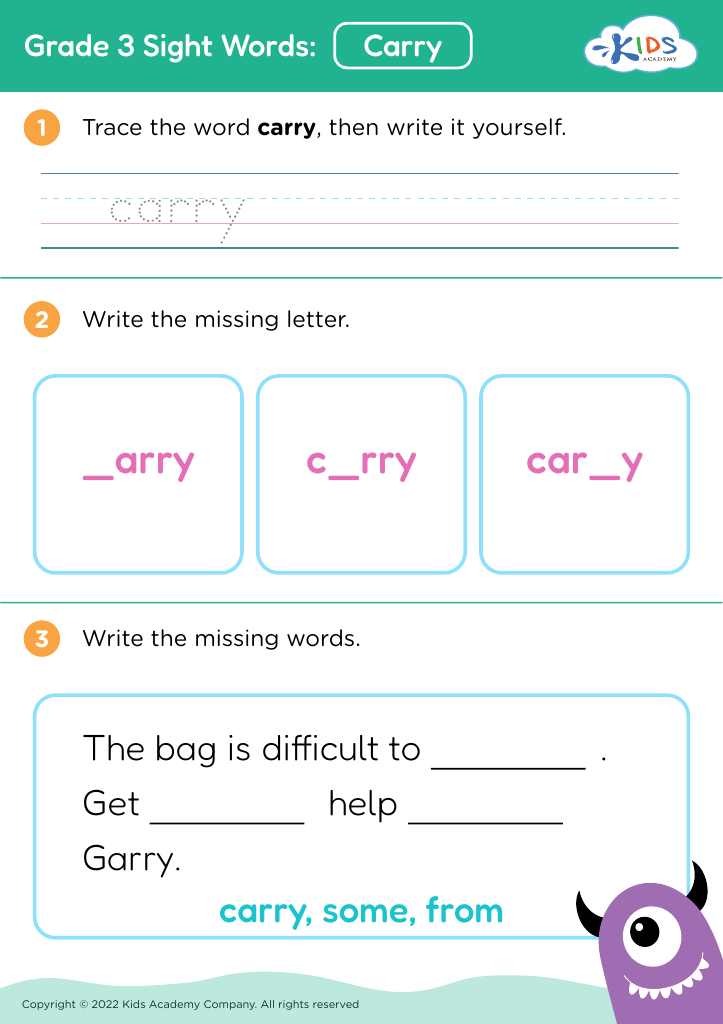
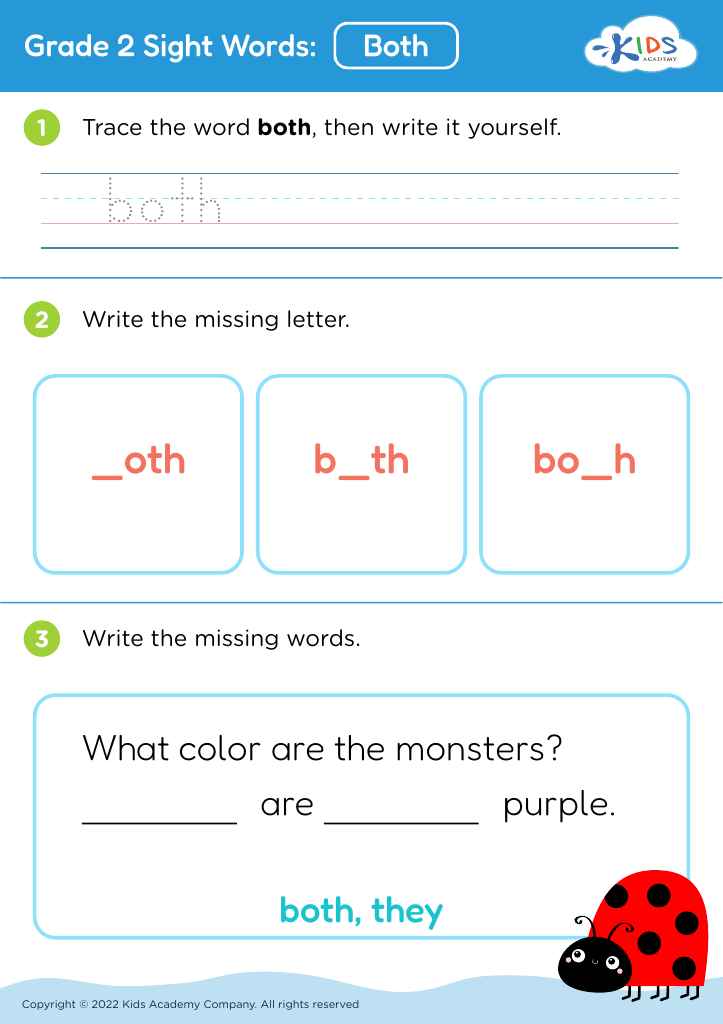
Explore our "Understanding Fractions Building Vocabulary Worksheets" designed specifically for children aged 8-9. These engaging resources aim to enhance students' comprehension of fractions while enriching their mathematical vocabulary. Featuring a variety of interactive exercises, the worksheets encourage critical thinking and problem-solving skills through fun and relatable examples. As students progress, they will build confidence in identifying, comparing, and using fractions in everyday contexts. These worksheets are perfect for classroom activities or at-home learning, providing a solid foundation for future math concepts. Unlock the world of fractions today and watch your child's academic skills flourish!



















Understanding fractions and building vocabulary are essential components of a child's education, especially for ages 8-9. At this stage, children are beginning to encounter more complex mathematical concepts that lay the foundation for future learning. Developing a solid grasp of fractions helps them interpret and solve real-world problems, from cooking to budgeting. It cultivates critical thinking and enhances their ability to reason quantitatively.
Moreover, building vocabulary is crucial at this age as it enhances reading comprehension and facilitates communication. A robust vocabulary allows children to express themselves clearly and understand instructions better, promoting active participation in their learning. When children can articulate their ideas, it aids their ability to collaborate with peers and engage in meaningful discussions.
Additionally, integrating vocabulary building into fraction lessons—such as terms like "numerator," "denominator," and “equivalent”—supports their mathematical understanding. This interconnected learning enhances cognitive development and reinforces the importance of language in math.
Parents and teachers should care about these aspects because they directly impact a child's confidence and academic performance. Investing time in understanding fractions and vocabulary not only prepares children for standardized assessments but fosters a lifelong love for learning, setting them up for future academic success and healthy communication skills.








