Addition Practice Sight Words Worksheets for Ages 8-9
3 filtered results
Difficulty Level
Grade
Age
-
From - To
Subject
Activity
Standards
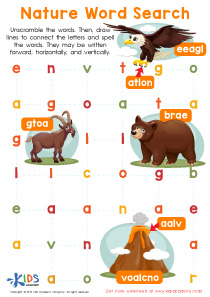
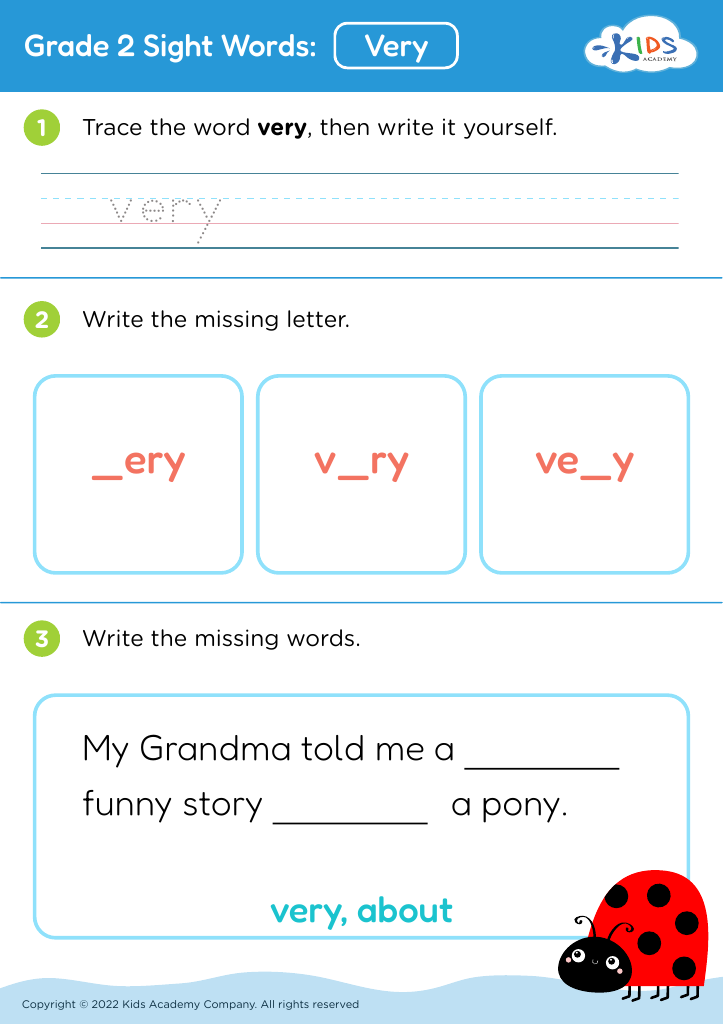
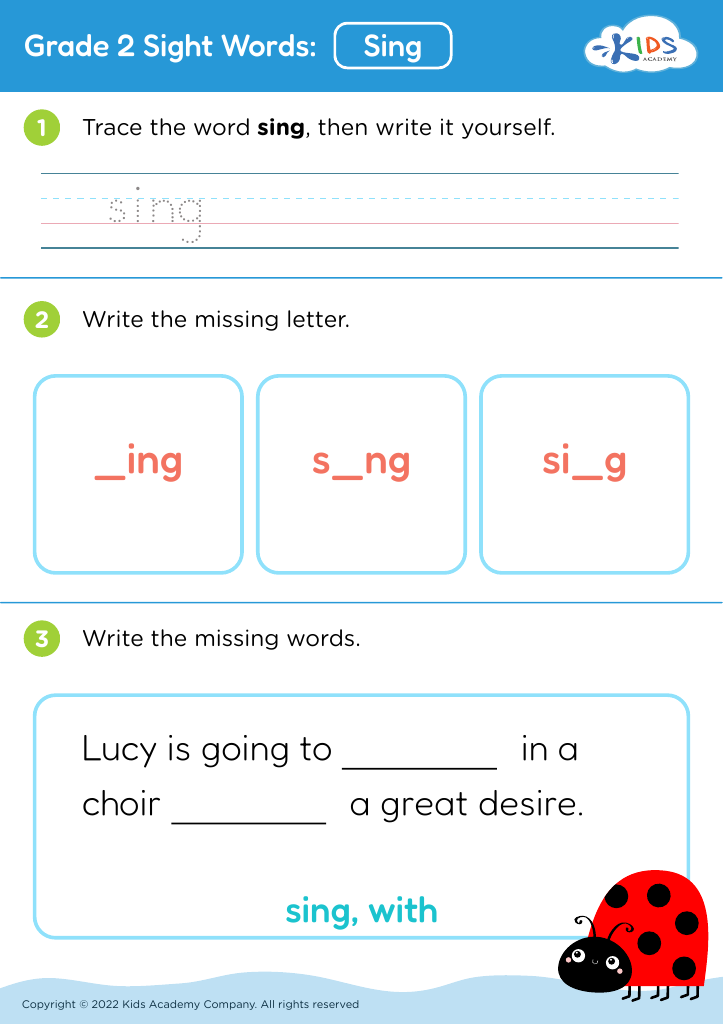
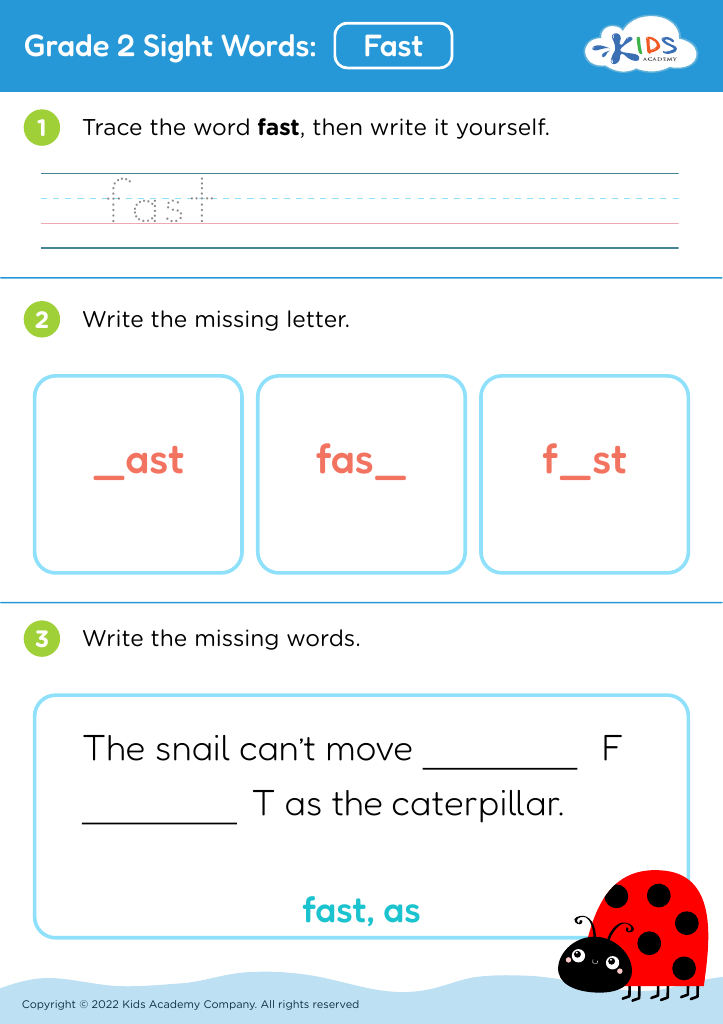
Discover our "Addition Practice Sight Words Worksheets for Ages 8-9"! Perfectly blending mathematics and reading skills, these engaging worksheets help children practice essential sight words while reinforcing addition skills. Each worksheet offers a fun, interactive way for kids to enhance vocabulary and math proficiency simultaneously. Ideal for classroom or homeschool use, our worksheets foster both literacy and numeracy, making learning an enjoyable and comprehensive experience. Ready to support your 8-9-year-olds in becoming confident learners? Dive into our collection now and watch their skills multiply!
Favorites
With answer key
Interactive







Join Kids Academy for Free
Who is primarily going to use this learning content?





.jpg)
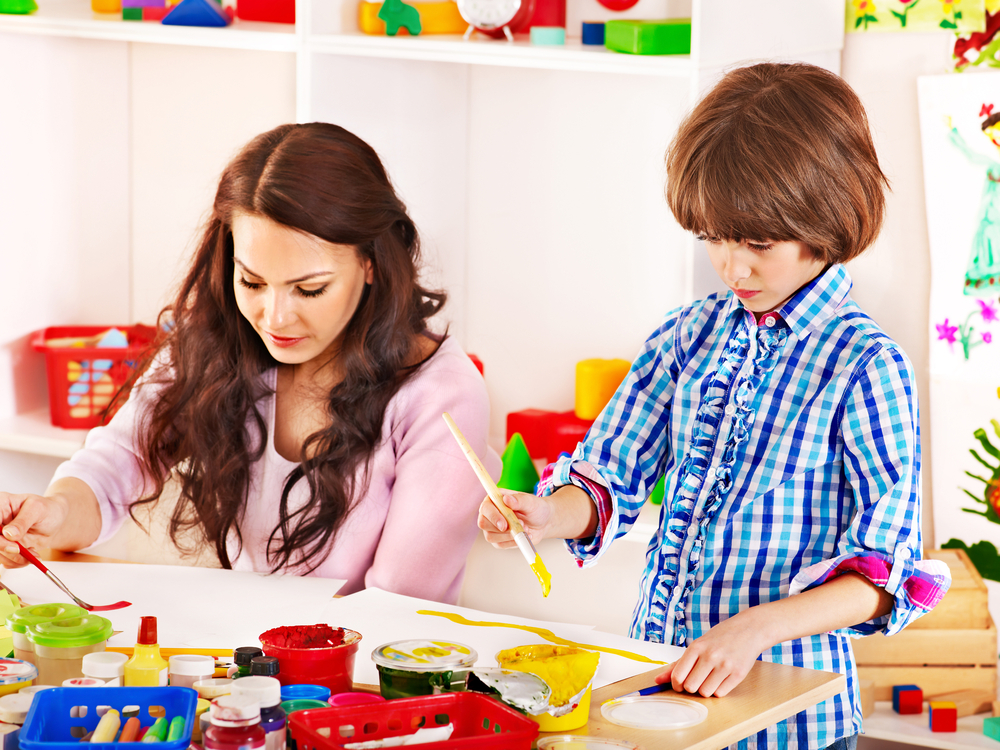

Parents and teachers should care about addition practice and sight words for ages 8-9 because these activities build critical foundational skills essential for academic success. Around this age, children transition from simple arithmetic to more advanced mathematical concepts. Regular addition practice hones their basic calculation skills, enhances number sense, and facilitates mental math development, necessary for succeeding in higher-level math classes.
Engaging with sight words is equally crucial. Sight words are commonly used words that young readers should recognize on sight, without needing to sound them out. Mastery of these words improves reading fluency, enabling children to read quicker and more accurately. This accelerated reading capability fosters better comprehension and a love for reading, as children are less bogged down by decoding and can focus more on understanding the text.
Additionally, practicing these skills concurrently benefits cognitive development. Mathematical exercises enhance logical thinking and problem-solving abilities, while reading promotes language acquisition and critical thinking. By focusing on both areas, parents and teachers prepare children not just for immediate academic tasks, but for lifelong learning and thinking. Therefore, regular practice in these skills is integral to a child's overall educational development and future academic achievements.