Critical Thinking Sight Words Worksheets for Ages 8-9
3 filtered results
-
From - To
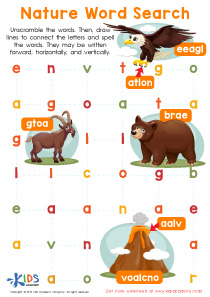
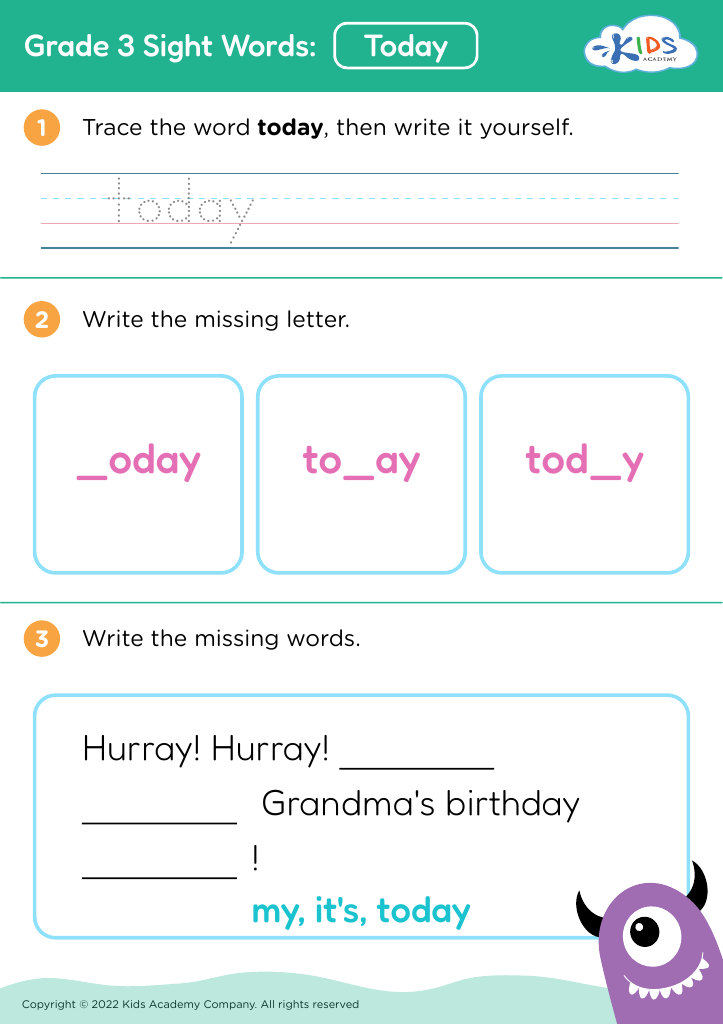
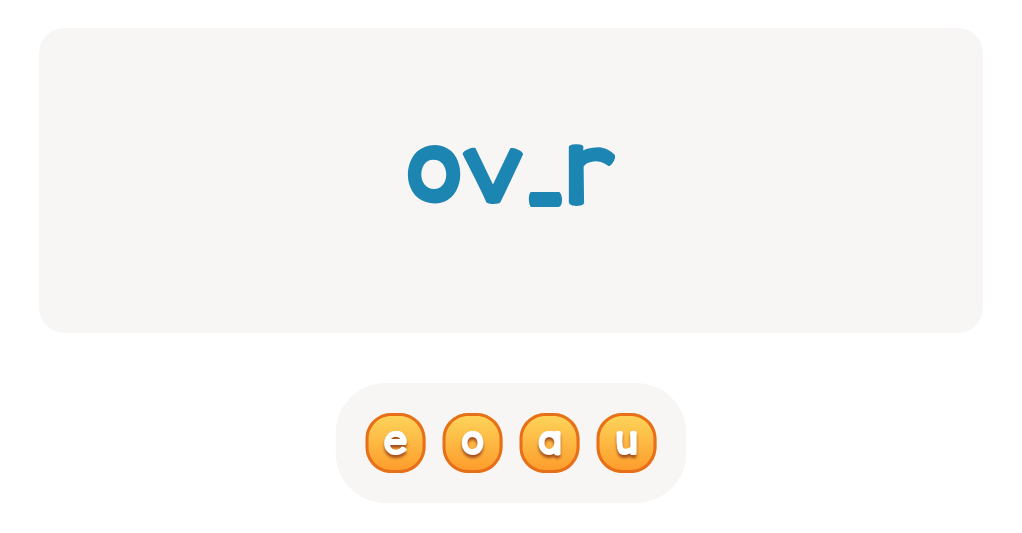
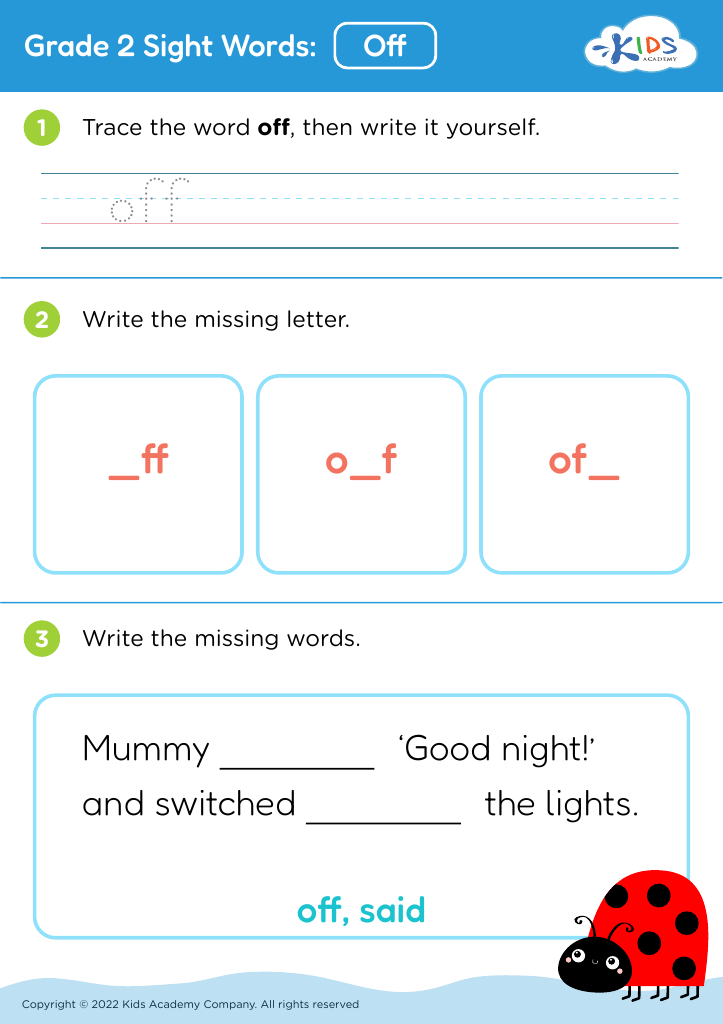
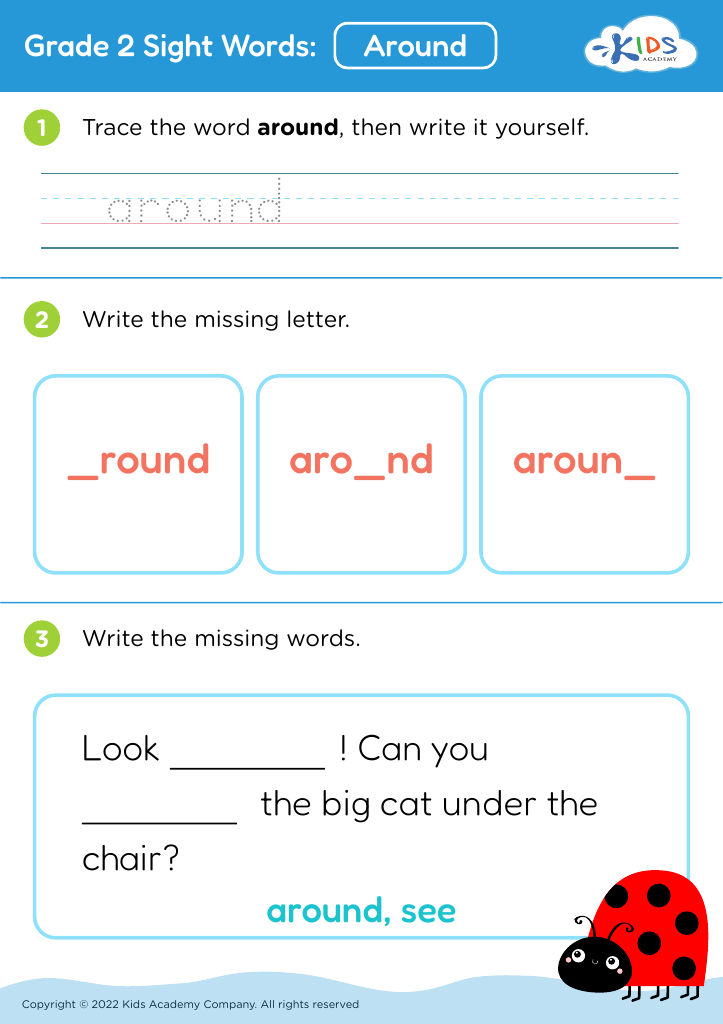
Enhance your child's reading skills with our Critical Thinking Sight Words Worksheets designed for ages 8-9. These engaging printable activities not only reinforce essential sight words but also encourage young learners to develop their analytical skills. Each worksheet promotes critical thinking through fun exercises, such as matching words to definitions, filling in the blanks, and using sight words in context. By integrating reading fluency with cognitive challenges, we aim to build a strong foundation in literacy. Perfect for home or classroom use, these worksheets will inspire your child to think deeply while mastering their sight words in a personalized and enjoyable way.













.jpg)
Critical Thinking Sight Words play a vital role in enhancing the literacy skills of children aged 8-9, a crucial demographic for developing reading fluency and comprehension. At this age, students are not just learning to read; they are now reading to learn. Integrating critical thinking with sight words helps kids better understand context, broaden their vocabulary, and foster engagement with the material.
Parents and teachers should prioritize this approach because it cultivates higher-order thinking skills important for academic success. By encouraging students to analyze, evaluate, and apply their knowledge, we prepare them for more complex texts and real-world problem-solving. Developing critical thinking alongside early reading fosters independent learners who can approach challenges strategically and creatively.
Moreover, sight words are fundamental in expressing thoughts clearly and cohesively. Mastering these words empowers children to construct meaningful sentences and articulate their ideas effectively. This, in turn, boosts their confidence and motivation in reading and writing activities.
Finally, equipping young learners with critical thinking skills not only enhances their literacy but also prepares them for a future in an increasingly information-driven world. By nurturing these competencies, parents and teachers lay a strong foundation for lifelong learning journey.