Fraction comparison Sight Words Worksheets for Ages 8-9
4 filtered results
-
From - To
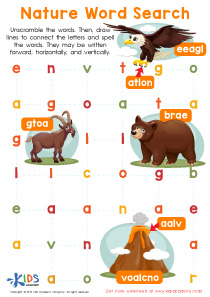
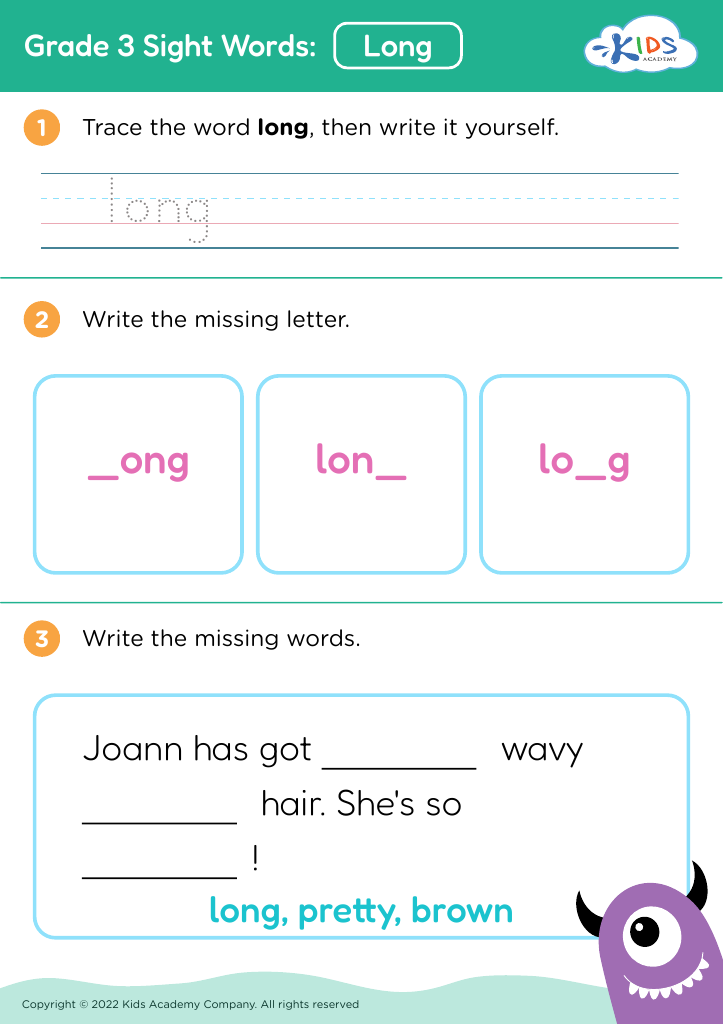
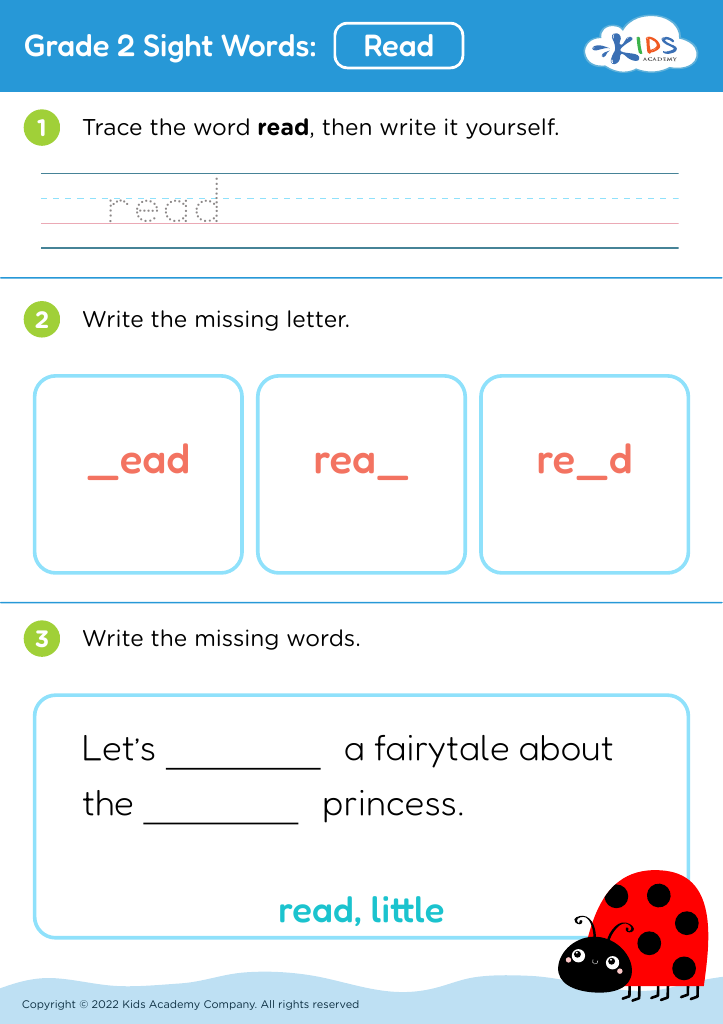
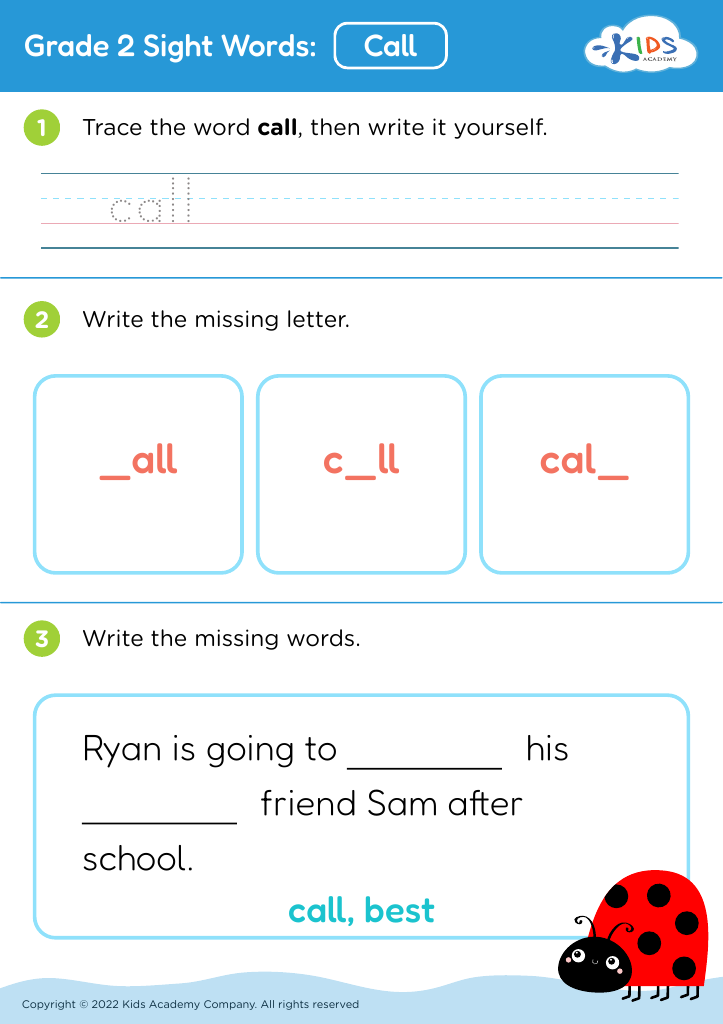
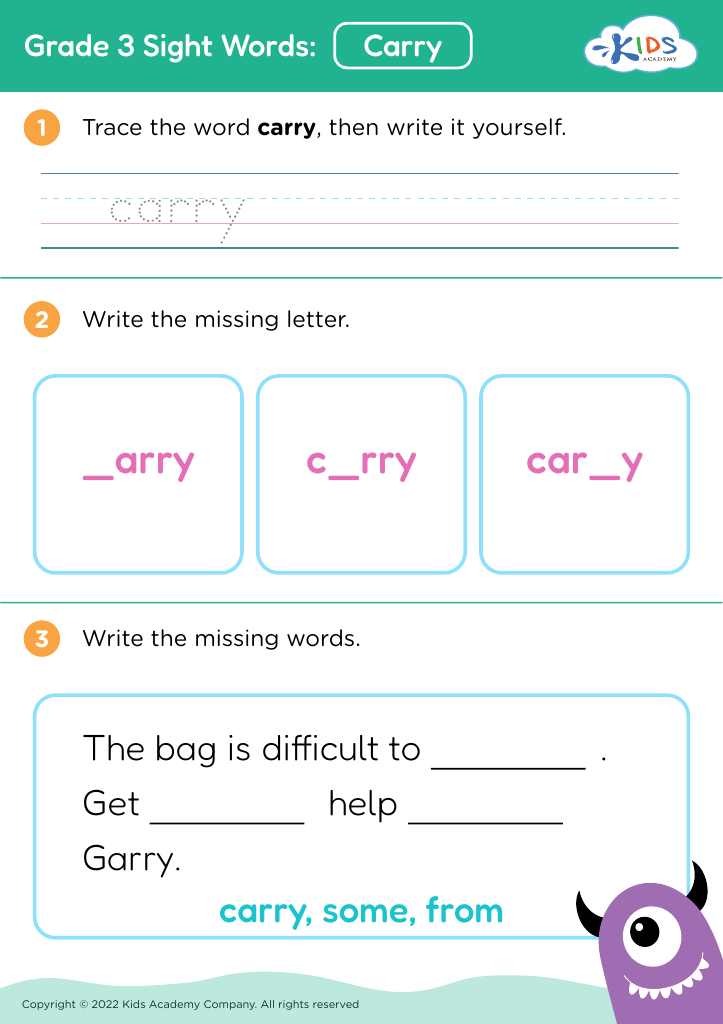
Explore our engaging Fraction Comparison Sight Words Worksheets designed specifically for children ages 8-9. These interactive worksheets seamlessly integrate math and reading skills, helping students improve their understanding of fractions while enhancing their sight word recognition. Each activity encourages critical thinking as learners compare different fractions, fostering both mathematical proficiency and literacy skills. Ideal for classroom use or home practice, these worksheets are crafted to make learning fun and effective. With a variety of exercises to choose from, children will gain confidence in their abilities while developing a strong foundation in both math and language arts. Start your child's learning journey today!







Parents and teachers should prioritize learning fraction comparison sight words for children aged 8-9 because these foundational math skills are critical for future success in mathematics and daily life. As students begin to understand and manipulate fractions, being familiar with unit fractions and comparative terms (like "greater than," "less than," and "equal to") equips them to solve complex problems effectively.
When children comprehend fraction comparison vocabulary, they develop mathematical fluency, allowing them to communicate their reasoning clearly and gain confidence in their abilities. This information aids in mastering multitiered mathematical concepts such as addition, subtraction, multiplication, and division of fractions. Moreover, recognizing these terms effortlessly helps children tackle word problems—a skill vital for standardized assessments and real-world applications.
Supporting children in grasping fraction comparison language prepares them to navigate increasingly challenging material in later grades and ensures they do not develop anxiety around math. Ultimately, fostering early math literacy, including recognition of sight words in mathematics, cultivates a well-rounded education where children feel empowered to explore, ask questions, and tackle numerical challenges head-on. Parents and teachers play essential roles in guiding this learning journey, reinforcing both academic skill sets and positive self-esteem in budding mathematicians.