Coloring skills Coloring Pages Worksheets for 8-Year-Olds
6 filtered results
-
From - To
Enhance your child's creativity and fine motor skills with our "Coloring Skills Coloring Pages Worksheets for 8-Year-Olds." Designed specifically for children in this age group, these worksheets offer engaging illustrations that encourage self-expression and artistic exploration. As kids color, they develop hand-eye coordination, concentration, and attention to detail. Our colorful and interactive pages make learning fun while allowing children to experiment with different colors and techniques. Ideal for home, classrooms, or therapy settings, these worksheets support cognitive and social-emotional development. Discover the joy of coloring while strengthening essential skills today—download your free pages and inspire your child's artistic journey!
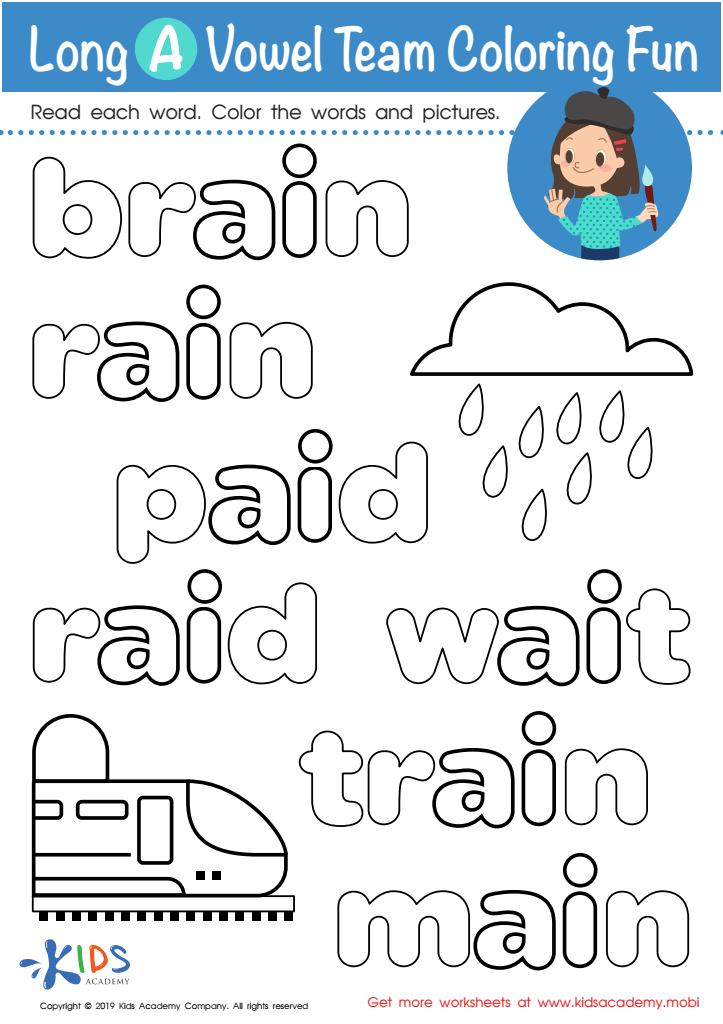
Long A Vowel Team Coloring Fun Worksheet
 Assign to My Students
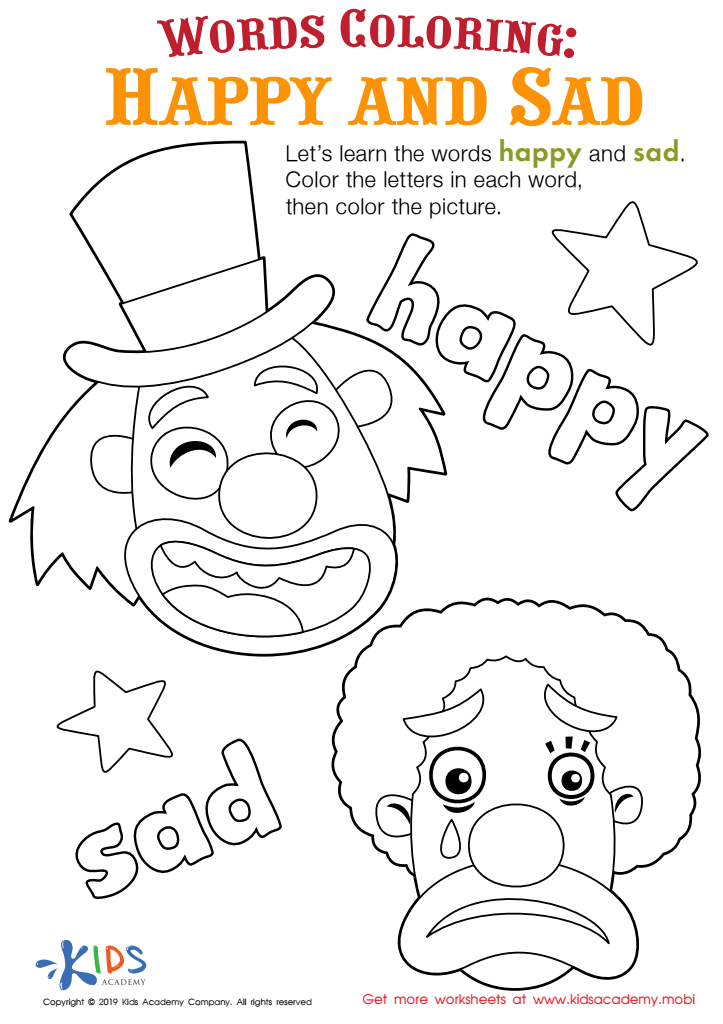
Happy and Sad Words Coloring Worksheet
Assign to My Students
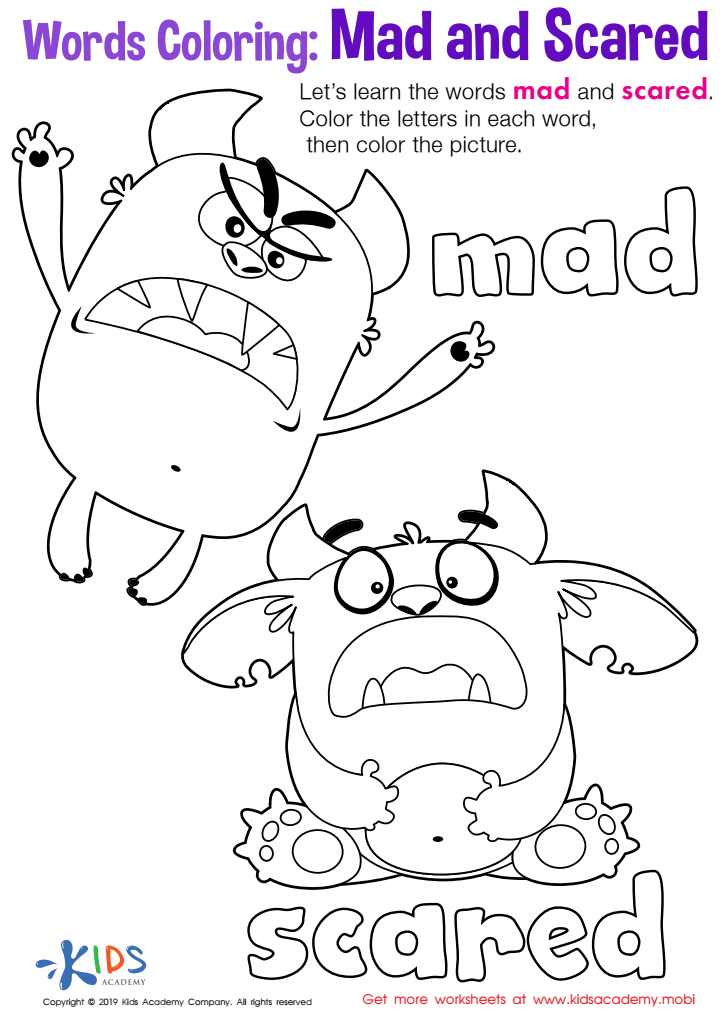
Mad and Scared Words Coloring Worksheet
Assign to My Students
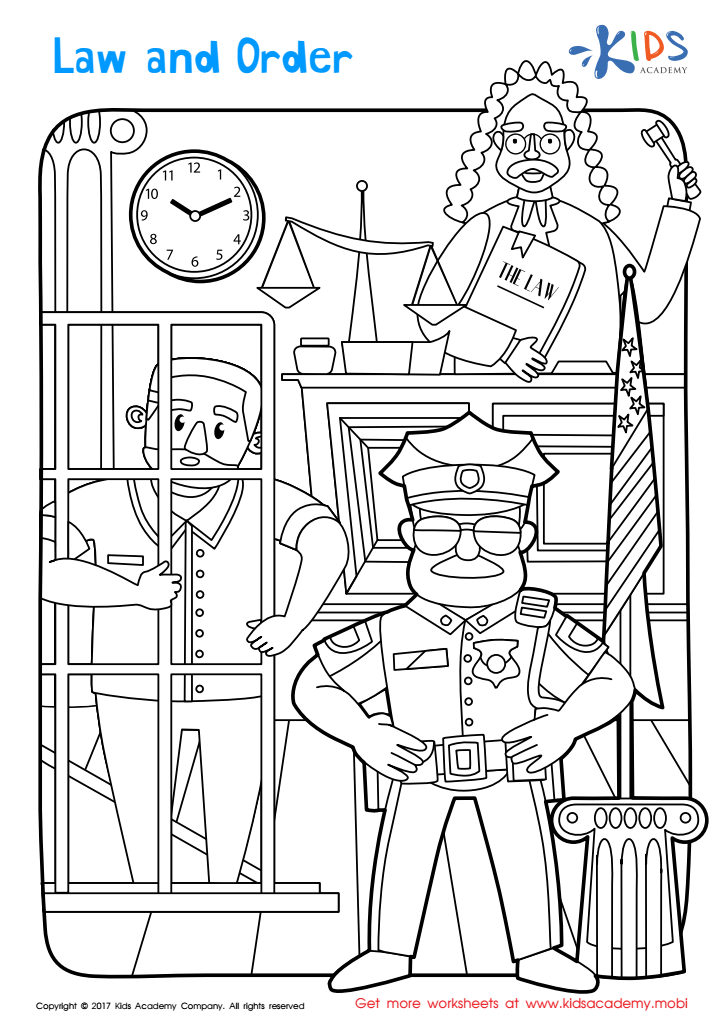
Law and Order Coloring Page Worksheet
Assign to My Students







.jpg)
Coloring is more than just a fun activity for 8-year-olds; it plays a vital role in their development, making it essential for both parents and teachers to care about coloring skills. First and foremost, coloring enhances fine motor skills as children grasp crayons or markers and control their movements. This practice strengthens hand-eye coordination, which is fundamental for writing and other tasks.
Moreover, coloring fosters creativity and imagination. As children choose colors, develop unique designs, and create their artistic interpretations, they learn to express their thoughts and feelings verbally and visually. This process contributes to cognitive development by encouraging problem-solving and decision-making skills, as they decide how to approach a coloring page.
Additionally, coloring can provide emotional benefits. It offers a calming effect, giving children a healthy outlet for stress and anxiety. It can also promote concentration and focus, as coloring requires attention to detail.
Finally, engaging in coloring activities presents valuable opportunities for parents and teachers to bond with children, encouraging communication and collaboration. Thus, nurturing coloring skills not only enriches a child's skill set but also promotes emotional well-being and strengthens relationships, highlighting the importance of this simple yet impactful activity in early childhood development.