Developing logical thinking Worksheets for 8-Year-Olds
7 filtered results
-
From - To
Enhance your child's critical thinking with our expertly designed Developing Logical Thinking Worksheets for 8-Year-Olds. These engaging, printable resources from Kids Academy help build essential problem-solving skills through a variety of fun, educational activities. Perfect for young learners, our worksheets challenge kids to think strategically, boosting their ability to reason logically. Aligned with core educational standards, they cover key areas such as pattern recognition, sequencing, and classification. The captivating exercises are ideal for both classroom and home use, offering invaluable practice that supports cognitive development and academic success. Give your child a head start with these thoughtful, fun-filled learning tools.
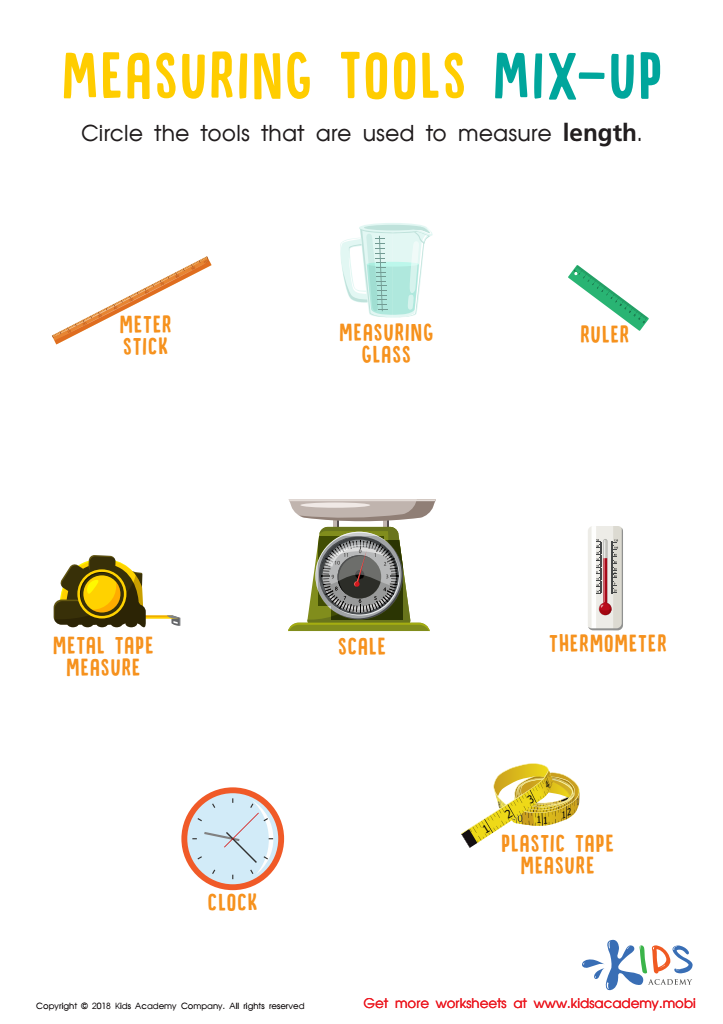
Measuring Tools Mix–up Worksheet
 Assign to My Students
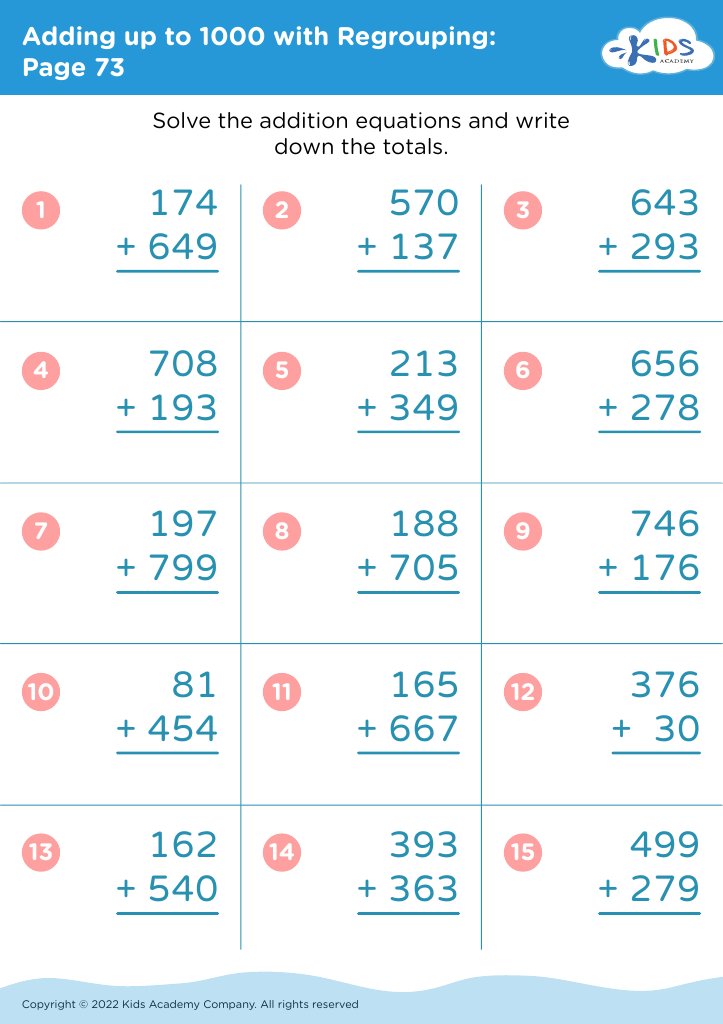
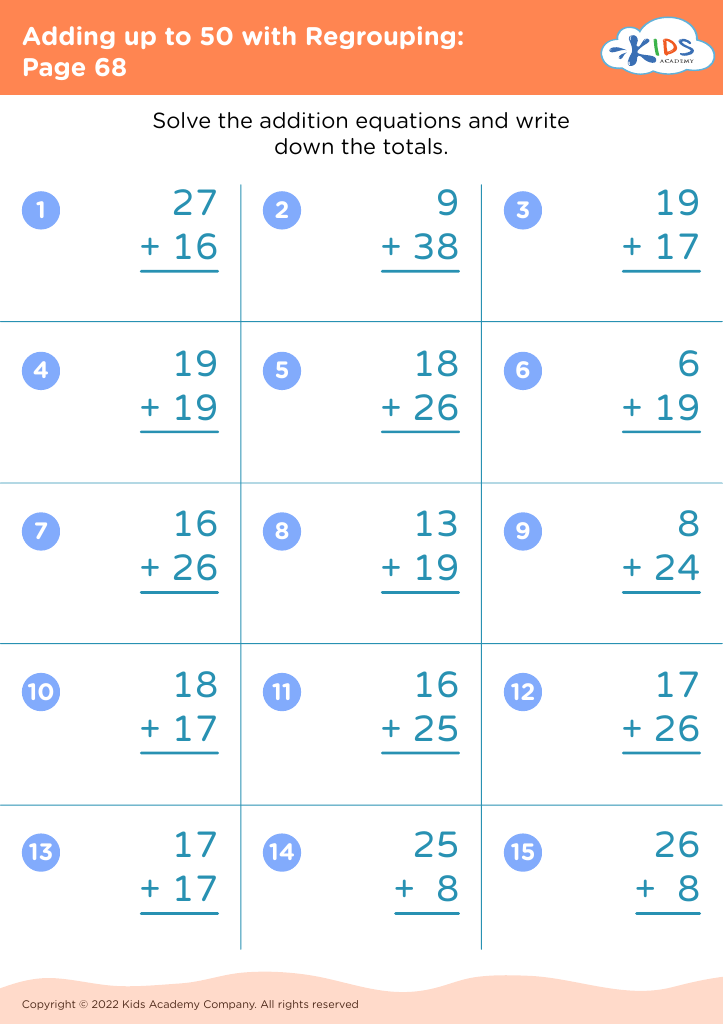
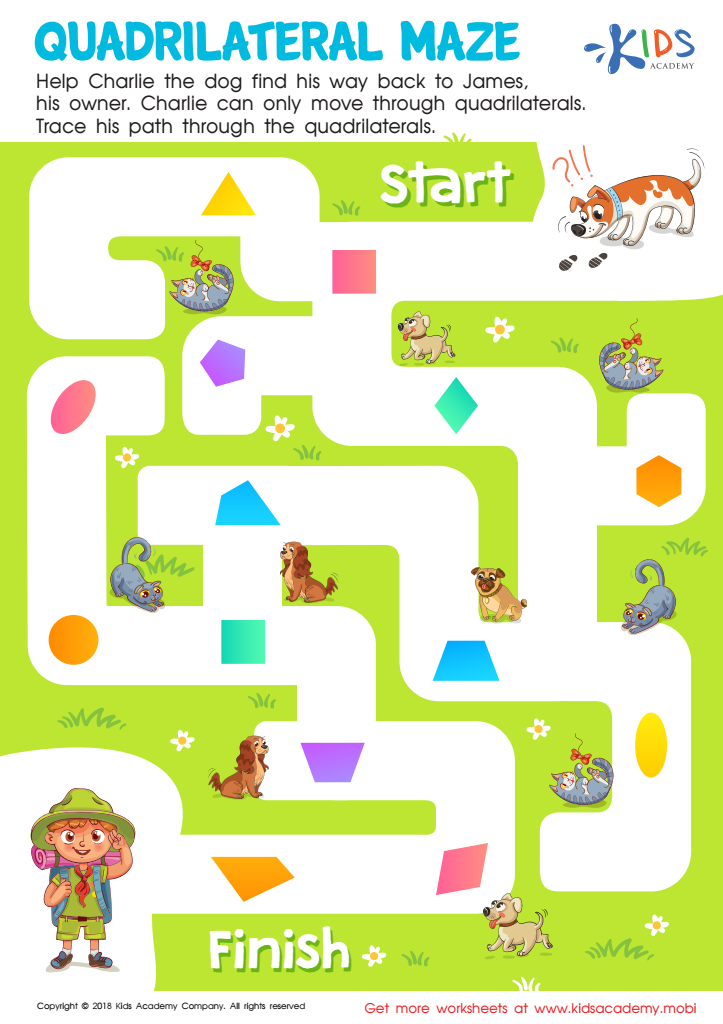
Quadrilateral Maze Worksheet
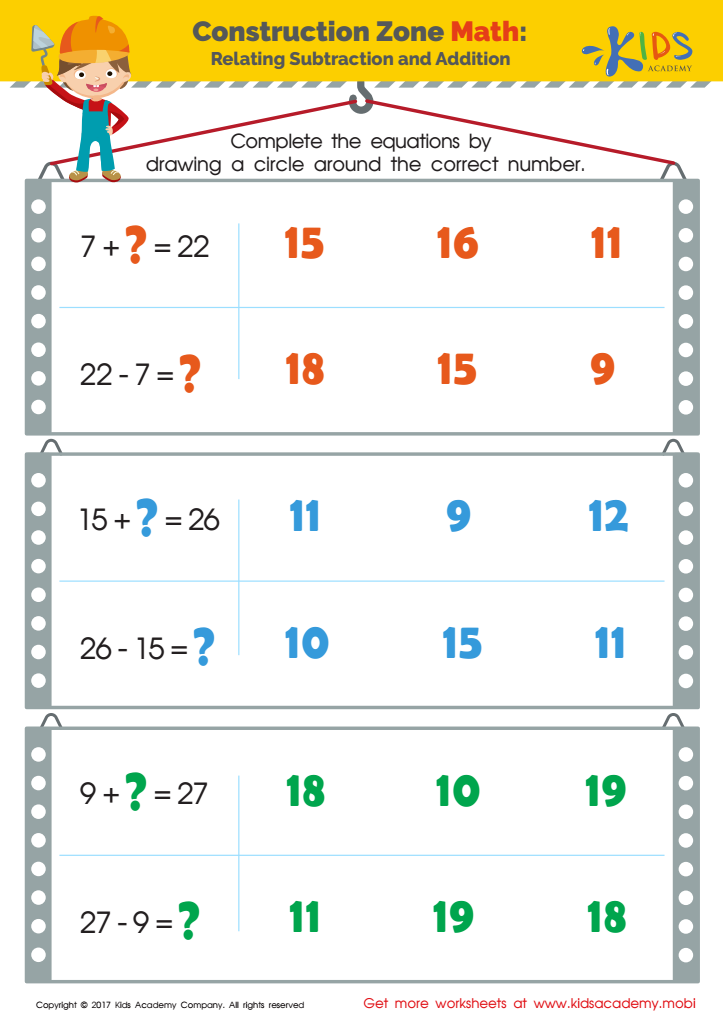
Related Addition and Subtraction Facts Worksheet
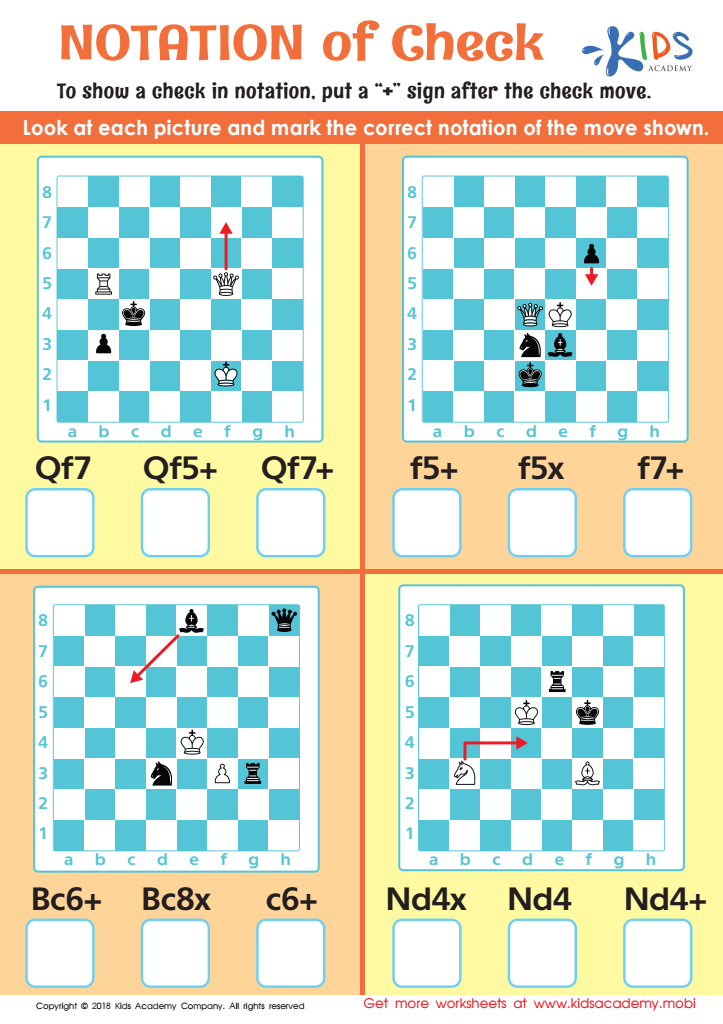
Notation of Check Worksheet








Developing logical thinking in 8-year-olds is crucial for their overall cognitive growth and problem-solving abilities. At this age, children are transitioning from simple, concrete thought processes to more complex, abstract ones. By fostering logical thinking, parents and teachers help children improve their reasoning abilities, enabling them to solve problems methodically.
Logical thinking aids in subjects like math and science, where reasoning patterns are essential. For example, understanding cause-and-effect relationships or the sequence of events forms the foundation for complex mathematical concepts and scientific reasoning. This skill also enhances reading comprehension, as children begin to connect their understanding of narrative elements, predict outcomes, and infer the meaning of the text.
Moreover, logical thinking contributes to daily life skills and decision-making. An 8-year-old who can process information and evaluate alternatives will perform better in social interactions, understand consequences, and make more informed decisions. This capability is crucial for developing independence and responsibility.
Interactive activities such as puzzles, games, and age-appropriate challenges help young learners hone their logical skills dynamically and enjoyably. By investing in the development of logical thinking, parents and teachers lay the groundwork for a child's academic success and practical life skills, thereby setting them up for a bright and competent future.








