Logical Reasoning Worksheets for 8-Year-Olds - Page 2
27 filtered results
-
From - To
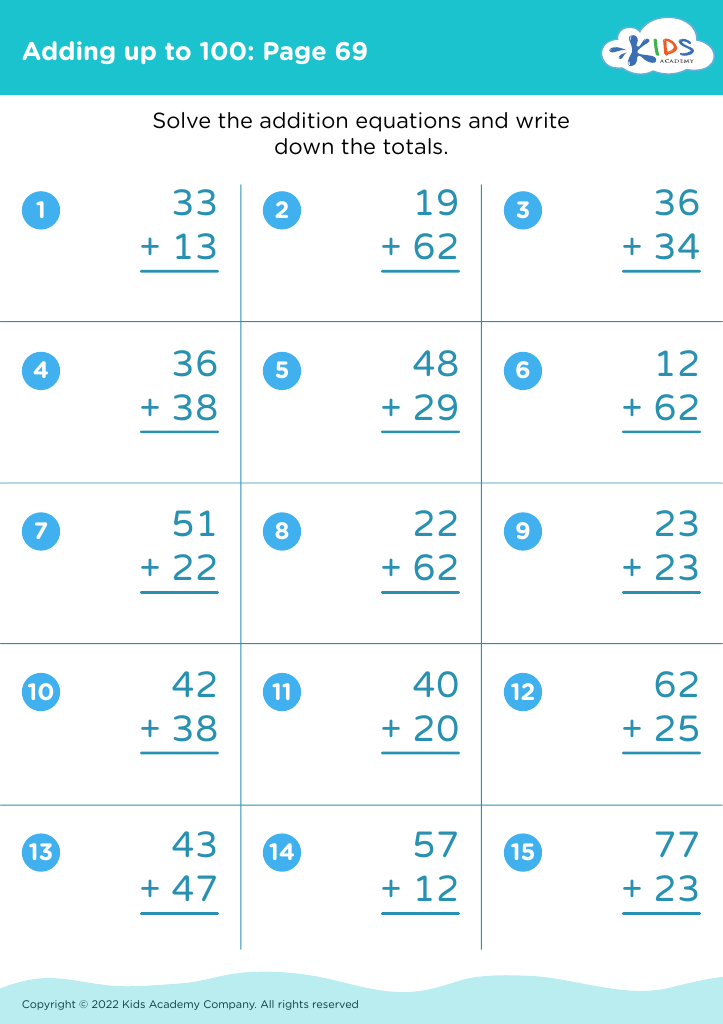
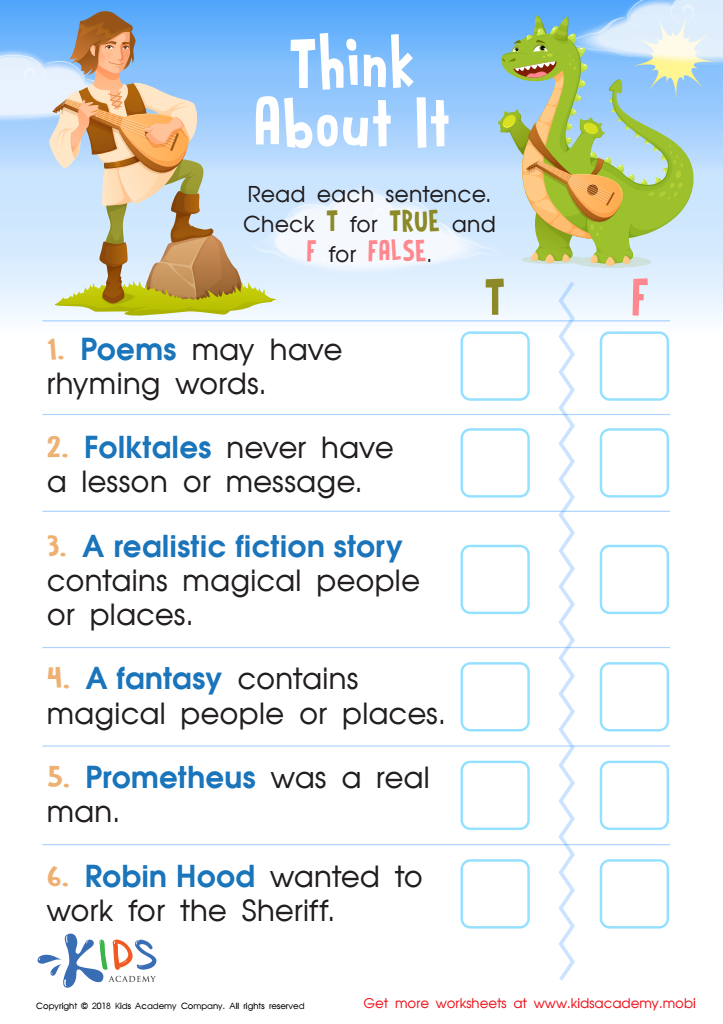
Think About It: Assessment Worksheet
 Assign to My Students
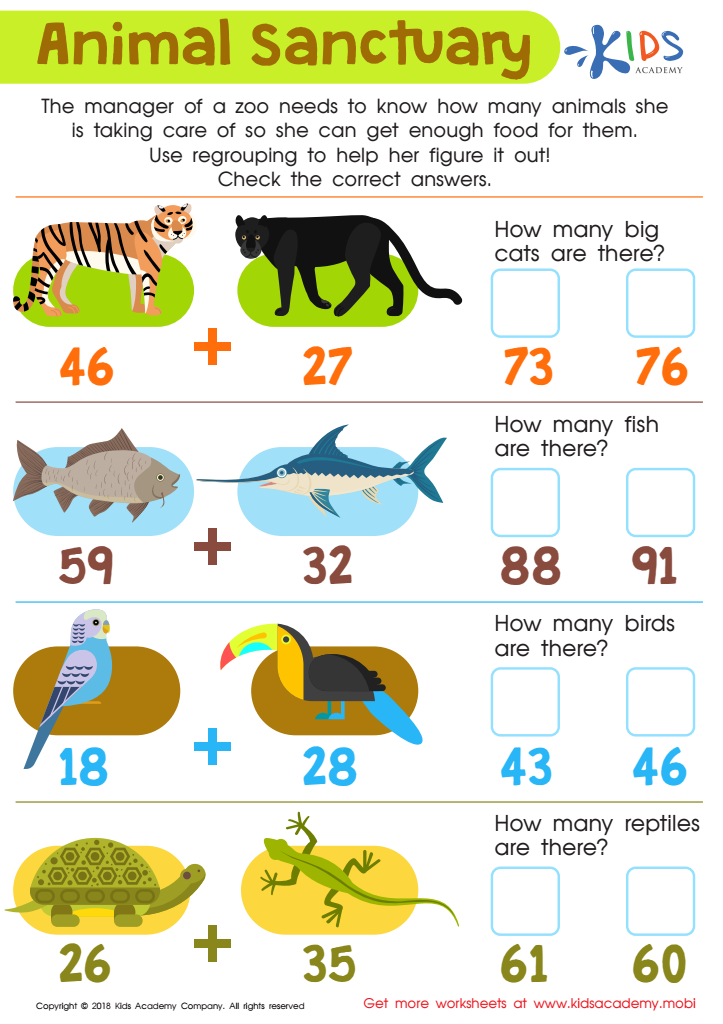
Animal Sanctuary Worksheet








Logical reasoning is a crucial skill for 8-year-olds as it lays the foundation for critical thinking and problem-solving abilities. At this age, children's cognitive abilities are blossoming, and they start to make connections between ideas. By fostering logical reasoning, parents and teachers can help children develop the ability to analyze situations, draw conclusions, and make informed decisions.
Logical reasoning also enhances academic performance across subjects. For instance, in math, children learn to understand patterns and relationships, which are essential for solving equations and applying concepts. In science, logical reasoning helps them form hypotheses and analyze experiments. Additionally, strong logical reasoning skills encourage creativity and innovation, as children learn to think outside the box and explore various solutions to problems.
Beyond academics, logical reasoning promotes social skills, as children learn to understand others' perspectives and resolve conflicts through reasoned discussions. By investing time in activities that encourage logical reasoning—such as puzzles, games, and age-appropriate debates—parents and teachers equip children with essential skills that benefit them throughout their lives. Ultimately, nurturing logical reasoning empowers children not just academically, but personally, preparing them for future challenges and fostering resilience in an increasingly complex world.








