
Numeracy skills Worksheets for 8-Year-Olds
9 filtered results
Difficulty Level
Grade
Age
-
From - To
Subject
Activity
Standards
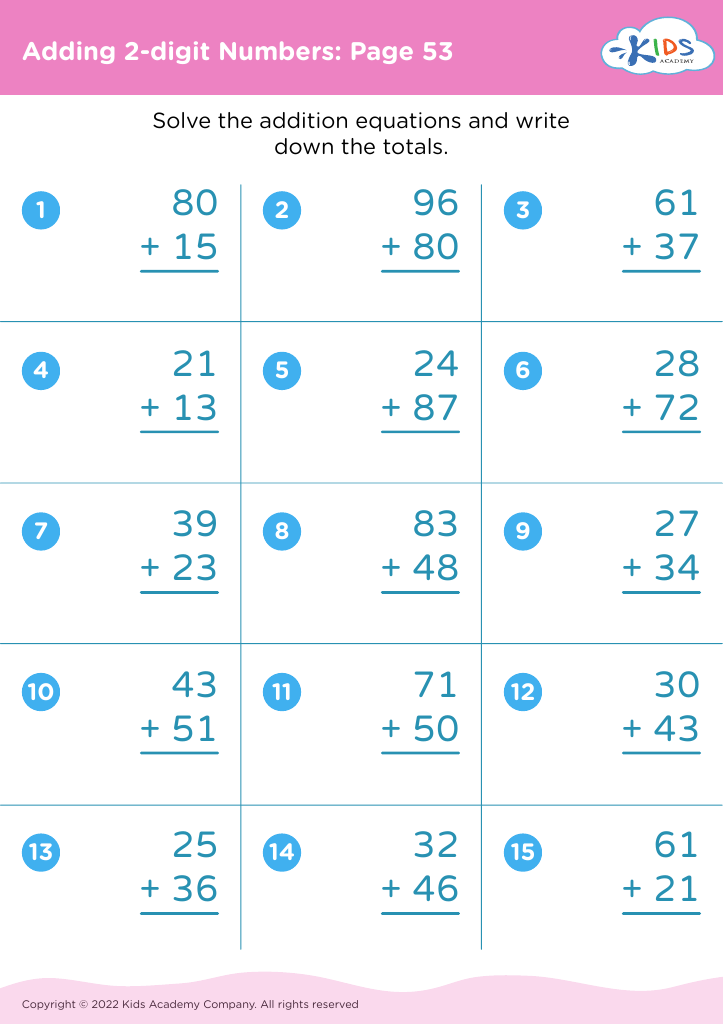
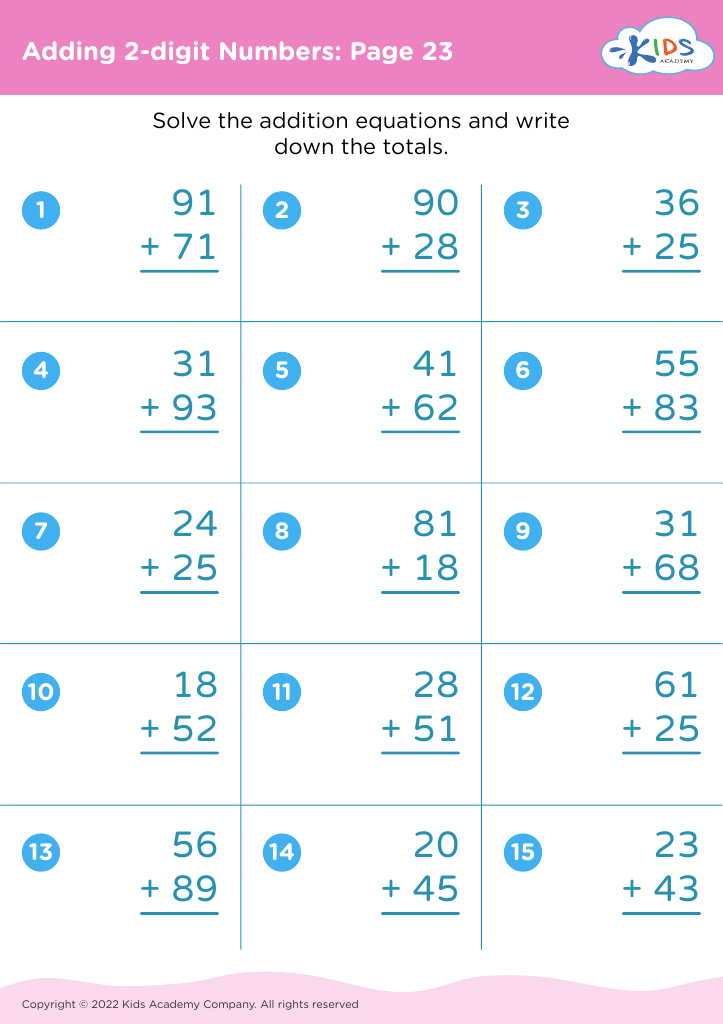
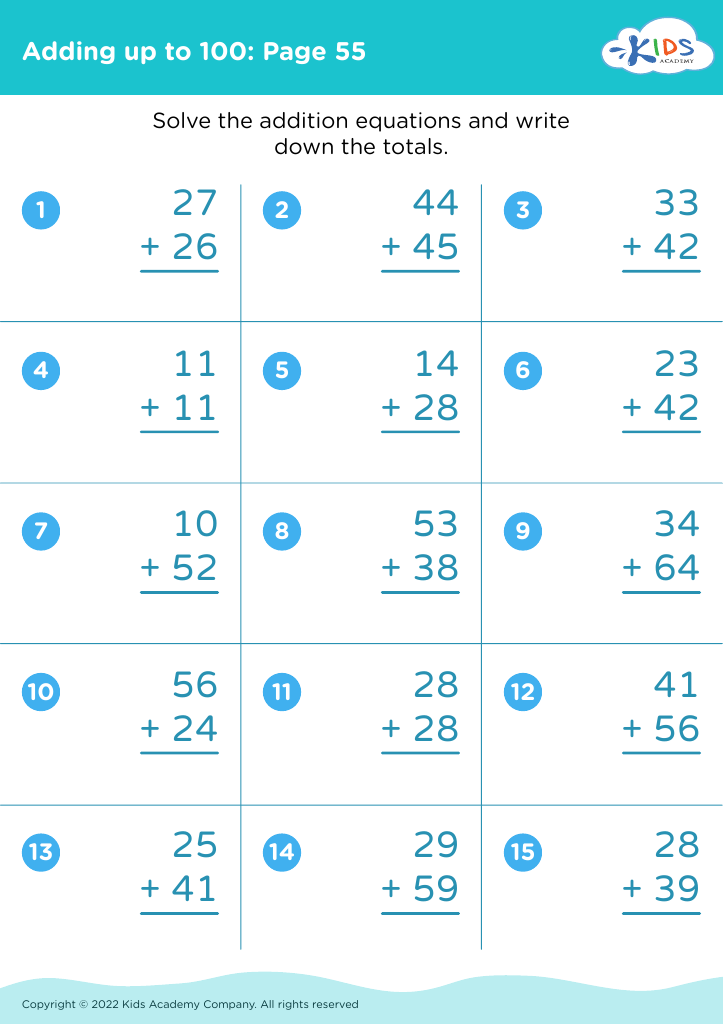
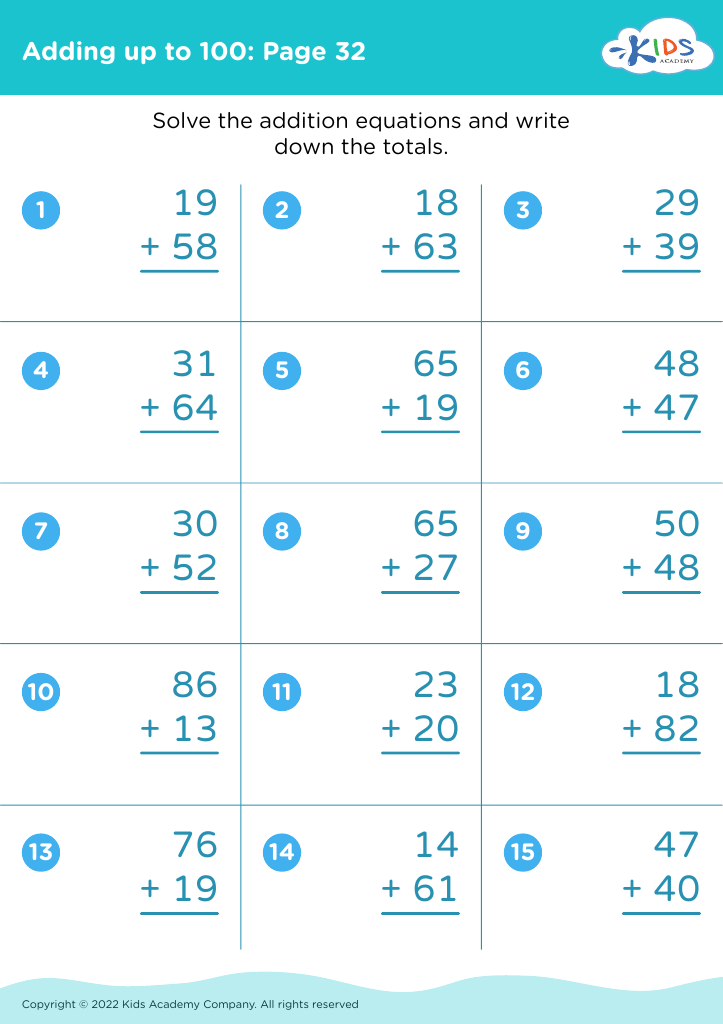
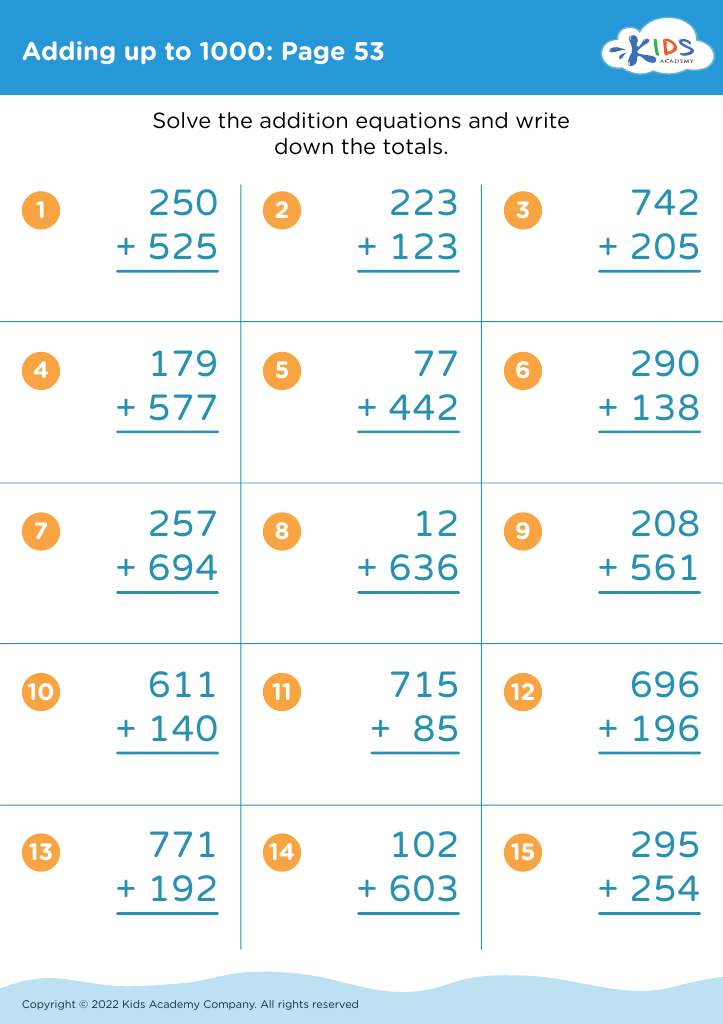
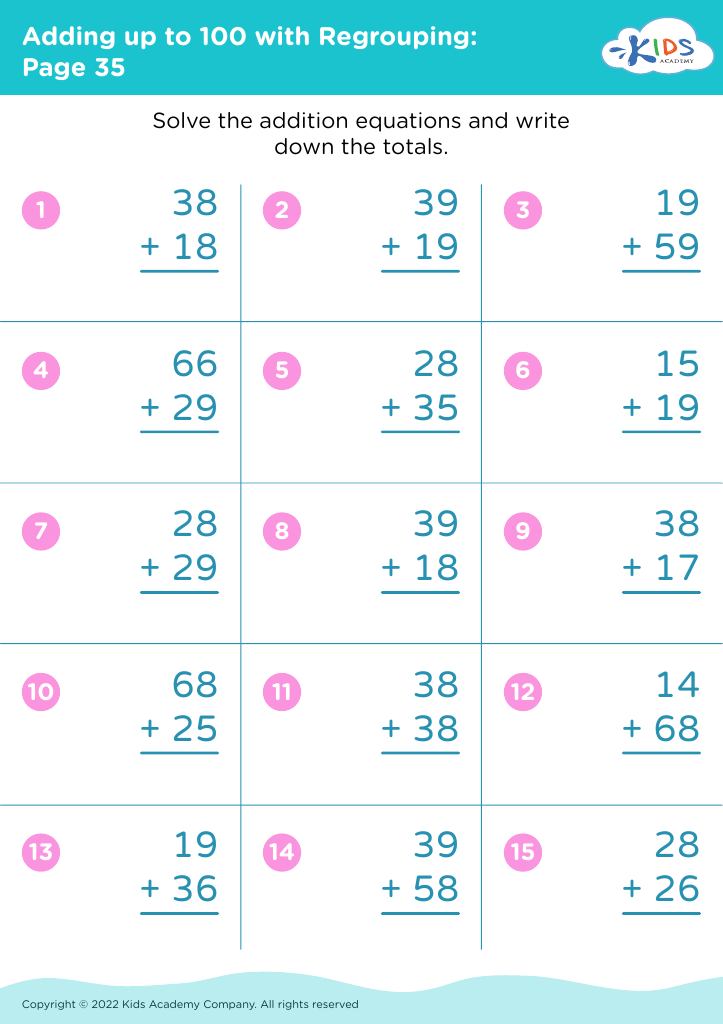
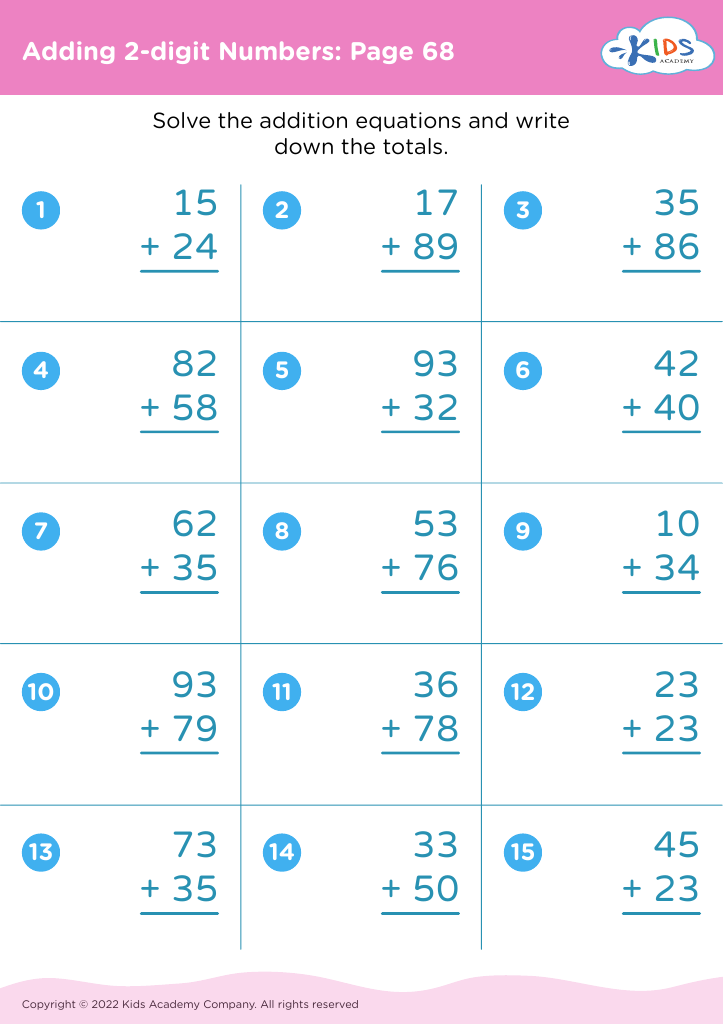
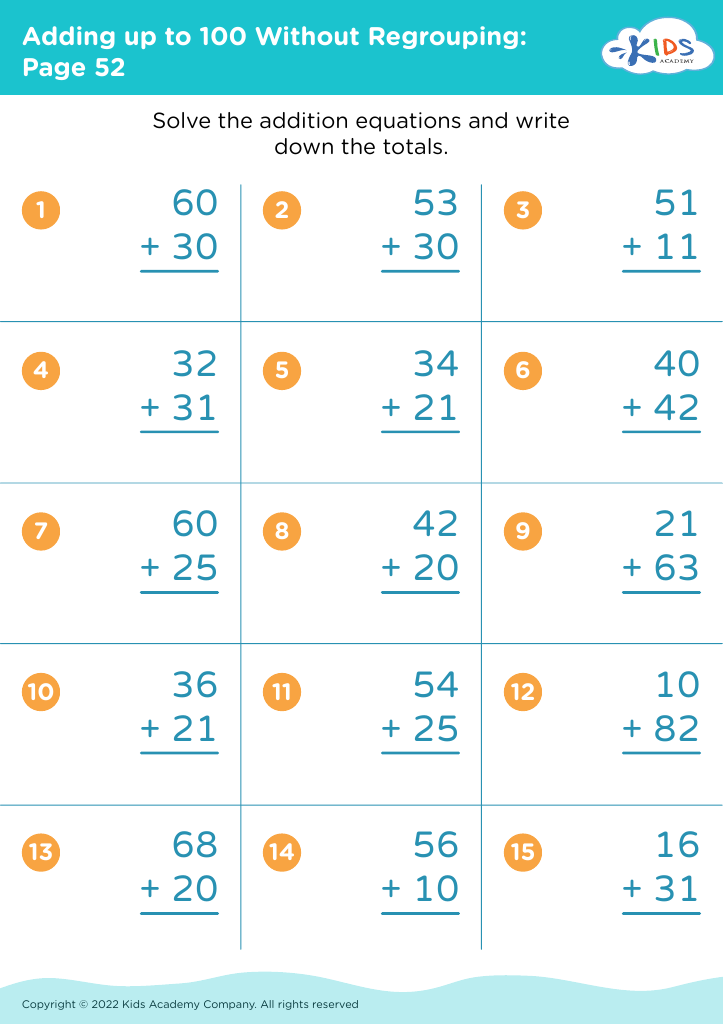
Explore our engaging Numeracy Skills Worksheets for 8-year-olds designed to enhance your child's math abilities while making learning fun! Each worksheet targets fundamental concepts, including addition, subtraction, multiplication, and division, presented in a vibrant and interactive format. Perfect for both classroom use and at-home practice, these worksheets help children develop critical thinking and problem-solving skills. With a variety of exercises tailored to different learning styles, your child will gain confidence and proficiency in numeracy. Download now to provide enjoyable math challenges that promote learning progress and foster a love for numbers in your young learner!
Favorites
With answer key
Interactive
Join Kids Academy for Free
Who is primarily going to use this learning content?







Numeracy skills for 8-year-olds are crucial as they lay the foundation for future learning and everyday functioning. At this age, children transition from basic counting to more complex mathematical concepts, such as addition, subtraction, multiplication, and division. Developing strong numeracy skills enhances critical thinking and problem-solving abilities, which are essential in everyday life and future academic success.
Parents and teachers should care about these skills because numeracy is not just about numbers; it cultivates logical reasoning and analytical skills. An understanding of mathematics fosters confidence and a positive attitude towards learning, which can reduce anxiety around math in later years. Engaging children in numeracy activities can promote a love for math and improve cognitive development. It can also help in other subjects; for instance, science and technology often require numerical literacy.
Furthermore, solid numeracy skills contribute to personal finance understanding, helping children make informed decisions as they grow. By encouraging numeracy, parents and teachers can prepare children for a world where data and numbers influence every aspect of life, from the economy to technology. In short, nurturing numeracy skills at this age is essential for holistic development and future success.








