
Numerical problem solving Worksheets for 8-Year-Olds
3 filtered results
Difficulty Level
Grade
Age
-
From - To
Subject
Activity
Standards
Discover our engaging Numerical Problem Solving Worksheets designed specifically for 8-year-olds! These printable resources help young learners enhance their critical thinking and math skills through fun, age-appropriate exercises. Each worksheet focuses on real-world scenarios, challenging students to apply their knowledge to solve problems effectively. Kids will practice addition, subtraction, multiplication, and division while developing essential reasoning abilities. Perfect for teachers and parents alike, our worksheets encourage independent learning and foster a love for math. Dive into our collection and watch your child gain confidence in their problem-solving capabilities, all while enjoying the learning process!
Favorites
With answer key
Interactive
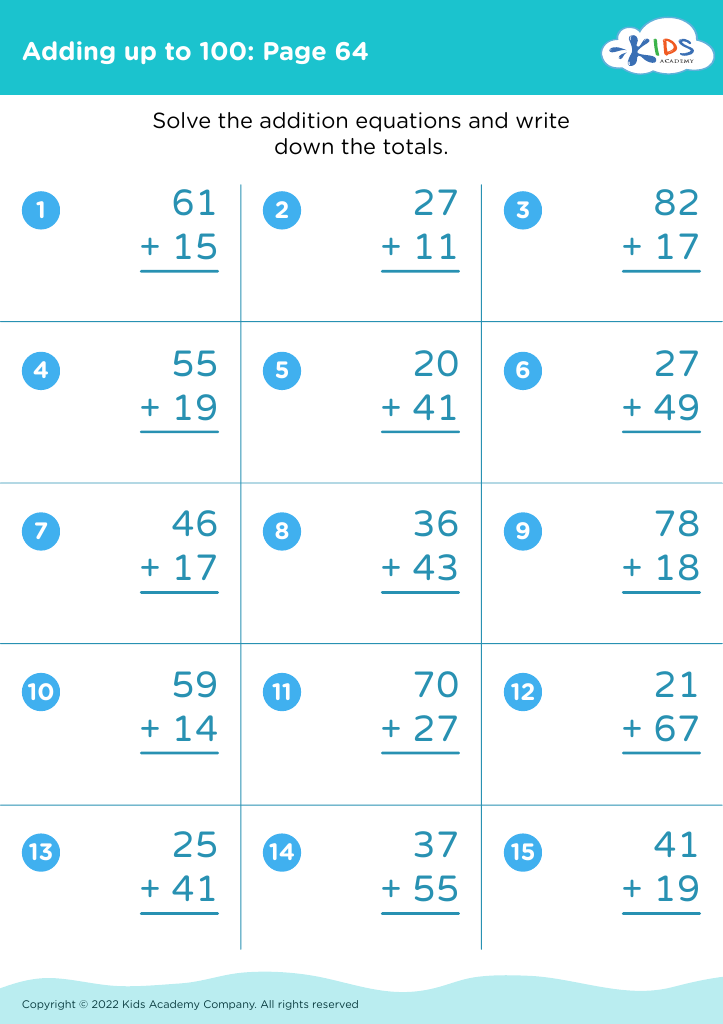
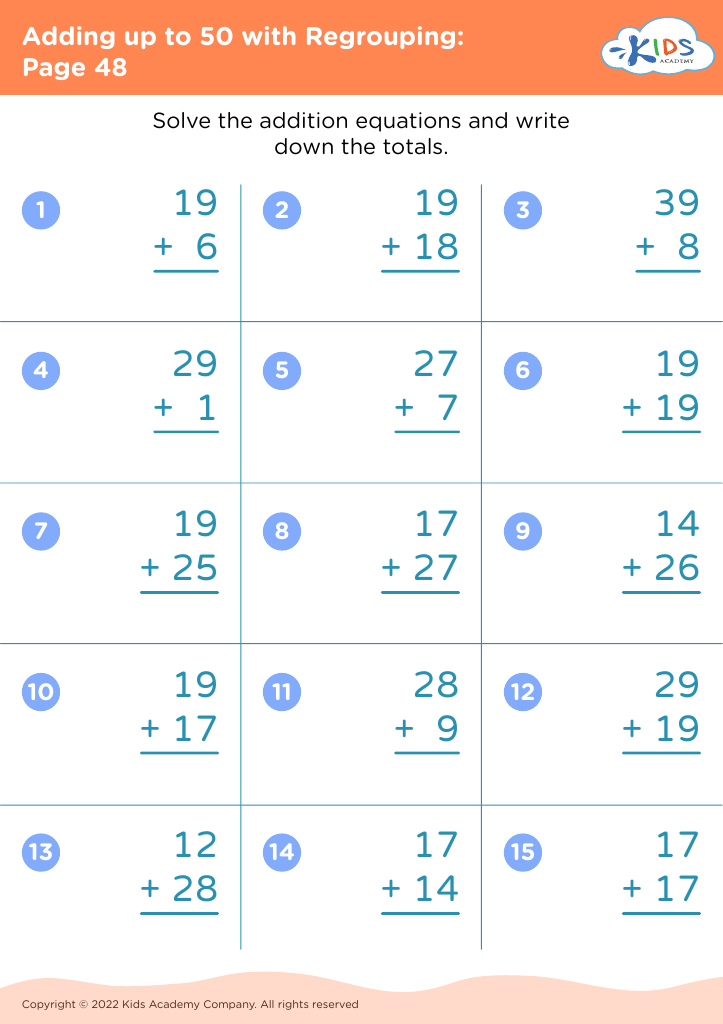
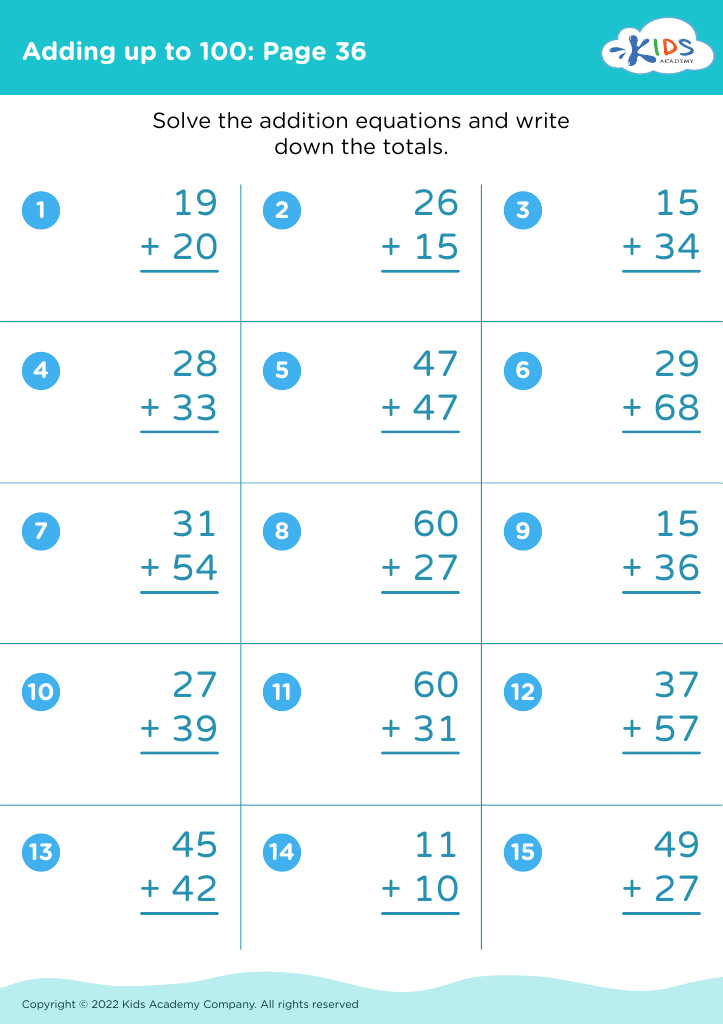
Join Kids Academy for Free
Who is primarily going to use this learning content?








Numerical problem solving is a crucial skill for 8-year-olds, and both parents and teachers should prioritize its development for several reasons. Firstly, mastering numerical problem-solving lays a strong foundation for future mathematical learning. At this age, children begin to grasp essential concepts such as addition, subtraction, multiplication, and division, which are vital for more complex problem-solving in later grades.
Moreover, numerical problem-solving fosters critical thinking skills. As children tackle different types of problems, they enhance their ability to analyze situations, recognize patterns, and connect mathematical concepts to real-life scenarios. This not only boosts their math skills but also encourages creativity and resourcefulness.
Additionally, numerical proficiency helps build confidence. When children successfully solve problems, they experience a sense of achievement, which can motivate them to take on more challenging work. Furthermore, developing these skills early can reduce anxiety toward math, helping to cultivate a positive attitude toward the subject.
Finally, supporting numerical problem-solving equips children with skills necessary for everyday life, preparing them for practical situations that require basic arithmetic and logical reasoning. Therefore, an emphasis on this area is essential for long-term academic and personal success.








