Practice writing numbers Worksheets for 8-Year-Olds
6 filtered results
-
From - To
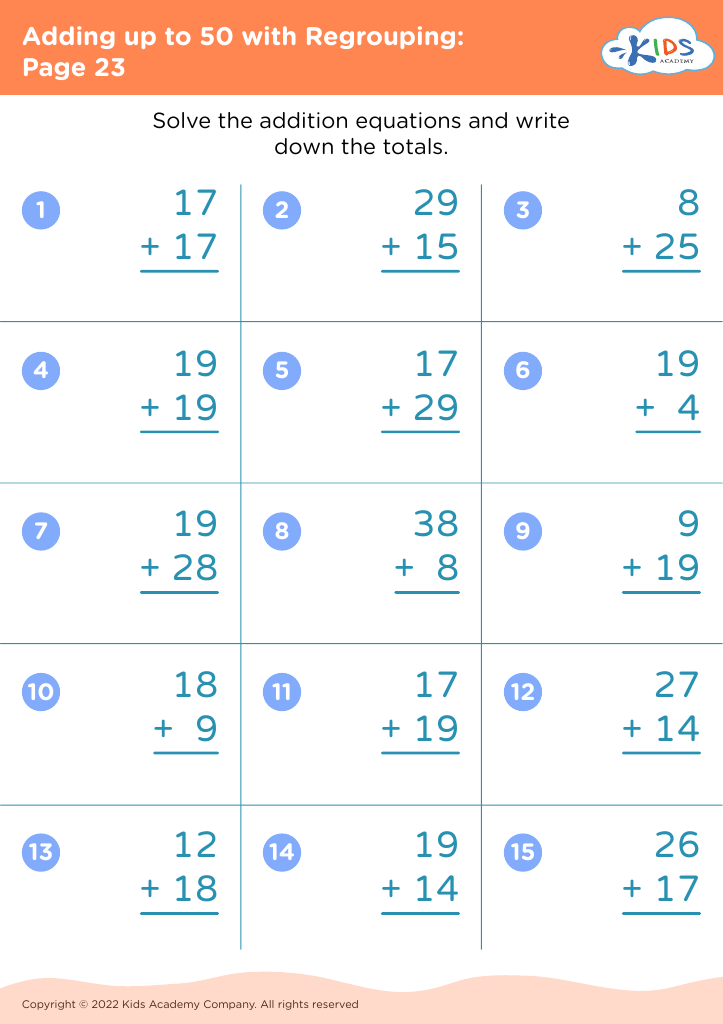
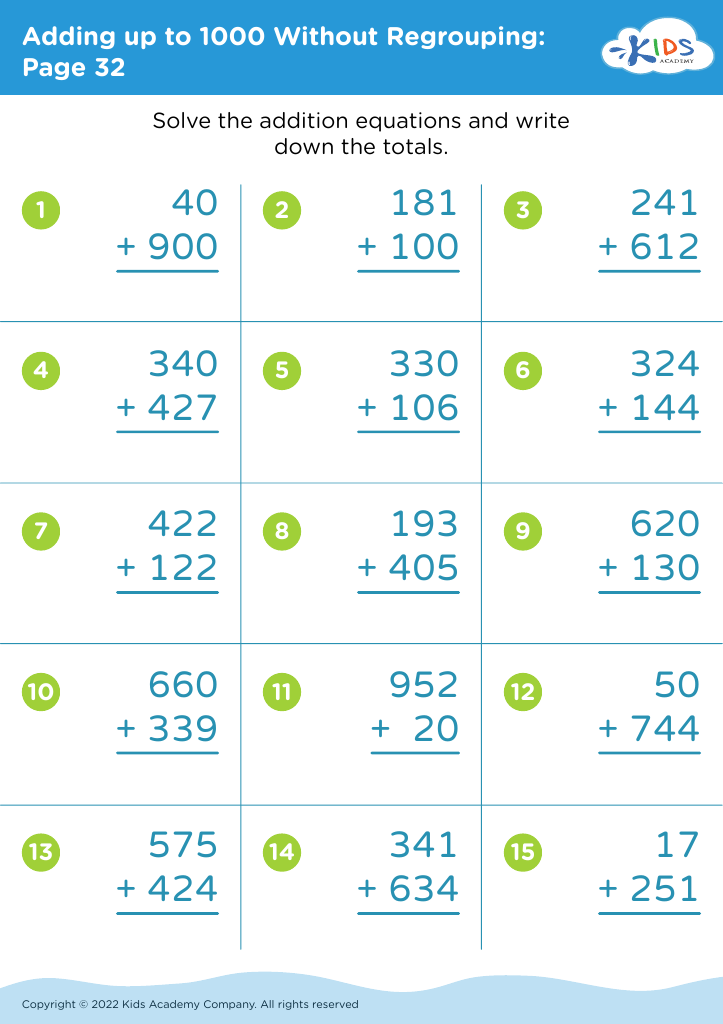
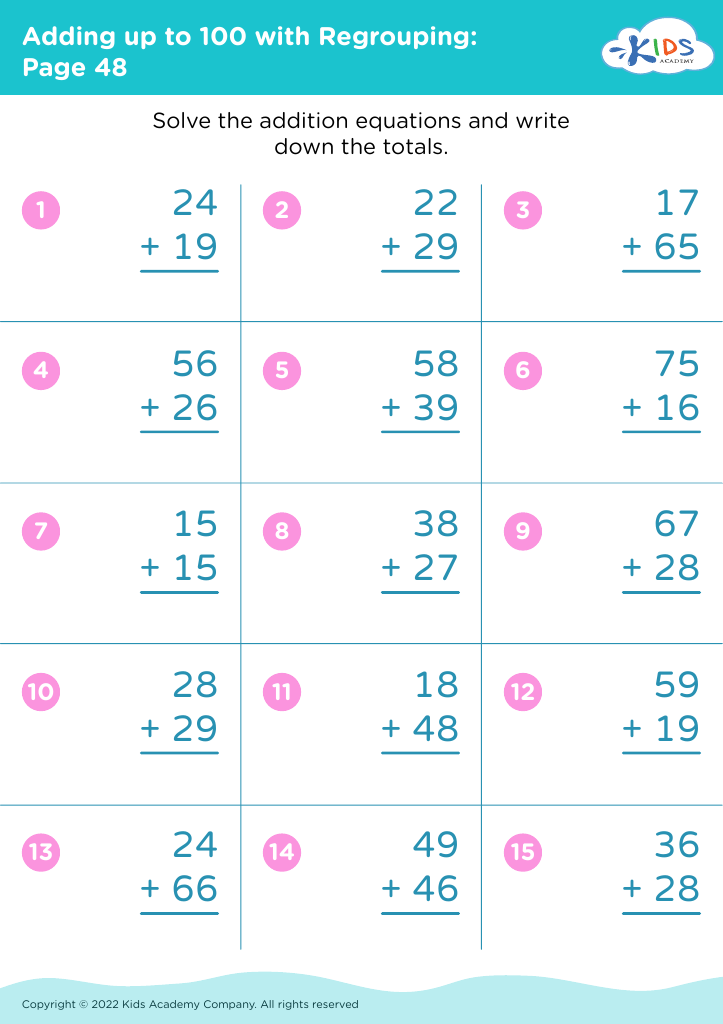
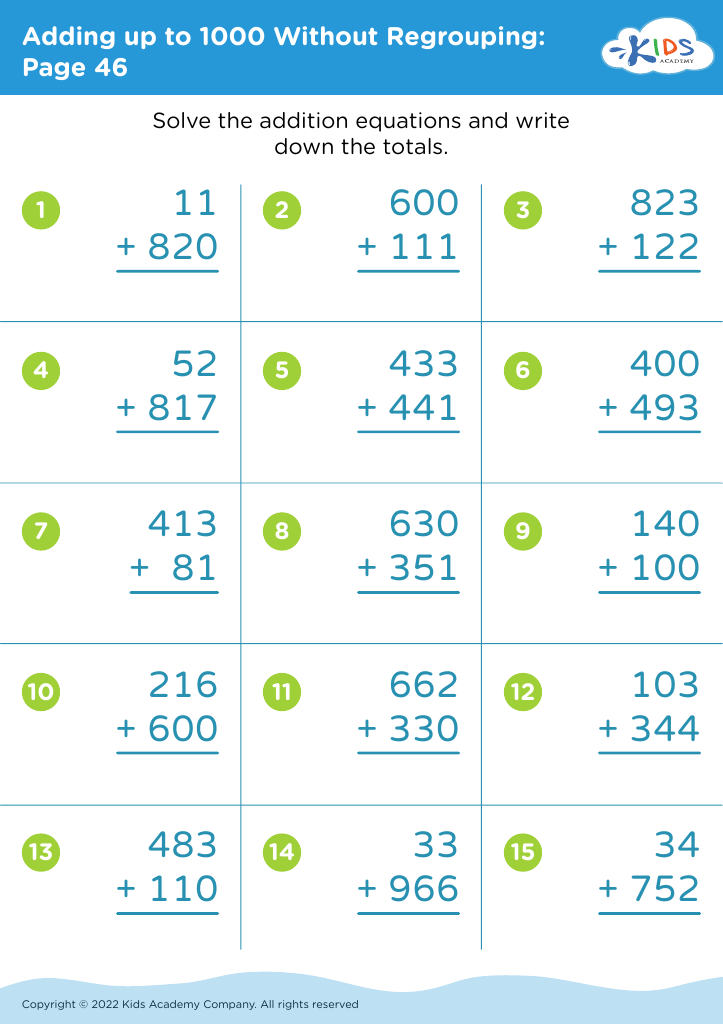
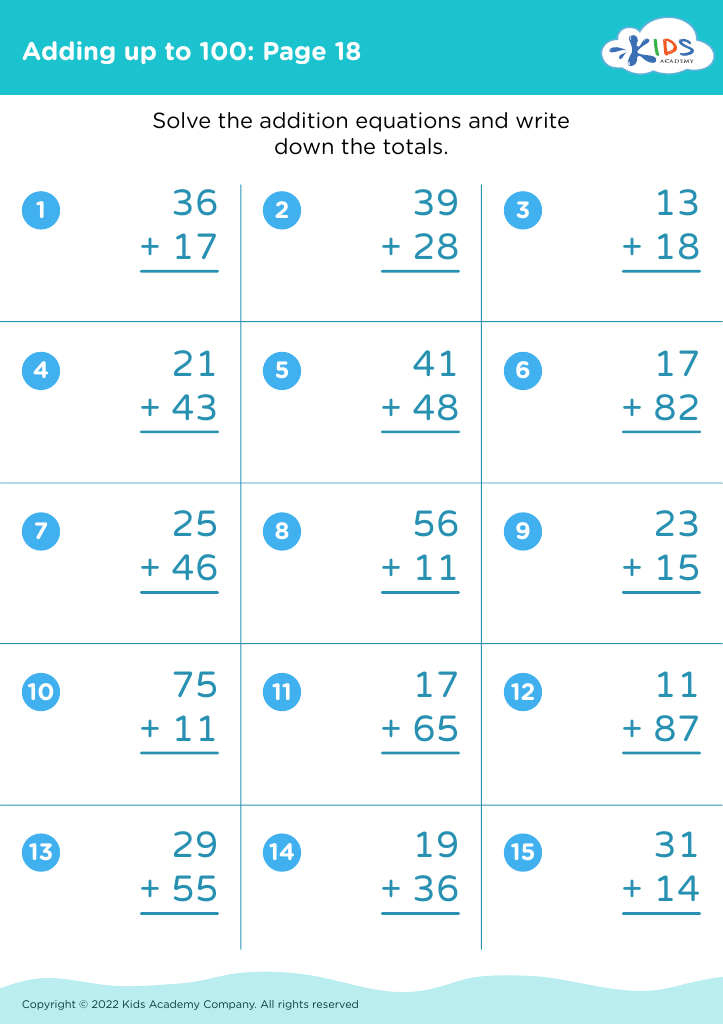
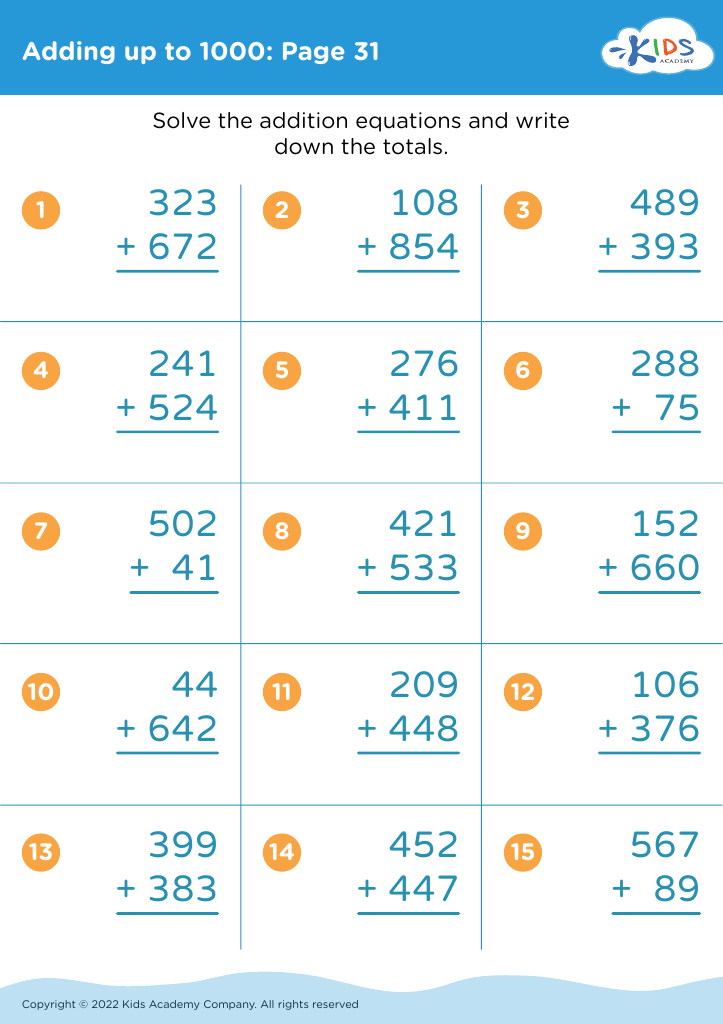
Discover our engaging "Practice Writing Numbers" worksheets designed specifically for 8-year-olds! These fun and interactive resources help young learners enhance their number writing skills through a variety of activities. Each worksheet focuses on different aspects of number formation, encouraging accurate and neat handwriting. Furthermore, our exercises promote confidence and mastery in recognizing and writing numbers, making math enjoyable for kids. Perfect for homeschooling, classroom settings, or extra practice at home, our worksheets support foundational numeracy skills vital for academic success. Explore our collection now to inspire your child's love for math and ensure they have a strong number writing foundation!


.jpg)





Practicing writing numbers is crucial for 8-year-olds as it lays the foundation for essential mathematical skills and cognitive development. At this age, children are refining their understanding of numbers and their relationships, which contributes to their overall academic success.
When children practice writing numbers, they enhance fine motor skills, which are vital for tasks beyond mathematics, such as writing words and managing everyday tasks. This manual practice also reinforces their learning, allowing them to mentally visualize and understand numerical concepts.
Moreover, writing numbers helps children develop number sense—a crucial aspect of math that involves understanding quantities, relationships, and numerical operations. Engaging in writing exercises promotes retention and cognitive connections, preventing common errors and misconceptions.
For teachers and parents, fostering an environment that encourages this practice supports deeper learning. It allows them to identify areas where a child may struggle, enabling targeted support. Additionally, it builds confidence in their mathematical abilities, fostering a positive attitude toward learning. Ultimately, attentive support in writing numbers cultivates critical thinking and problem-solving skills, essential for success in higher-level mathematics and everyday life.








