
Sequencing Skills Worksheets for 8-Year-Olds
9 filtered results
Difficulty Level
Grade
Age
-
From - To
Subject
Activity
Standards
Enhance your 8-year-old’s narrative abilities with our Sequencing Skills Worksheets! Tailored to foster logical thinking and comprehension, these enjoyable resources help children understand the order of events in a story. Each worksheet is designed to challenge their critical thinking and improve their ability to follow and sequence steps accurately. Perfect for both classroom and home learning, these worksheets engage young minds with captivating scenarios and scenarios. Witness your child's confidence and reading level soar as they master sequencing and learn the importance of order in stories. Unlock their full potential with our expertly crafted sequencing skills worksheets!
Favorites
With answer key
Interactive
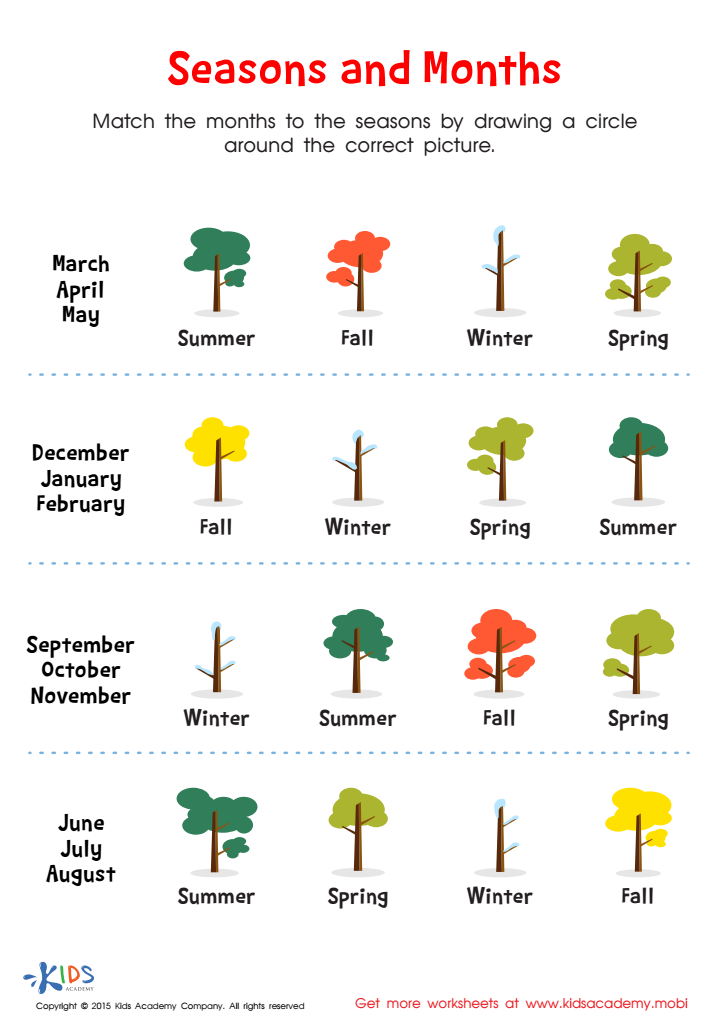
Seasons and Months Worksheet
Help your child explore the world around them with this fun seasons and months printable worksheet. It'll help them understand the months of the year and the seasons connected to them, teaching valuable science knowledge and skills. Plus, engaging in conversations about the current month and season will extend their learning!
 Assign to My Students
Seasons and Months Worksheet
Worksheet
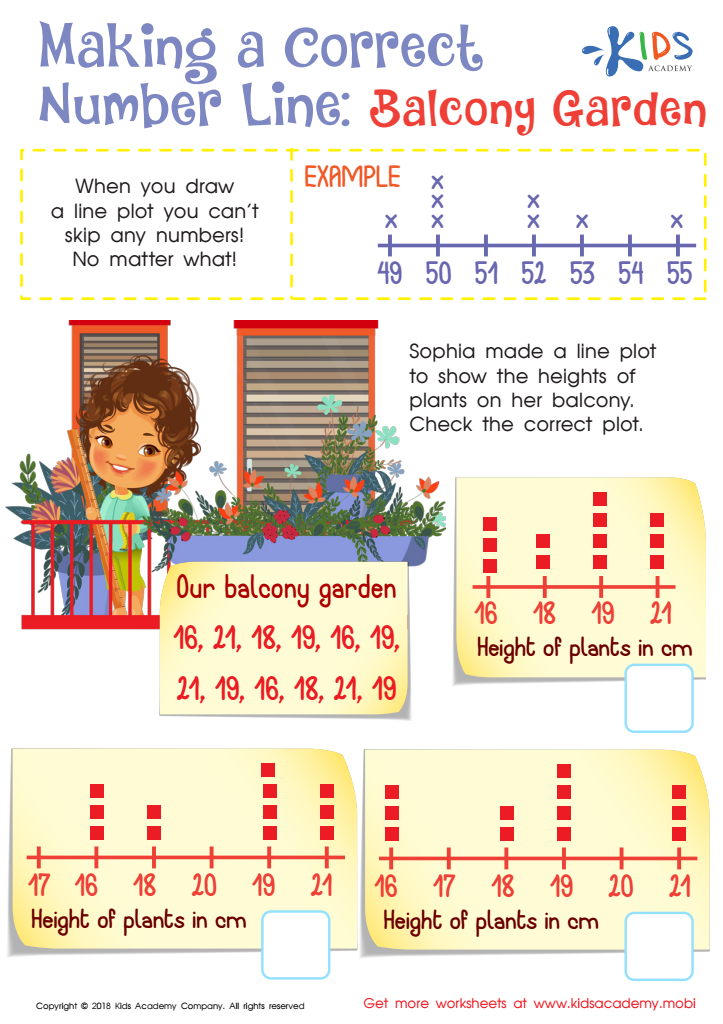
Making a Correct Number Line: Balcony Garden Worksheet
Teach your child to draw and identify a line plot with this worksheet. Have them help Sophia check her plot for the heights of plants in her balcony, ensuring no numbers are skipped. Line plots are a great way to quickly organize information and an essential skill your child needs.
Making a Correct Number Line: Balcony Garden Worksheet
Worksheet
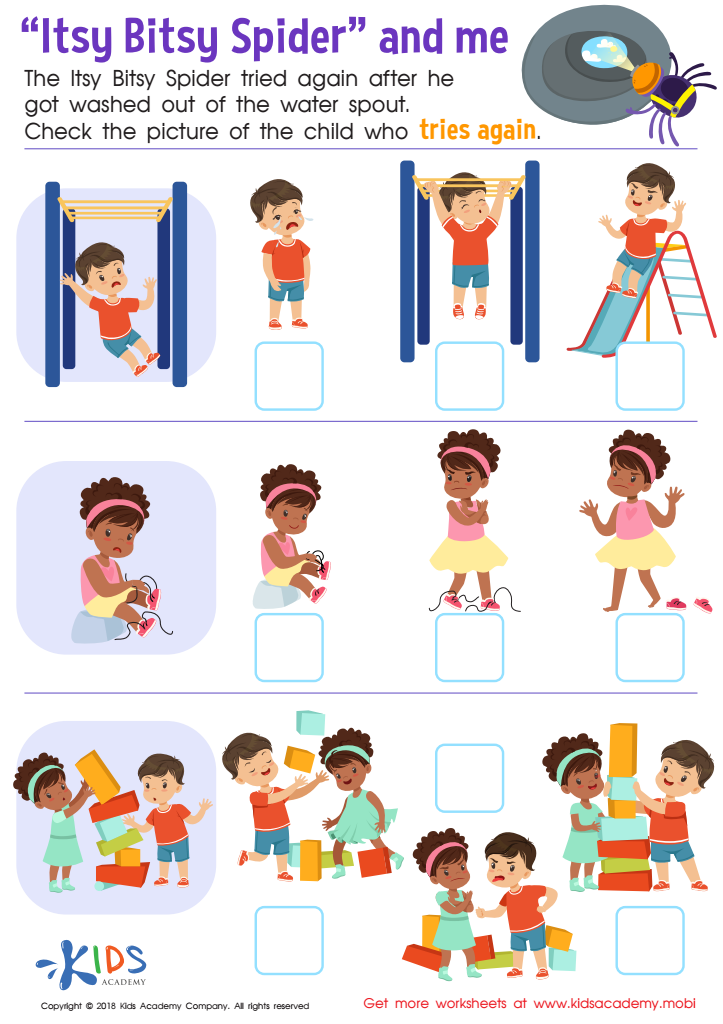
Itsy Bitsy Spider and Me Worksheet
Ensure your child's success - teach them determination and perseverance! Introduce them to the Itsy-Bitsy spider and this fun worksheet. It shows kids working hard and teaches them to 'try again.' Have them identify scenes and check the box for those who succeeded.
Itsy Bitsy Spider and Me Worksheet
Worksheet
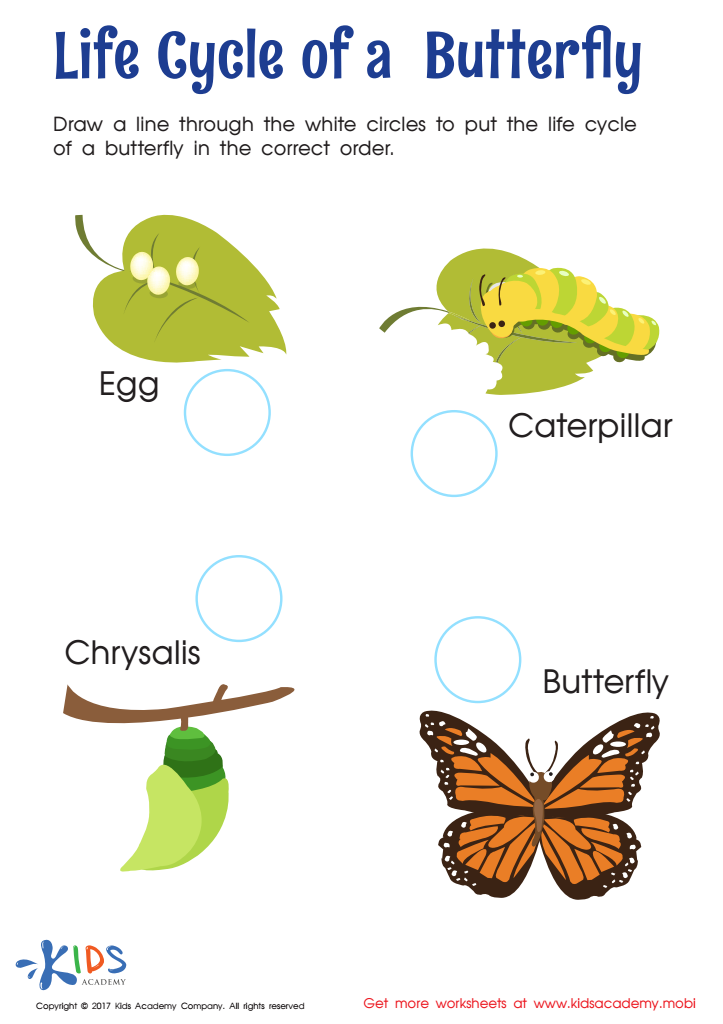
Life Cycle of Butterfly Worksheet
Kids Academy offers an exciting activity – a Life Cycle of a Butterfly Worksheet PDF. It shows four stages in the lifecycle of a butterfly with vivid pictures. Kids put the stages in the correct order to study the lifecycle.
Life Cycle of Butterfly Worksheet
Worksheet
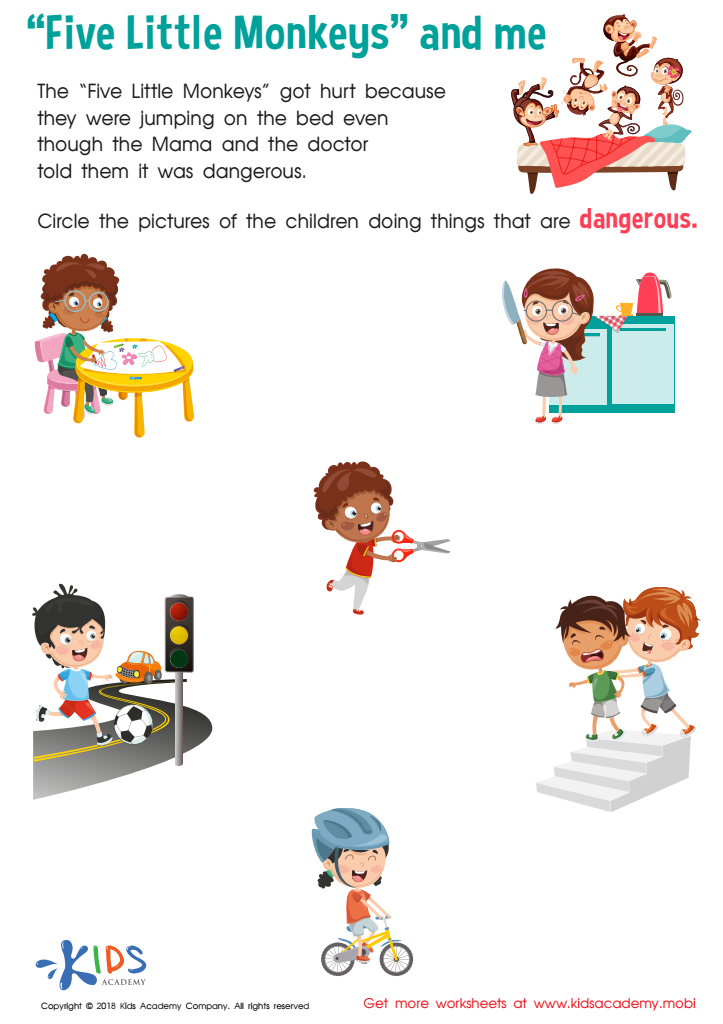
Five Little Monkeys and Me Worksheet
This free PDF worksheet provides preschoolers an understanding of danger and appropriate play. It allows them to recognize dangerous situations and why they can be risky, granting kids perspective from both parents and teachers. It's a fun, safe way to help them internalize what's dangerous and what's not.
Five Little Monkeys and Me Worksheet
Worksheet
Join Kids Academy for Free
Who is primarily going to use this learning content?








Sequencing skills are vital for 8-year-olds as they form the foundation for many cognitive and academic abilities. These skills help children understand the order of events, which is crucial for reading comprehension. When children can sequence stories correctly, they grasp the beginning, middle, and end, making it easier for them to follow plots and understand narratives. This ability is essential not just for literacy but also for writing, as sequencing helps them organize their thoughts logically and cohesively.
In mathematics, sequencing aids in understanding patterns and number order, fundamental concepts that influence problem-solving skills. Moreover, sequencing skills play a significant role in daily activities and routines. Children who master sequencing can better follow instructions and manage tasks independently, fostering a sense of responsibility and efficiency.
Strong sequencing skills also contribute to improved critical thinking and decision-making. Children learn to anticipate outcomes based on sequences, helping them solve puzzles and engage in strategic play. This cognitive development is essential for overall intellectual growth.
For teachers and parents, focusing on sequencing skills means equipping children with the ability to plan, predict, and articulate thoughts clearly. Investing in building these skills during early education sets the stage for more complex learning and overall academic success.








