Understand sequencing Worksheets for 8-Year-Olds
3 filtered results
-
From - To
Unlock the magic of learning with our "Understand Sequencing Worksheets" designed specifically for 8-year-olds! These engaging worksheets help young learners master the vital skill of sequencing, fostering critical thinking and comprehension. Through fun and interactive activities, children will practice organizing events, following instructions, and enhancing storytelling abilities. Our carefully crafted worksheets cater to diverse learning styles and ensure your child’s growth in both language and logical reasoning. Perfect for home or classroom use, these resources make understanding sequencing an enjoyable experience. Explore our captivating worksheets today and support your child's educational journey!
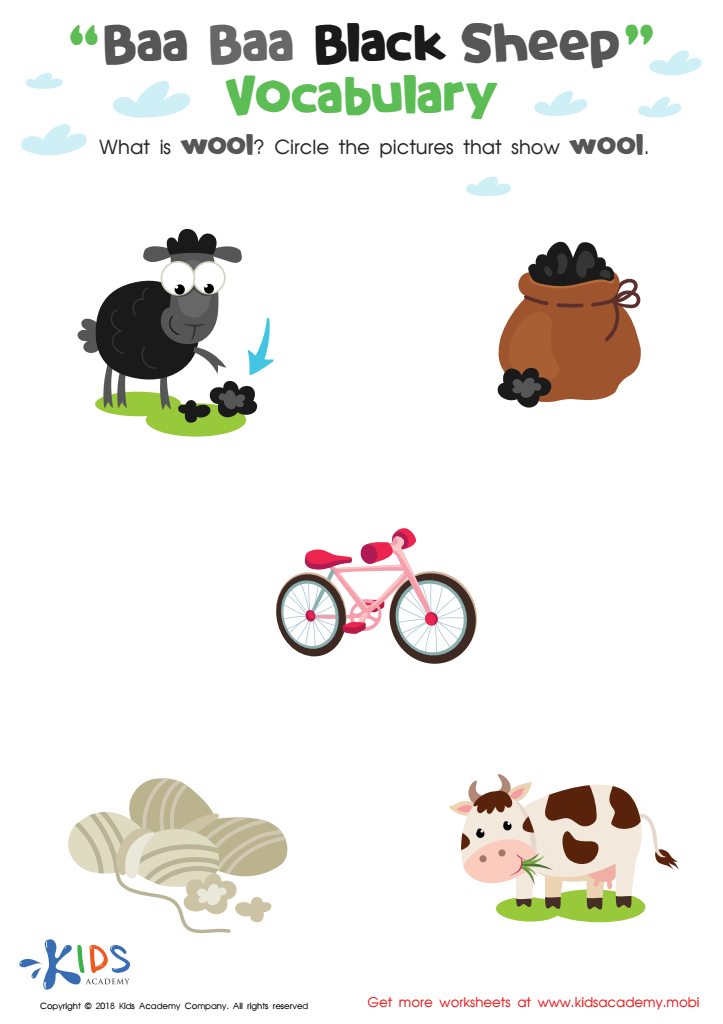
Baa Baa Black Sheep: Vocabulary Worksheet
 Assign to My Students
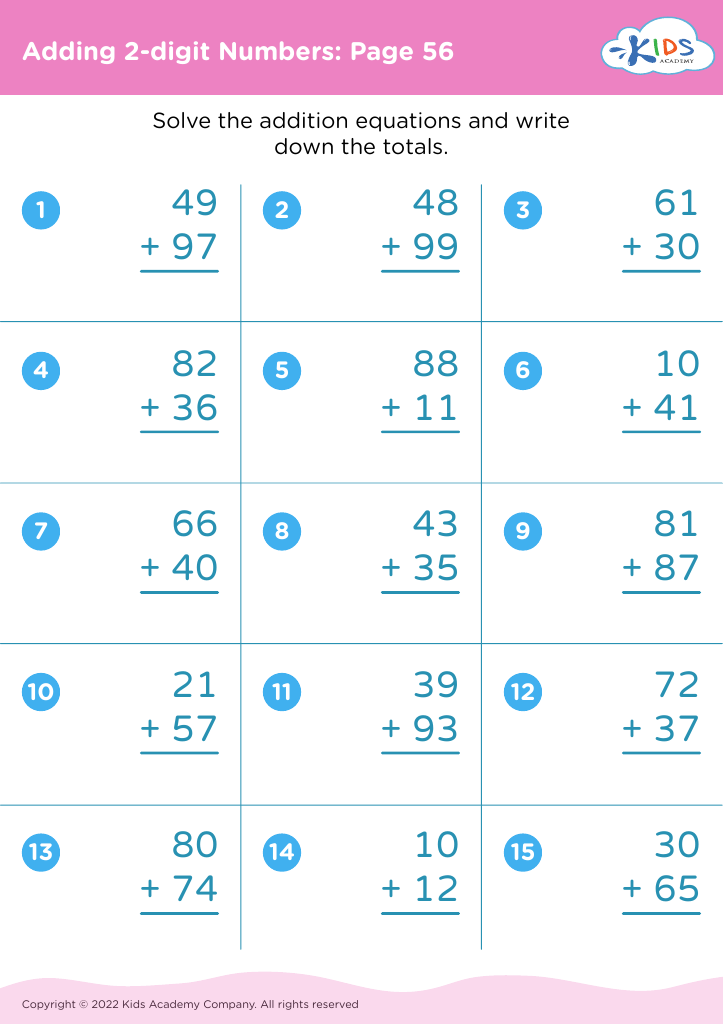
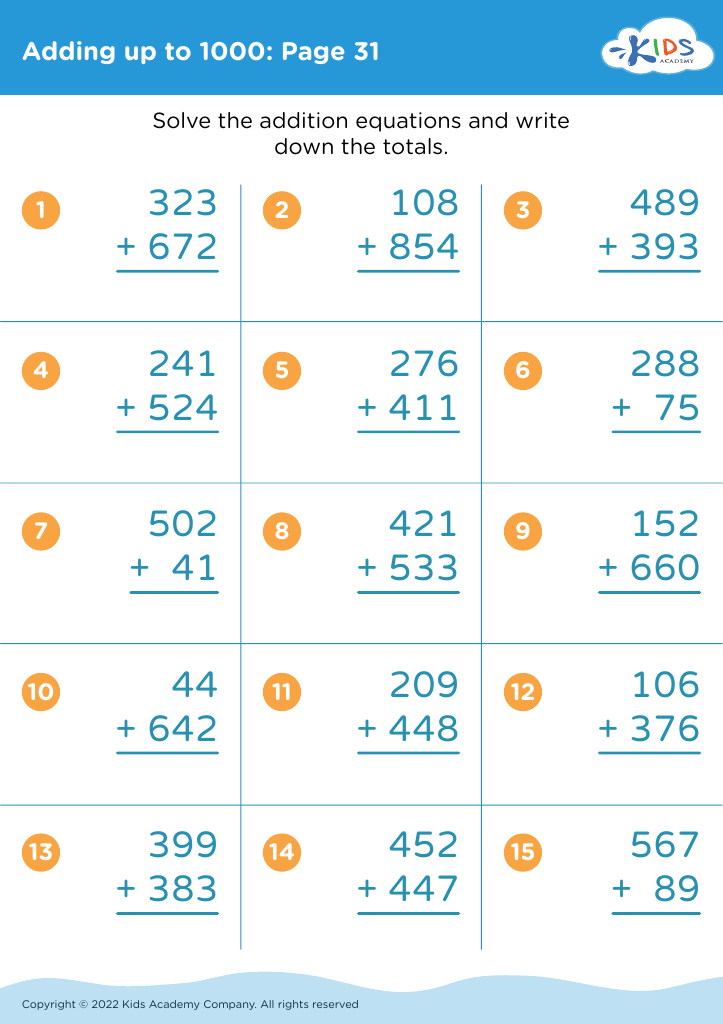








Understanding sequencing is crucial for 8-year-olds as it lays the foundation for critical thinking, literacy, and problem-solving skills. At this developmental stage, children begin to comprehend not just what happens in stories but the order of events, which enhances their reading comprehension and narrative skills. This ability to identify sequences helps them grasp cause-and-effect relationships, allowing for a deeper understanding of content across subjects.
For teachers and parents, emphasizing sequencing improves children's overall academic performance. In subjects like math, sequencing is essential for solving problems step-by-step, which fosters a logical approach to tackling complex concepts. In science, it supports the understanding of processes and experiments, and in history, it helps children grasp timelines and events' significance.
Moreover, sequencing skills can improve communication abilities, encouraging children to express their thoughts clearly and methodically. By prioritizing activities that promote sequencing, such as storytelling, timelines, and everyday decision-making tasks, parents and teachers play a pivotal role in helping children become organized and focused thinkers.
Ultimately, supporting children in mastering sequencing not only aids their current learning but also equips them with essential skills for lifelong success, highlighting its importance for educators and caregivers alike.








