Visual representation of fractions Worksheets for 8-Year-Olds
4 filtered results
-
From - To
Discover engaging "Visual Representation of Fractions Worksheets for 8-Year-Olds"! Our specially designed, printable worksheets make learning fractions exciting and enjoyable for children. Using vibrant visuals and practical examples, these worksheets help young learners easily grasp basic fraction concepts such as halves, thirds, and quarters. Perfectly structured for 8-year-olds, these activities enhance comprehension and build confidence in math skills. Whether at home or in the classroom, empower your child with the tools they need for success in math. Foster a love for learning and mathematical understanding with our fun and educational fraction worksheets today!
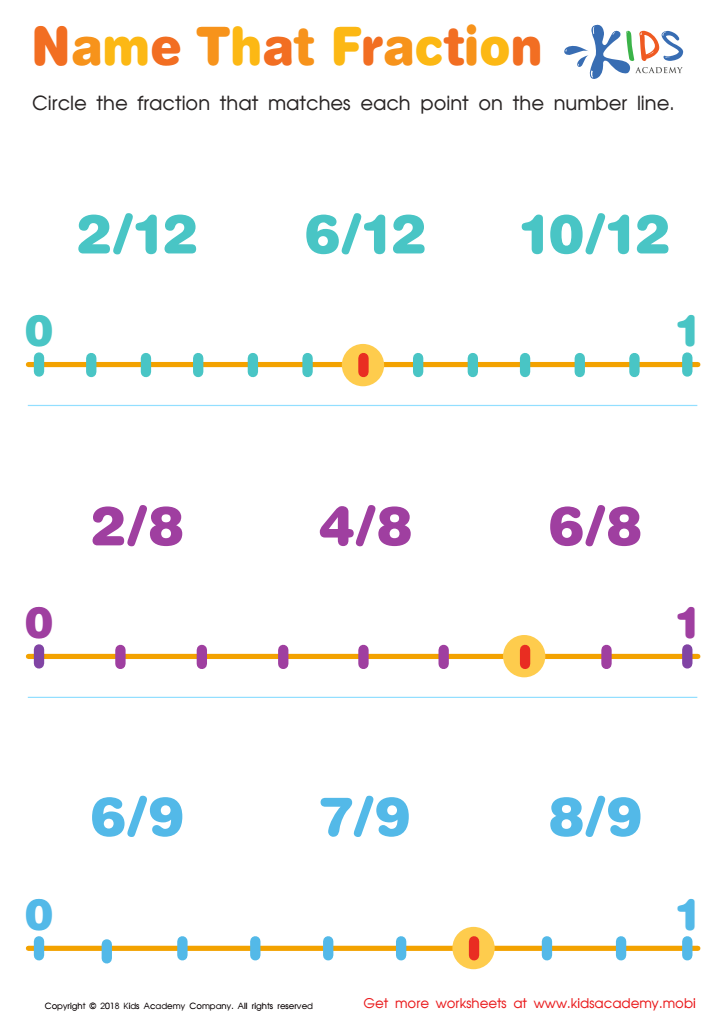
Name That Fraction Worksheet
 Assign to My Students
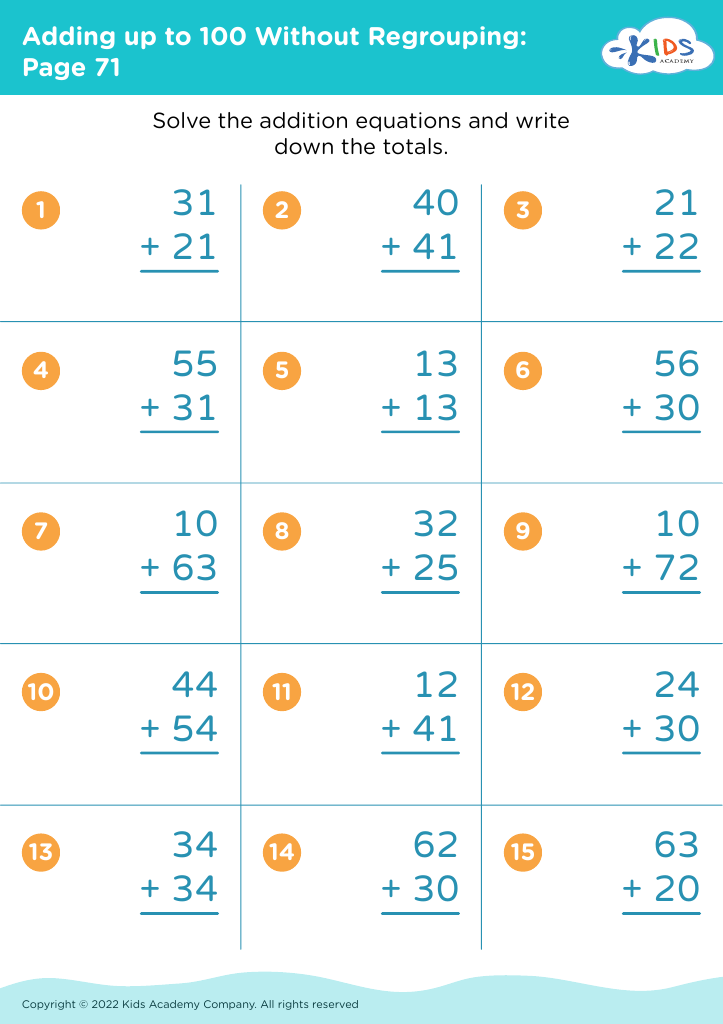
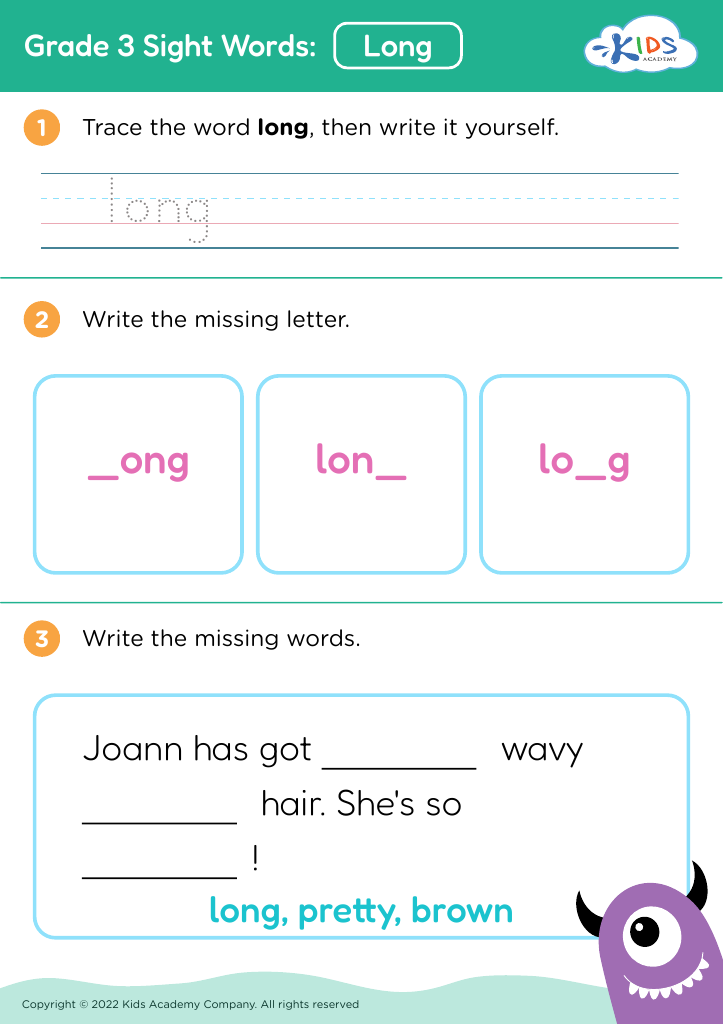
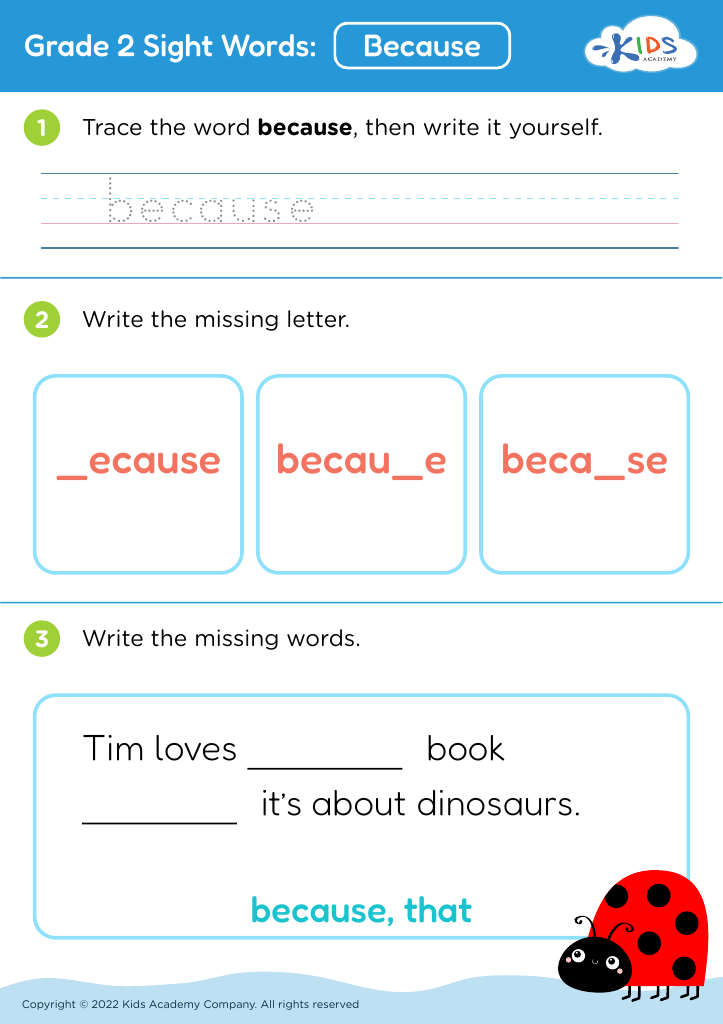



.jpg)




Visual representation of fractions is crucial for 8-year-olds as it bridges the gap between abstract numerical concepts and concrete understanding. At this developmental stage, children are transitioning from tangible experiences to more abstract thinking. Visual aids make fractions relatable and easier to grasp, as they transform numbers into images children can see and manipulate.
When children use pie charts, fraction bars, or pictorial models, they can more readily comprehend parts of a whole, division, and equal sharing. Visual learning aids tap into the natural human ability to process information graphically, fostering better memory retention and comprehension. As fractions often form the foundation for more complex mathematical concepts like ratios, proportions, and algebra, a strong, visual-based understanding early on can boost future mathematical success.
Moreover, visual representations accommodate various learning styles, particularly benefiting visual learners who might struggle with solely numerical methods. They also encourage interactive learning; students can physically manipulate objects to see the effects of adding or subtracting fractions, making learning both hands-on and engaging.
Thus, parents and teachers should prioritize visual fraction tools to solidify foundational math skills, build confidence, and inspire a lasting interest in mathematics, paving the way for academic achievements in later years.








