Critical Thinking Adding up to 1000 Misc Worksheets for 8-Year-Olds
3 filtered results
-
From - To
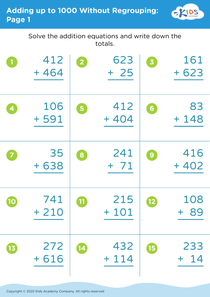
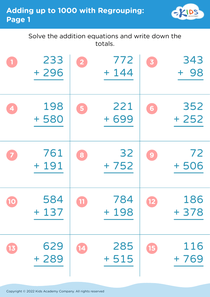
Enhance your 8-year-old's math skills with our engaging "Critical Thinking Adding up to 1000 Misc Worksheets." Designed to foster critical thinking, these worksheets encourage students to explore various math concepts beyond simple addition. Each worksheet challenges young learners to think analytically, enhancing their problem-solving abilities while counting, adding, and engaging with numbers up to 1000. Ideal for both classroom settings and at-home learning, these versatile resources help children develop a solid understanding of math through fun, interactive activities. Watch as your child's confidence grows while they tackle challenges that promote logical reasoning and independent thought in mathematics. Explore our collection today!
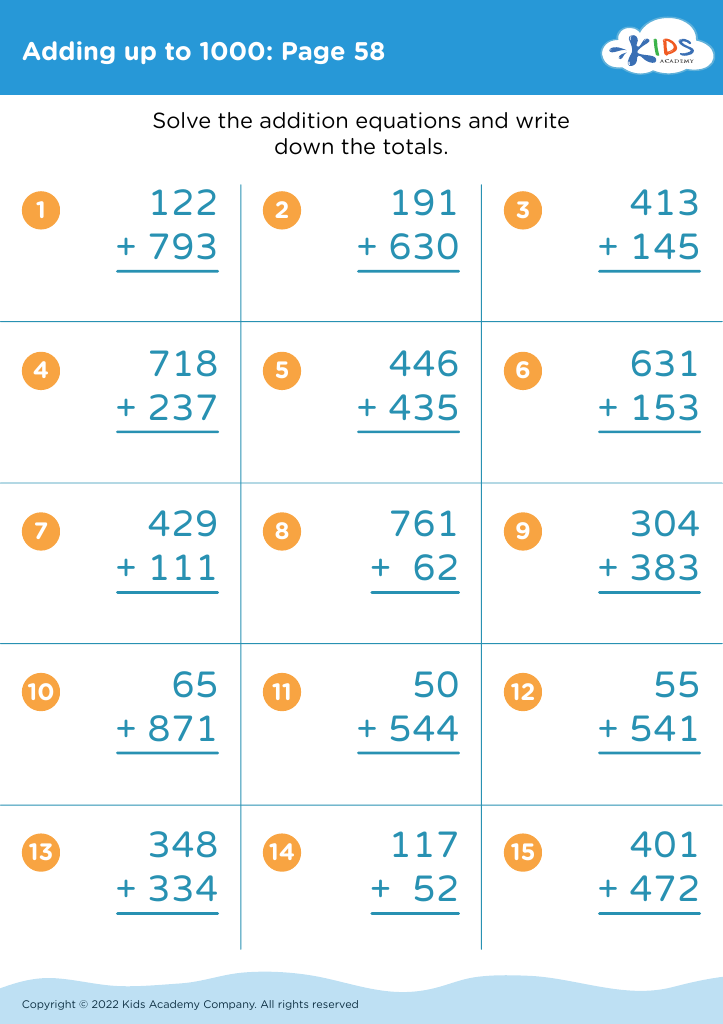


Critical thinking is essential for 8-year-olds as it lays the groundwork for problem-solving and decision-making skills. By nurturing critical thinking, parents and teachers prepare children to navigate complex situations in the future. At this age, children are naturally curious. They ask questions and seek explanations, which can be harnessed to develop their analytical skills.
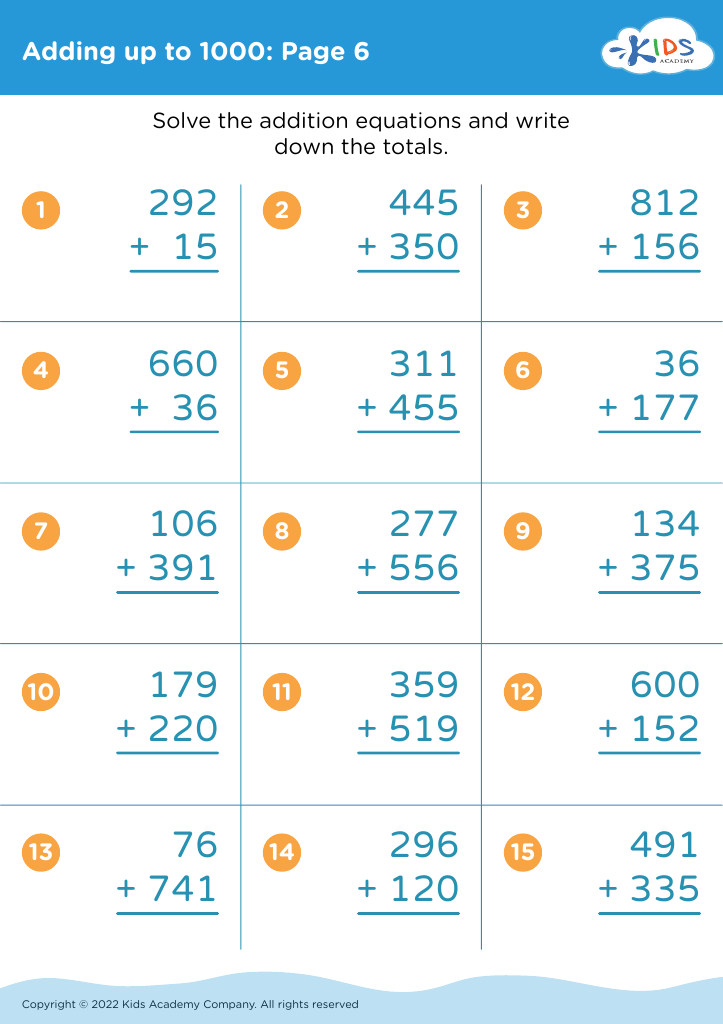
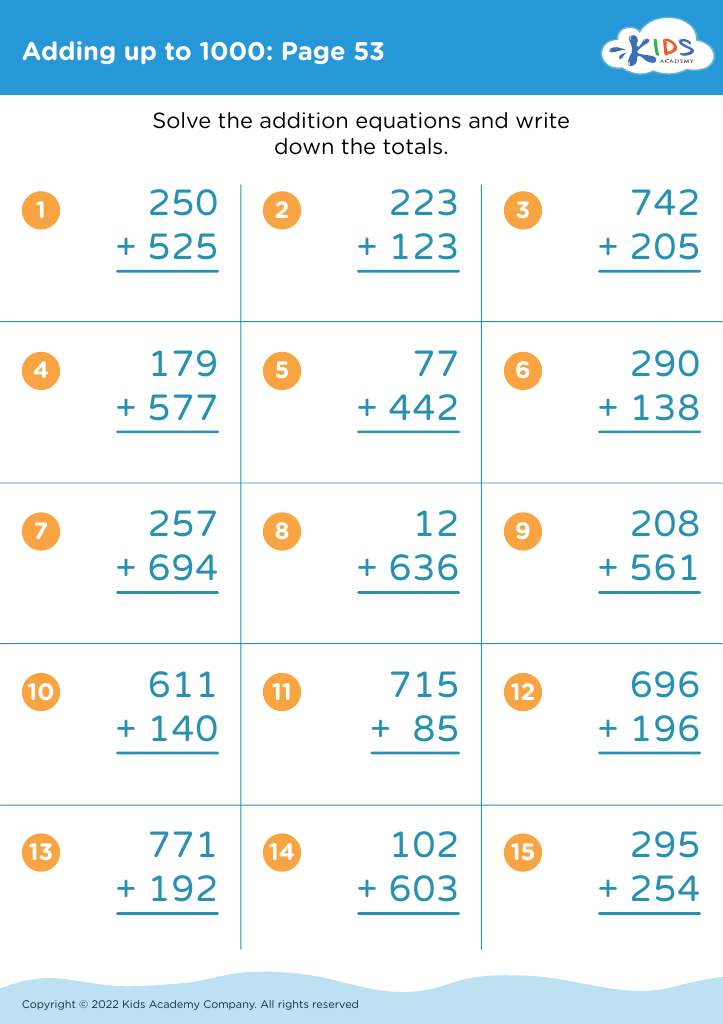
When discussing topics like "Adding up to 1000," critical thinking encourages children to approach math not just as a set of procedures but as an opportunity for exploration and reasoning. This can involve analyzing different ways to reach the total, evaluating the effectiveness of various strategies, and considering possibilities and outcomes. The ability to reason through these math problems fosters a sense of achievement and builds confidence.
Moreover, critical thinking helps children understand the importance of verifying information and making informed choices. As they learn to articulate their thought processes, they become more adept at collaborating with peers and expressing their ideas. Ultimately, fostering critical thinking enables children to become active learners who can adapt to new challenges, making it an invaluable skill that extends well beyond the classroom. By caring about and investing in critical thinking, parents and teachers can shape responsible, thoughtful future citizens.