
Sequencing Skills Addition & Subtraction Worksheets for 8-Year-Olds
3 filtered results
Difficulty Level
Grade
Age
-
From - To
Subject
Activity
Standards
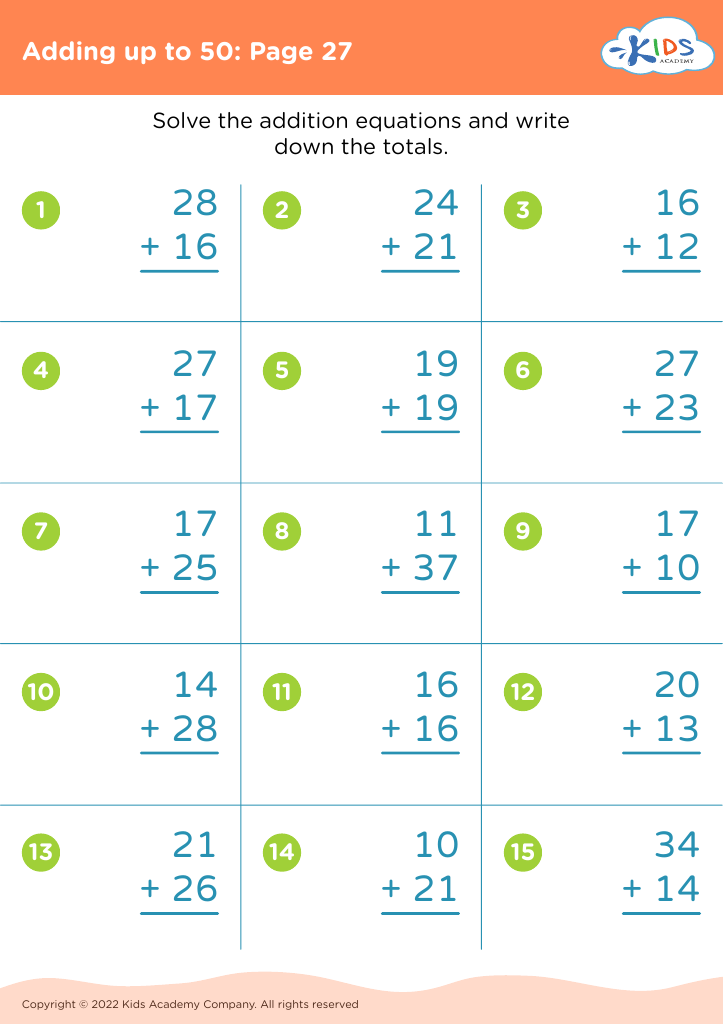
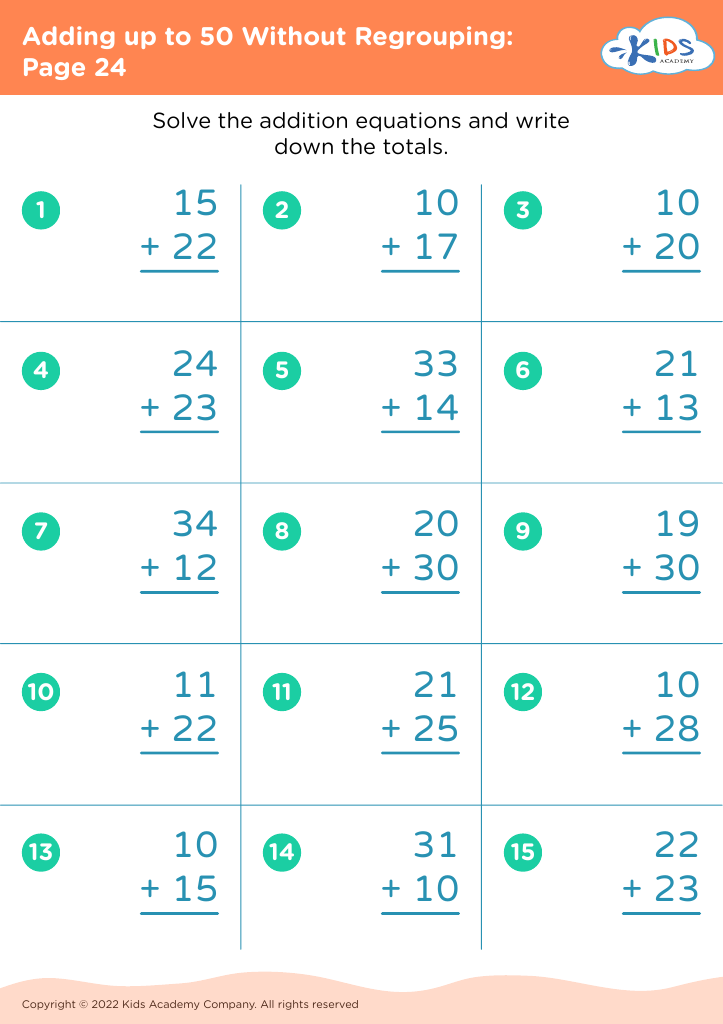
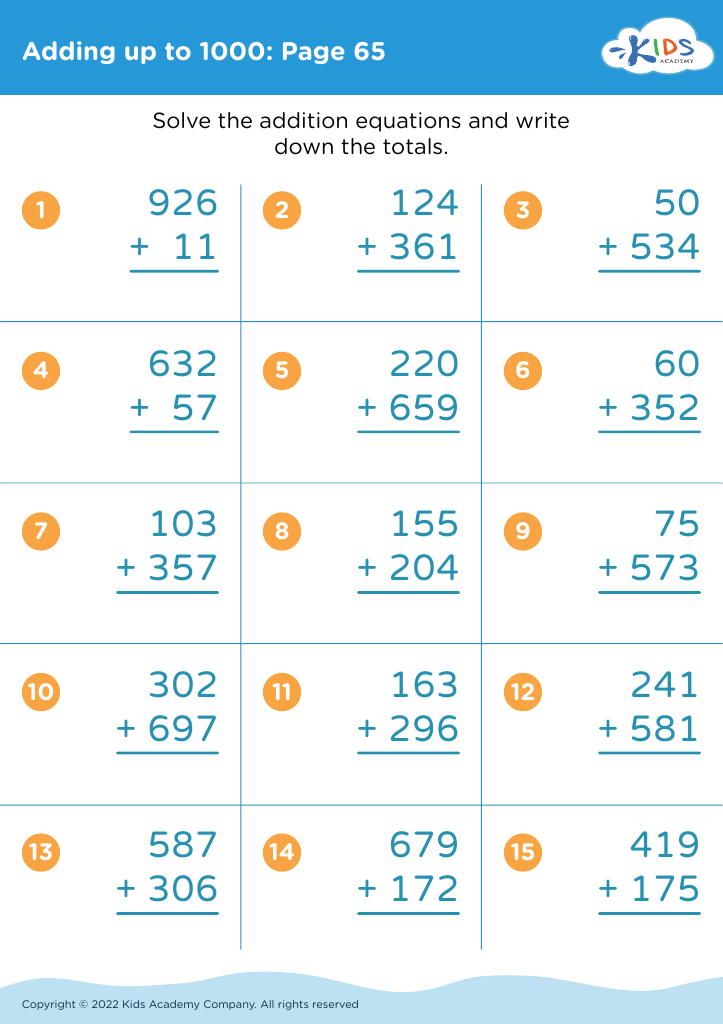
Enhance your 8-year-old's math abilities with our Sequencing Skills Addition & Subtraction Worksheets! Specially designed to blend fun with learning, these worksheets help kids grasp essential sequencing concepts while reinforcing their addition and subtraction skills. Each worksheet presents engaging activities that challenge young minds, helping them to sequence numbers and understand the order of operations. Perfect for both classroom and home practice, these expertly crafted printables support Common Core standards. Watch your child gain confidence, think critically, and take their math prowess to the next level. Unlock their potential today with our sequencing skills worksheets!
Favorites
With answer key
Interactive
Join Kids Academy for Free
Who is primarily going to use this learning content?








Sequencing skills in addition and subtraction are crucial for 8-year-olds and should be a focal point for both parents and teachers. At this age, children are developing their foundational math skills, and understanding the correct order in which to perform mathematical operations is essential for their future success. Sequencing helps children comprehend the step-by-step process required to solve basic addition and subtraction problems, which builds a strong foundation for more complex math concepts, such as multiplication, division, and eventually algebra.
Mastery of these skills also enhances a child’s logical thinking and problem-solving abilities. When children can correctly sequence their thoughts, they can approach problems systematically, minimizing errors. This, in turn, boosts their confidence and encourages a more positive attitude towards math. Furthermore, sequencing skills have cross-disciplinary benefits. They improve overall cognitive development, helping children in areas like reading comprehension, where understanding the sequence of events is crucial.
Incorporating activities that enhance sequencing, such as ordering numbers, breaking down word problems, and using visual aids like number lines, allows children to grasp the concept in a fun, engaging manner. Parents and teachers who emphasize sequencing in math give children the tools they need for academic success and practical life skills.








