Alphabet Recognition Addition Worksheets for 8-Year-Olds
4 filtered results
-
From - To
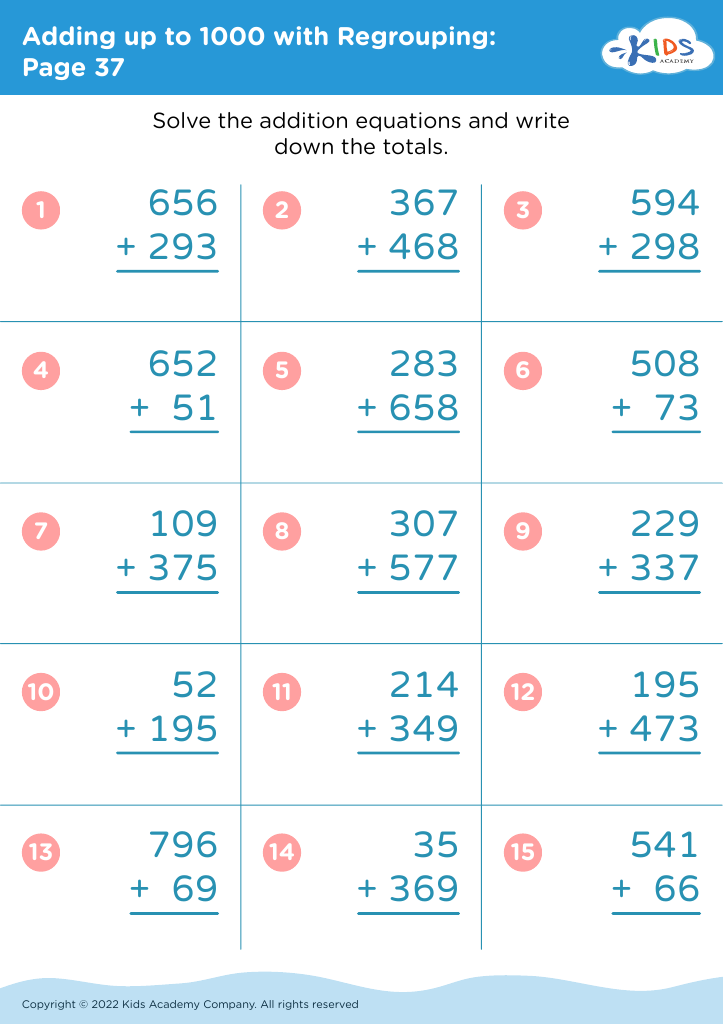
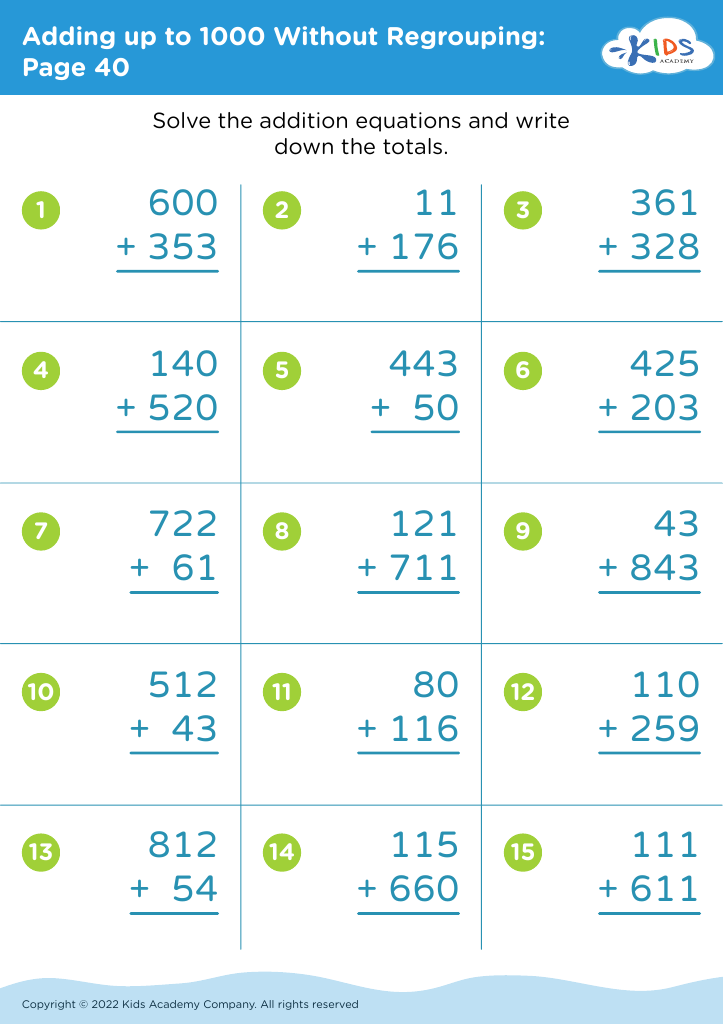
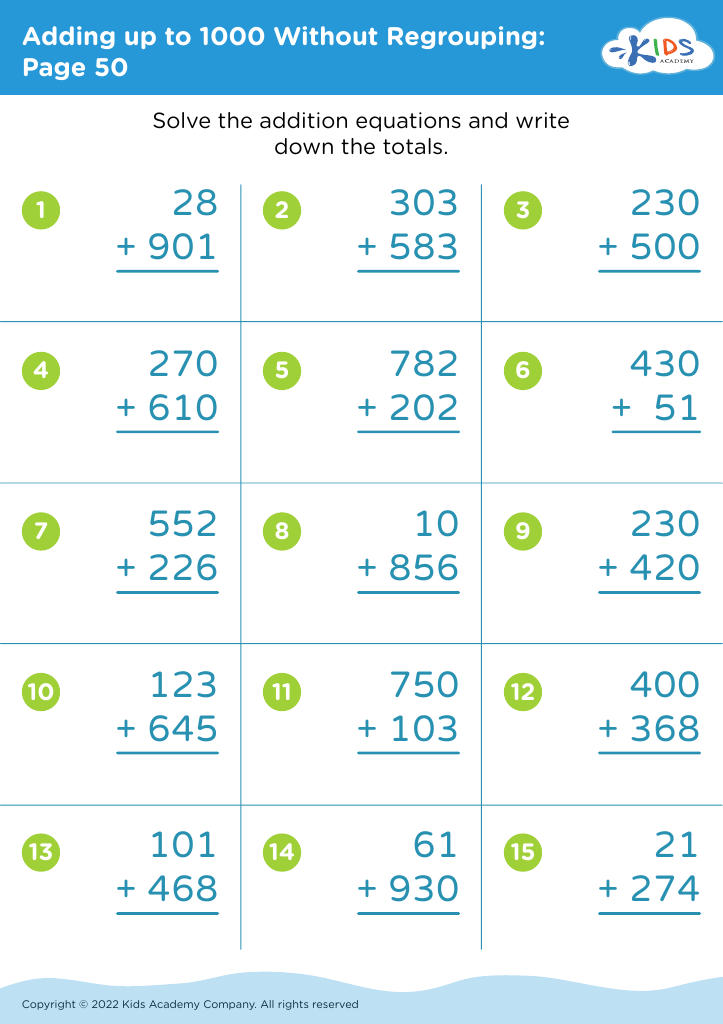
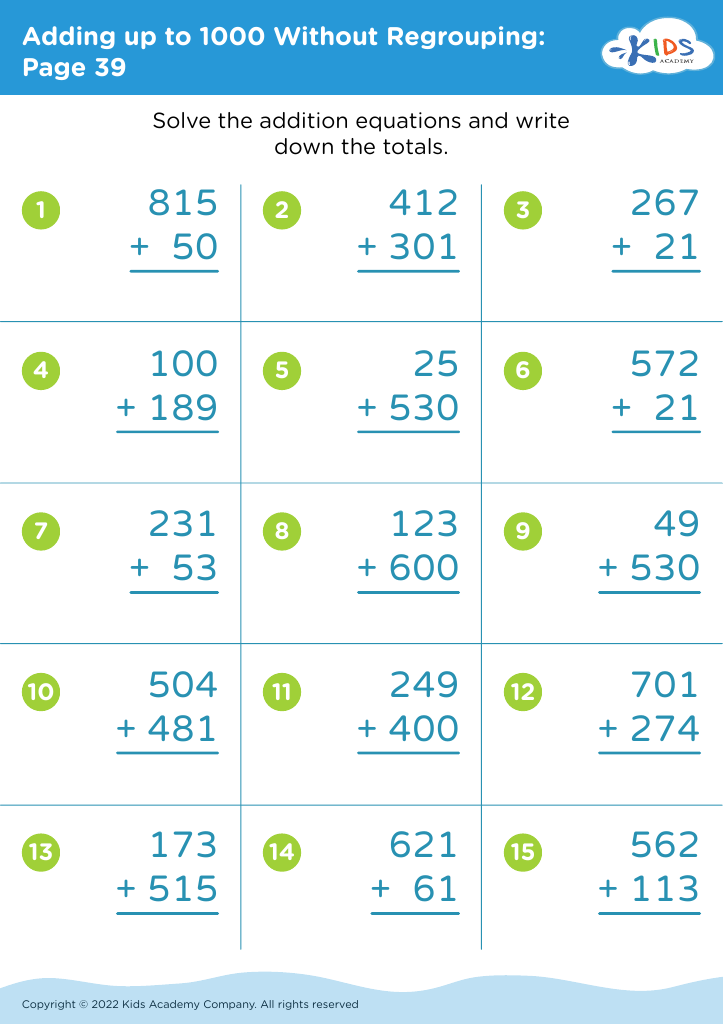
Boost your child's learning with our Alphabet Recognition Addition Worksheets, designed specifically for 8-year-olds! These engaging worksheets seamlessly blend alphabet recognition with addition skills, providing a fun and interactive experience. Each activity encourages children to identify letters while practicing basic math, reinforcing their literacy and numerical skills. Perfect for at-home practice or classroom use, our resources support various learning styles and keep kids motivated. As they trace, match, and solve problems, they’ll gain confidence in both reading and math, setting a strong foundation for future academic success. Explore our collection today to make learning enjoyable and effective!





.jpg)


Alphabet recognition is a fundamental skill that lays the groundwork for literacy and overall academic success. For 8-year-olds, including those who might be struggling with reading, focusing on this skill helps them transition from learning letters to forming words and comprehending text. At this age, children are expected to read with greater fluency, and being proficient in recognizing letters can significantly boost their confidence and motivation.
Moreover, fostering strong alphabet recognition in early grades can have implications beyond reading. It influences writing abilities, spelling, and even the development of critical thinking skills. Children who can easily identify letters are likely to engage more positively in language arts, leading to better communication skills overall.
Parents and teachers should prioritize alphabet recognition because it acts as a building block for future academic pursuits. A firm grasp of letters encourages children to explore literature, inquire about words, and express themselves creatively. When adults invest time in these basic skills, they are cultivating a rich learning environment that stimulates curiosity and a love for reading. Ultimately, emphasizing alphabet recognition can contribute to a child's long-term educational journey, ensuring they are prepared for more complex literacy challenges ahead.








