
Number comparison Comparing Numbers Worksheets for 8-Year-Olds
3 filtered results
Difficulty Level
Grade
Age
-
From - To
Subject
Activity
Standards
Explore our engaging "Number Comparison Worksheets for 8-Year-Olds" designed to enhance young learners' math skills. These worksheets provide fun and interactive exercises that encourage children to compare numbers, understand their values, and develop critical thinking. With vibrant visuals and age-appropriate challenges, kids will practice identifying larger and smaller numbers, utilizing symbols like greater than, less than, and equals. Our resources support foundational math concepts, fostering confidence and proficiency in number comparison. Ideal for home or classroom settings, these worksheets aim to make learning exciting and effective. Help your child master number comparison today with our comprehensive, easy-to-use worksheets!
Favorites
With answer key
Interactive
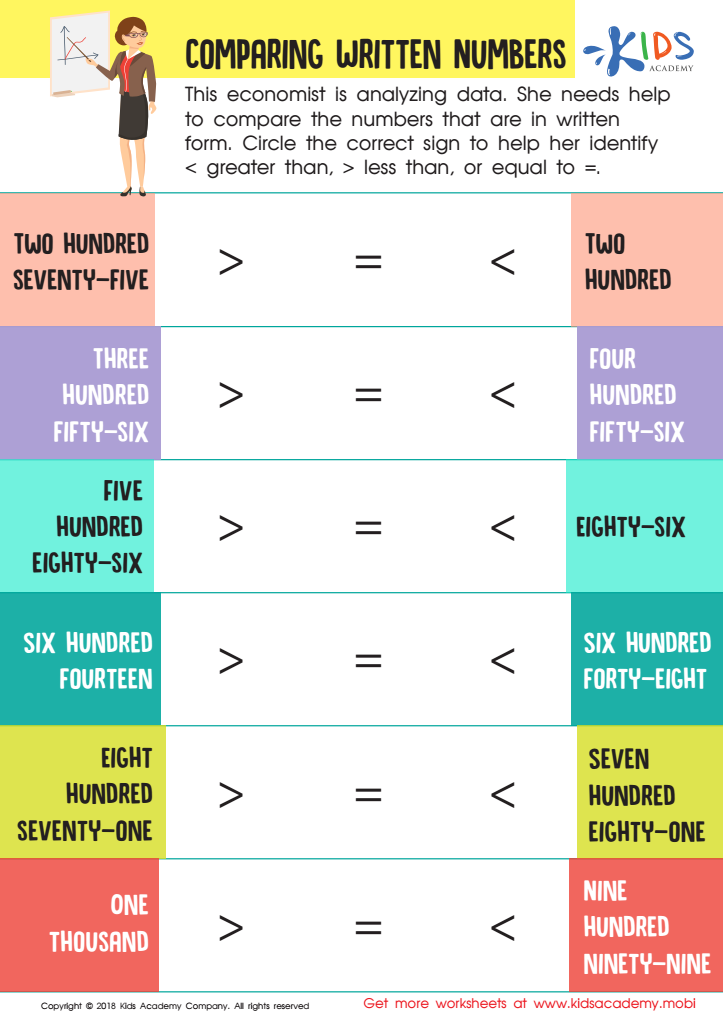
Comparing Written Numbers Worksheet
Children need to grasp that numbers come in different forms. This exciting PDF provides practice for comparing values written as words. Young economists can analyze the number pairs, then circle the sign (<, =, or >) to make comparisons true.
 Assign to My Students
Comparing Written Numbers Worksheet
Worksheet
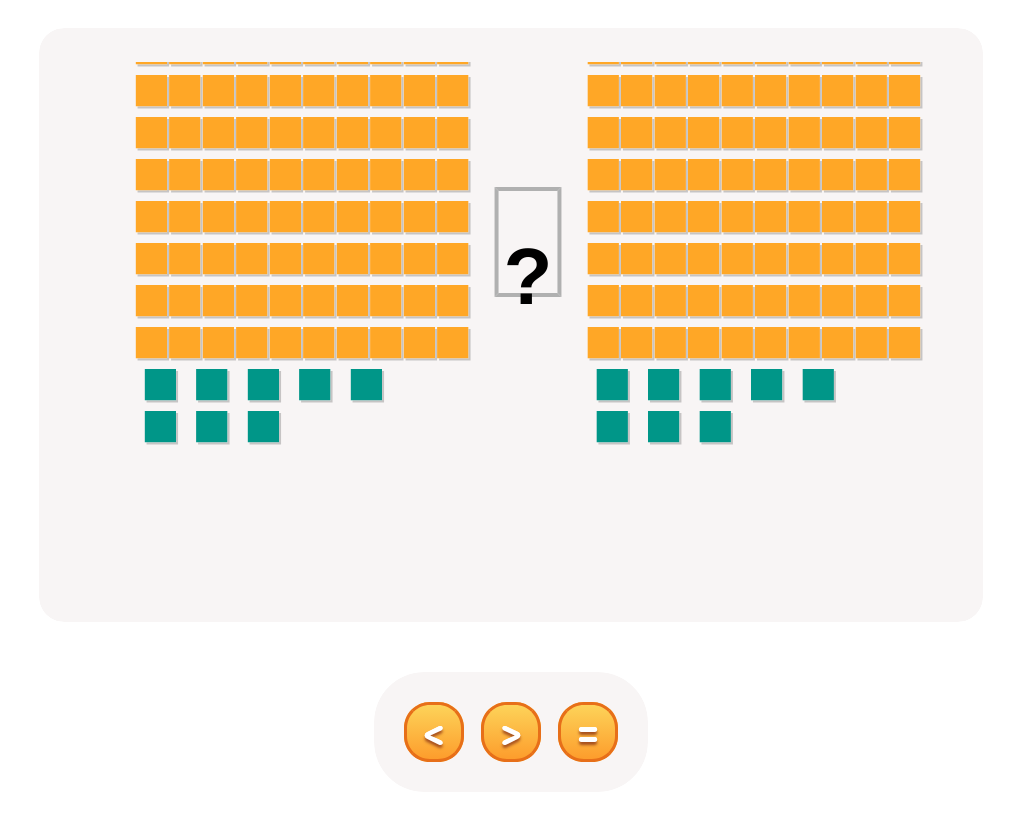

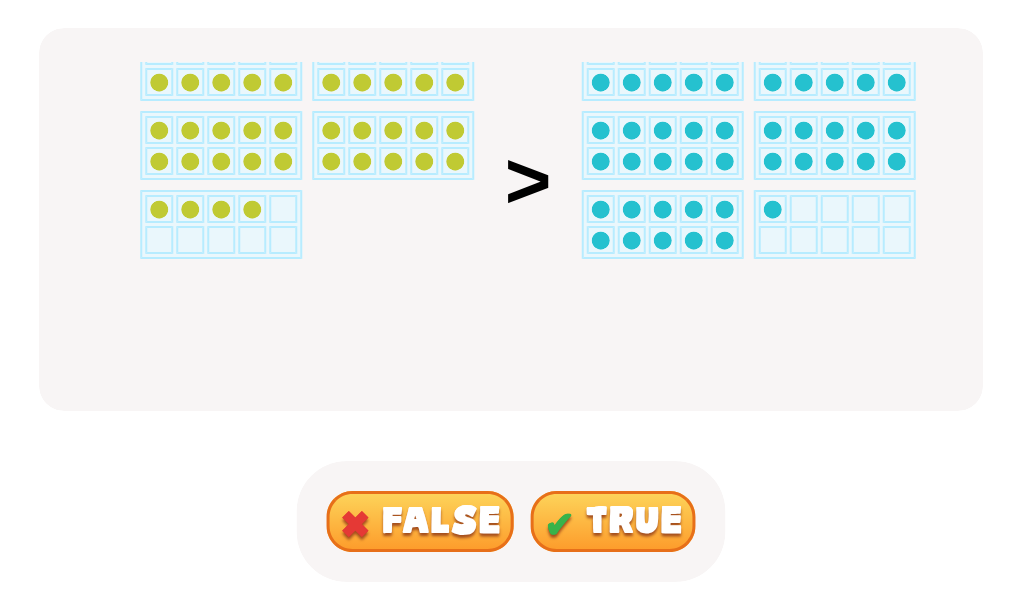
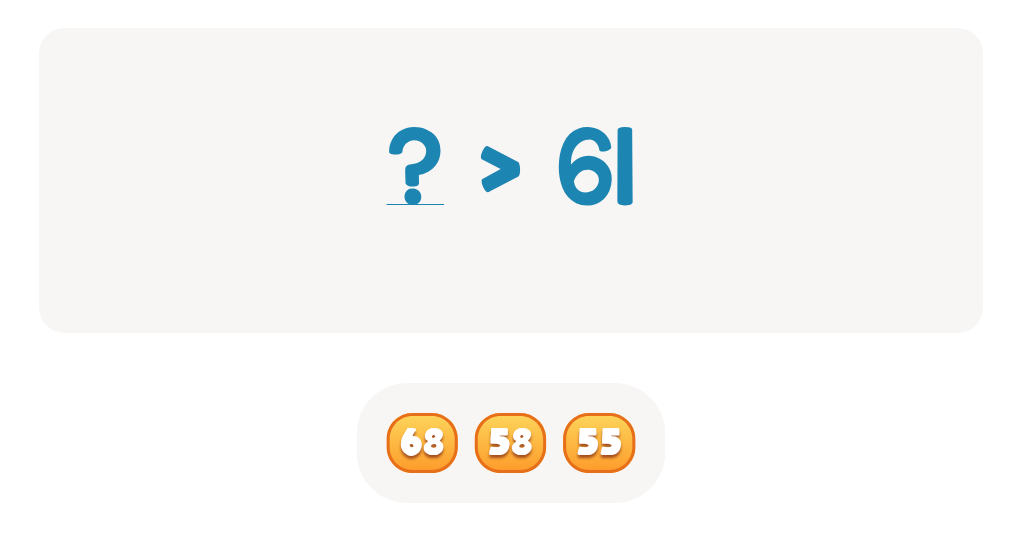
Comparing Numbers Worksheet for 2nd Grade
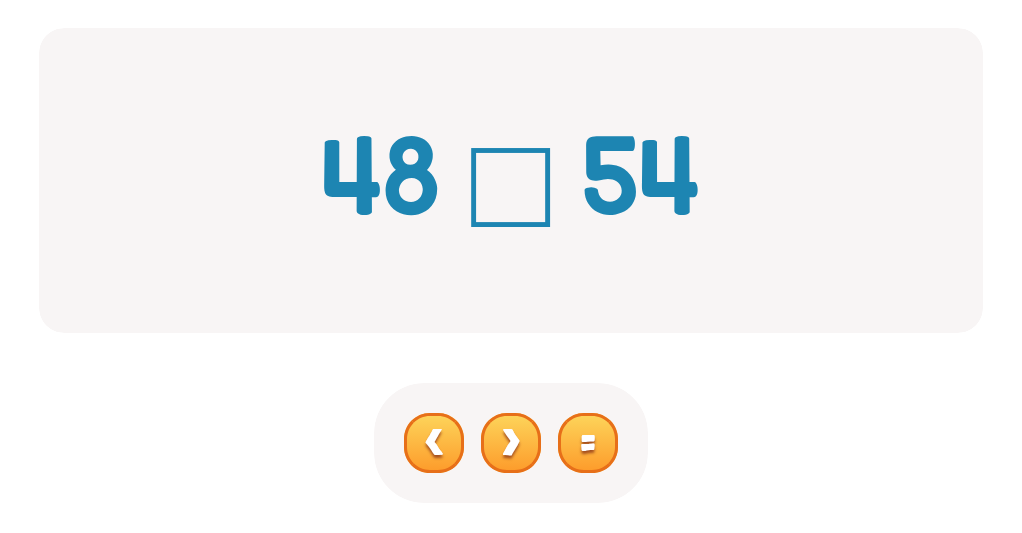
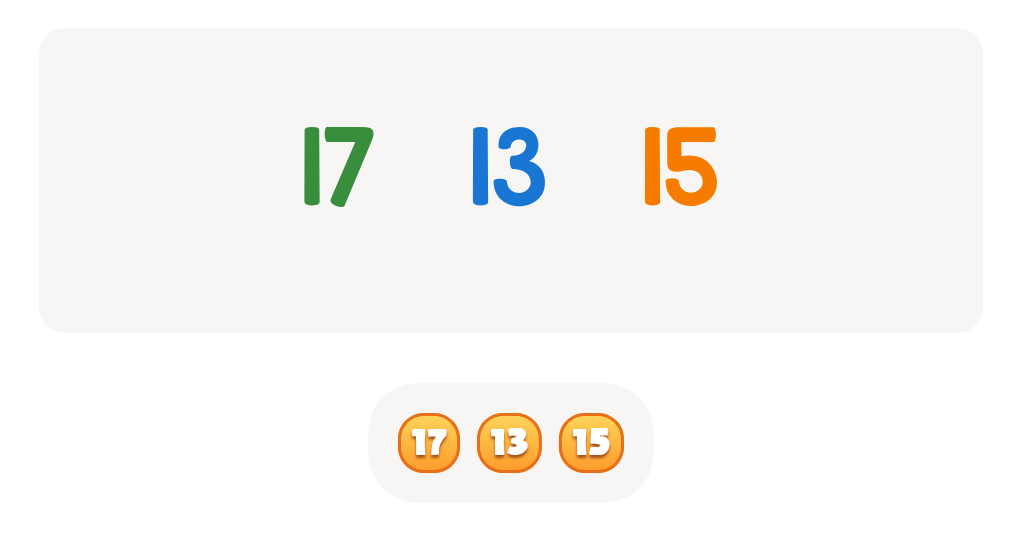
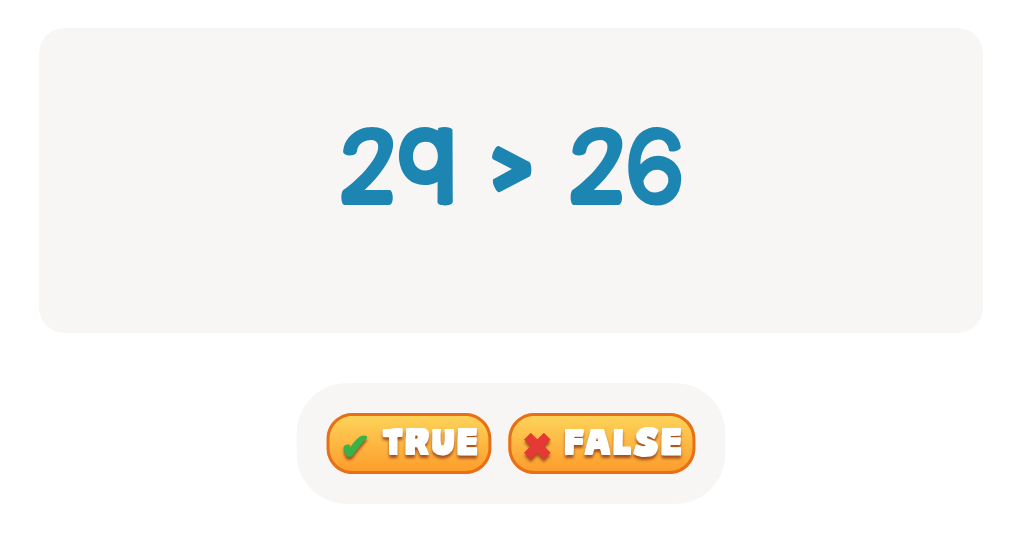
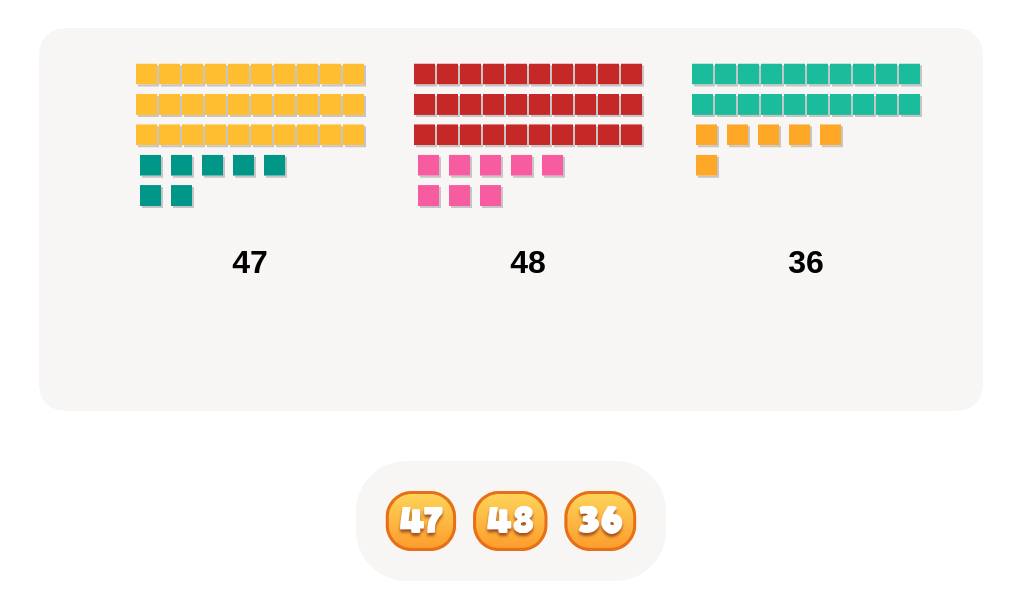
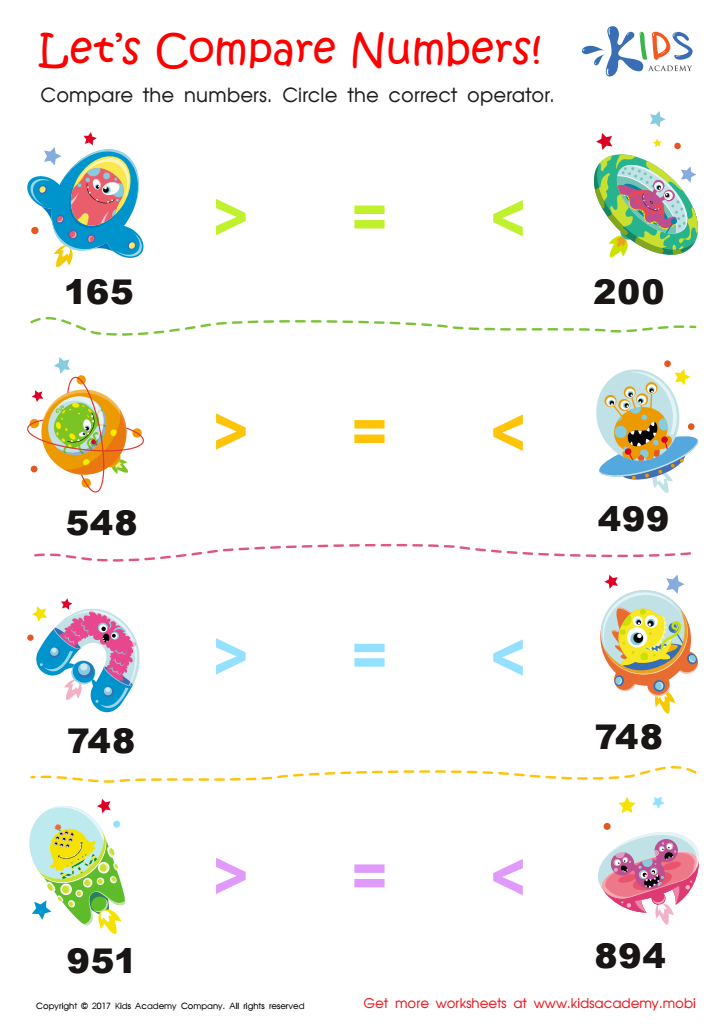
Alien friends are back to help your child learn to compare numbers using >, < and = symbols. This 2nd grade worksheet will challenge them with larger numbers!
Comparing Numbers Worksheet for 2nd Grade
Worksheet
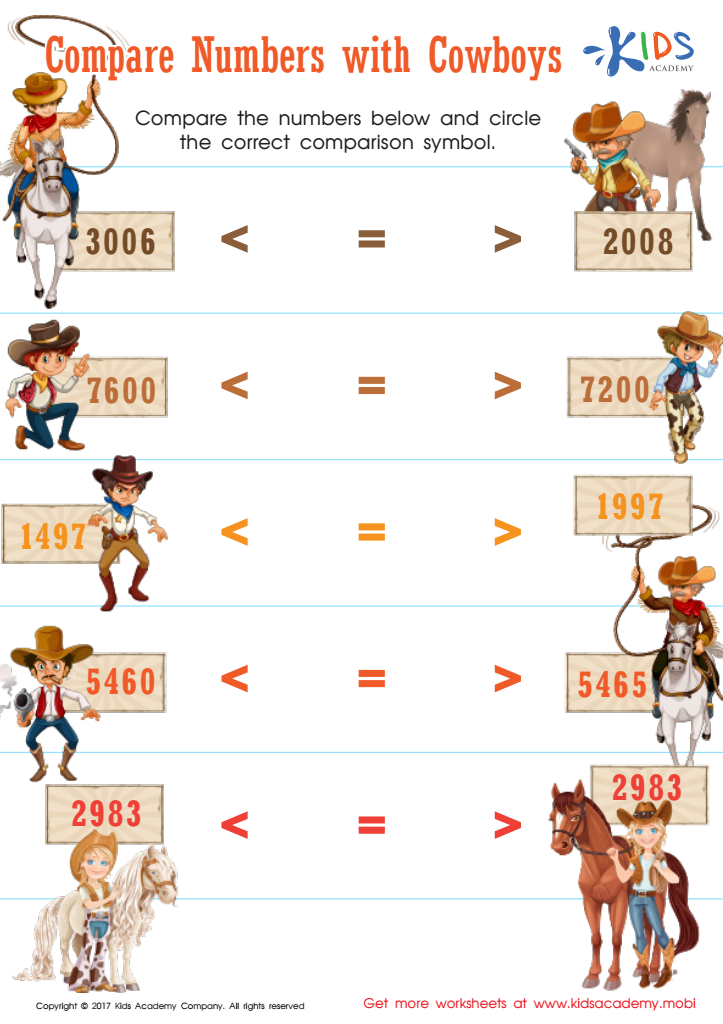
Compare Numbers Worksheet for 3rd Grade
Time to get a roundup on big numbers! Help your 3rd grader practice comparing thousands with this compare numbers worksheet. They'll use >, <, and = symbols for tricky numbers. Jump in and join the cowboys!
Compare Numbers Worksheet for 3rd Grade
Worksheet
Join Kids Academy for Free
Who is primarily going to use this learning content?








Number comparison is a fundamental mathematical skill that enhances a child's numerical understanding and reasoning. For 8-year-olds, this skill is crucial as it lays the groundwork for more complex mathematical concepts. Parents and teachers should care about teaching number comparison because it fosters critical thinking and problem-solving abilities. By learning to compare numbers, children develop the ability to make informed decisions in everyday situations, like budgeting allowances or measuring quantities in cooking.
Furthermore, number comparison strengthens a child’s confidence in their mathematical abilities. When they can confidently identify which numbers are greater or lesser, it boosts their self-esteem and encourages a positive attitude towards math. This foundational skill also connects with other areas of math, such as addition, subtraction, and understanding place value, making it essential for their overall mathematical progression.
Moreover, mastering number comparison can enhance reading comprehension, as many texts, particularly in science and social studies, present data in numeric forms. In summary, focusing on number comparison is vital for developing critical life skills, improving academic performance, and fostering a positive relationship with mathematics. Thus, both parents and teachers play a pivotal role in nurturing these abilities in children, ensuring a solid foundation for future learning.








