Boost critical thinking Math Worksheets for 8-Year-Olds
3 filtered results
-
From - To
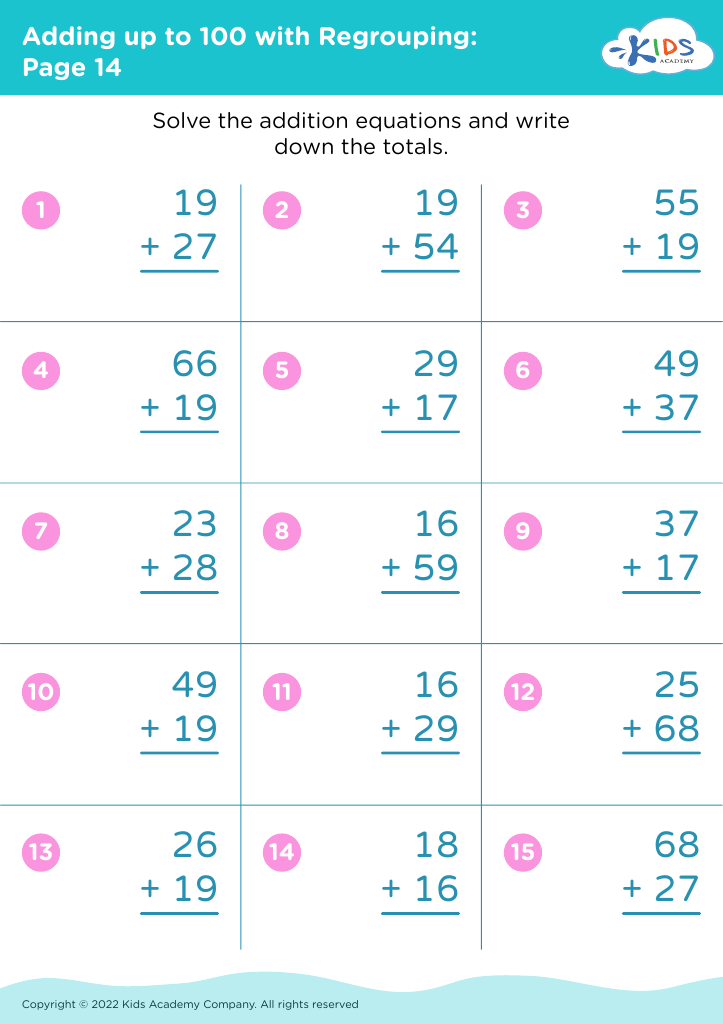
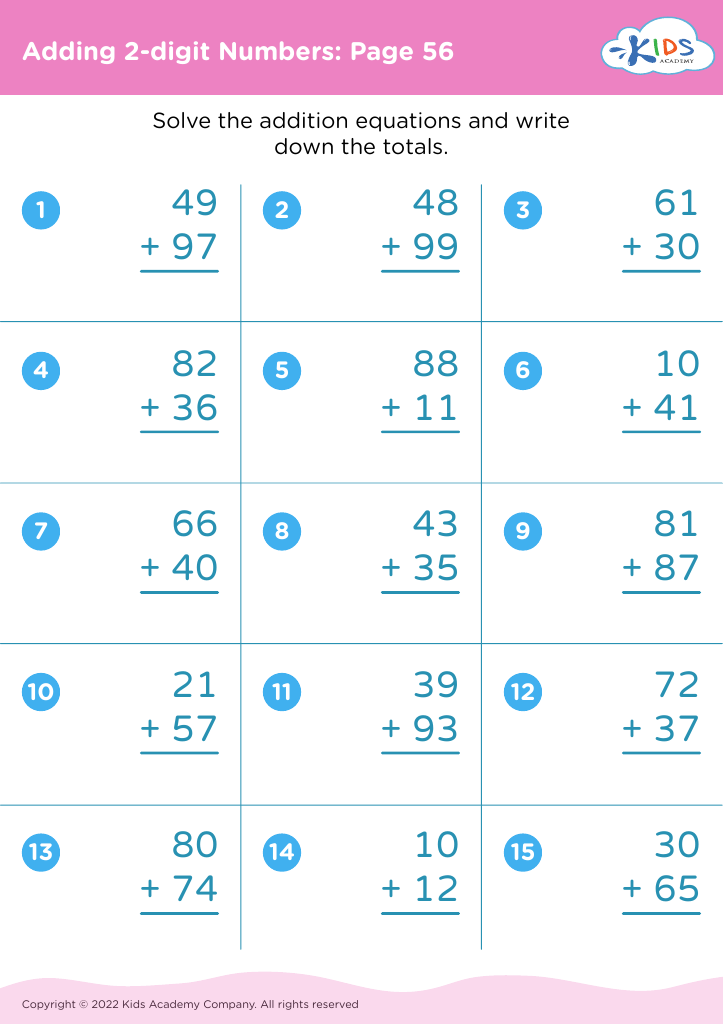
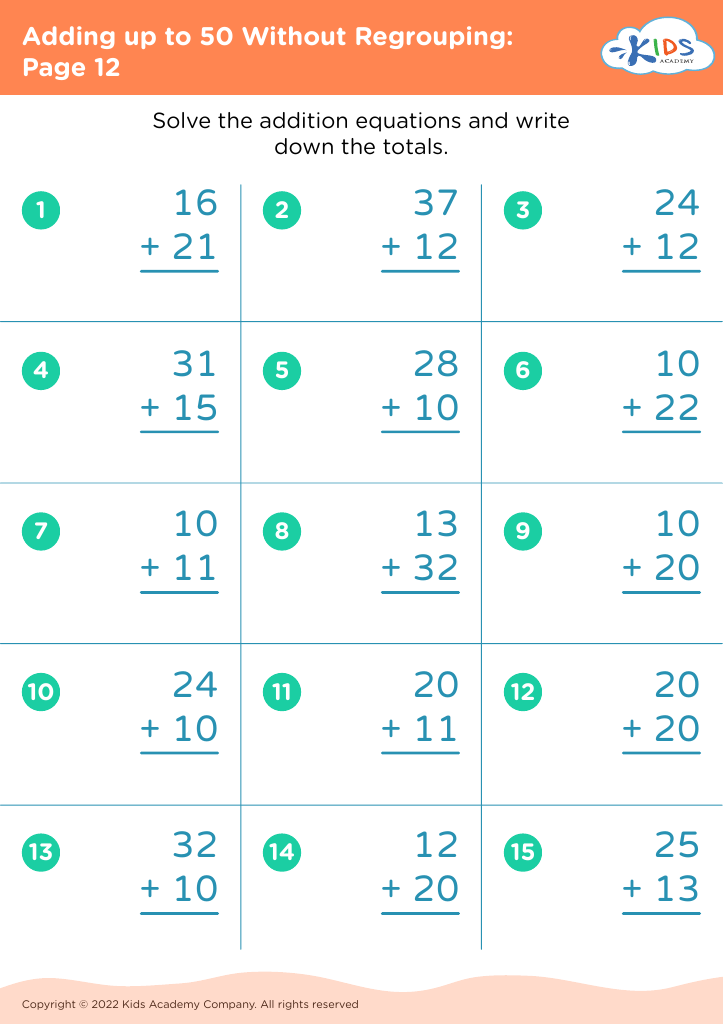
Discover our "Boost Critical Thinking Math Worksheets for 8-Year-Olds," designed to enhance problem-solving skills and logical reasoning in young learners. These engaging, age-appropriate worksheets focus on fostering critical thinking through a variety of challenging problems and interactive exercises. Each worksheet encourages students to analyze, evaluate, and make connections, promoting a deeper understanding of mathematical concepts. Perfect for classroom use or at-home learning, these worksheets offer a fun way to strengthen math skills while cultivating an analytical mindset. Help your child develop essential critical thinking abilities and build confidence in their math proficiency with our thoughtfully crafted worksheets!







.jpg)
Boosting critical thinking in math for 8-year-olds is essential because it lays a foundation for their future academic success and problem-solving skills. At this age, children are naturally curious and eager to learn, making it the ideal time to cultivate their analytical abilities. Encouraging critical thinking in math helps students move beyond rote memorization, empowering them to understand concepts deeply and to apply their learning in new contexts.
Moreover, developing critical thinking skills equips children with the ability to solve complex problems, reason logically, and make informed decisions. These skills are not only applicable in mathematics but are also transferable to various subjects and everyday situations. In a rapidly changing world, the ability to think critically will enable children to adapt, innovate, and tackle future challenges confidently.
Teachers and parents have pivotal roles in fostering these skills, creating an engaging and supportive learning environment that promotes exploration and curiosity. By integrating critical thinking into math education, we encourage students to ask questions, analyze information, and develop their own strategies. This approach not only enhances academic achievement but also nurtures lifelong learners who are prepared for future endeavors in a dynamic society.








