Check out this FREE Trial Lesson on Math for age 8!

Exactly the Same, or Not

Favorites
With answer key
Interactive
  • 8
  • Understanding fractions
  • Math
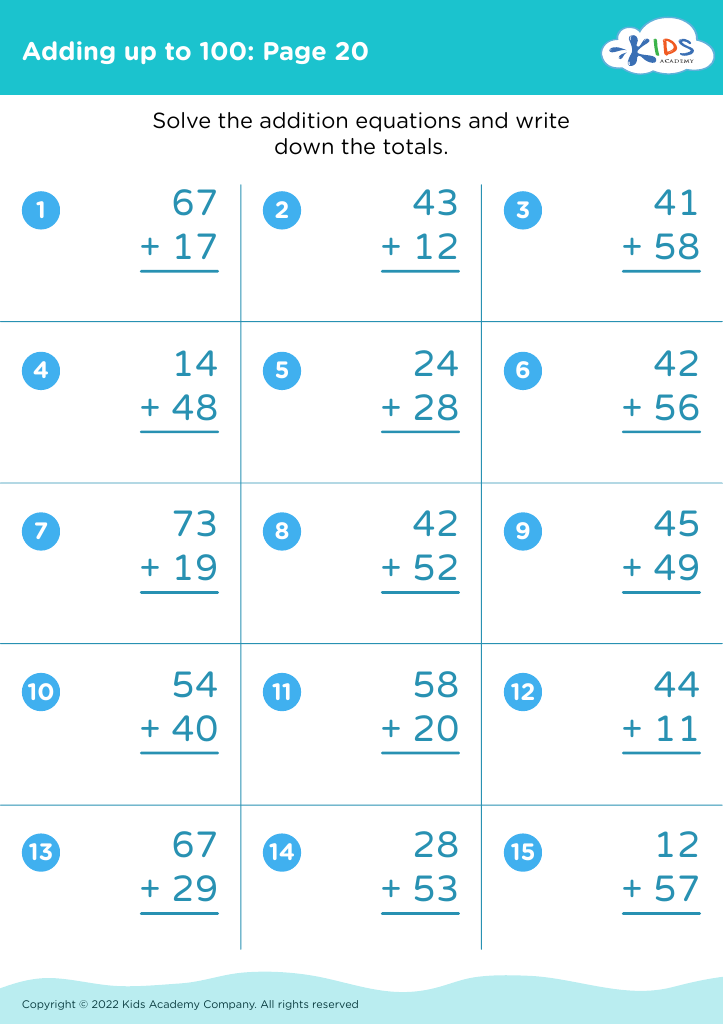
Adding up to 100: Page 20

Adding up to 100: Page 20

Adding up to 100: Page 20
Worksheet
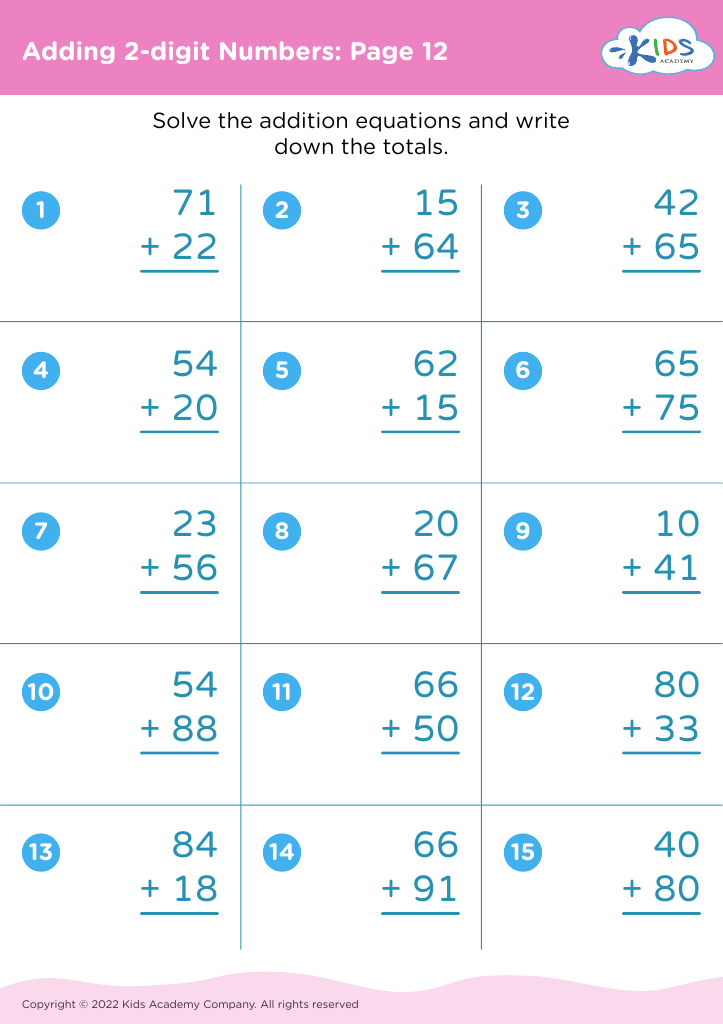
Adding 2-digit Numbers: Page 12

Adding 2-digit Numbers: Page 12

Adding 2-digit Numbers: Page 12
Worksheet
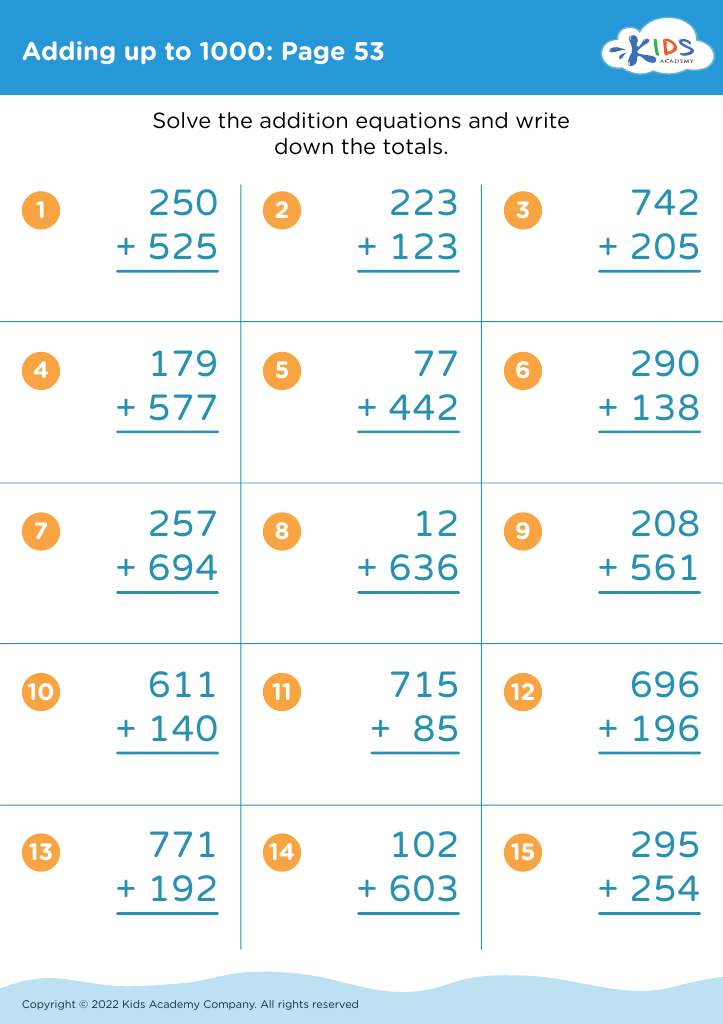
Adding up to 1000: Page 53

Adding up to 1000: Page 53

Adding up to 1000: Page 53
Worksheet
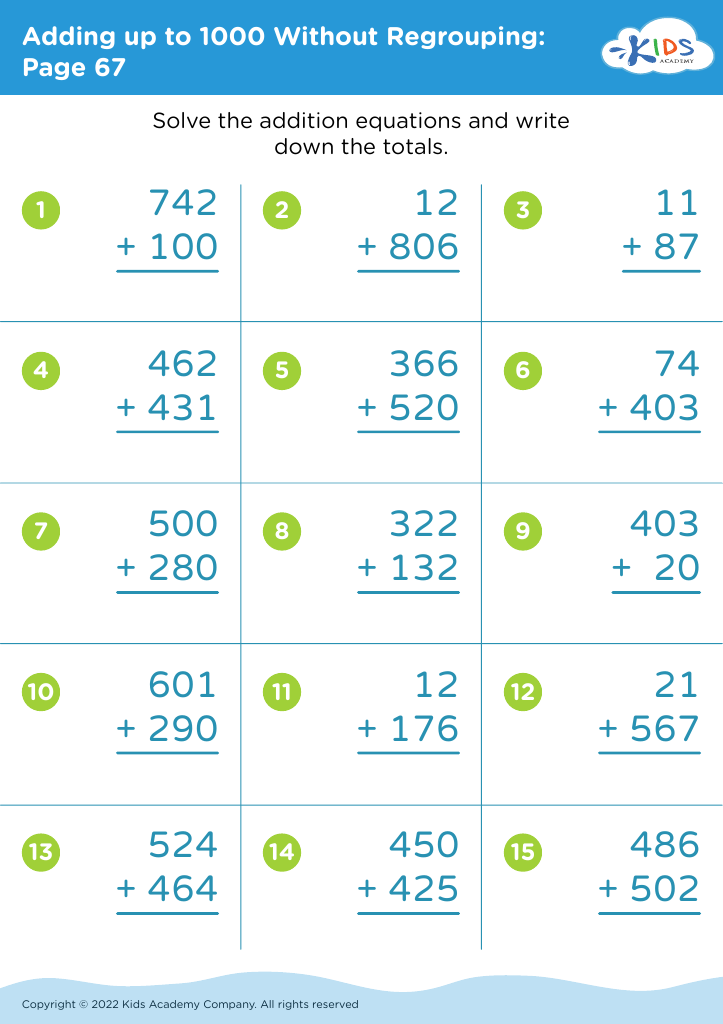
Adding up to 1000 Without Regrouping: Page 67
Worksheet
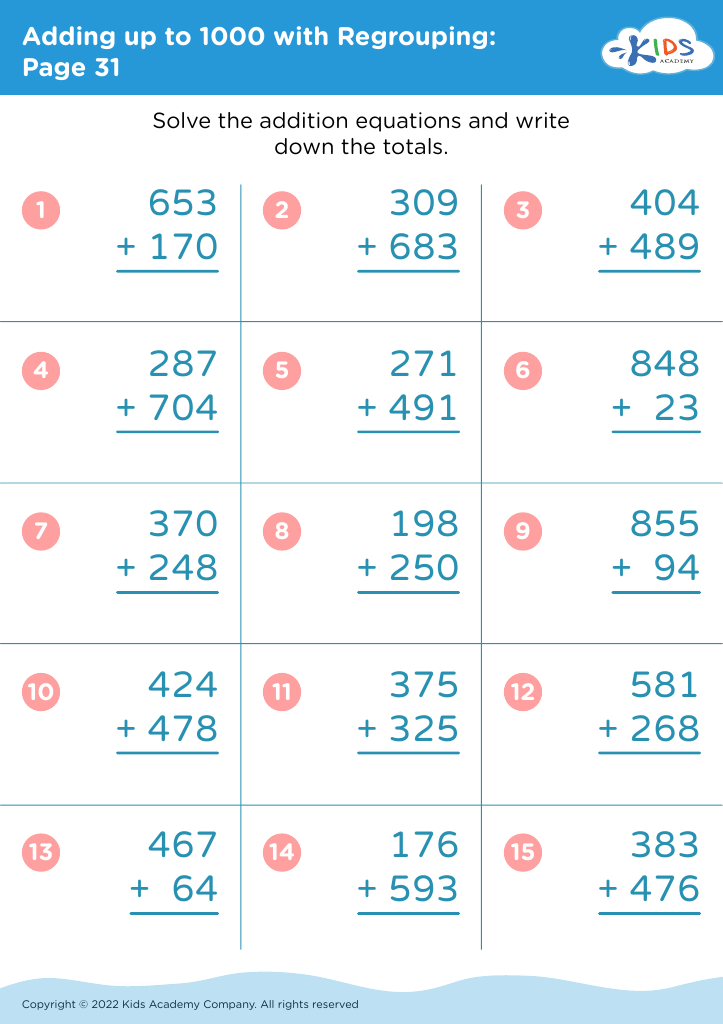
Adding up to 1000 with Regrouping: Page 31
Worksheet
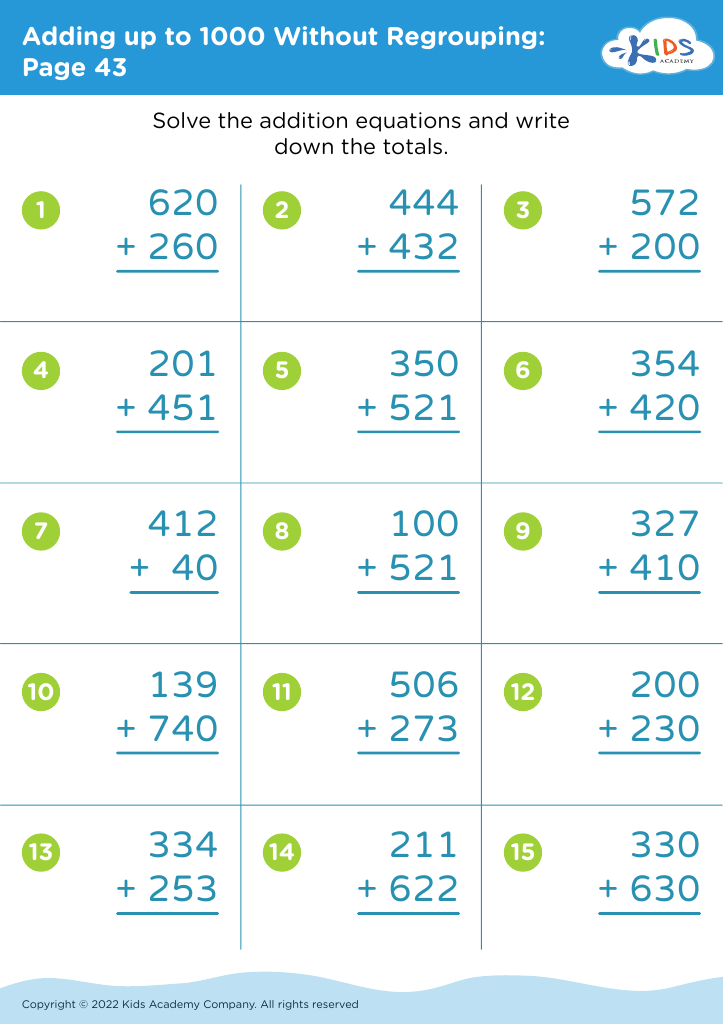
Adding up to 1000 Without Regrouping: Page 43
Worksheet
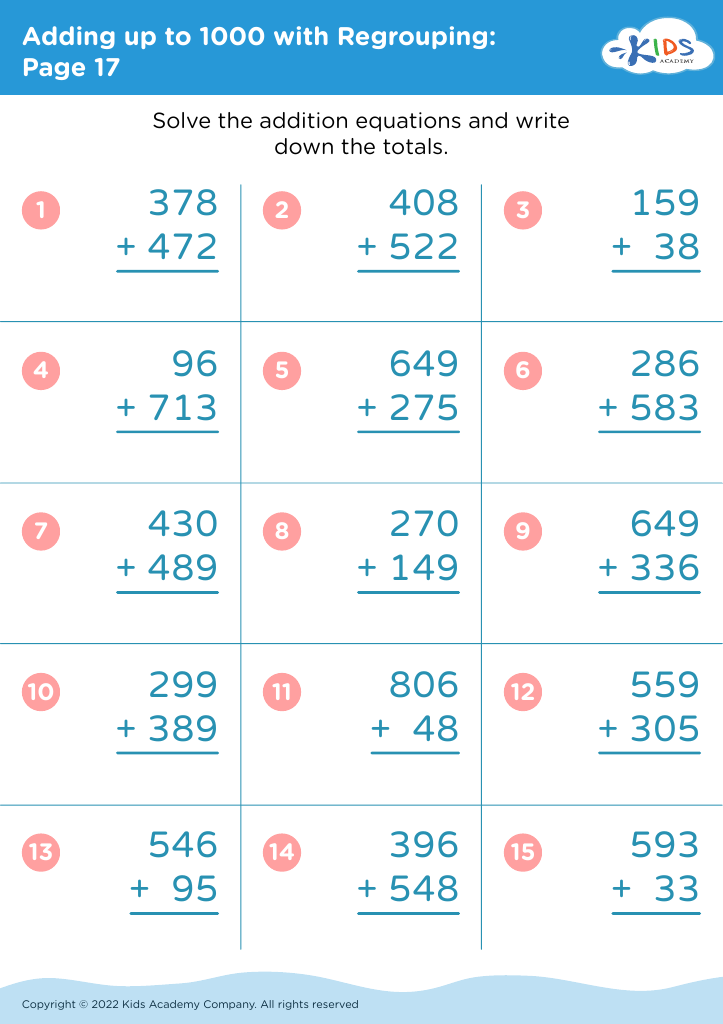
Adding up to 1000 with Regrouping: Page 17
Worksheet
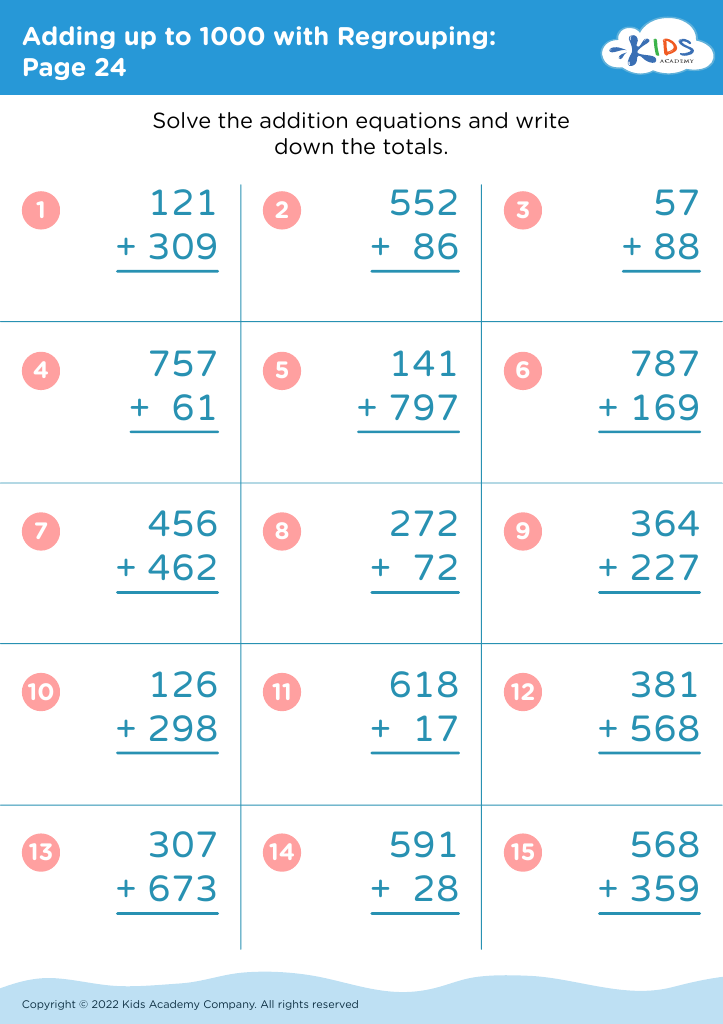
Adding up to 1000 with Regrouping: Page 24
Worksheet
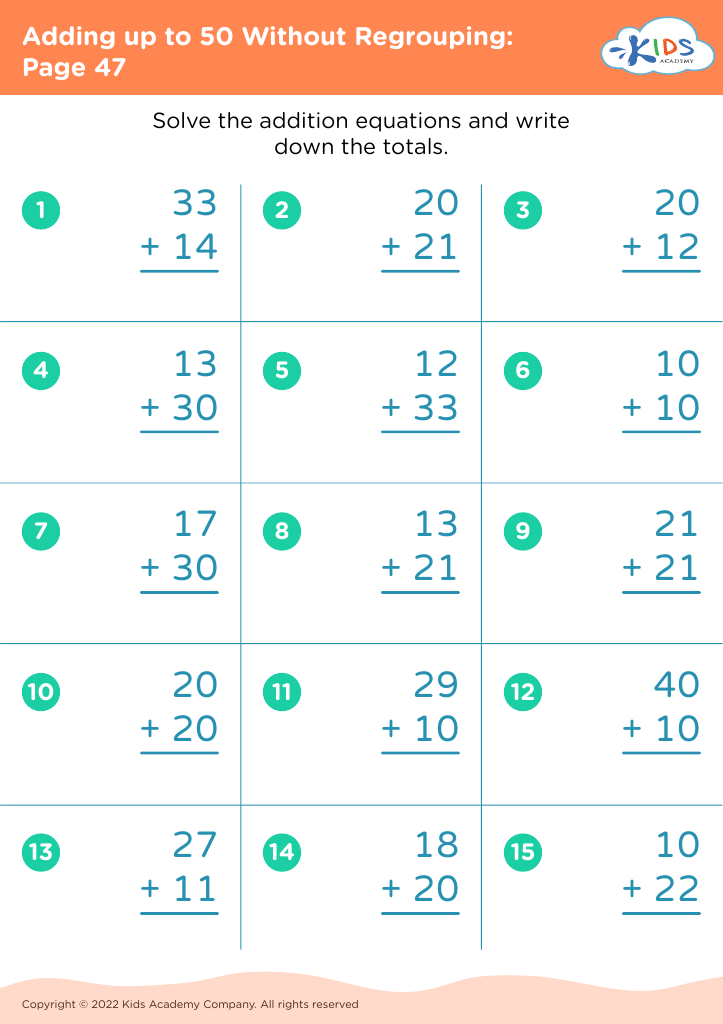
Adding up to 50 Without Regrouping: Page 47
Worksheet
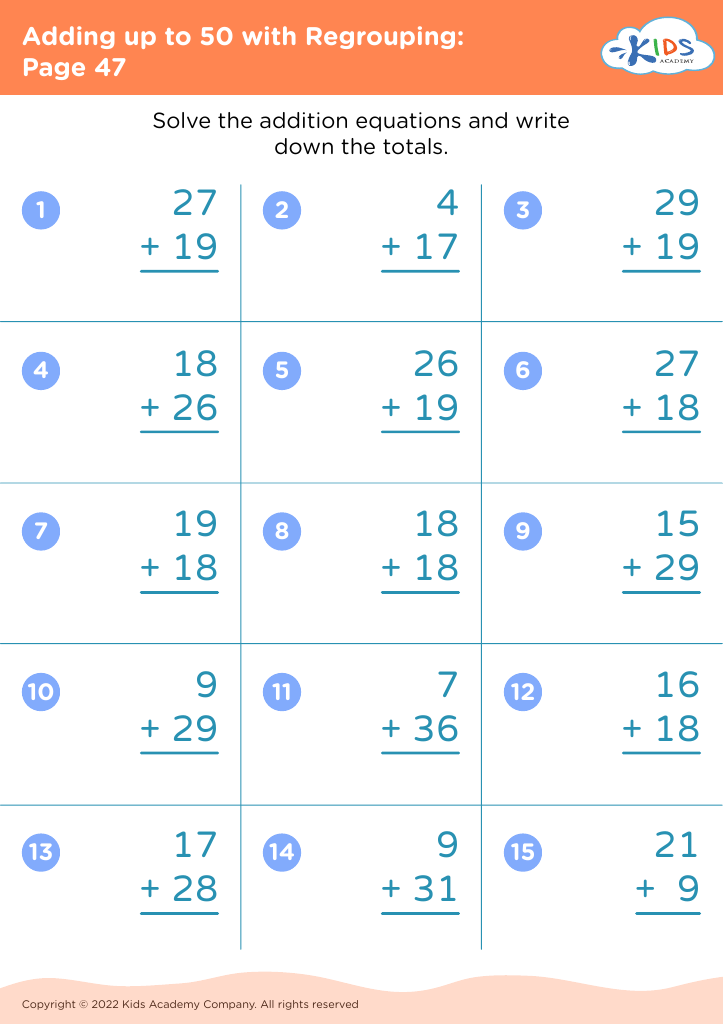
Adding up to 50 with Regrouping: Page 47
Worksheet
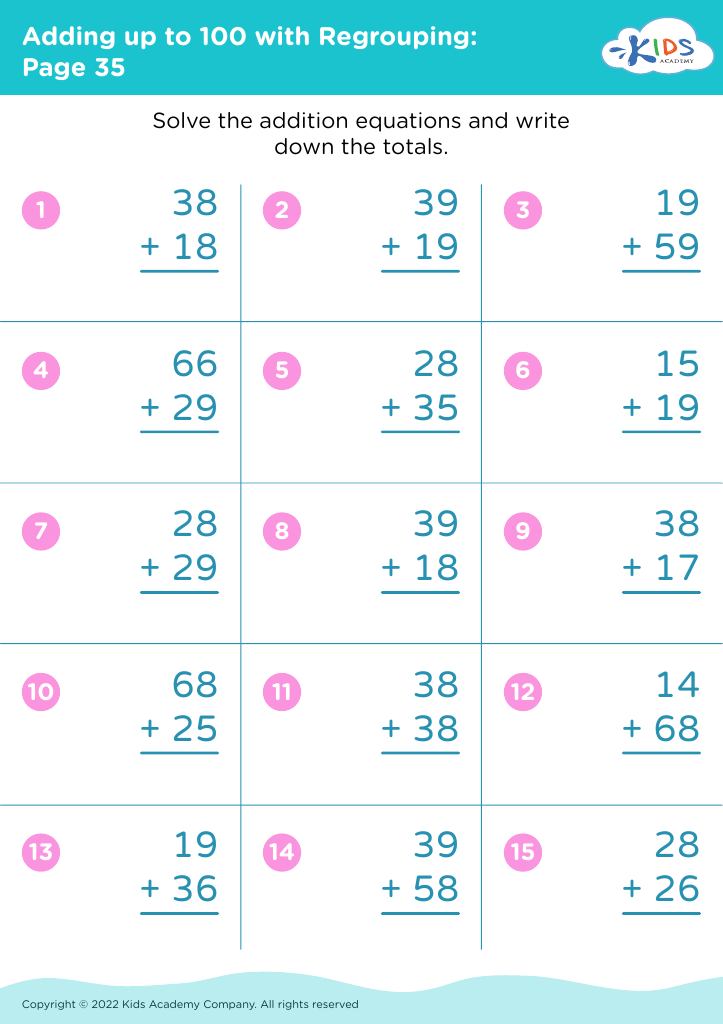
Adding up to 100 with Regrouping: Page 35
Worksheet
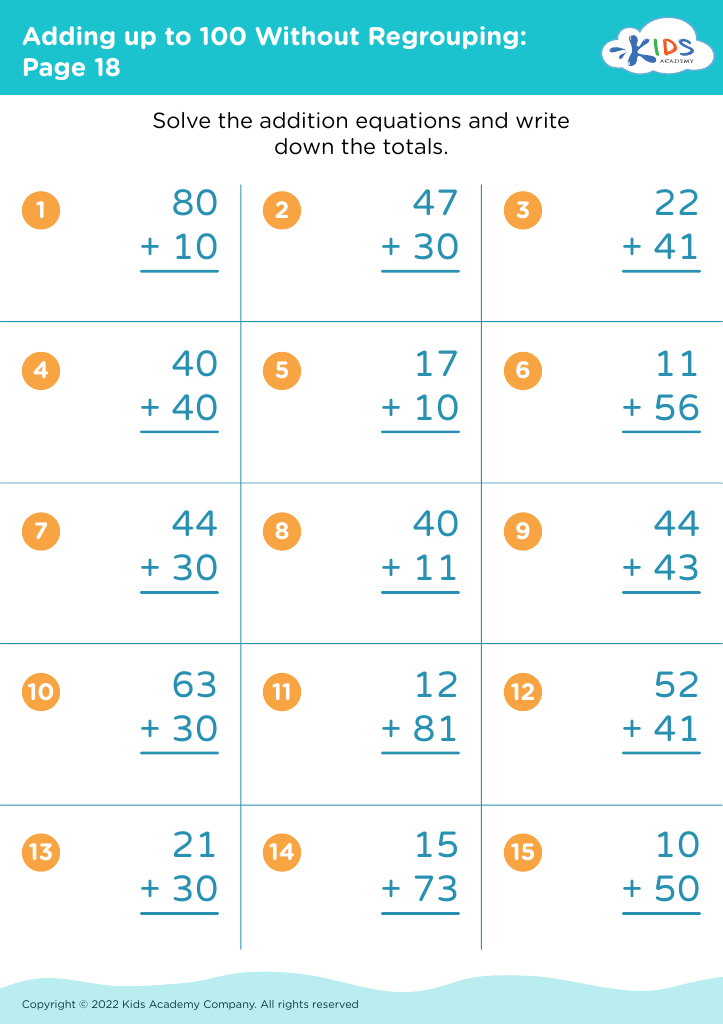
Adding up to 100 Without Regrouping: Page 18
Worksheet
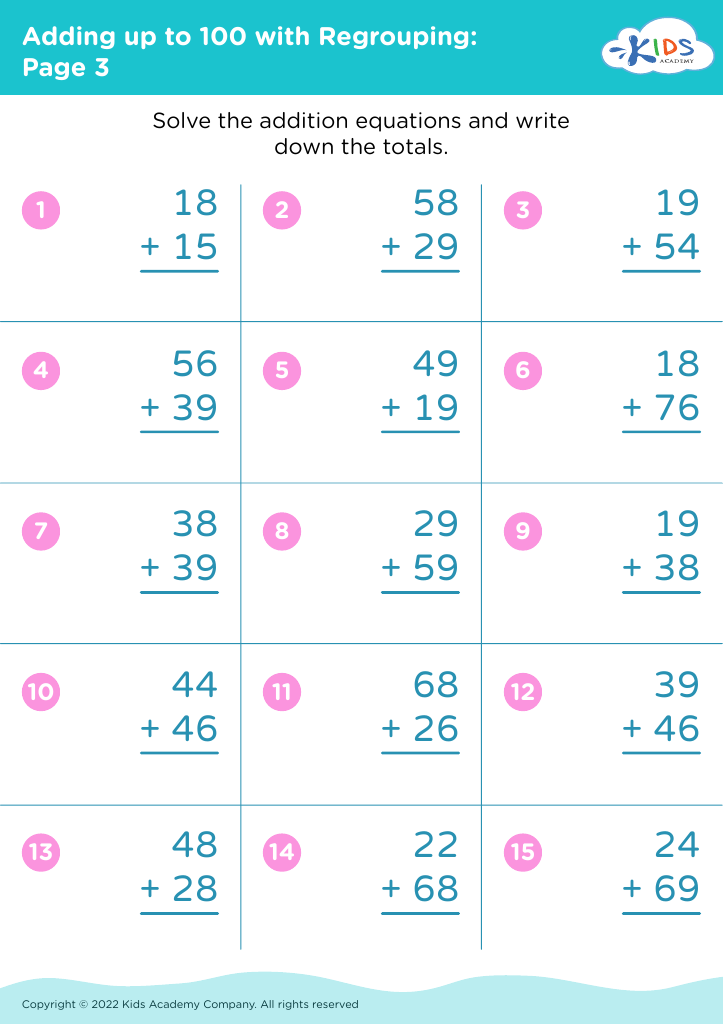
Adding up to 100 with Regrouping: Page 3
Worksheet
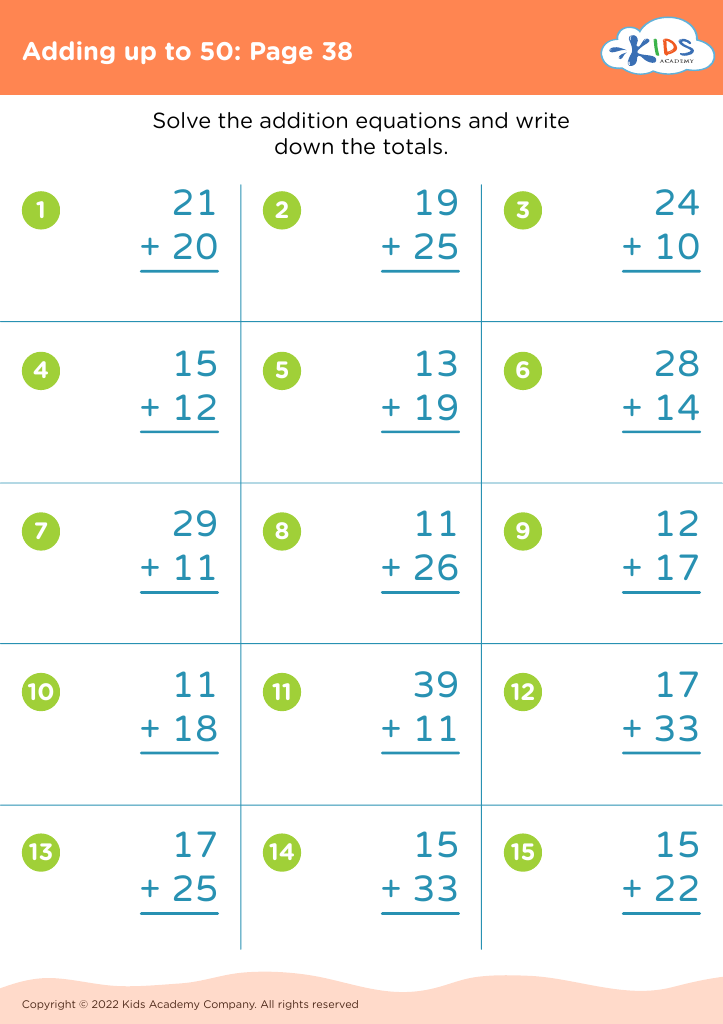
Adding up to 50: Page 38

Adding up to 50: Page 38

Adding up to 50: Page 38
Worksheet
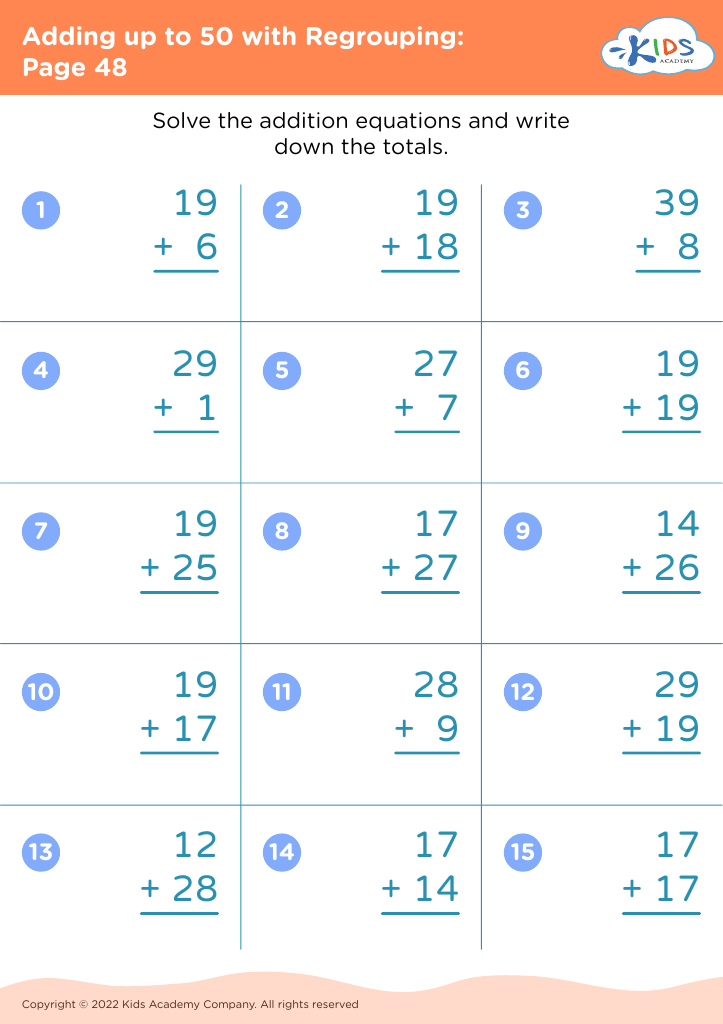
Adding up to 50 with Regrouping: Page 48
Worksheet
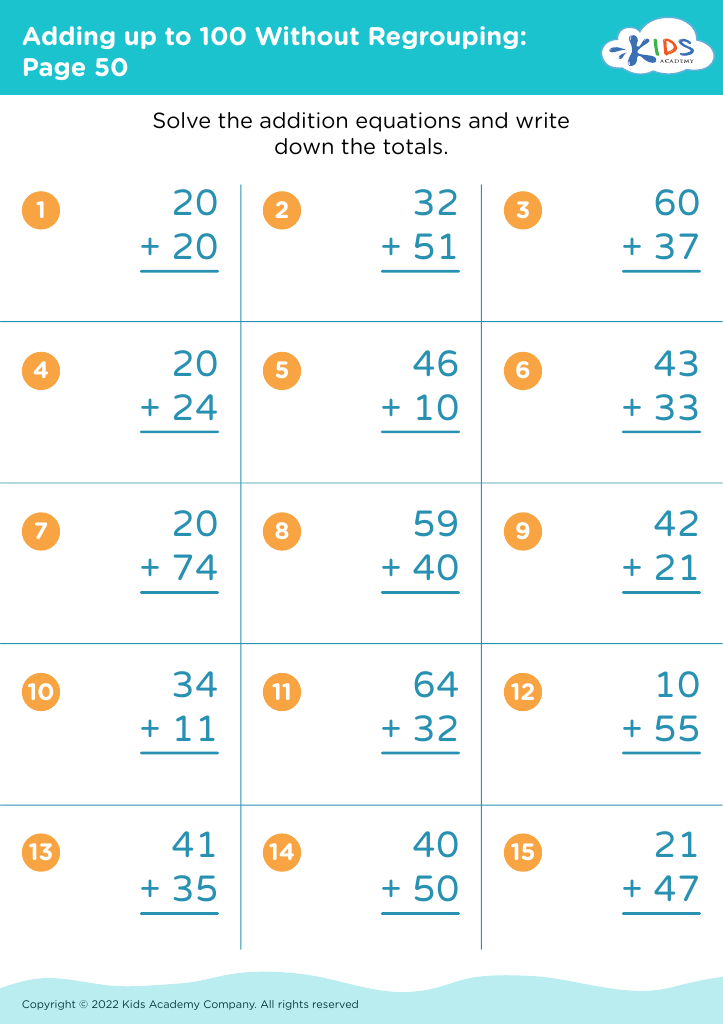
Adding up to 100 Without Regrouping: Page 50
Worksheet
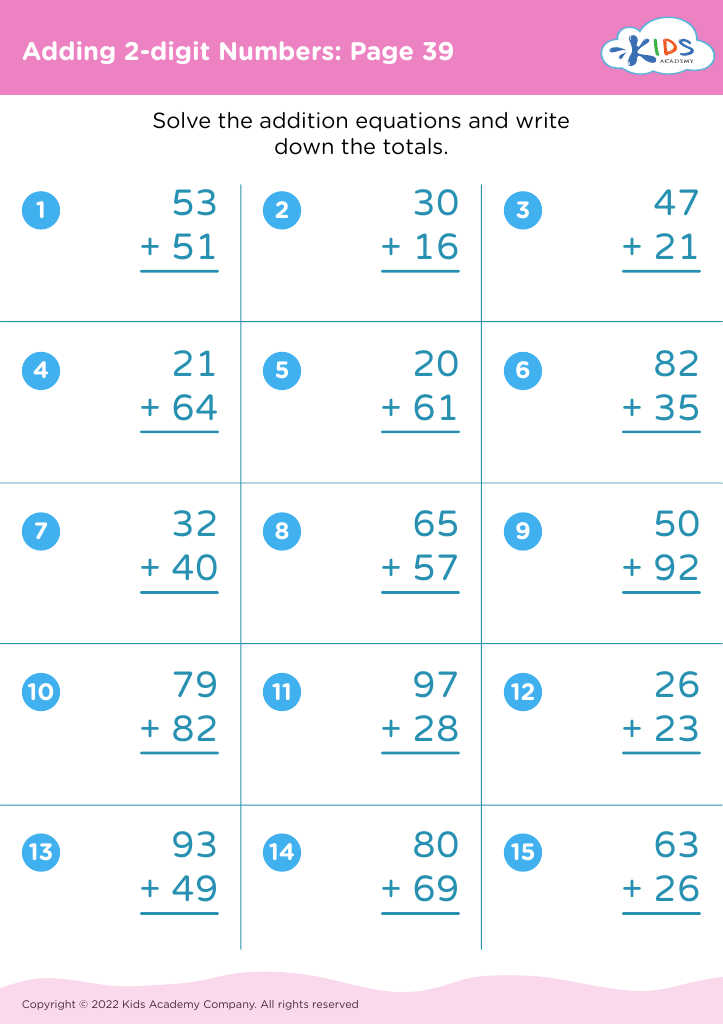
Adding 2-digit Numbers: Page 39

Adding 2-digit Numbers: Page 39

Adding 2-digit Numbers: Page 39
Worksheet
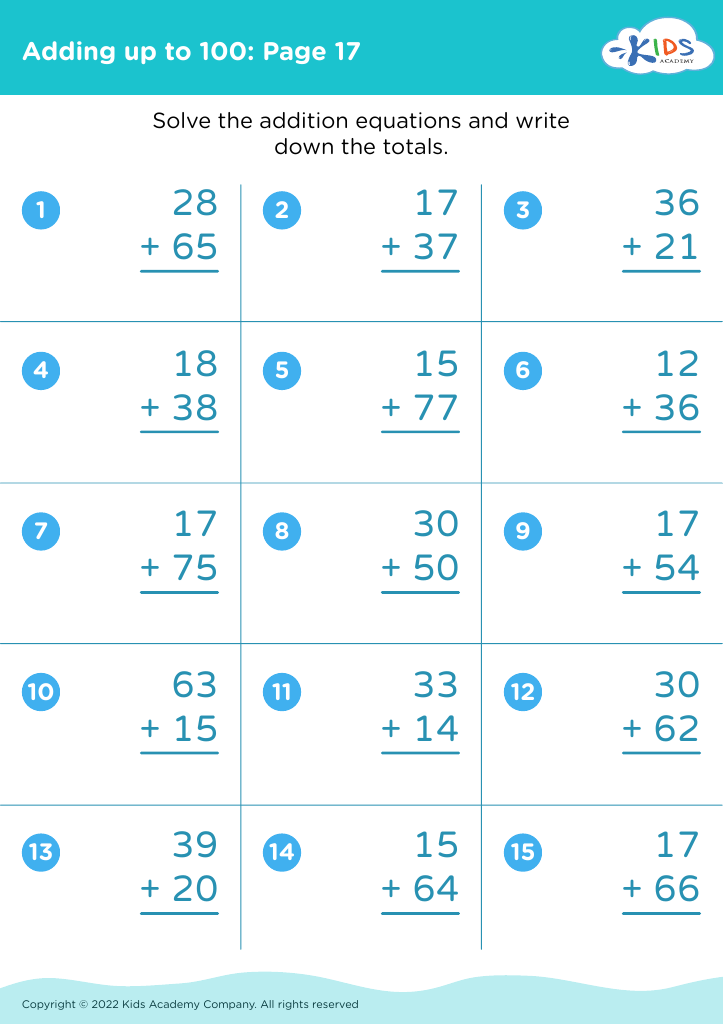
Adding up to 100: Page 17

Adding up to 100: Page 17

Adding up to 100: Page 17
Worksheet
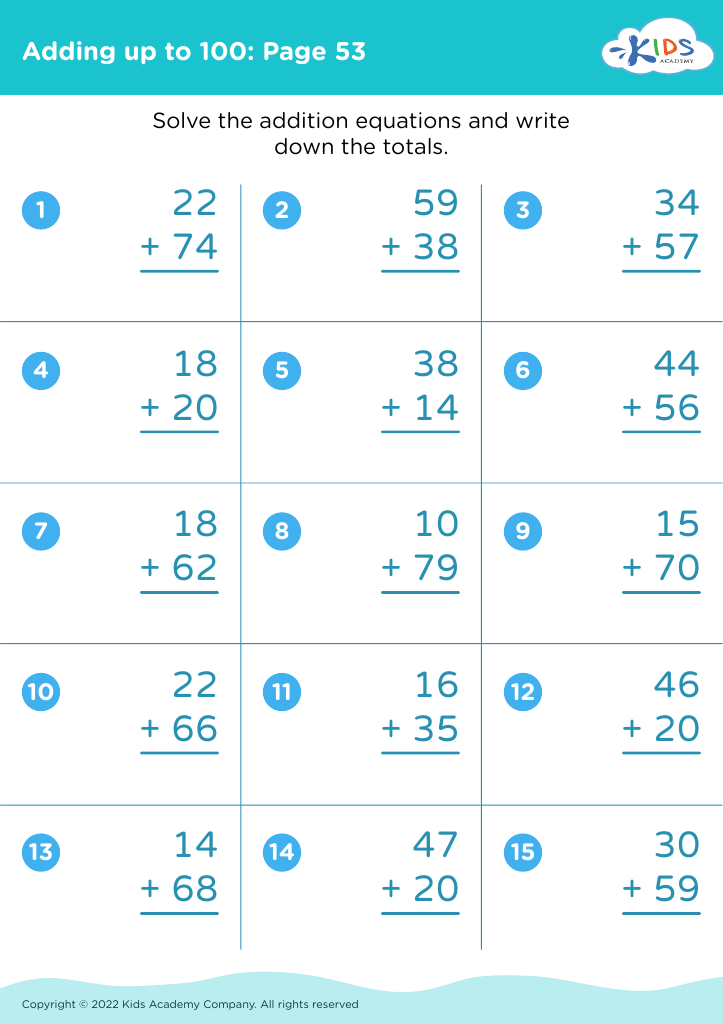
Adding up to 100: Page 53

Adding up to 100: Page 53

Adding up to 100: Page 53
Worksheet
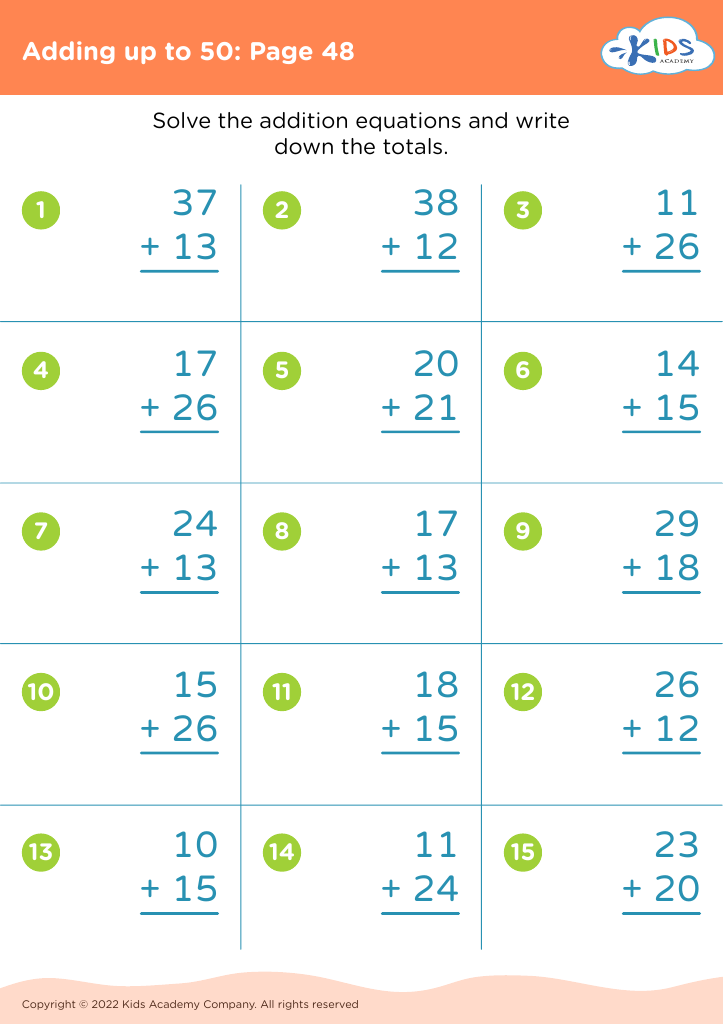
Adding up to 50: Page 48

Adding up to 50: Page 48

Adding up to 50: Page 48
Worksheet
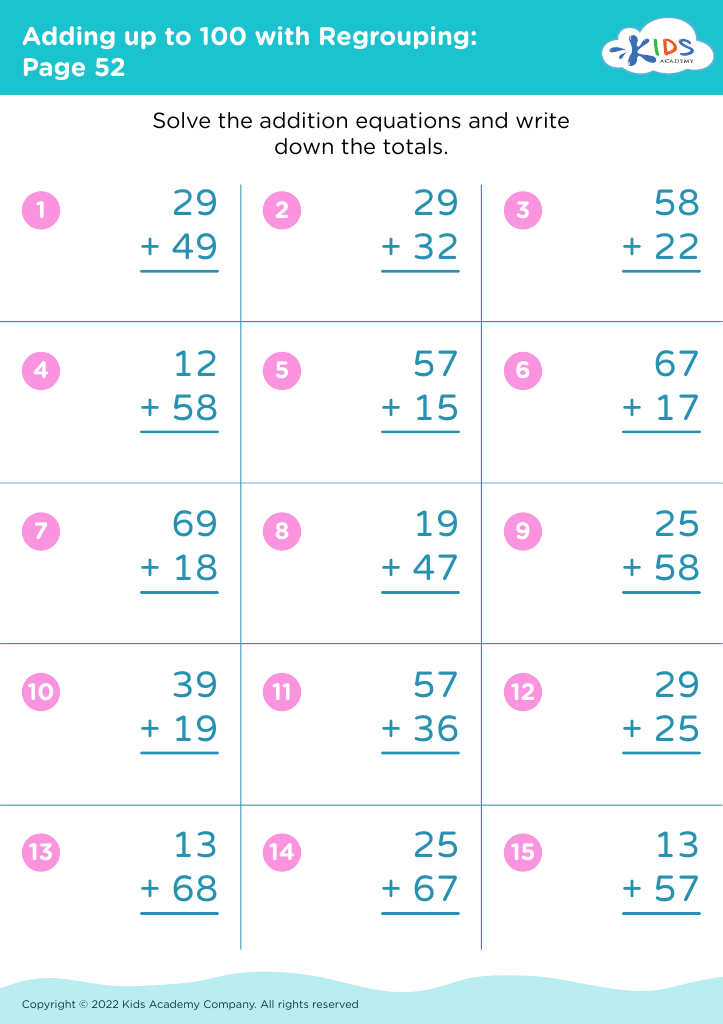
Adding up to 100 with Regrouping: Page 52
Worksheet
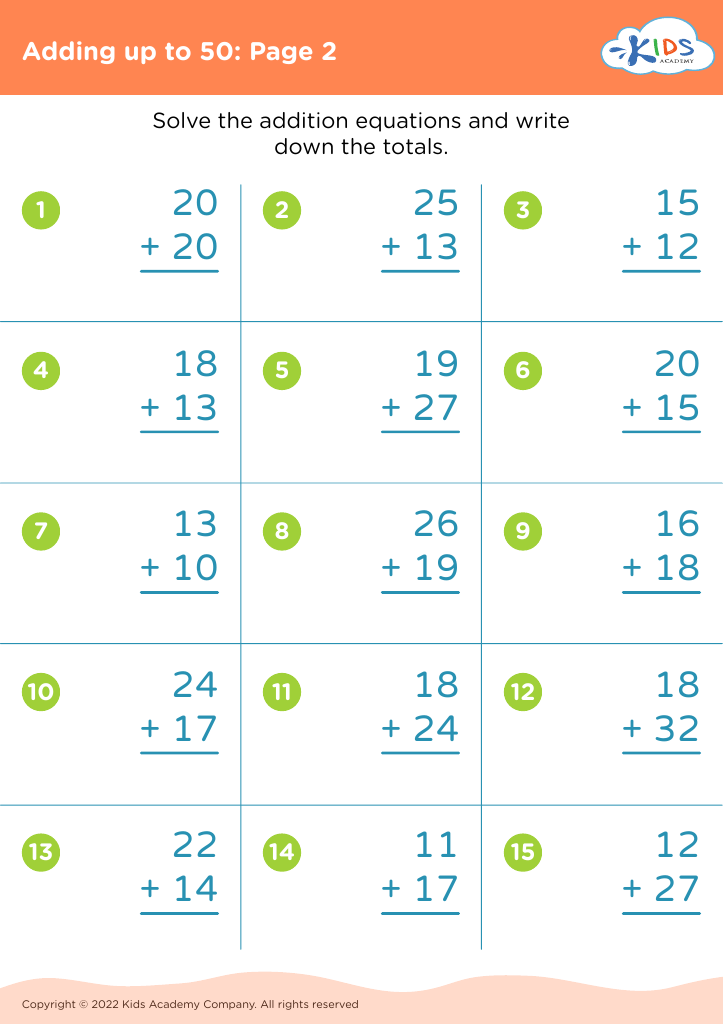
Adding up to 50: Page 2

Adding up to 50: Page 2

Adding up to 50: Page 2
Worksheet
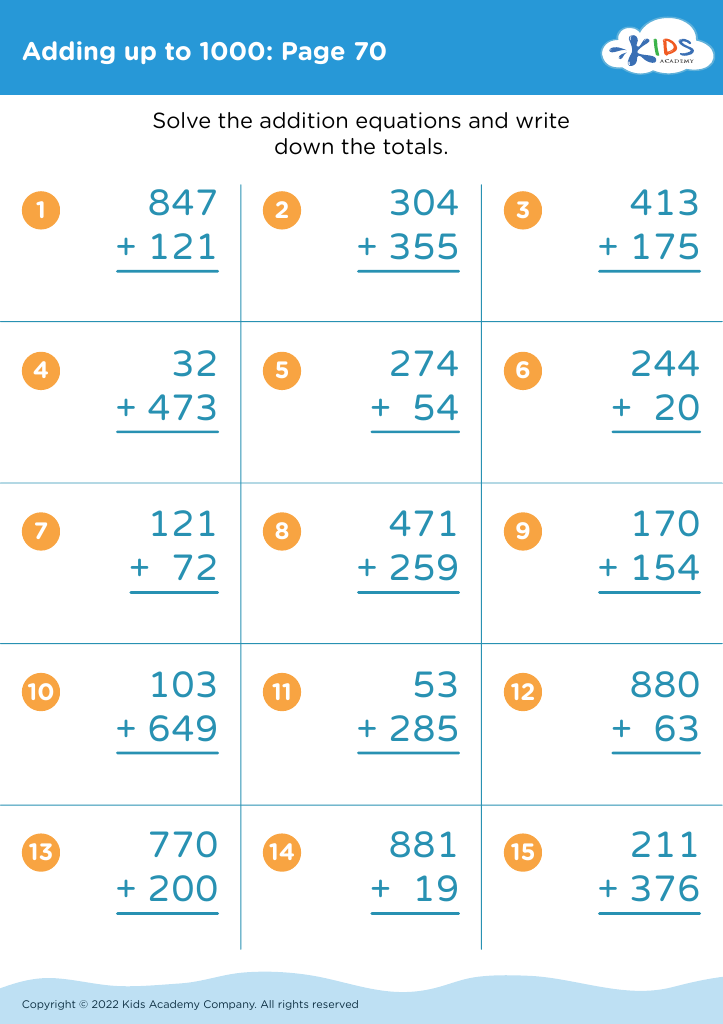
Adding up to 1000: Page 70

Adding up to 1000: Page 70

Adding up to 1000: Page 70
Worksheet
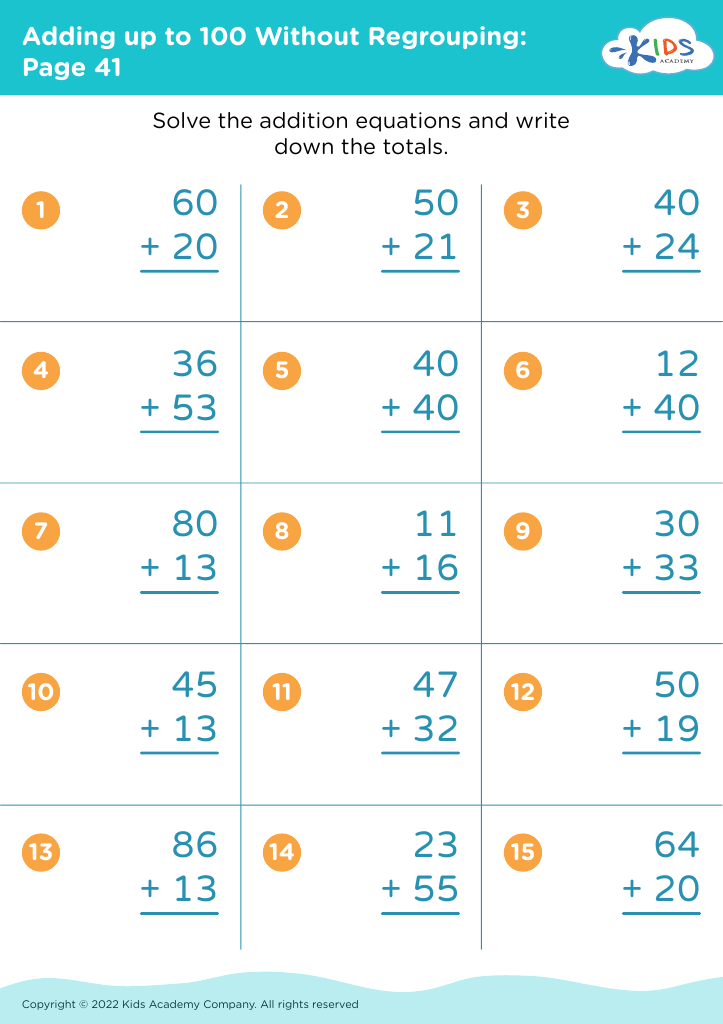
Adding up to 100 Without Regrouping: Page 41
Worksheet


Understanding fractions is crucial for 8-year-olds because it lays the foundation for advanced math concepts and everyday problem-solving. At this age, children start to grasp the idea of division and equal parts, which enhances their critical thinking and reasoning skills. Mastering fractions fosters an understanding of relationships between numbers, enabling them to compare, add, and subtract fractions—skills that are essential in their educational journey.

For parents and teachers, recognizing the importance of fractions helps them support children's learning effectively. Grasping fractions can improve their confidence in math, reduce anxiety, and nurture a positive attitude towards the subject. Engaging children in activities involving fractions, such as cooking or sharing, makes the concept more relatable and enjoyable, promoting a deeper understanding.

Additionally, knowledge of fractions has practical implications in daily life. Students will encounter fractions in real-world situations, from measuring ingredients in recipes to dividing tasks among friends. By investing time in teaching fractions, adults not only prepare children for future academic success but also equip them with essential life skills. Ultimately, fostering a strong foundation in fractions is vital for encouraging lifelong mathematical proficiency and critical thinking capabilities.