Understanding mass Math Worksheets for 8-Year-Olds
3 filtered results
-
From - To
Welcome to our "Understanding Mass Math Worksheets" page, specially designed for 8-year-olds! Our engaging worksheets introduce young learners to the concept of mass, making math fun and accessible. Through interactive activities, students will explore common measurements, compare weights of objects, and strengthen their problem-solving skills. Each worksheet is crafted to promote critical thinking and reinforce essential math skills aligned with educational standards. Perfect for classroom practice or home learning, these resources encourage curiosity and hands-on experiences. Help your child confidently grasp mass concepts and excel in math with our thoughtfully designed worksheets! Start your exploration today!
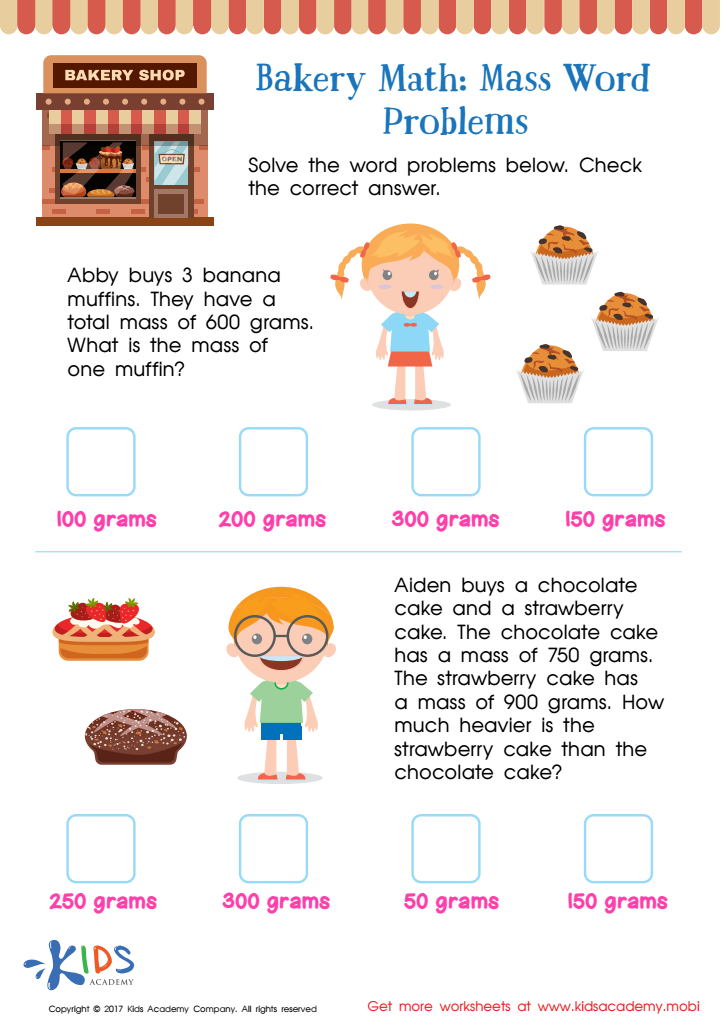
Mass Word Problems Worksheet
 Assign to My Students
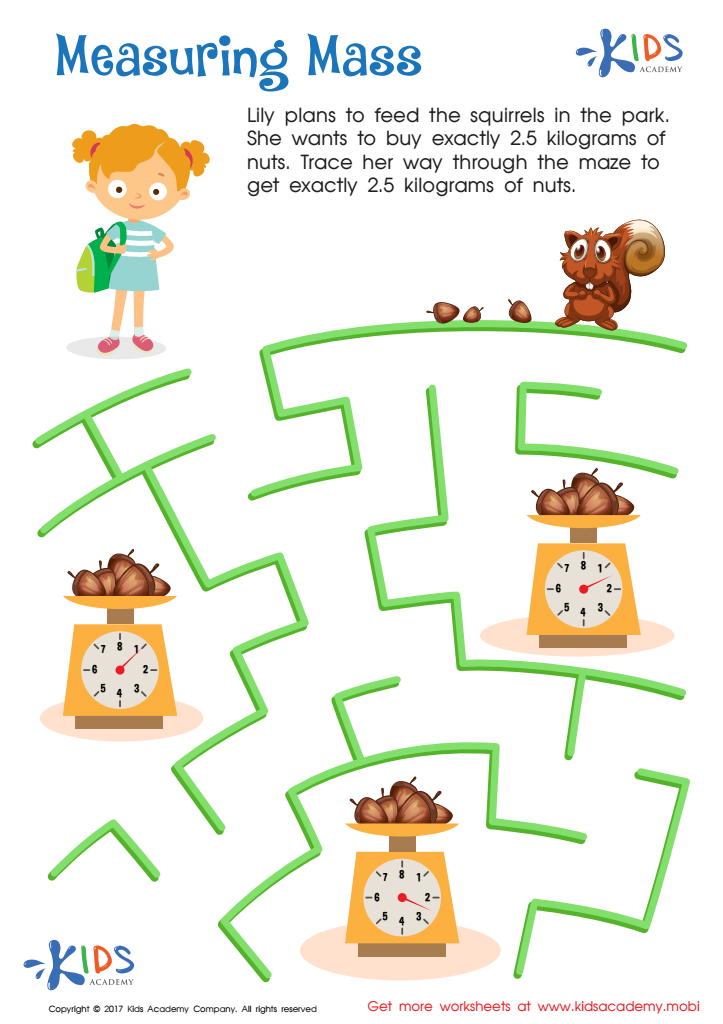
Measuring Mass Worksheet
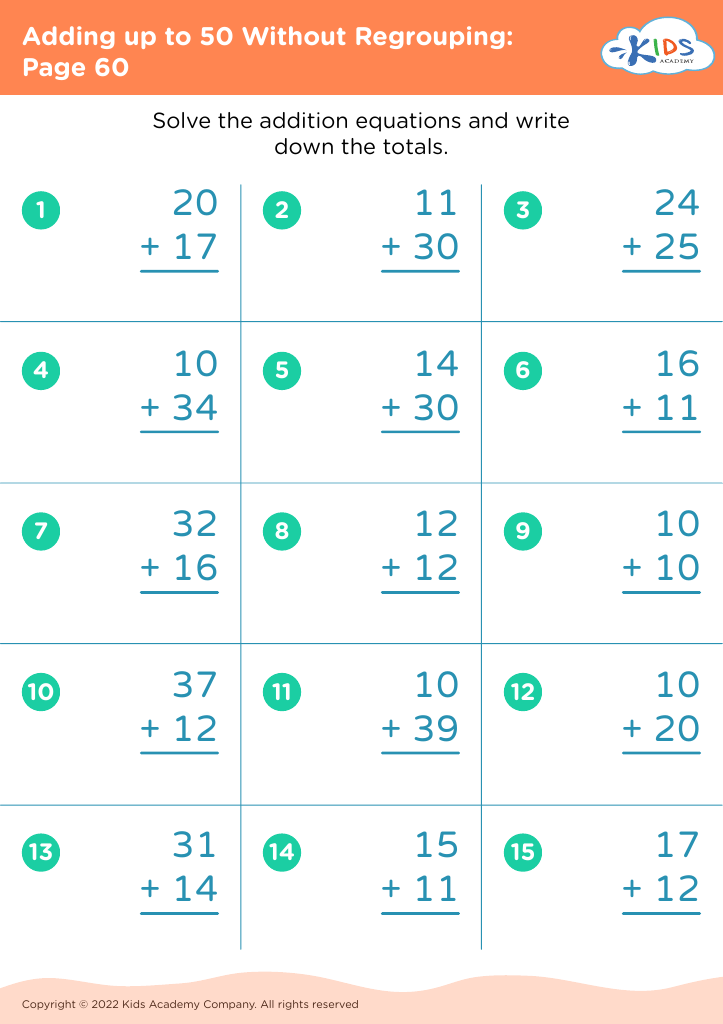








Understanding math concepts at an early age is crucial for working with 8-year-olds as it lays the foundation for future learning. At this stage, children are developing critical cognitive skills, and a solid grasp of math helps foster logical reasoning and problem-solving abilities. When parents and teachers take an active interest in understanding math concepts relevant to third graders, they enable children to build confidence and enthusiasm in the subject.
Additionally, comprehension of mass—one of the fundamental aspects of measurement—teaches kids to compare weights, estimate value, and understand the physical world around them. It can translate directly into everyday experiences, such as cooking or shopping, making math more relatable and enjoyable.
Moreover, supporting children’s understanding of math prepares them for more complex concepts in later grades, reducing the likelihood of learning gaps. Convincing them that math is not just a subject in school, but a practical skill applicable in daily life, paves the way for lifelong financial literacy and analytical thinking.
In summary, fostering early math skills through understanding concepts like mass empowers children both academically and personally, instilling the skills necessary for coping with more advanced mathematics in the future.








