Visual perception improvement Math Worksheets for 8-Year-Olds
3 filtered results
-
From - To
Boost your child's visual perception skills with our engaging math worksheets designed specifically for 8-year-olds! These worksheets focus on enhancing your child's ability to interpret and process visual information, a crucial skill in math and everyday problem-solving. Filled with vibrant illustrations and interactive exercises, each worksheet fosters concentration, memory, and spatial awareness while reinforcing core math concepts. Ideal for both classroom and home learning, these resources cater to different learning styles, making math fun and accessible. Help your child gain confidence and improve their academic performance with our expertly crafted visual perception improvement worksheets—perfect for nurturing young minds!
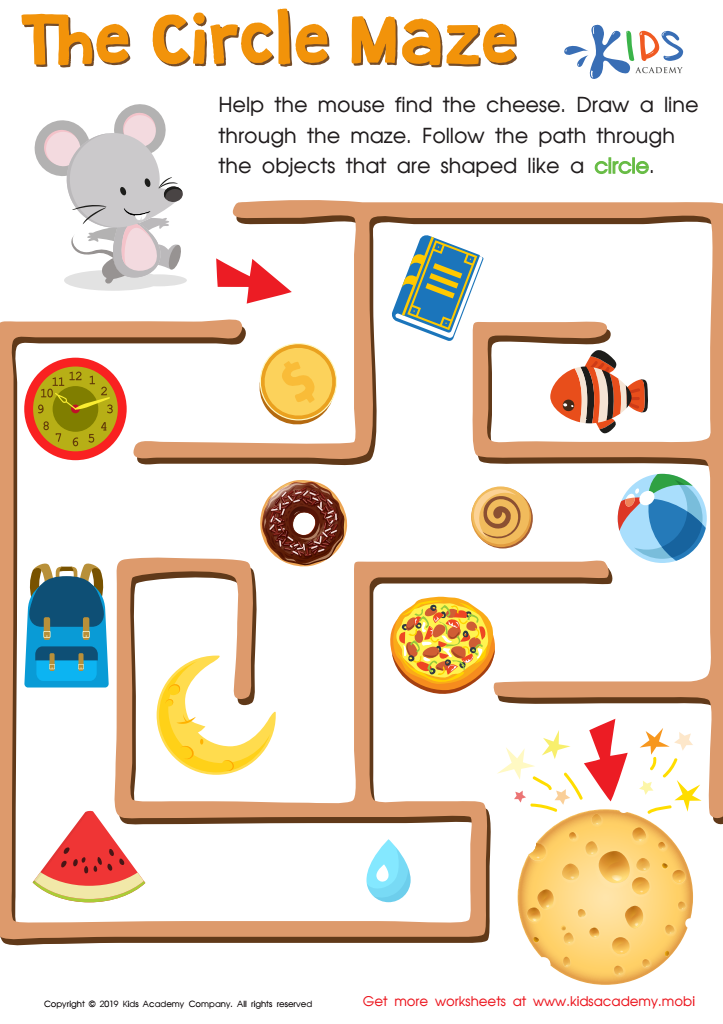
The Circle Maze Worksheet
 Assign to My Students






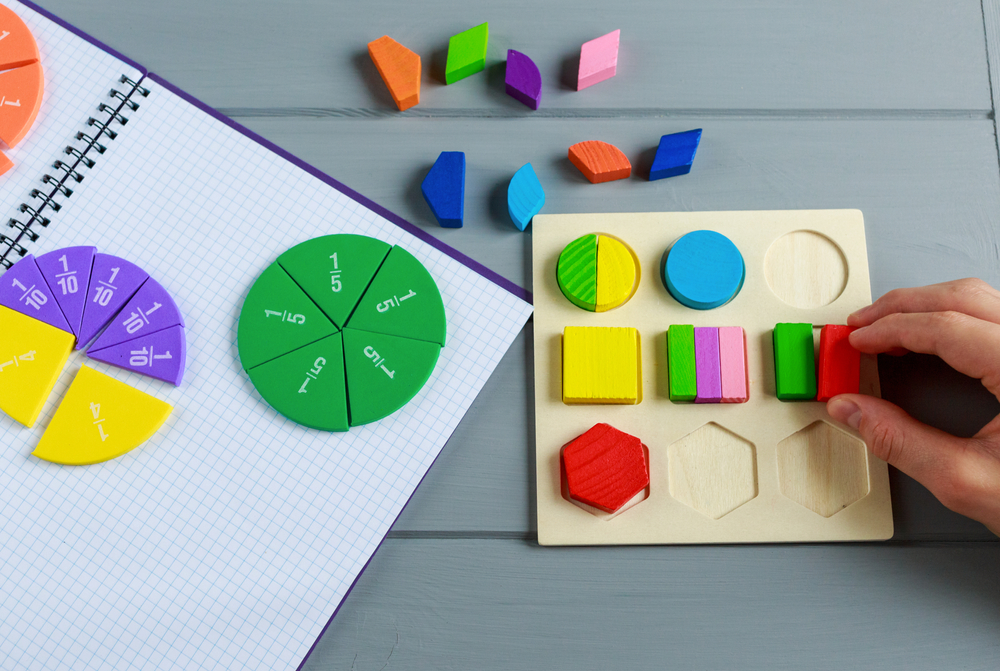

Visual perception plays a crucial role in children's math development, especially for 8-year-olds, as it helps them interpret and understand visual information. Enhancing visual perception skills aids in recognizing patterns, shapes, and spatial relationships—fundamental concepts in mathematics. When children strengthen these skills, they find it easier to grasp mathematical operations, such as addition, subtraction, and even geometry.
Parents and teachers should care about improving visual perception because it directly influences students' confidence and competence in math. Struggling with visual tasks can lead to frustration and discouragement, potentially causing a negative attitude towards the subject. Furthermore, good visual perception contributes to better problem-solving and critical thinking abilities, laying a foundation for advanced mathematical concepts in the future.
Additionally, incorporating fun visual activities into learning—like puzzles and games—makes math enjoyable, fostering a curiosity for the subject. By prioritizing visual perception improvement, adults not only enhance a child's academic skills but also cultivate resilience, motivation, and a positive self-image, all of which are essential for lifelong learning. In essence, investing time and effort in visual perception activities today can set children up for greater success in math and other STEM subjects down the road.








