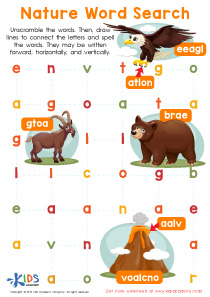
Simplifying Fractions Sight Words Worksheets for 8-Year-Olds
3 filtered results
-
From - To
Enhance your 8-year-old's math and reading skills with our engaging "Simplifying Fractions Sight Words Worksheets." These specially designed worksheets combine the essential mathematical concept of simplifying fractions with sight word recognition, making learning both fun and effective. Each worksheet features interactive exercises that encourage children to recognize sight words while practicing their fraction skills, increasing their confidence and fluency. These resources are tailored to boost your child's understanding of math and literacy, setting a strong foundation for future learning. Perfect for home or classroom use, our worksheets foster a love for learning and ensure mastery of critical skills. Download now and ignite your child's learning journey!
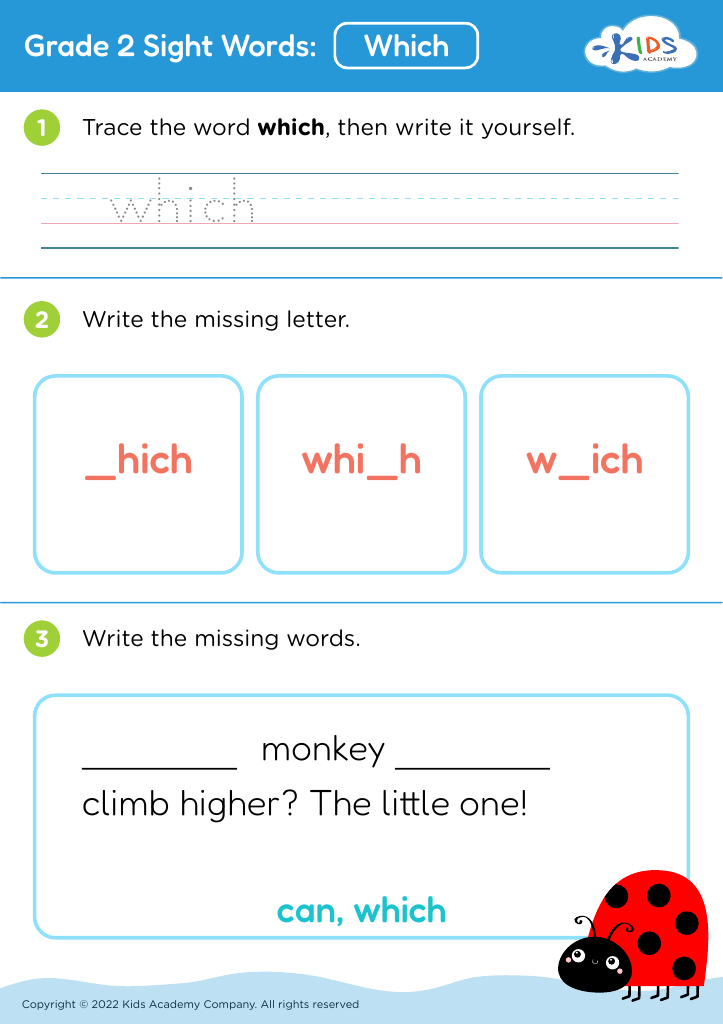










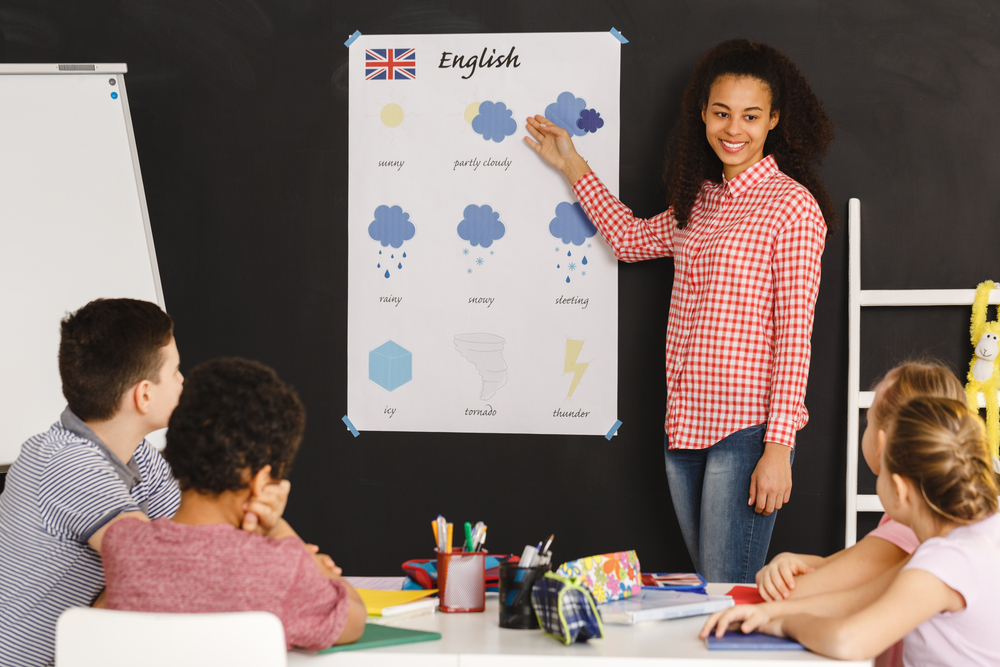


Teaching simplification of fractions and sight words to 8-year-olds is crucial for their overall literacy and numeracy development. At this age, children are beginning to bridge the gap between concrete concepts and more abstract thinking. Simplifying fractions lays the groundwork for their understanding of more advanced mathematical concepts, such as equivalency and ratios, which are foundational for future arithmetic and algebraic problems.
In parallel, sight words are essential for early literacy. By focusing on frequent sight words, children can improve their reading fluency, comprehension, and confidence. Proficiency in sight words helps them transition from simply decoding words to understanding larger texts, allowing them to engage more fully with literature and learning materials.
Moreover, integrating both subjects can be an engaging way to meet varied learning needs. For example, using visual aids that display fractions alongside sight words can accommodate different learning styles and enhance retention.
When parents and teachers emphasize these skills, they are not just teaching children basic math and reading; they are helping them develop critical thinking skills, cultivate independence in learning, and build a strong foundation for future academic success. Prioritizing these concepts provides children with essential tools they will carry into higher grades.