Understanding multiplication Sight Words Worksheets for 8-Year-Olds
3 filtered results
Difficulty Level
Grade
Age
-
From - To
Subject
Activity
Standards
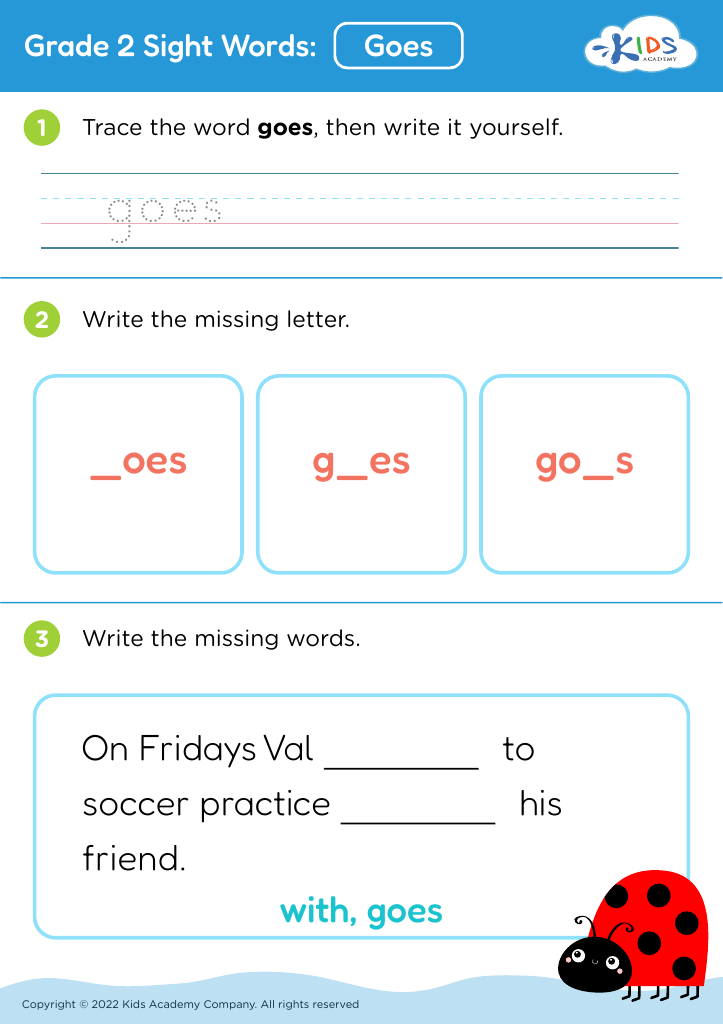
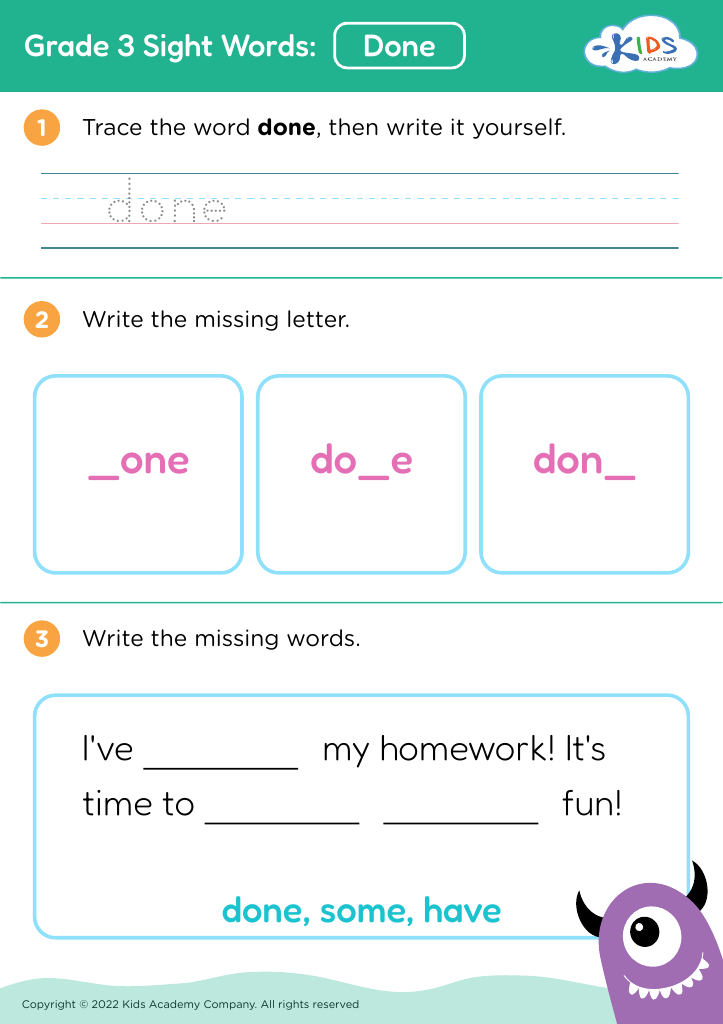
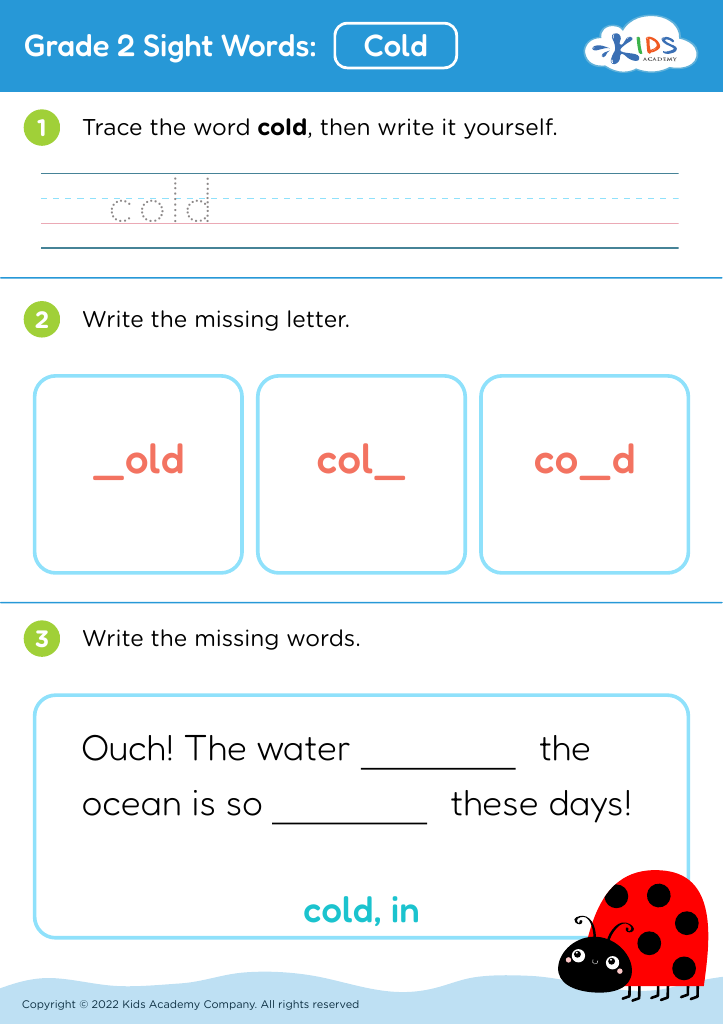
Unlock your child's potential with our "Understanding Multiplication Sight Words Worksheets" for 8-year-olds! These engaging worksheets blend essential multiplication skills with sight word recognition, empowering young learners to grasp math concepts while enhancing their reading proficiency. Each worksheet is designed to make learning fun and accessible, featuring interactive exercises that cater to diverse learning styles. By integrating sight words into multiplication practice, children develop vocabulary skills alongside numerical understanding. Ideal for homeschooling or classroom use, our resources foster a dynamic learning environment. Start building your child's confidence in math and reading today with these tailored multipurpose worksheets!
Favorites
With answer key
Interactive






Join Kids Academy for Free
Who is primarily going to use this learning content?








Understanding multiplication sight words is crucial for 8-year-olds as they lay the foundation for mathematical fluency and confidence. At this age, students transition from basic arithmetic to more complex problem-solving, and grasping multiplication concepts is vital for their overall academic success.
Firstly, multiplication sight words help children recognize and understand mathematical terms quickly. Just as sight words in reading contribute to reading fluency, multiplication sight words aid students in solving problems without getting bogged down by unfamiliar terminology. This enhances their ability to approach maths with ease and enthusiasm.
Secondly, proficient use of multiplication sight words fosters critical thinking. When children can identify and articulate multiplication concepts effortlessly, they can better tackle word problems and apply math in real-world contexts. This skill is essential not only in maths but also in subjects like science where quantitative analysis is often required.
Lastly, by encouraging mastery of multiplication sight words, parents and teachers boost children's confidence in their math abilities, making them more willing to engage with new learning challenges. Ultimately, fostering a strong foundation in multiplication paves the way for future academic growth and a positive attitude towards mathematics. Hence, understanding these sight words should be a priority for adults guiding young learners.