Handwriting improvement ABC Letters Worksheets for 9-Year-Olds
3 filtered results
-
From - To
Enhance your child’s handwriting skills with our engaging Handwriting Improvement ABC Letters Worksheets designed specifically for 9-year-olds. These printable worksheets offer a fun and interactive way for kids to practice writing both uppercase and lowercase letters with precision. Each worksheet features clear guidelines and examples that help foster proper grip and letter formation. By completing these activities, children will improve their writing fluency while boosting their confidence. Designed to cater to various learning styles, our worksheets incorporate enjoyable themes and visual aids to keep kids motivated. Get your child started on a journey towards neat and confident handwriting today!
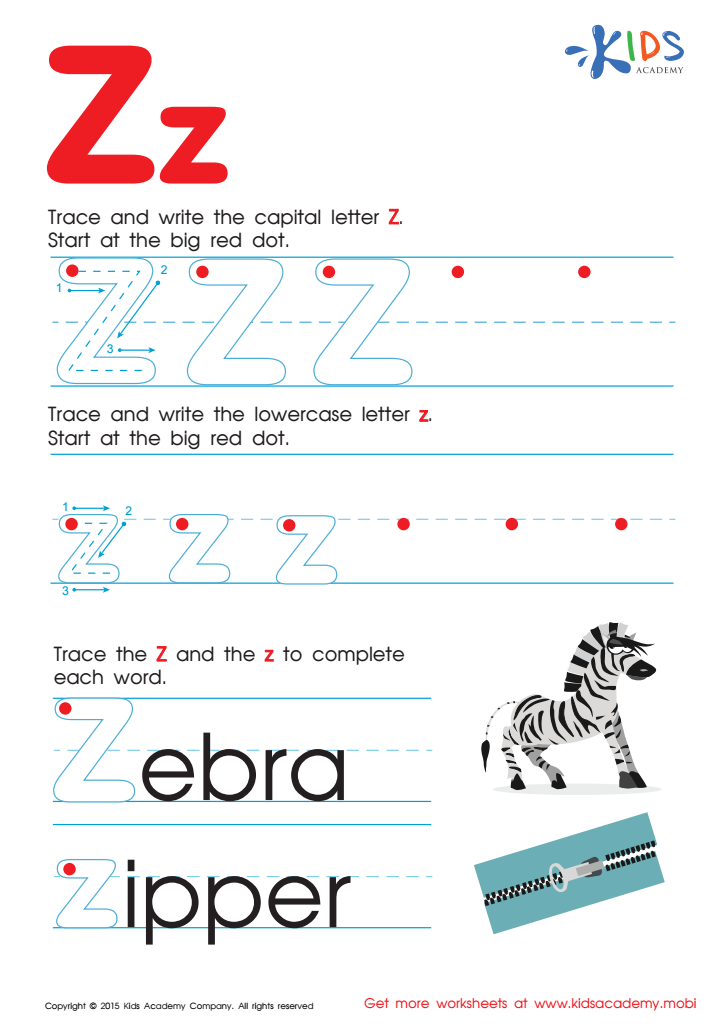
Letter Z Tracing Page
 Assign to My Students










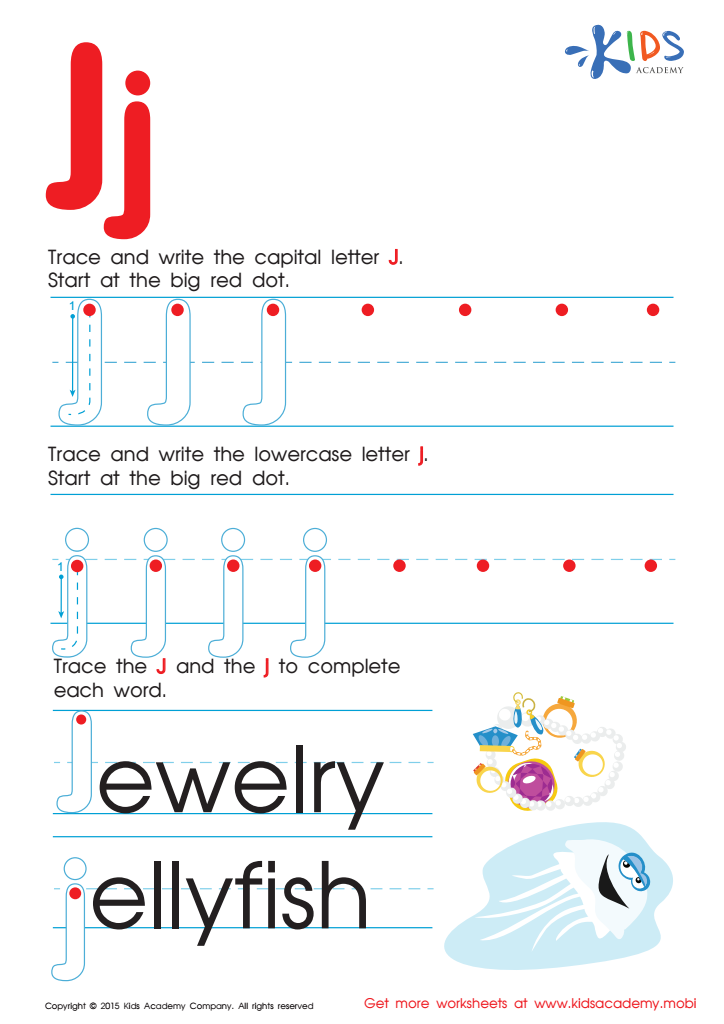
Letter J Tracing Page
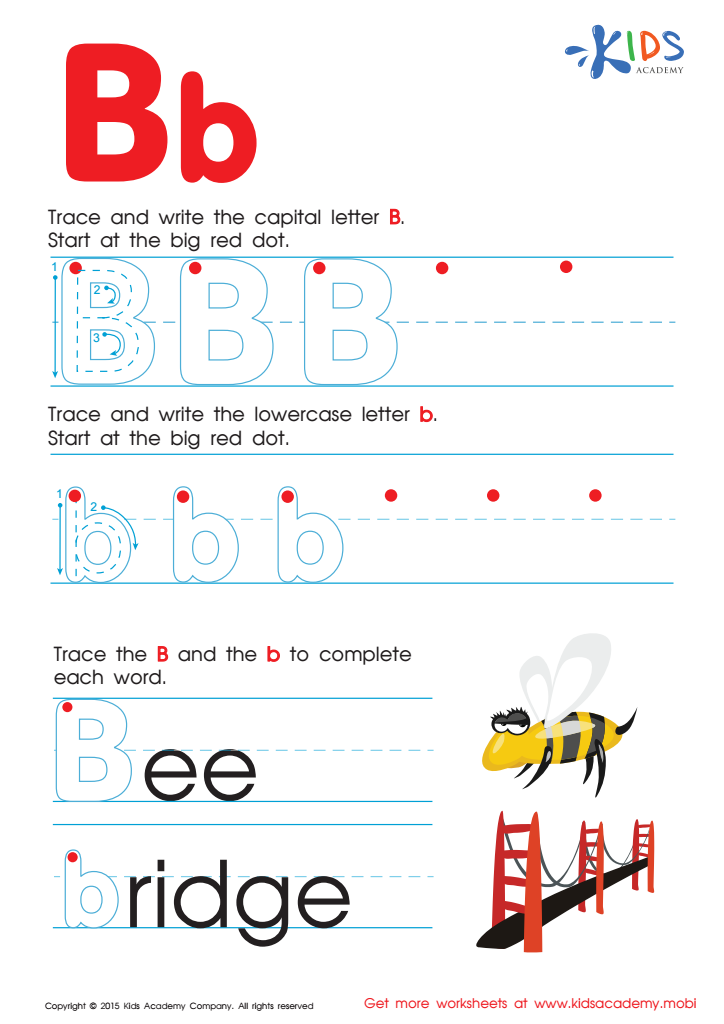
Letter B Tracing Page







Handwriting improvement in 9-year-olds, particularly for ABC letters, is crucial for several reasons. First, by this age, children's fine motor skills are developing rapidly; refining handwriting supports these skills and fosters overall dexterity. Good handwriting boosts self-confidence, as children take pride in producing legible, expressive work, making them more likely to engage in writing activities.
Moreover, legible handwriting is essential for effective communication. As children transition to more complex assignments in school, having clear handwriting helps in conveying their thoughts coherently. Poor handwriting can hinder their ability to express ideas fully, which may negatively impact academic performance and creativity.
Additionally, legibility fosters a professional attitude toward schoolwork, positively influencing how teachers and parents view a child's efforts. Encouragement from both teachers and parents can create a supportive environment for improvement, emphasizing that developing handwriting is a valuable skill—useful well beyond the classroom.
In an age increasingly dominated by technology, cultivating strong handwriting skills provides a balance, ensuring that children are equipped with both digital and traditional methods of communication. Therefore, prioritizing handwriting improvement is integral in helping children succeed academically and personally, lay the foundation for lifelong skills, and build essential confidence.







