Handwriting practice Alphabet Worksheets for 9-Year-Olds - Page 2
33 filtered results
-
From - To
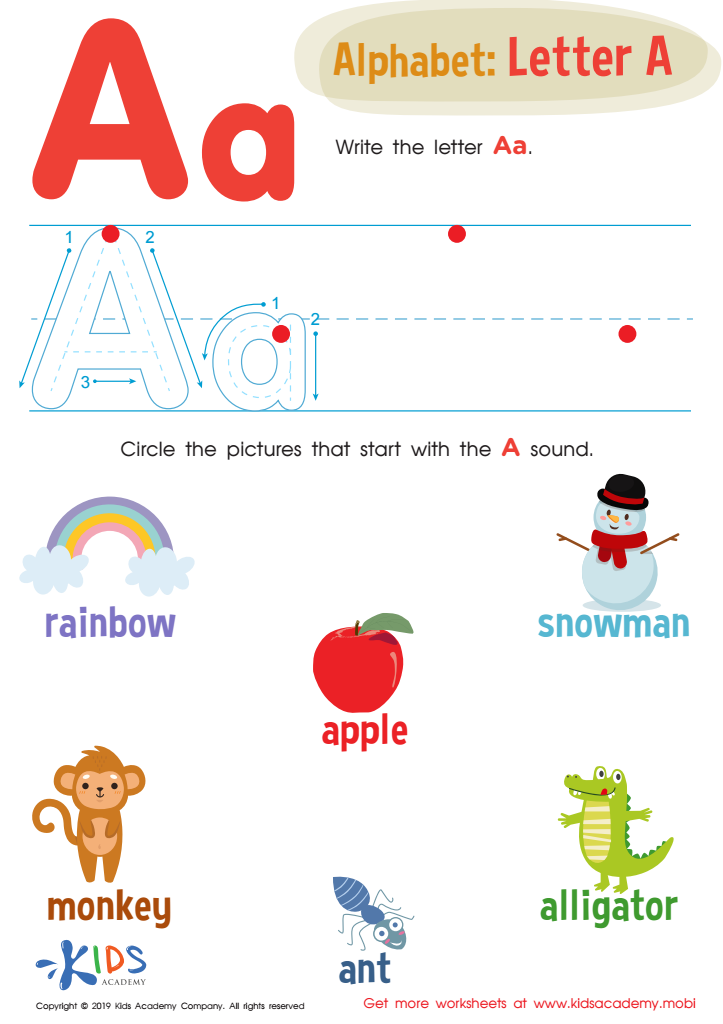
Letter A Tracing Worksheet
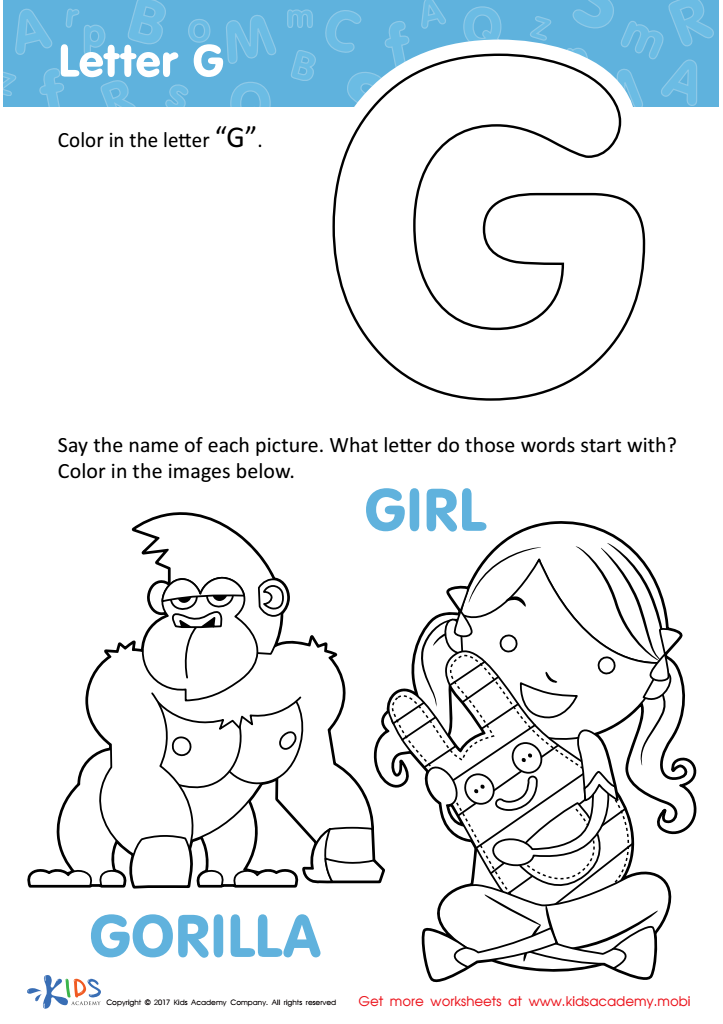
Letter G Coloring Sheet
 Assign to My Students
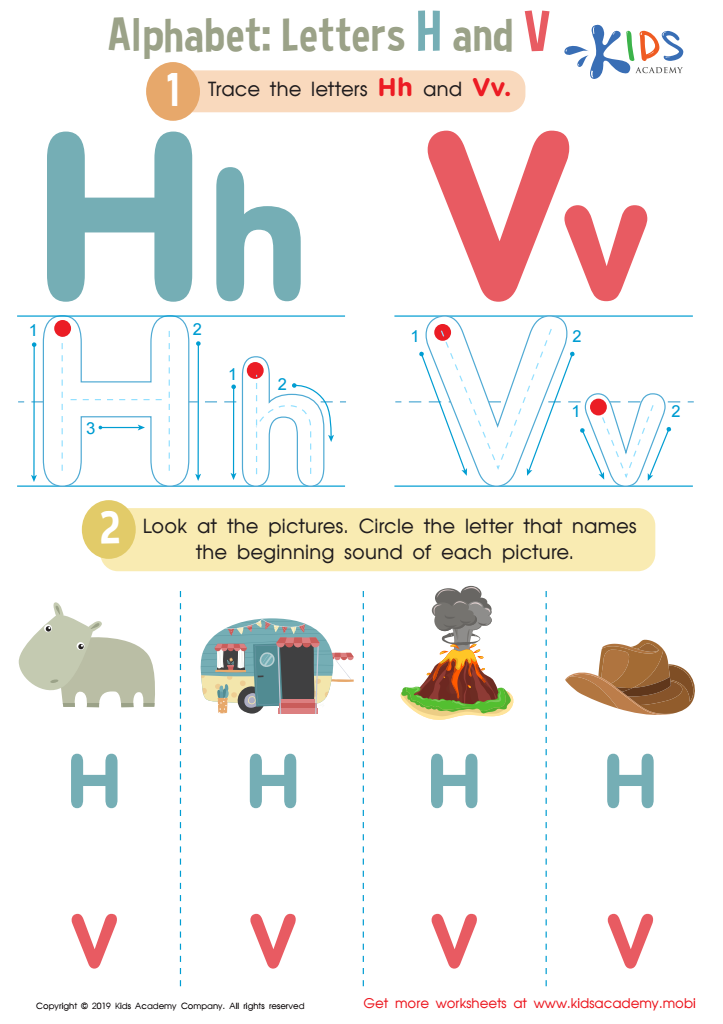
Letters H and V Tracing Worksheet
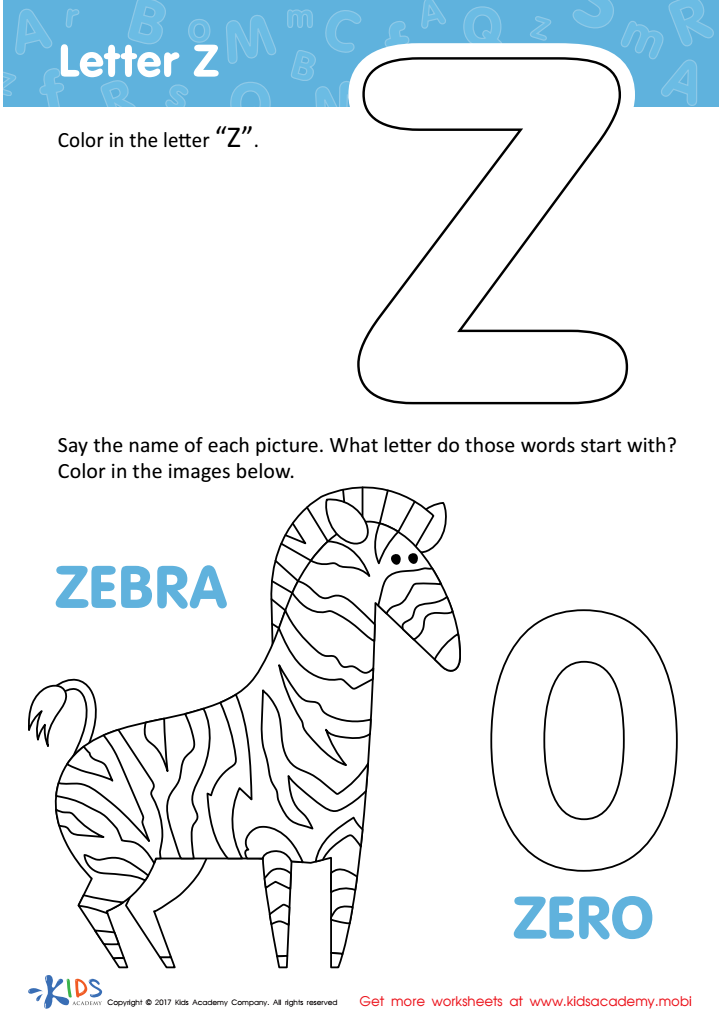
Letter Z Coloring Sheet
Assign to My Students
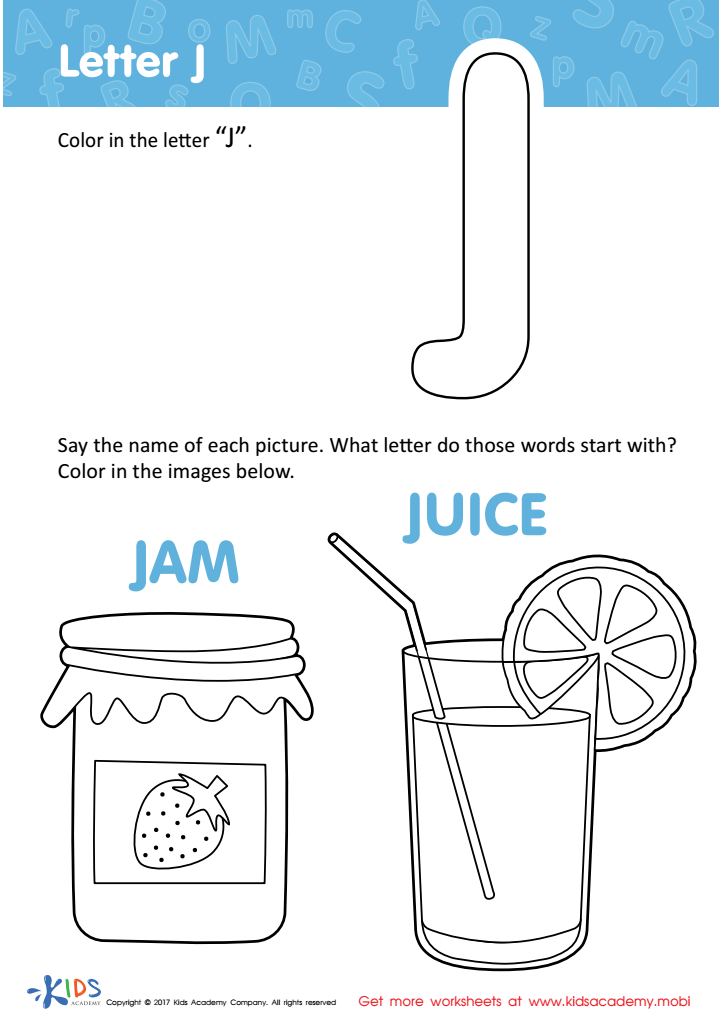
Letter J Coloring Sheet
Assign to My Students
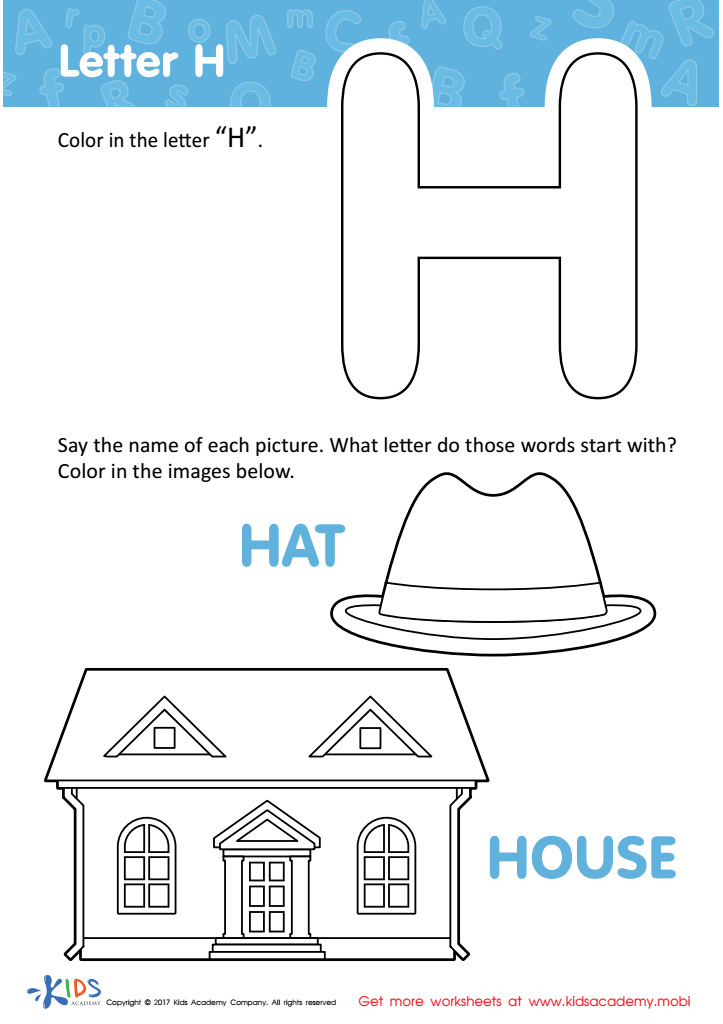
Letter H Coloring Sheet
Assign to My Students
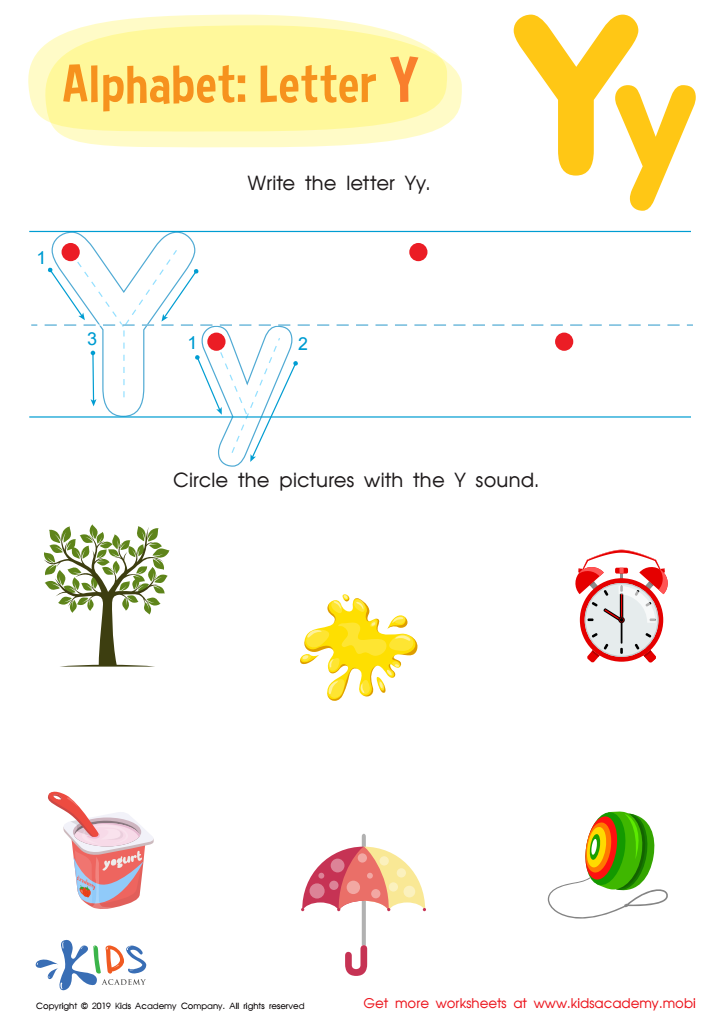
Letter Y Tracing Worksheet
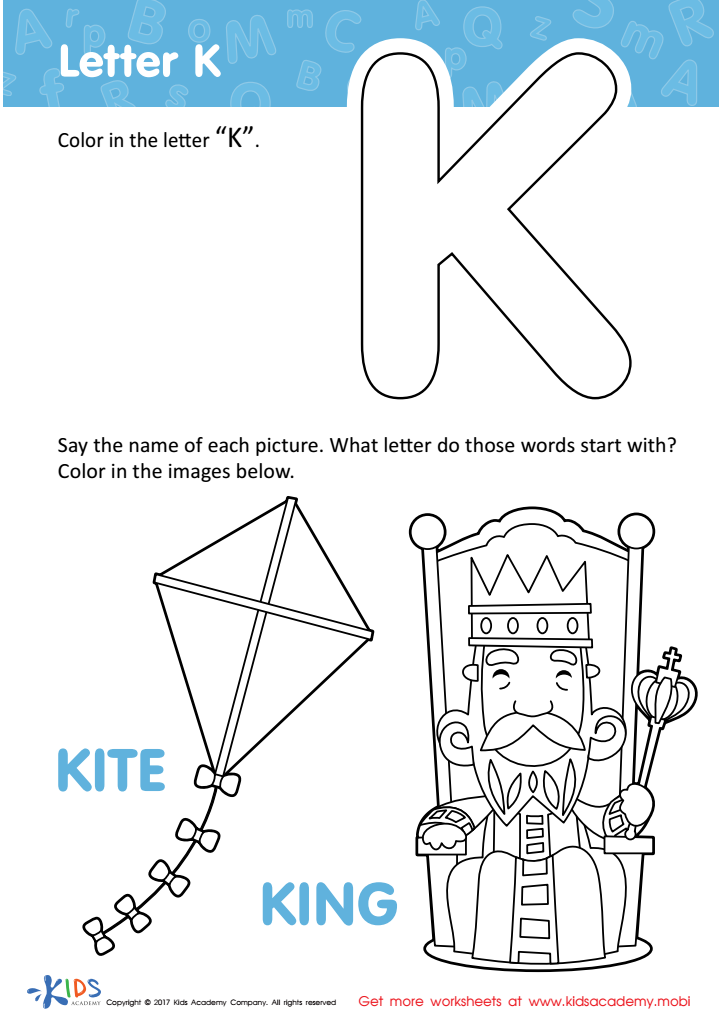
Letter K Coloring Sheet
Assign to My Students
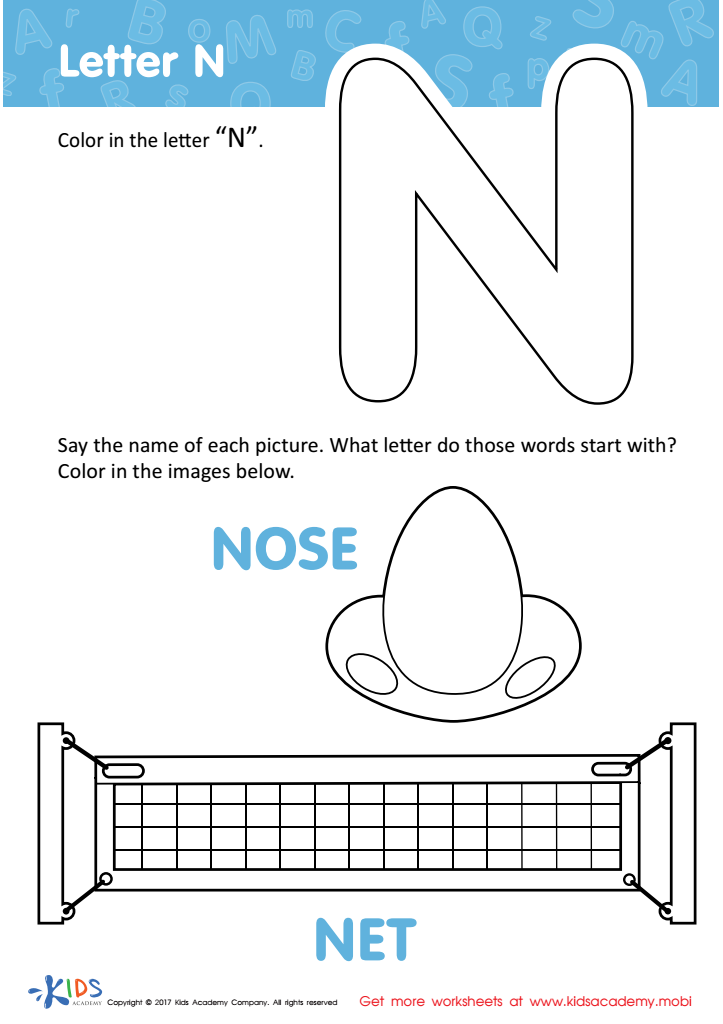
Letter N Coloring Sheet
Assign to My Students







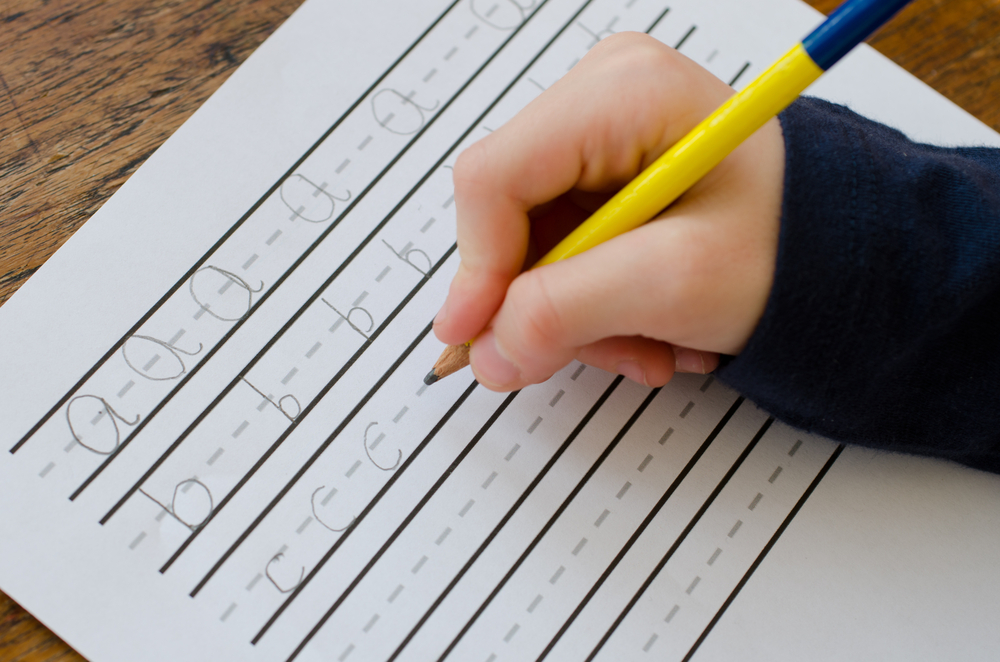
Handwriting practice for 9-year-olds is crucial for several reasons. First, at this age, children are transitioning into more advanced academic tasks that require clear and legible writing. Good handwriting helps them express their thoughts and ideas more effectively in written assessments, class assignments, and future projects. It fosters confidence, as children who write well often feel more capable in their academic abilities.
Additionally, handwriting activates essential fine motor skills that are foundational for numerous daily tasks beyond school. These skills aid in activities such as using scissors, typing on a keyboard, and even artistic pursuits. As children practice letter formation, they enhance their hand-eye coordination and dexterity.
Moreover, the cognitive benefits of handwriting cannot be overlooked. Studies show that writing by hand encourages memory retention and deeper comprehension of concepts. The physical act of forming letters promotes brain engagement, helping children absorb information more efficiently.
Developing a solid handwriting foundation also instills discipline and patience—qualities that are beneficial for lifelong learning. Therefore, both parents and teachers should actively encourage handwriting practice in a fun and engaging way, ensuring that children not only acquire this skill but also enjoy the process.







